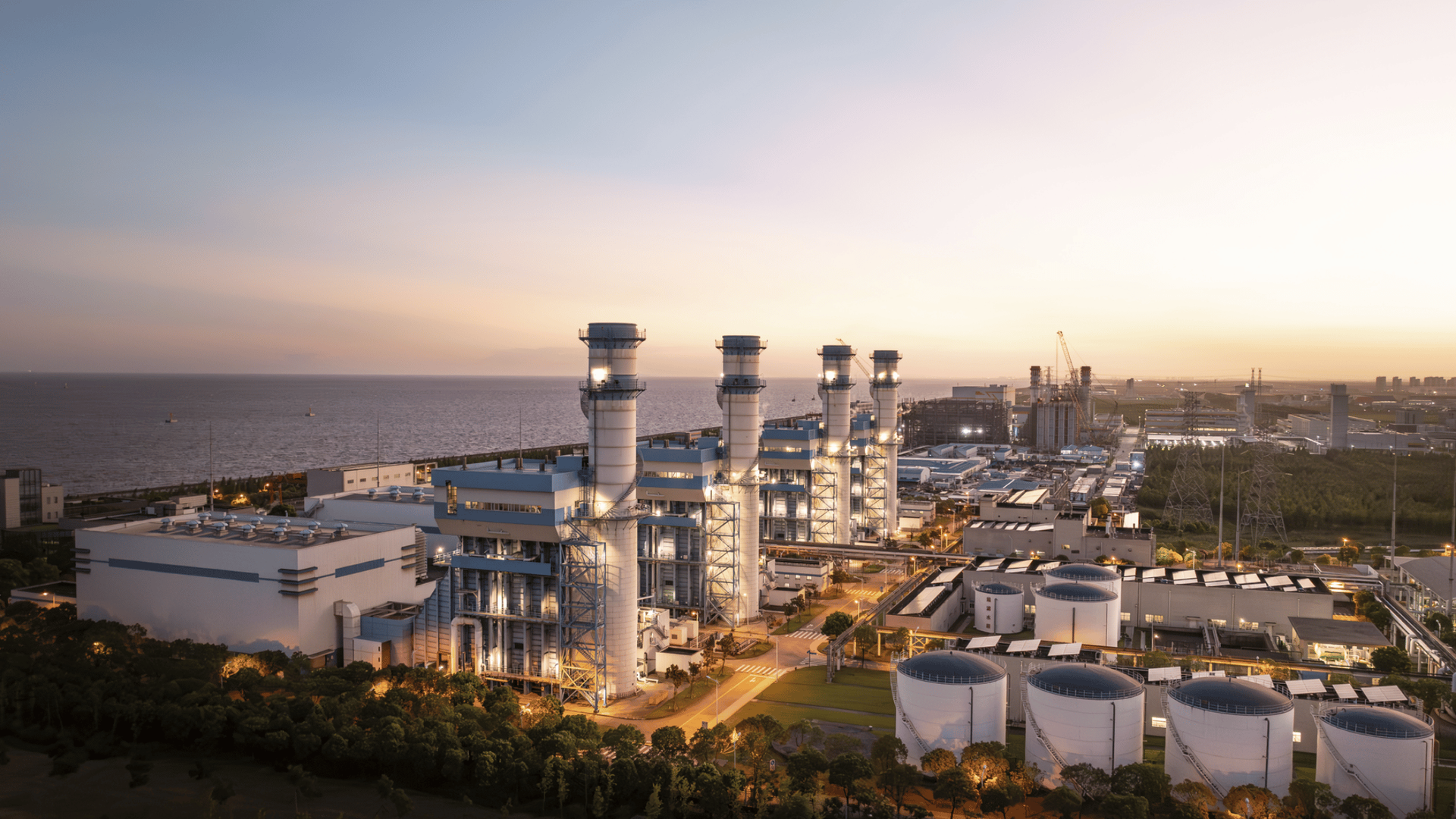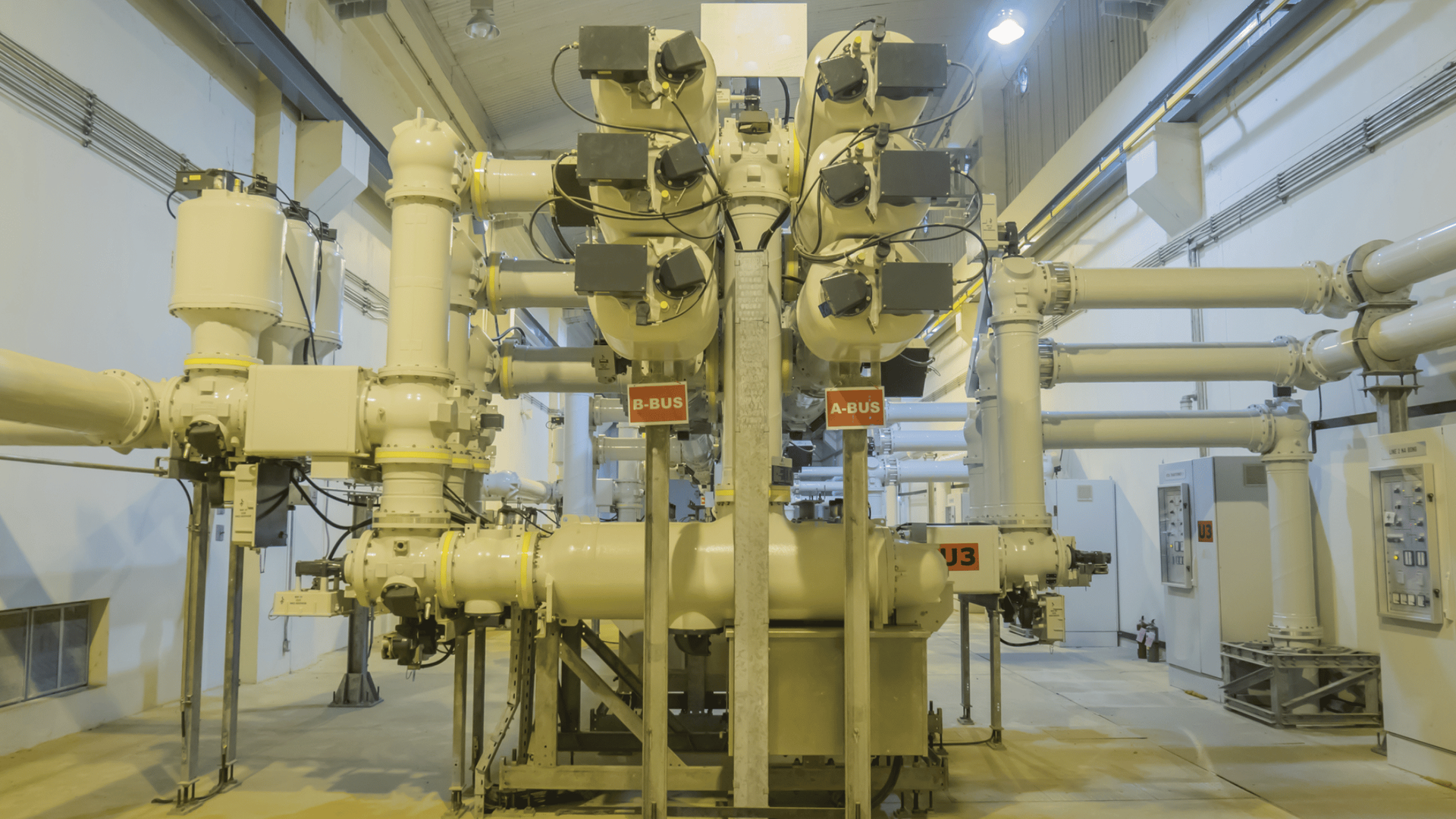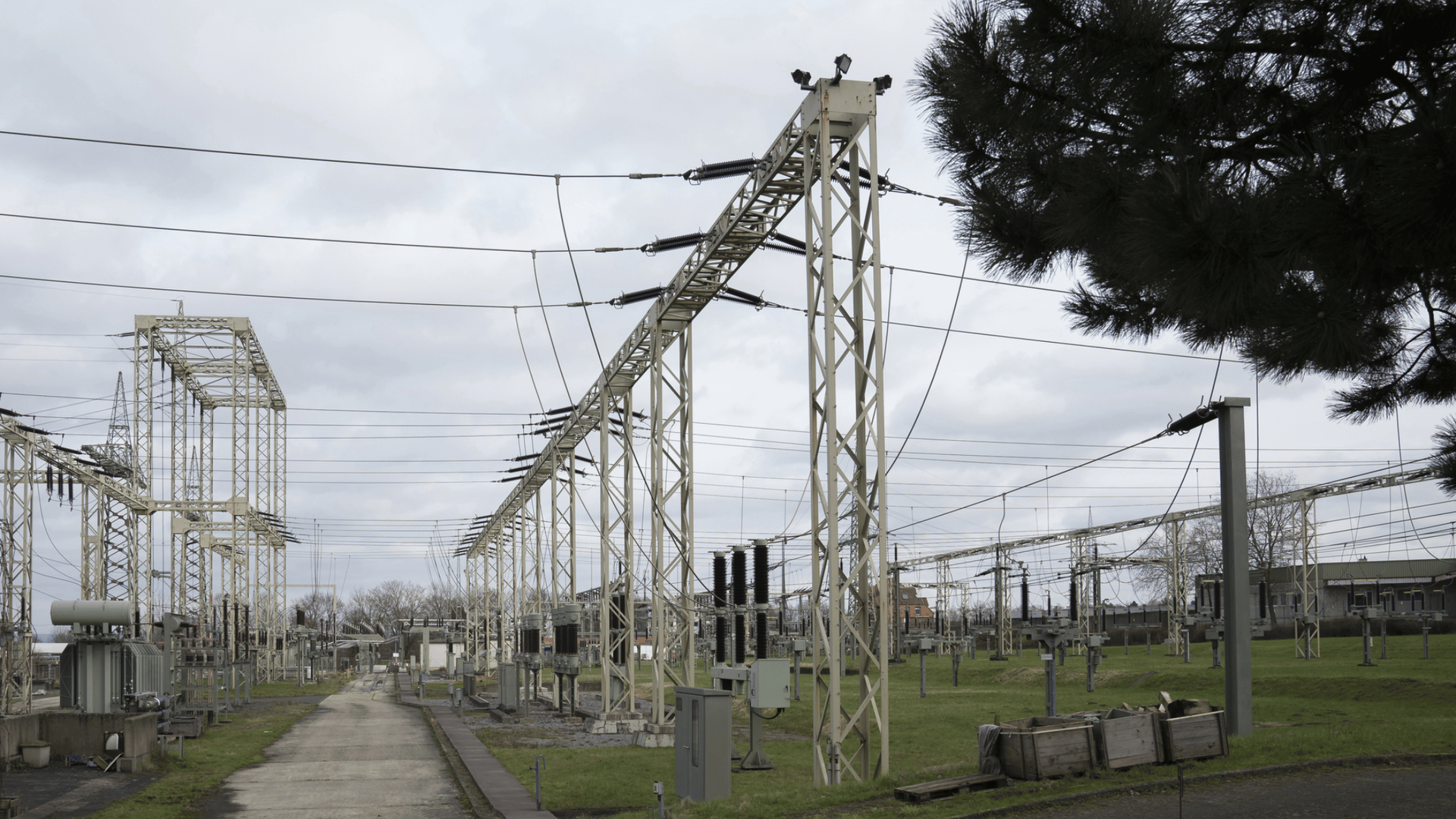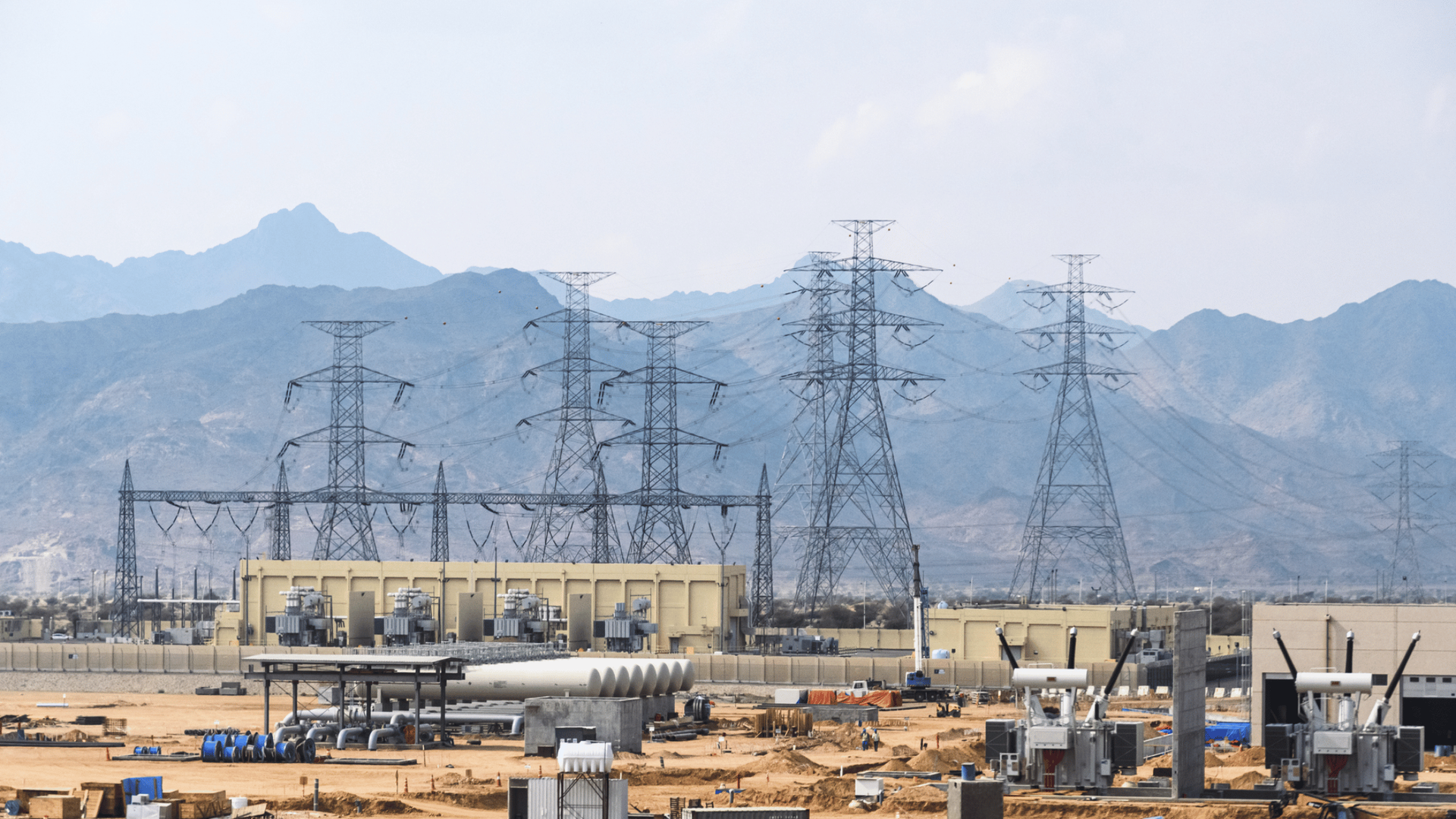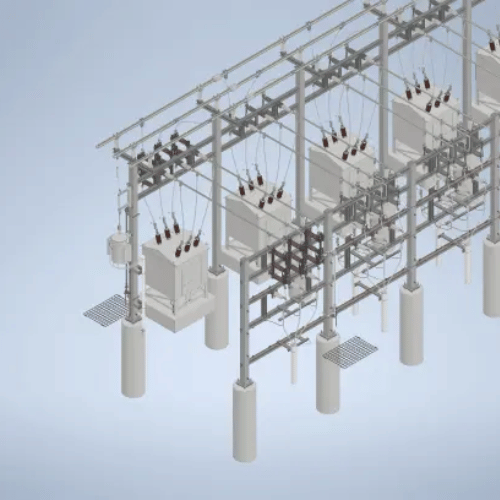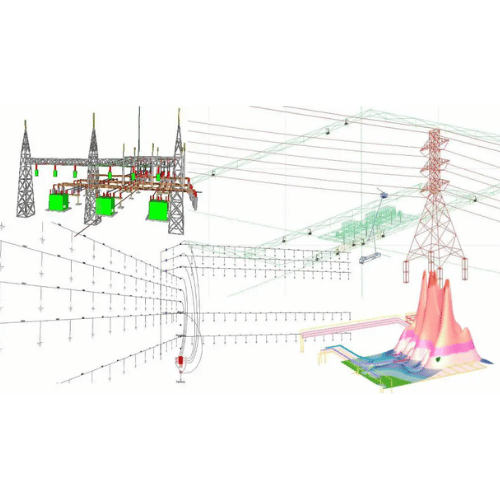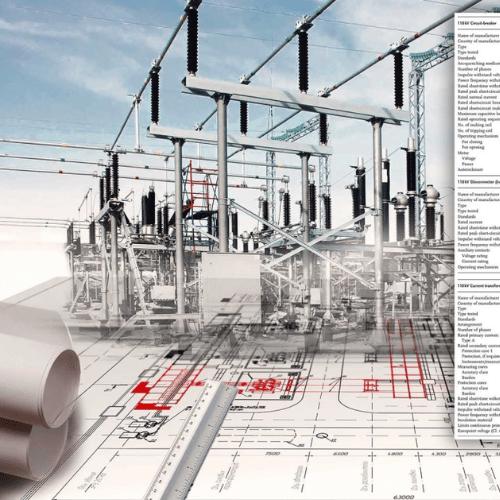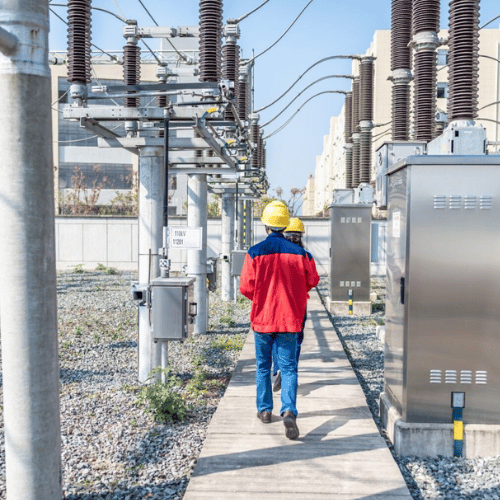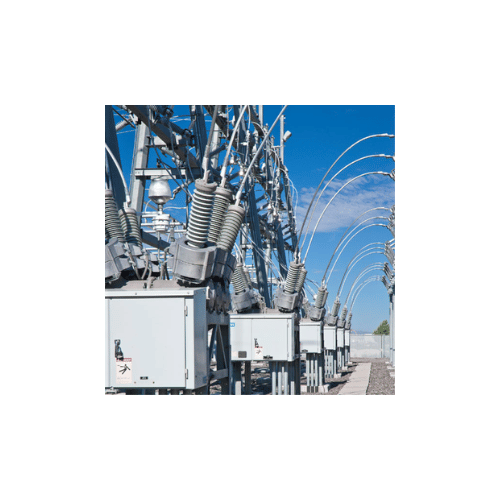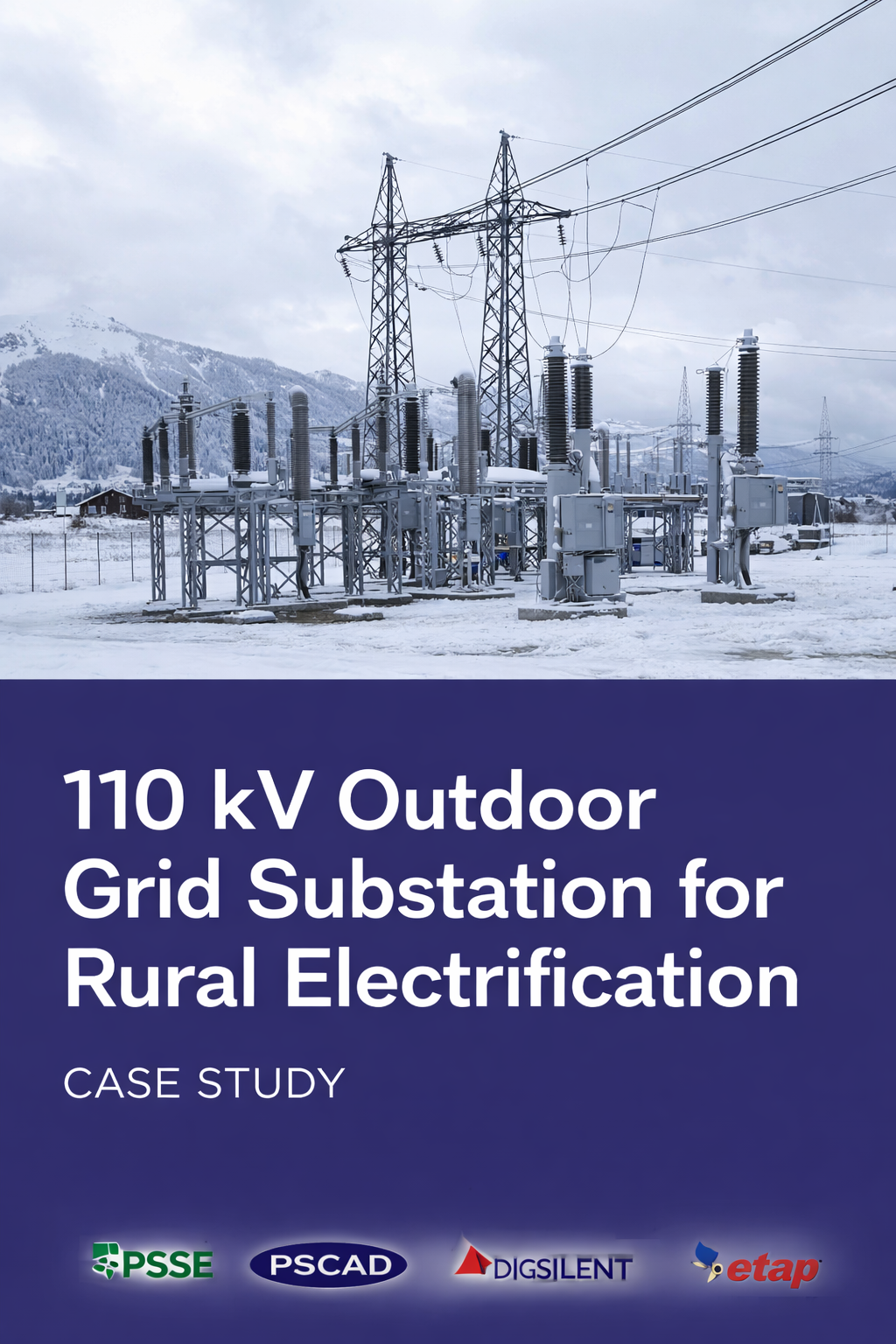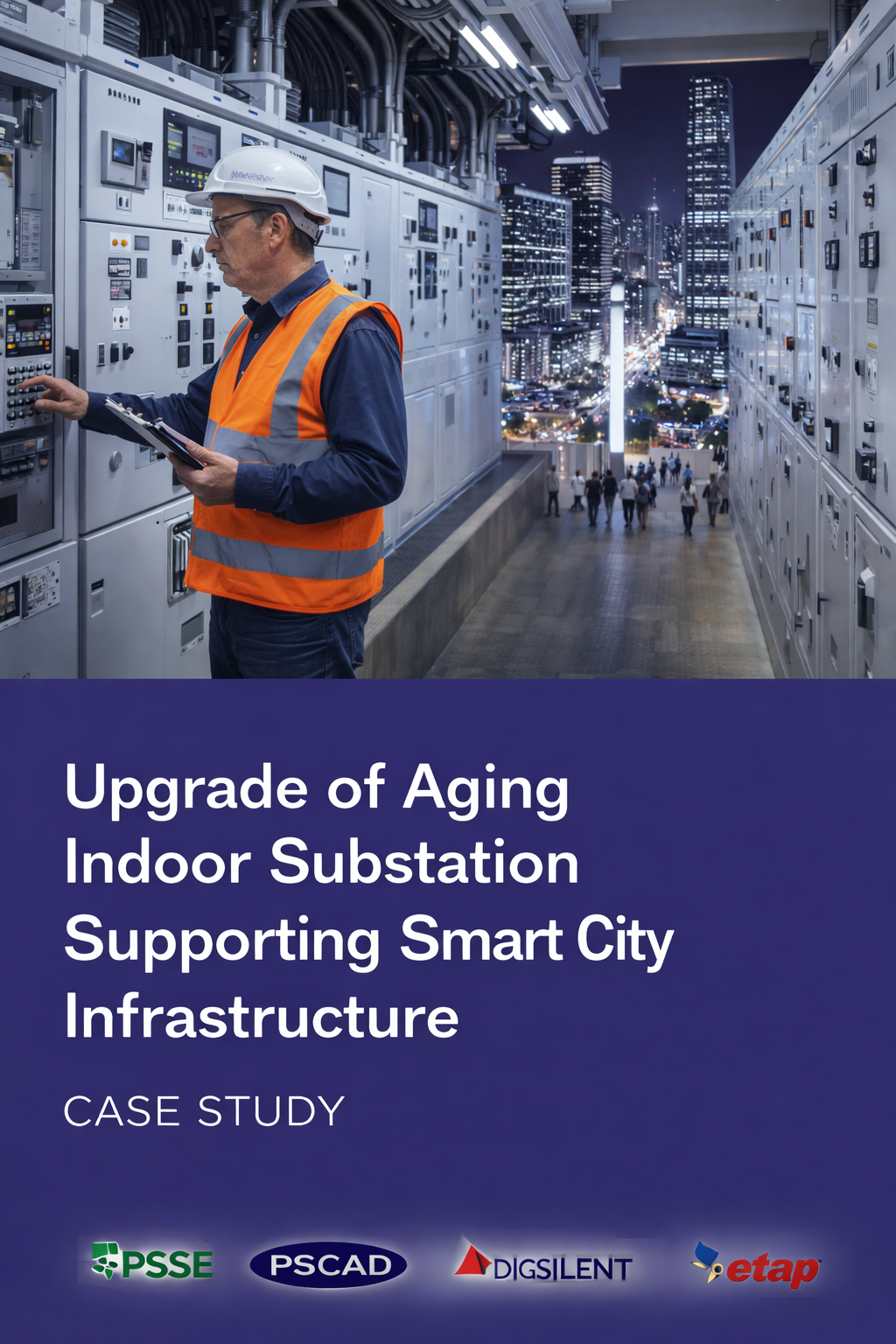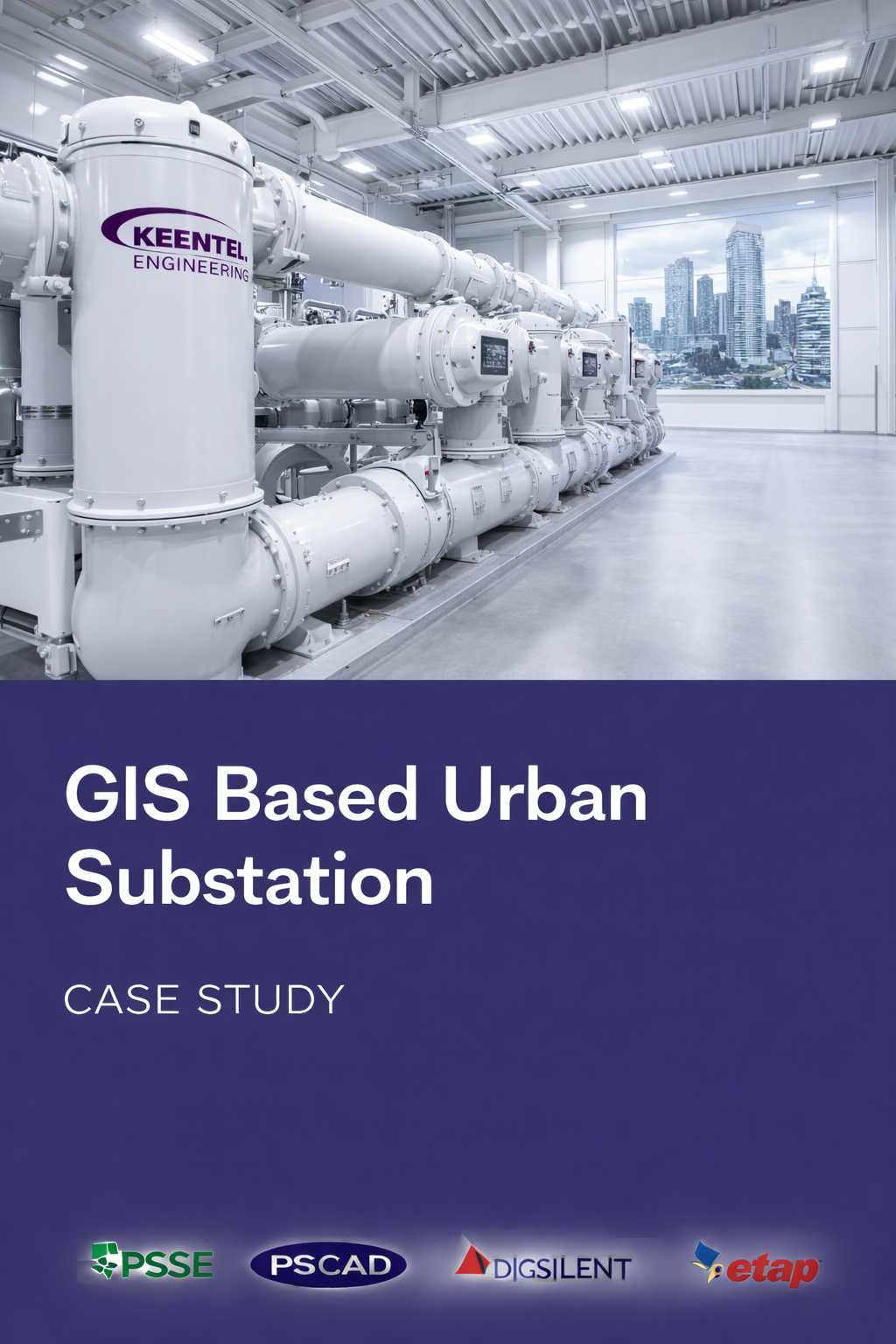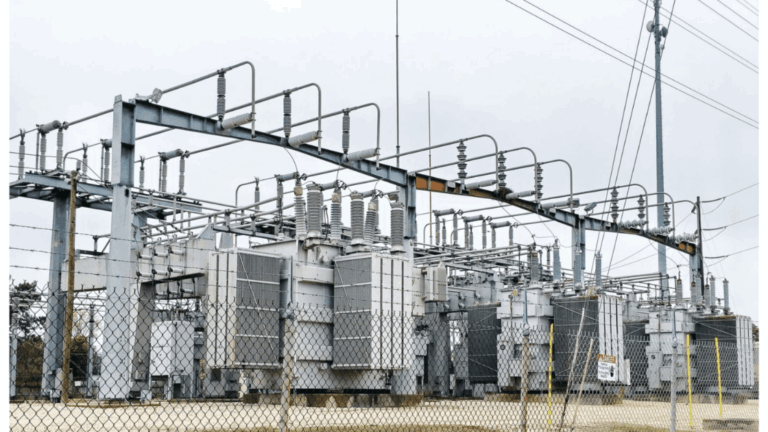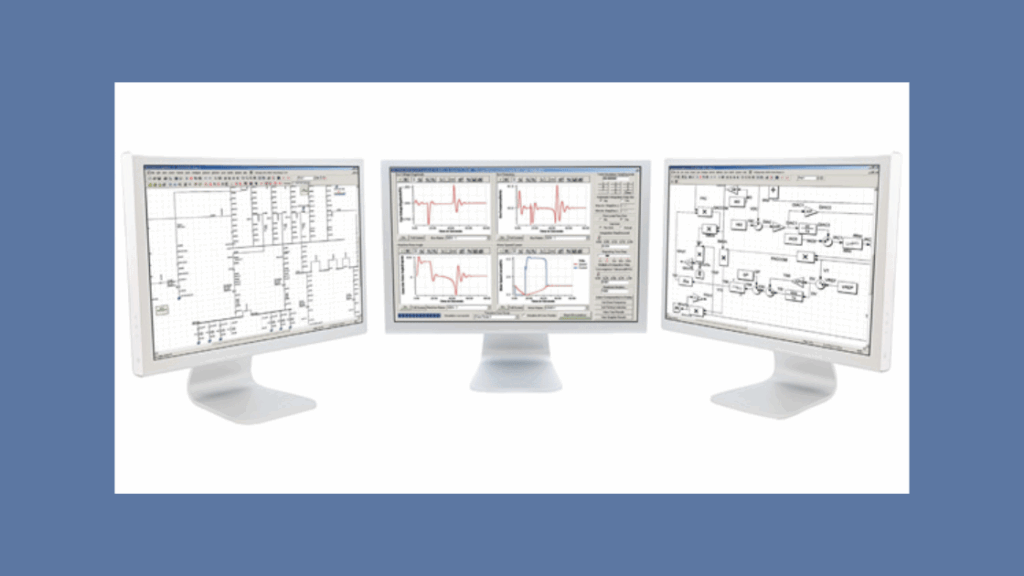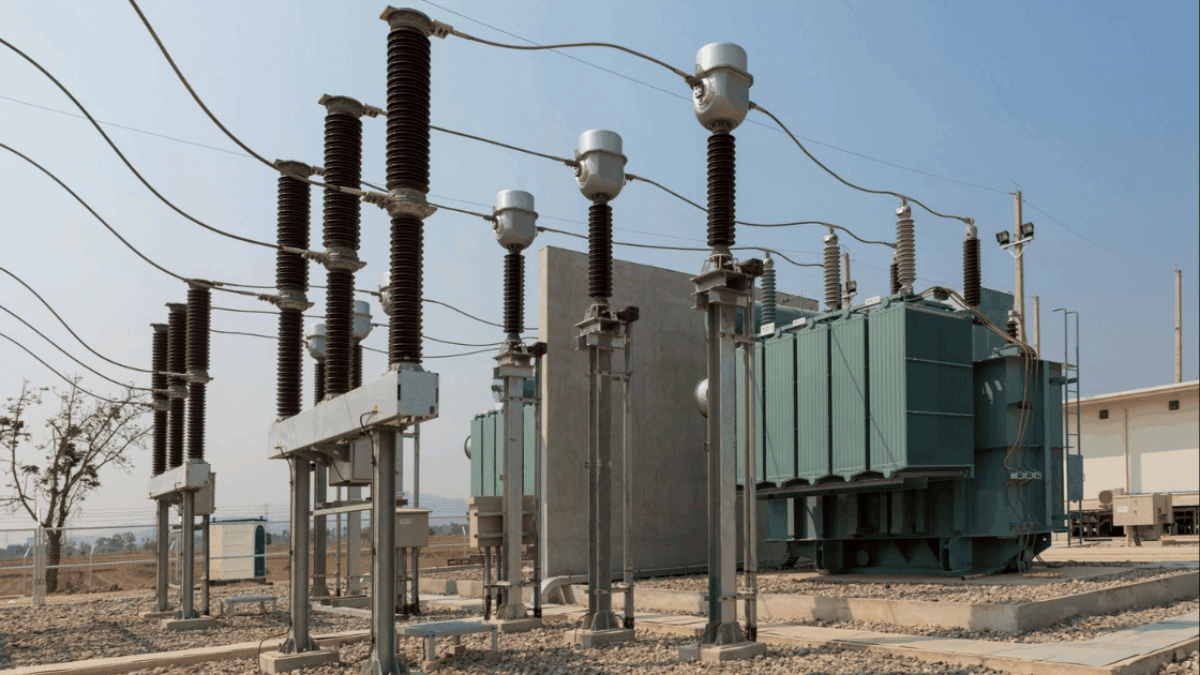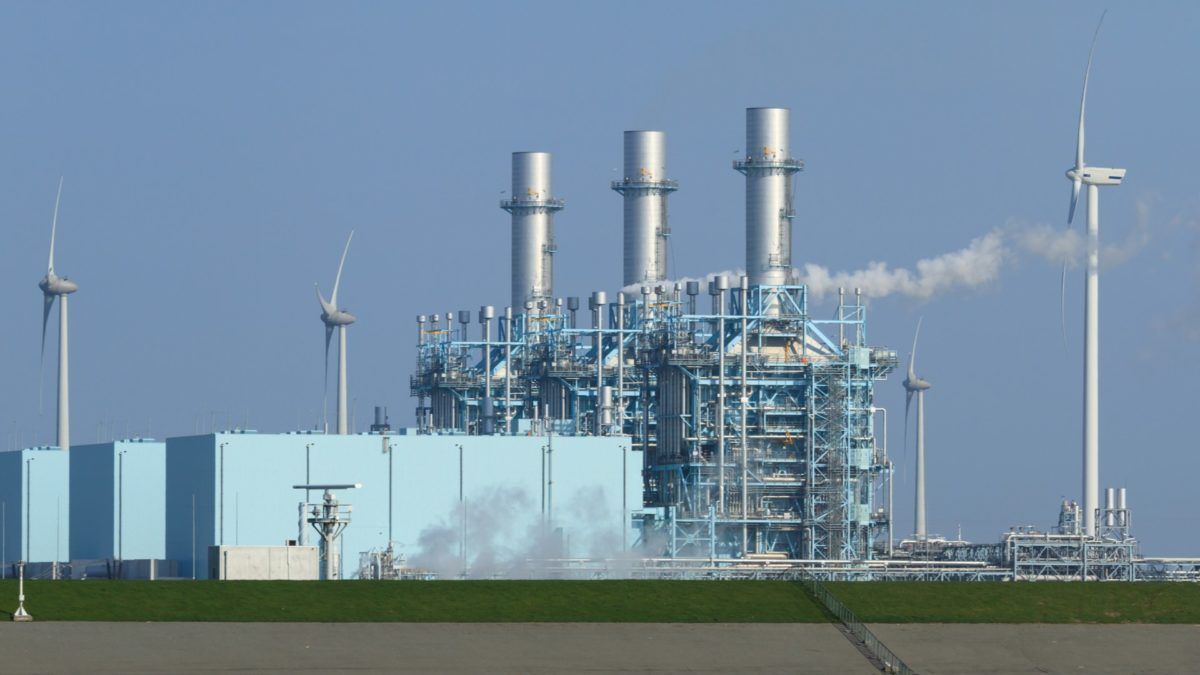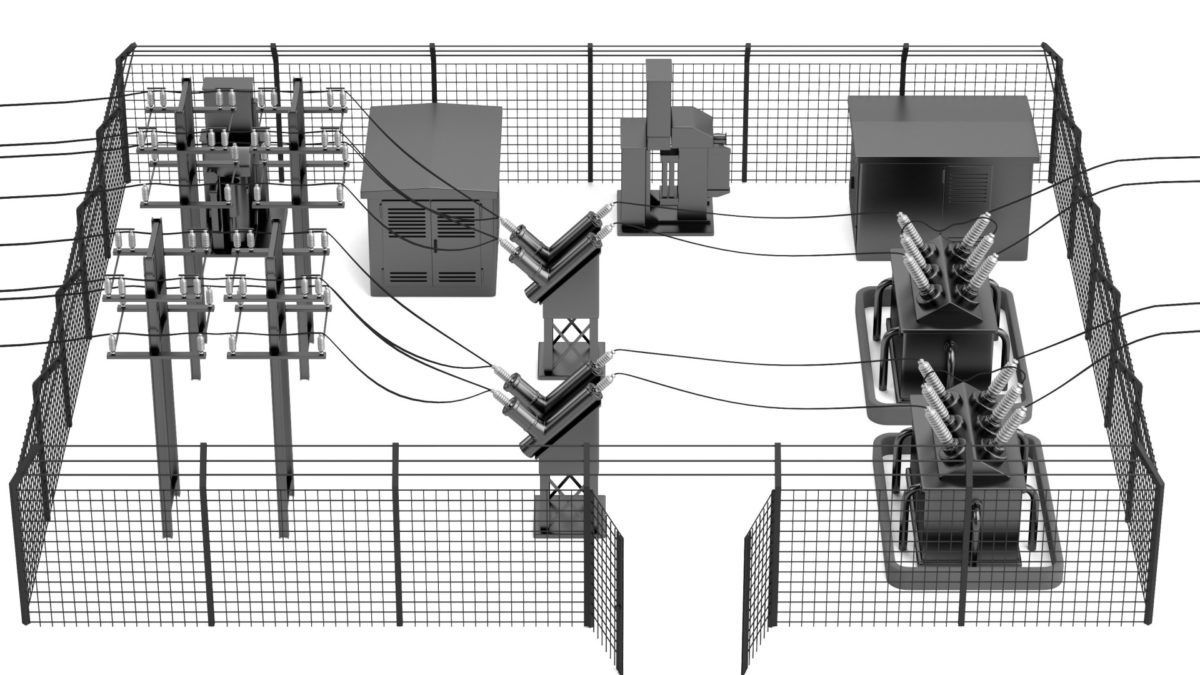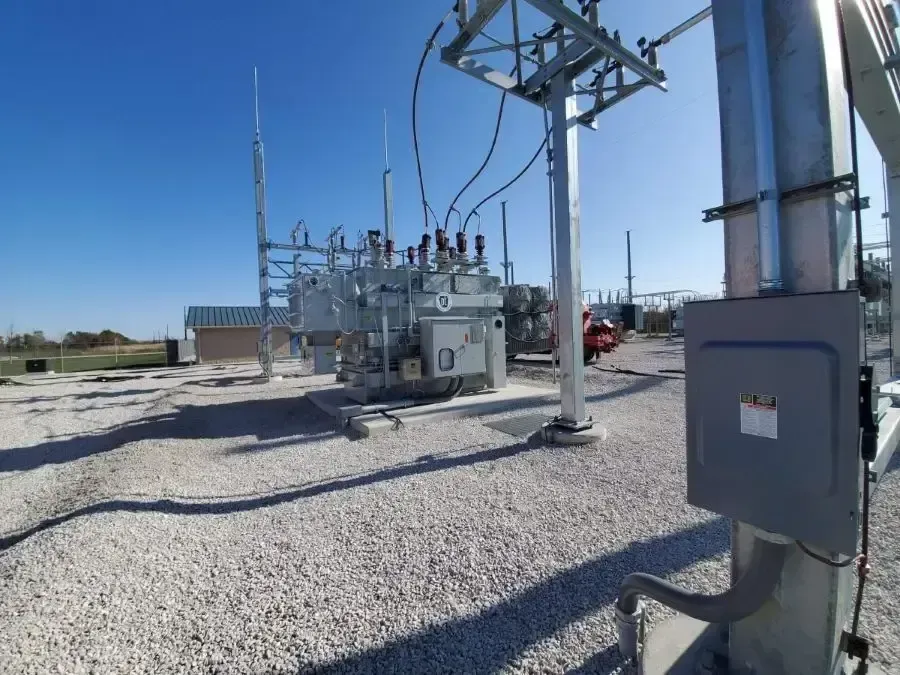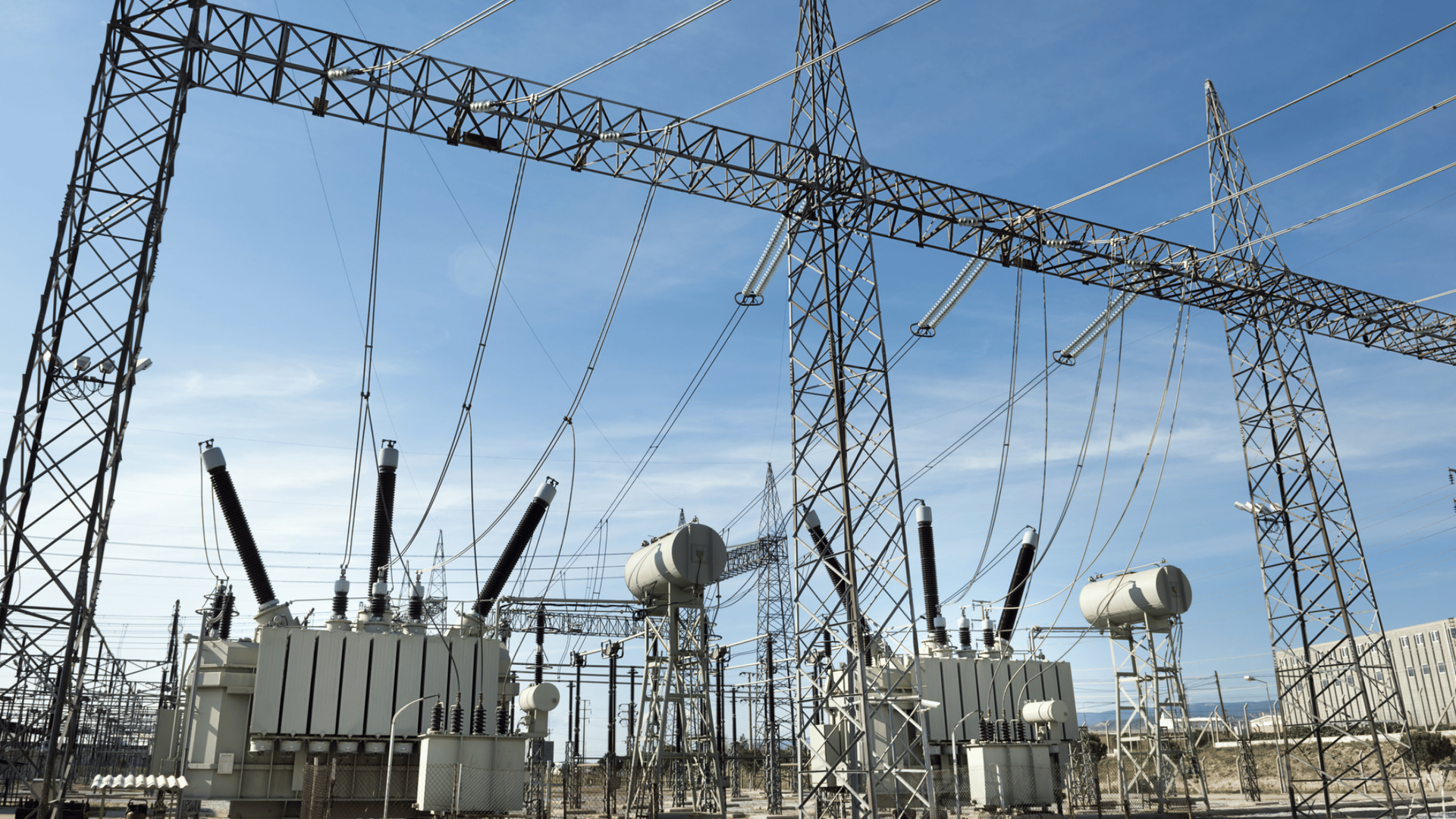
Substation Design Services for Safe, Reliable & Future-Ready Power Systems

Full-scope electrical, civil, structural, protection & control, and telecommunications engineering for utilities, renewable developers, EPCs, and industrial facilities across the United States.

Our team delivers accurate, compliant, permitting-ready substation design packages engineered for long-term system reliability and seamless grid integration.

You will get:

  • Complete electrical, civil, structural, and P&C design
  • Compliance with IEEE, NEC, NESC, NERC, and utility standards
  • Ready-for-review construction documents and IFC packages
  • Designs aligned with renewable energy, DER, and automation requirements
  • National coverage with licensed U.S. engineers

Trusted by utilities, EPCs, and energy developers across the U.S.
30 + Years of Engineering Excellence • IEEE | NERC | NFPA Compliant • ETAP | AutoCAD | BIM Expertise

White background.
Why it matters

Why Modern Substation Design Requires More Than Drawings

Substation design is evolving. Utilities, IPPs, and EPCs face tighter reliability requirements, aging infrastructure, and rapid renewable development. Modern substations must be engineered—not just drafted.

Dependable Capacity

Designed for current loading, future growth, N-1 contingencies, and renewable variability.

Protection & Automation

Coordinated schemes that minimize fault impact and enable fast restoration.

Interoperable Communication

Unified SCADA, IED, and network architectures for real-time visibility.

NERC & Utility Compliance

Alignment with PRC, MOD, FAC, IEEE, and NESC standards.

Fault-Tolerant & Cyber-Secure

Redundant and secure designs that protect critical assets.

IBR Integration

Specialized controls and modeling for solar, wind, and BESS systems.

A disciplined engineering approach minimizes change orders, reduces outages, and delivers predictable, compliant infrastructure from design through operation.

Why Choose Keentel Engineering?

Target icon with a person inside. Fo F

Client-Focused Work Approach

At Keentel Engineering, we take pride in being the go-to engineering firm for power and utility system planning, design, control, and analysis. Some of the many attributes of our company that set us apart are:

Person with a badge that has a star in the middle. Expe Exp E Ex

30 Years of Experience

With three decades of hands-on project delivery, we bring unmatched expertise in substation layout, electrical and civil design, relay protection, and grid-tie solutions. We’ve successfully completed projects in complex terrains, urban retrofit scenarios, and renewable integrations.

Black and white badge with a star inside a circle. Qual Q

Quality with Innovation

Our engineering process uses AutoCAD 3D, BIM modeling, and system-level design thinking to ensure accurate planning, reduced errors, and strong communication across all stakeholders.

 Our workflow includes 3D substation design, enabling clash-free coordination between structural, electrical, and civil disciplines.

Magnifying glass with symbols: diamond, dot, triangle, hexagon.

Attention-to-Detail

From grounding grid studies to relay settings, we engineer every detail to improve reliability, performance, and safety. Our rigorous QA/QC process ensures compliance with IEEE, NFPA, and ISO/TSO interconnection standards.


 Among top electrical substation design companies, Keentel stands out for 30+ years of proven high-voltage project delivery.

Let's Discuss How to Optimize Your Next Project

Submit

What We Deliver

End-to-end substation engineering and design — from feasibility studies and detailed design to IFC packages and construction support.

01

Feasibility & Early Planning

Concept layouts, preliminary studies, and technical input for site selection, budgets, and schedules.

02

Electrical, Civil, Structural & P&C Engineering

Coordinated multi-discipline design aligned with utility standards and project requirements.

03

Physical Layout & Equipment Arrangement

General arrangements, equipment clearances, and control house layouts.

04

Grounding, Short-Circuit & Arc-Flash Studies

Analysis supporting equipment ratings, protection settings, and worker safety.

05

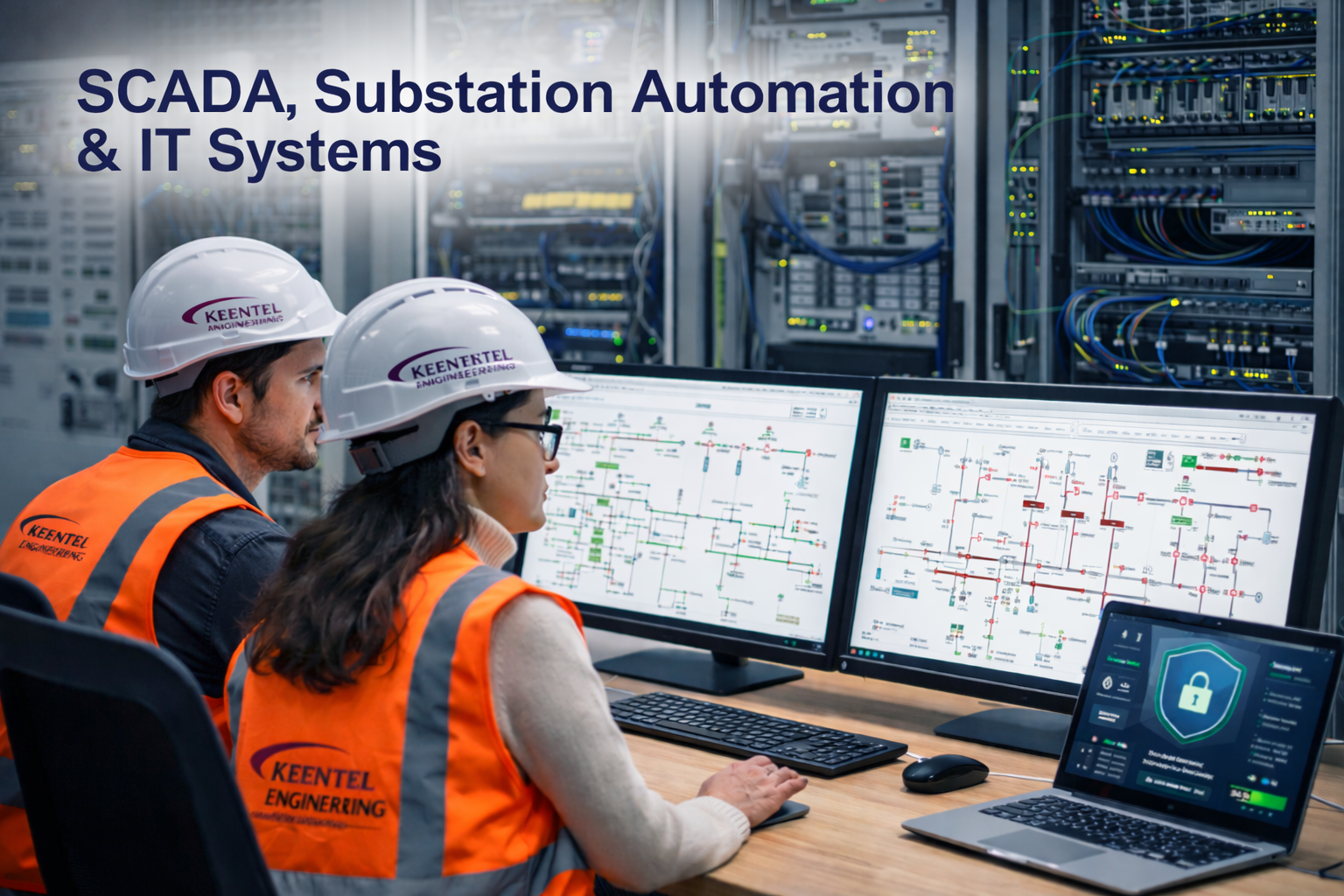
SCADA, Telecom & Network Architecture

Reliable designs enabling secure operations and utility integration.

06

Design Calculations & Detailed Drawings

Construction-ready drawings coordinated across all disciplines.

07

BOM & Specification Packages

Vendor-aligned material lists and specification documentation.

08

QA/QC & Compliance Checks

Reviews ensuring technical accuracy and standards compliance.

09

Final IFC Packages

Issue-for-construction documents ready for contractors and field teams.

10

Construction & Commissioning Support

Engineering support through energization, testing, and handover.

Download our Substation Design Services flyer

Please click the Download button to get our Substation Design Services flyer

Explore Our Expertise

We deliver utility-grade engineering solutions across electrical, civil, and substation disciplines — combining technical depth, regulatory alignment, and constructible design practices.

EE

Electrical Engineering

Power system studies, equipment sizing, grounding, and substation electrical design for transmission, distribution, and renewable assets.

P&C

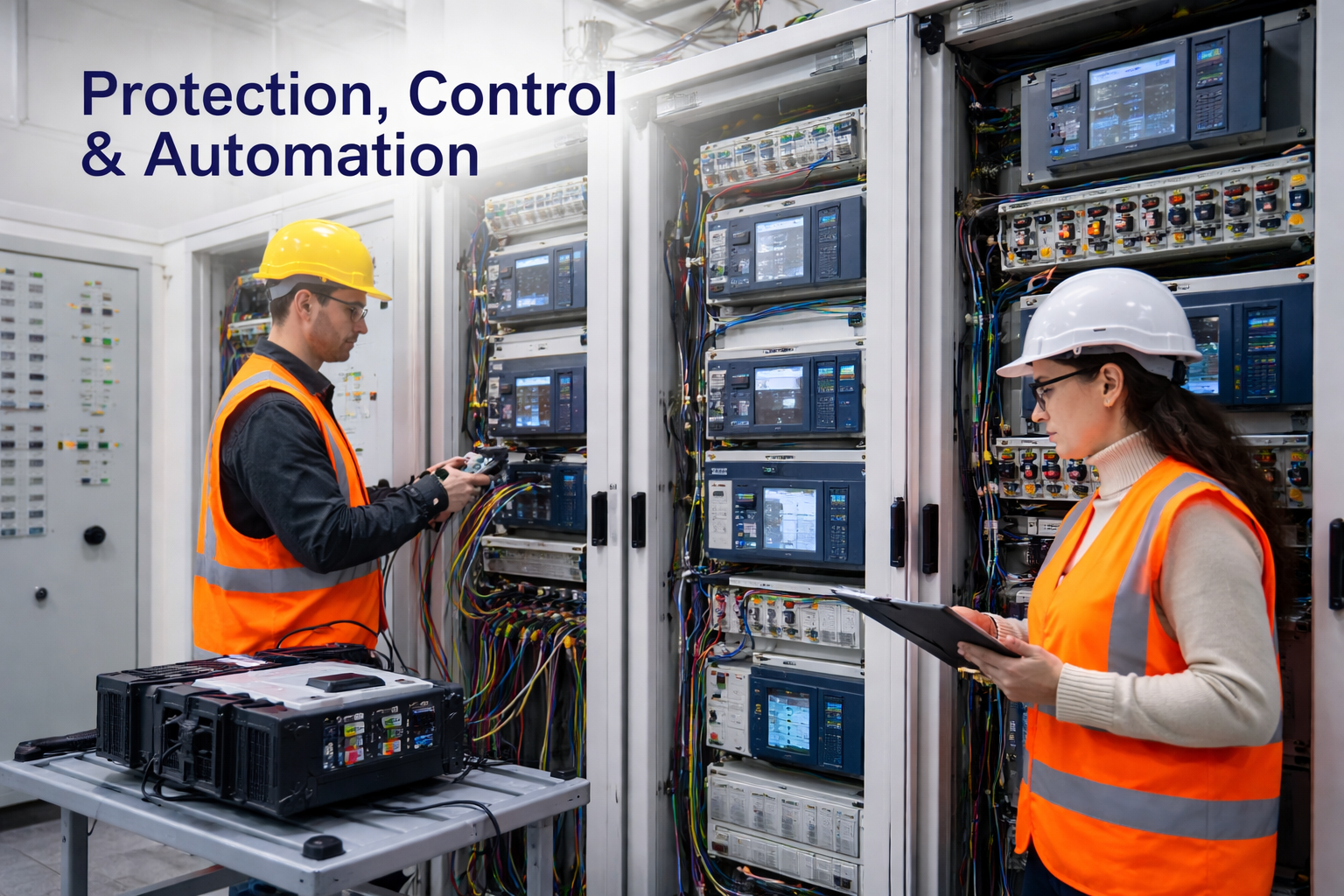
Protection & Control

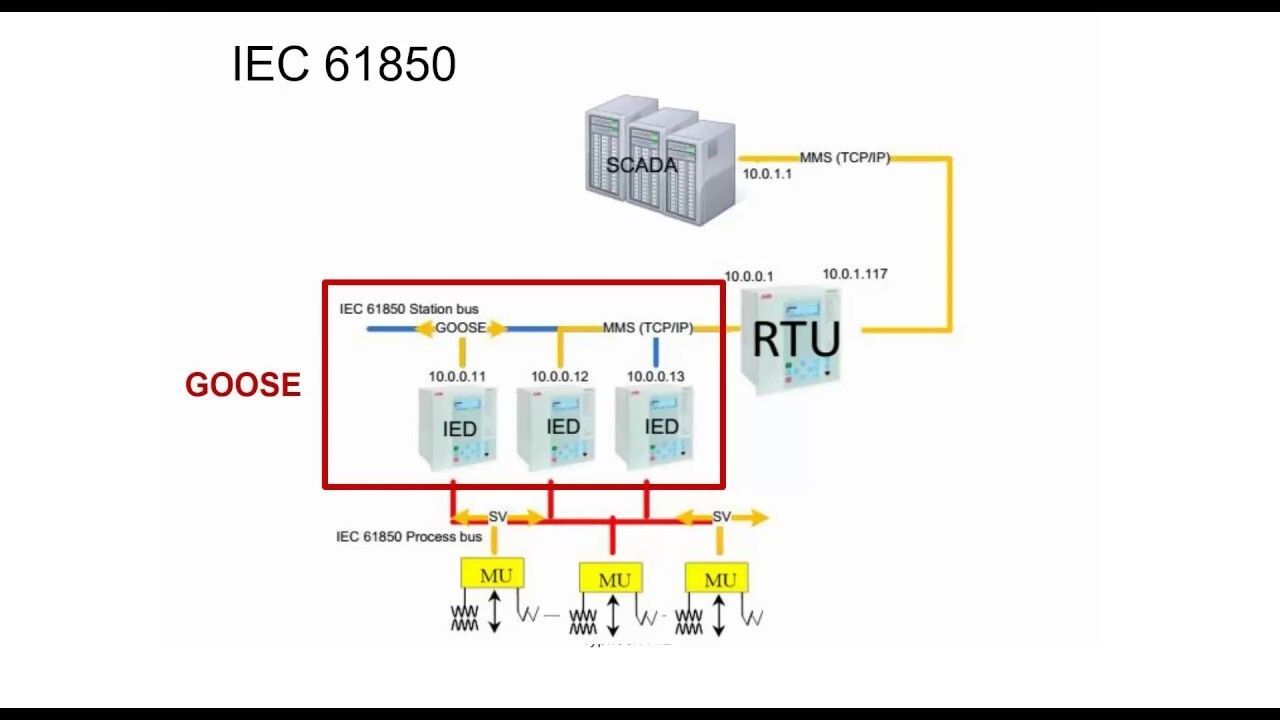
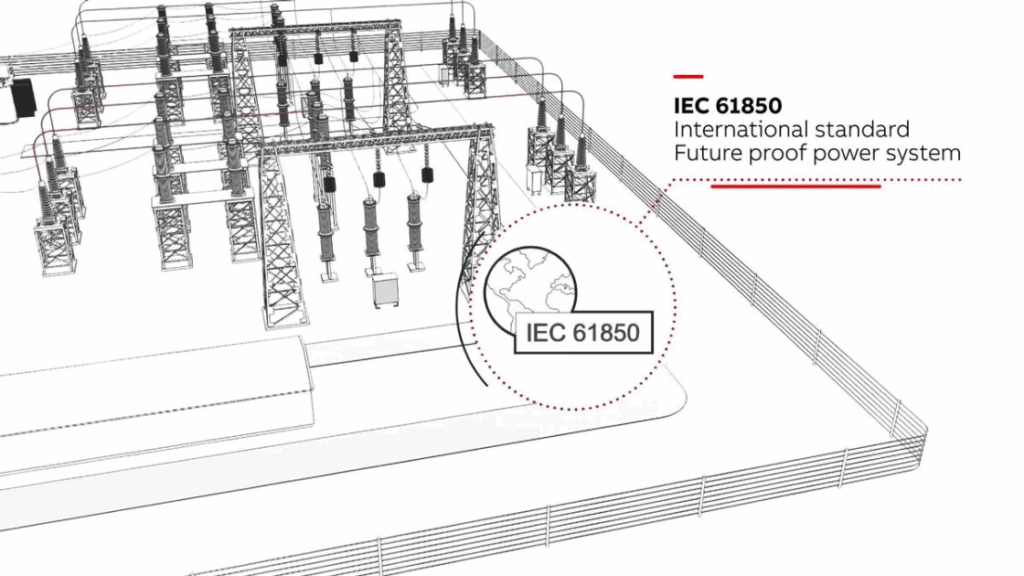
Protection philosophy, relay settings, IEC 61850 integration, and SCADA-ready control systems.

CIV

Civil & Structural Engineering

Foundations, steel structures, grading, drainage, and site layouts designed for constructability and long-term reliability.

TEL

Telecommunications & Networking

Substation communications, fiber networks, time synchronization, and secure data infrastructure.

Substation configurations

Types of Substations We Design

Our engineering team delivers reliable, utility-grade designs across all voltage classes, applications, and project environments.

Transmission (69 kV – 500 kV)

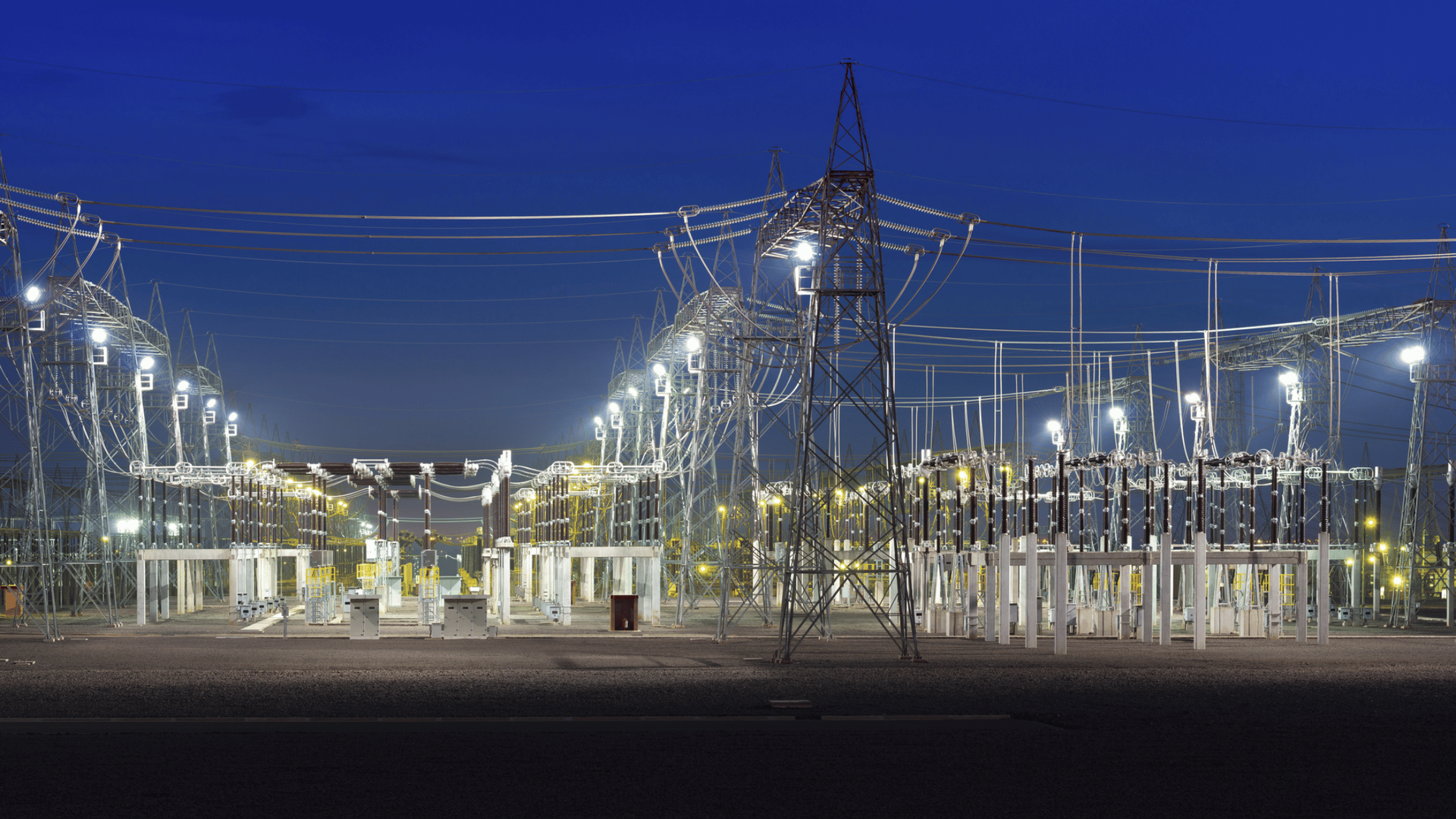
High-voltage substations engineered for bulk power delivery, reliability, and system stability.

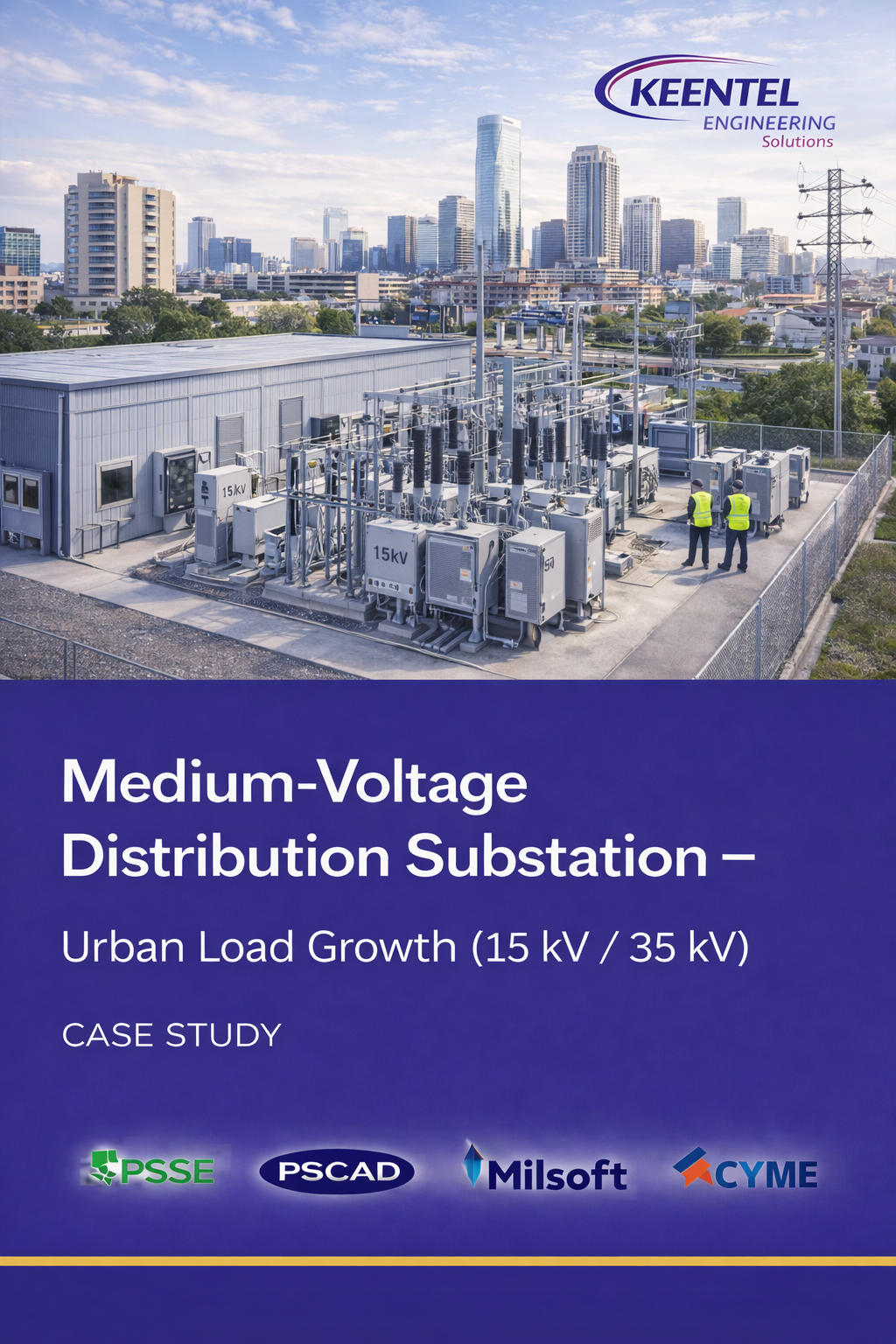
Distribution (4 kV – 35 kV)

Medium-voltage substations supporting utilities, municipalities, and commercial distribution networks.

Solar & Wind Collector Substations

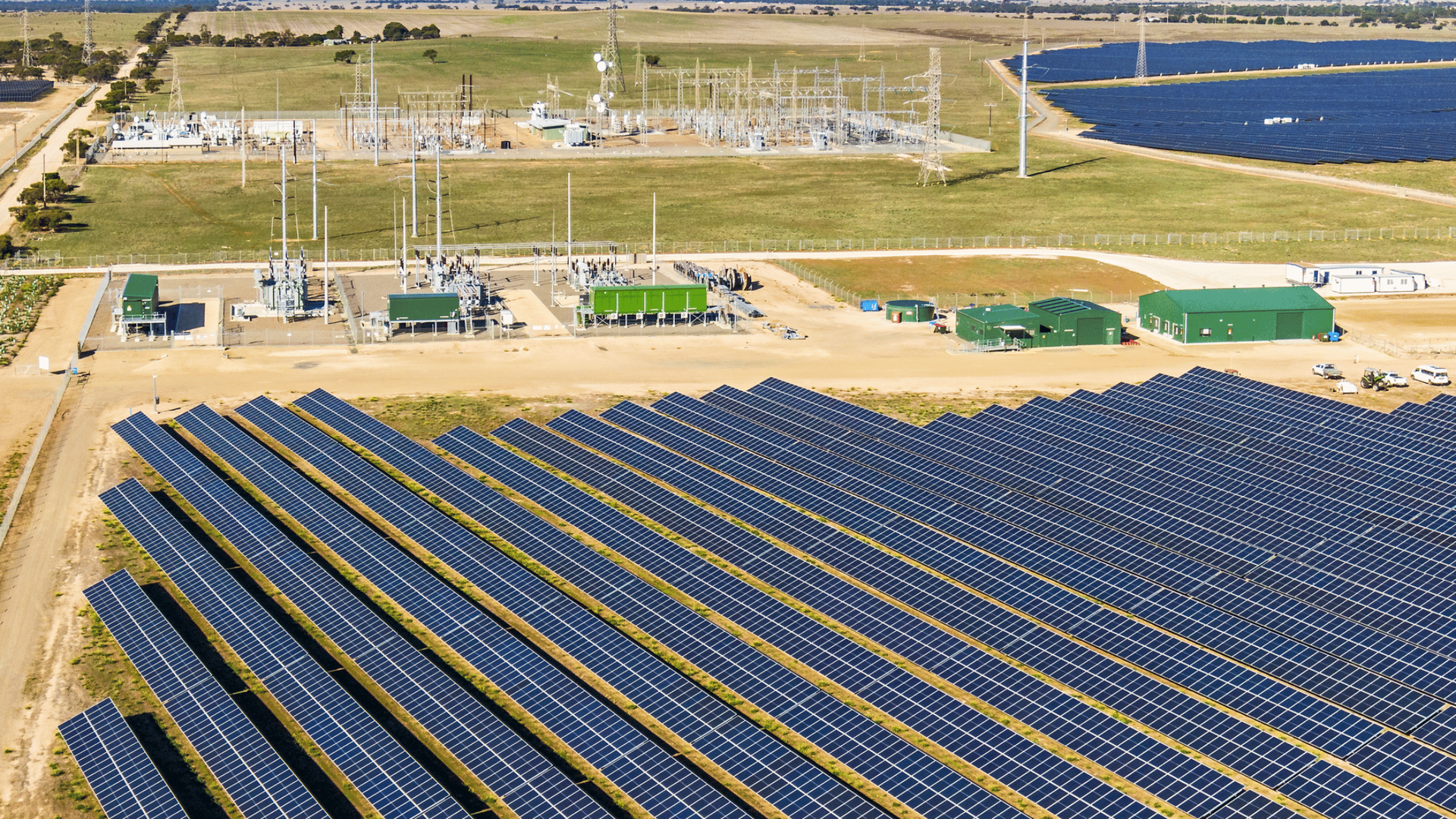
Renewable substation design for inverter-based resources and utility interconnection.

BESS Interconnection

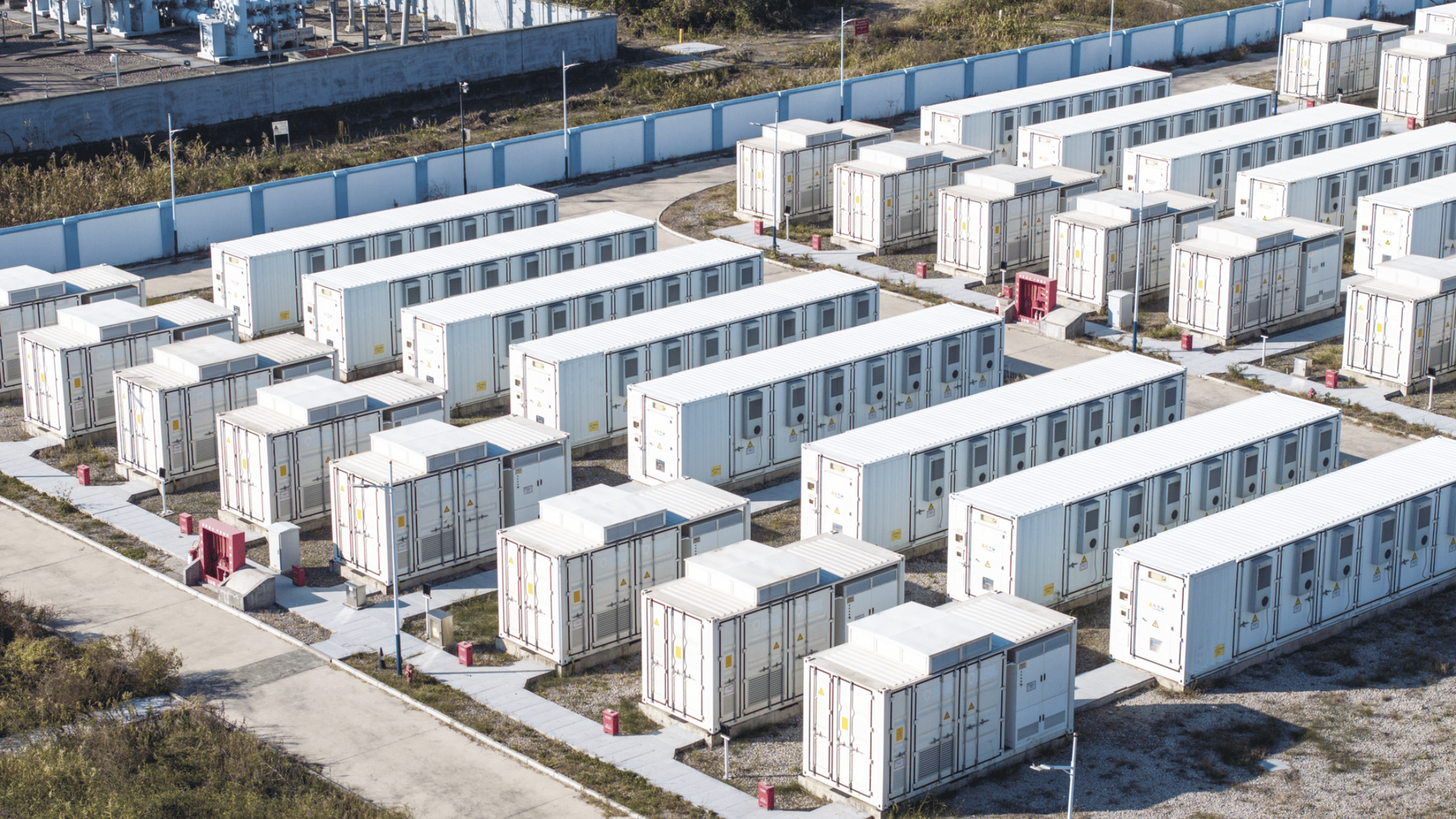
Battery-storage substations with fast-response controls, protection coordination, and adaptive design.

Industrial & Commercial Substations

Reliable substations for plants, data centers, campuses, and heavy industrial operations.

GIS & AIS Substations

Compact GIS facilities and traditional AIS layouts engineered for site constraints and reliability.

Rural & Urban Compact Substations

Space-restricted projects with optimized layouts and future expansion paths.

Brownfield Upgrades & Retrofits

Rebuild, expansion, and cutover designs for existing substations while minimizing outages.

Mobile & Temporary Substations

Rapid-deployment units for emergency work, maintenance bypass, and temporary service.

Substation Design Process

A structured, utility-aligned workflow that minimizes redesigns, reduces field conflicts, and ensures consistent engineering quality.

01

Requirements & Project Definition

Load growth, voltage class selection, utility standards, permitting needs, protection philosophy, environmental constraints, constructability expectations.

02

Site Analysis & Feasibility

Geotechnical integration, soil resistivity testing, access evaluation, EMF limits, environmental constraints, regulatory coordination.

03

Conceptual Design

Layout alternatives, bus configurations, protection philosophy, telecom architecture, IBR integration, early-stage modeling.

04

Detailed Engineering

Integrated electrical, civil, structural, and P&C engineering with grounding, protection, and study results.

05

Calculations, Drawings & BOM Package

IFC-ready documentation including calculations, schematics, construction drawings, and specifications.

06

QA/QC Peer Review

Utility compliance checks, internal design reviews, cross-discipline coordination, and validation.

07

IFC Submission & Permitting

Final drawing release, utility submissions, and permitting coordination.

08

Construction & Commissioning Support

RFIs, field support, relay adjustments, and commissioning coordination.

Why it matters

Why Choose Us for Substation Design?

Our engineering approach combines deep technical knowledge, regulatory alignment, and constructible delivery — ensuring safer operations and predictable construction outcomes.

Proven Engineering Expertise

Delivered substation projects across utilities, voltage classes, and ISO/RTO regions with consistent, repeatable results.
Utility-Accepted Standards

Deliverables aligned to utility templates and compliance requirements to reduce review cycles.

Faster, More Accurate Delivery

Digital workflows and model-based coordination reduce errors and shorten schedules.
Deep Renewable & IBR Expertise

IBR modeling, EMT studies, and inverter-specific protection strategies embedded in our designs.
Fewer Change Orders

Constructible packages and pre-construction reviews minimize rework and delays.

Nationwide Support

Licensed engineers across ERCOT, PJM, CAISO, MISO, NYISO, SPP, and municipal utilities.

Market segments

Industries We Serve

We partner with stakeholders across the power sector and critical infrastructure to deliver substation designs that align with regulatory, operational, and commercial objectives.
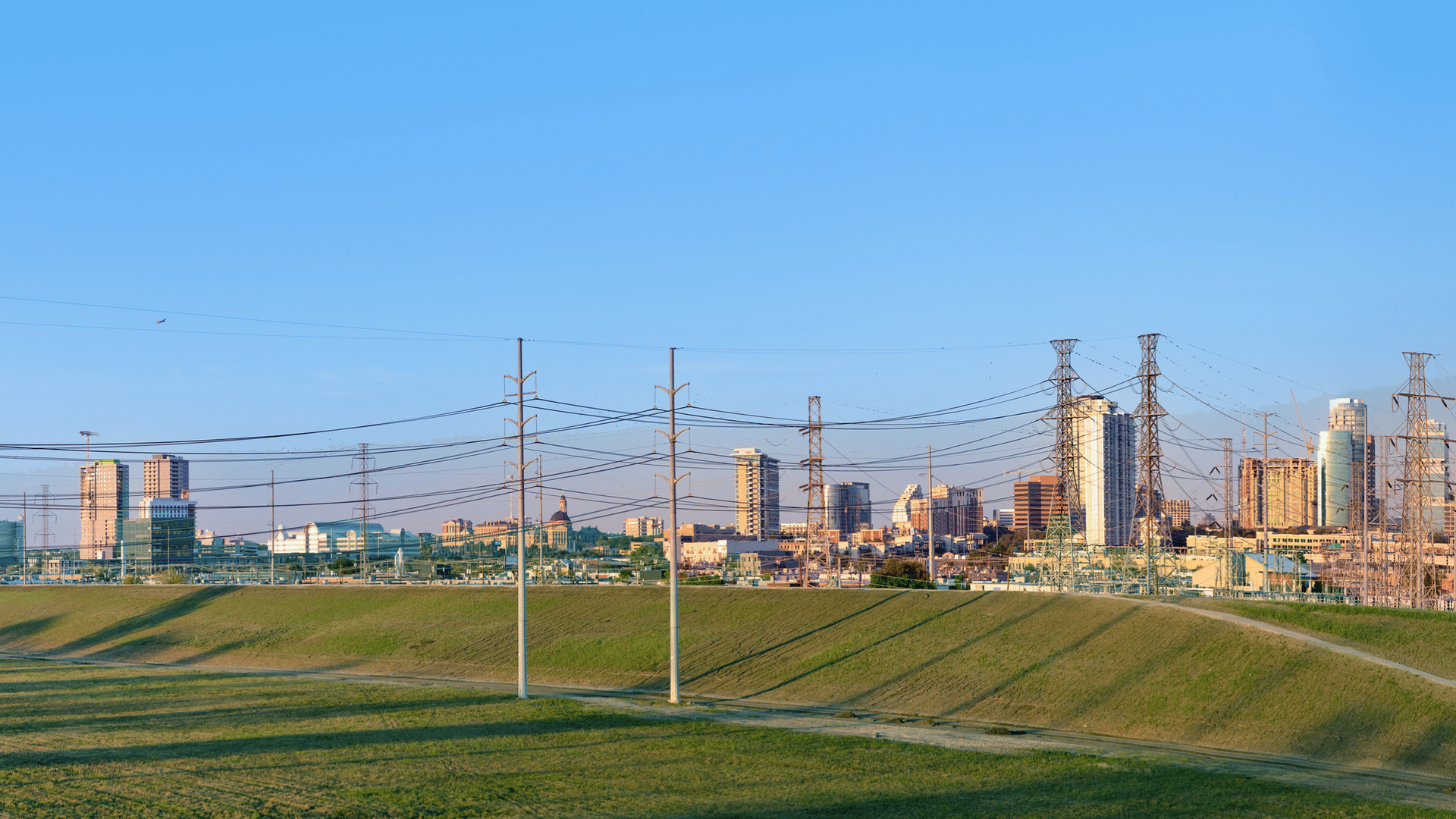
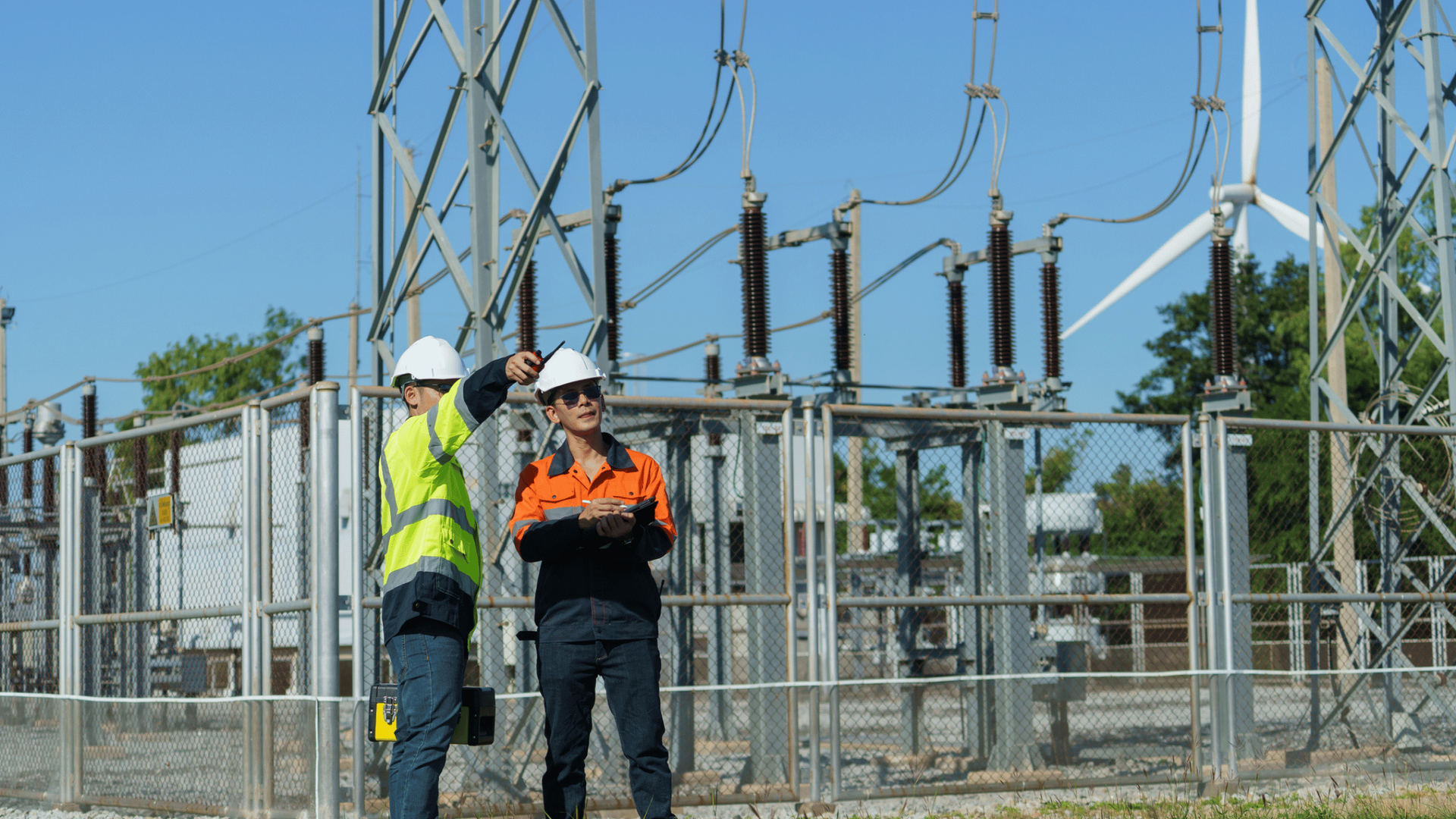
Utilities & Municipalities

Transmission and distribution substations designed to meet utility standards, reliability targets, and long-term asset plans.
Independent Power Producers (IPP)

Project-ready substation designs that align with PPA terms, interconnection milestones, and financing requirements.

Renewable Developers (Solar, Wind, BESS)

Collector and POI substation designs tailored to inverter-based resources, grid-code compliance, and curtailment risk.
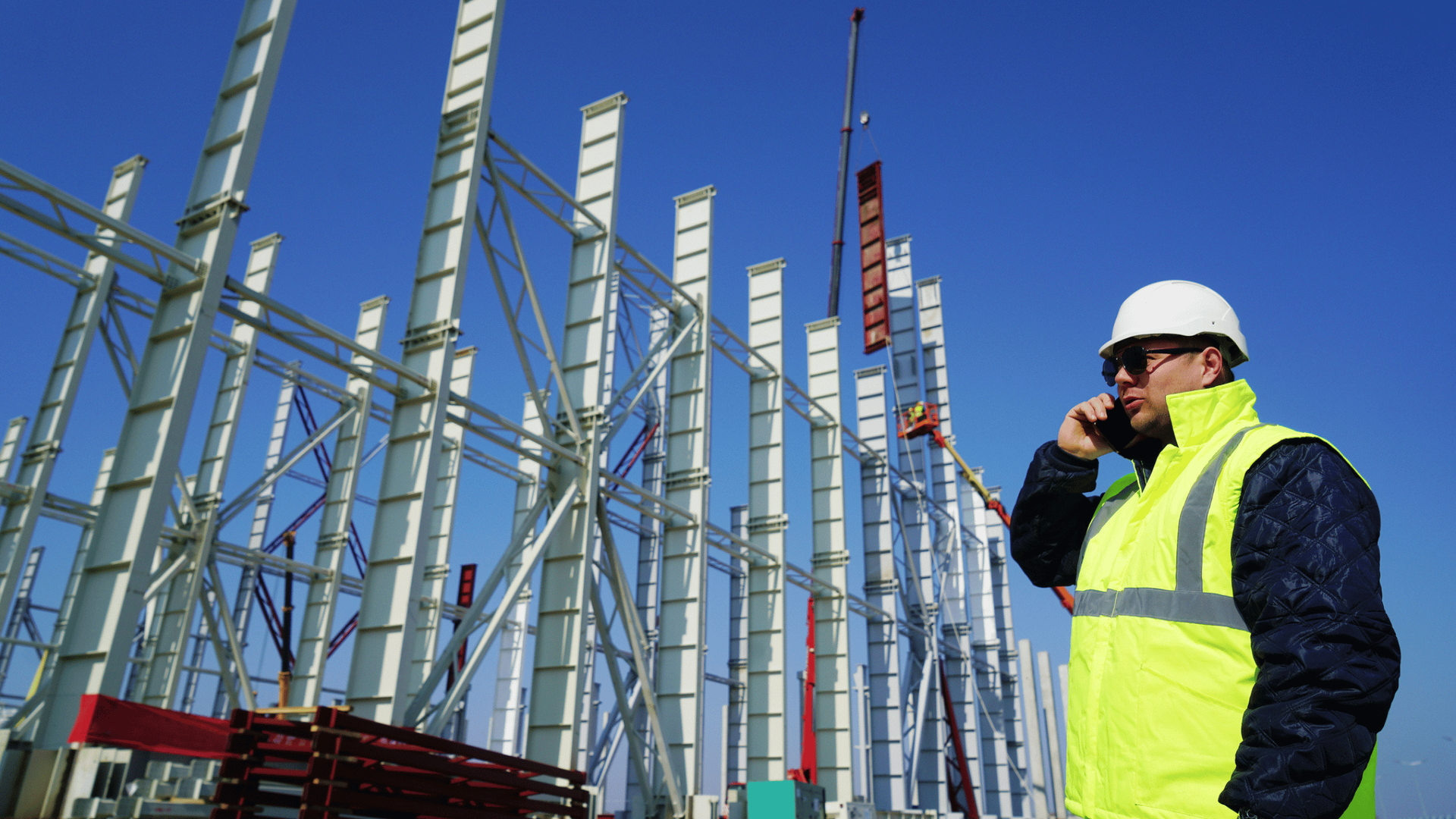
EPC Contractors

Constructible, clearly scoped engineering packages that reduce change orders and align tightly with EPC schedules.

Industrial Facilities

Dedicated substations for refineries, manufacturing plants, mining, steel, and other energy-intensive operations.
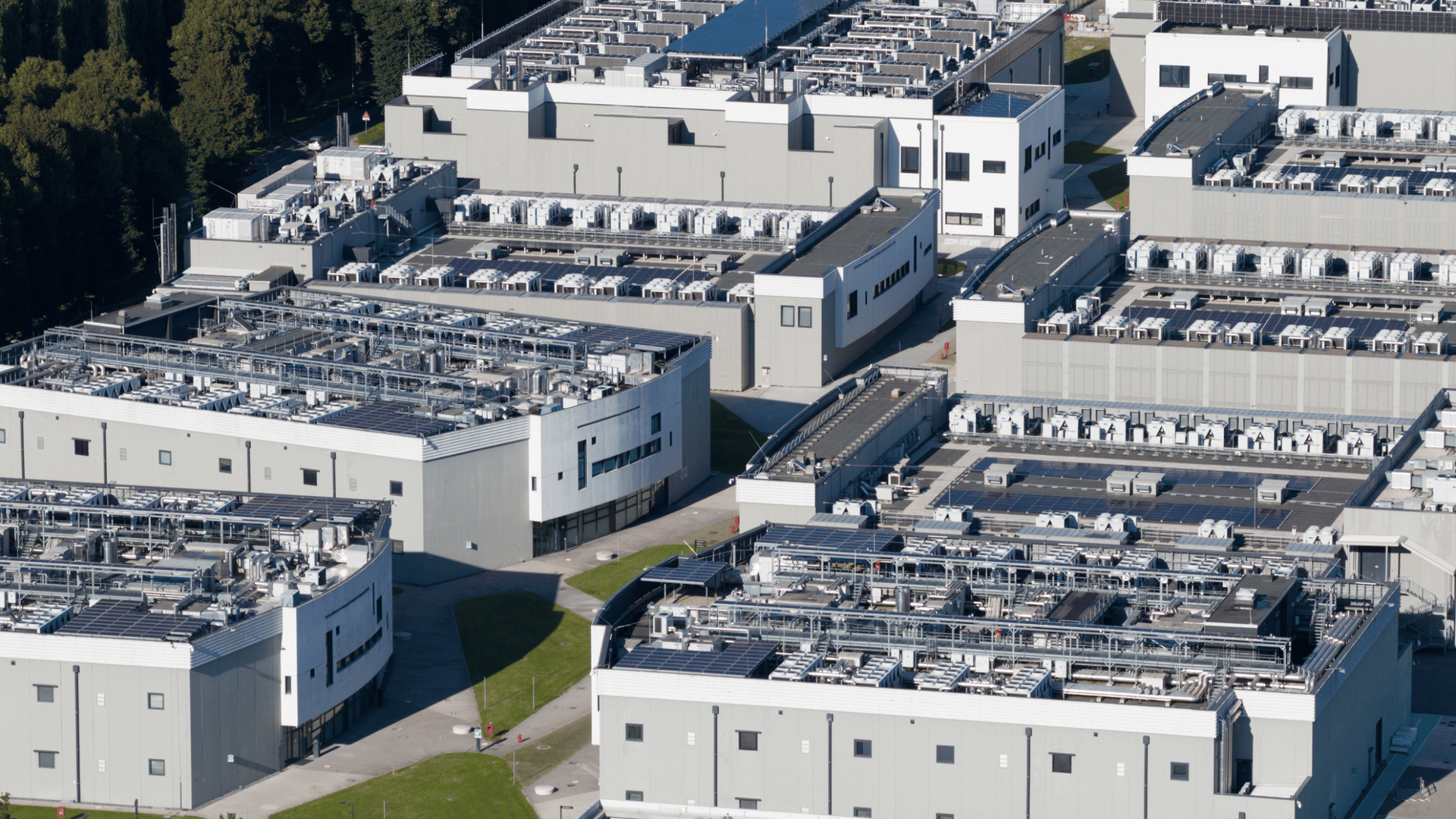
Data Centers & Campuses

High-availability substation designs for campus-style loads, Tier-certified data centers, and mission-critical facilities.

Delivery track record

Keentel Engineering Recent Projects (Case studies)

Representative substation projects across transmission, renewable, GIS, BESS, and industrial applications — paired with brief case studies that show how our engineering approach performs under real-world constraints.

Substation Design Projects

A quick view of recent scopes by voltage, configuration, and engineering role.
Recent scopes
On smaller screens, swipe horizontally to see all projects.
Transmission Expansion
Voltage
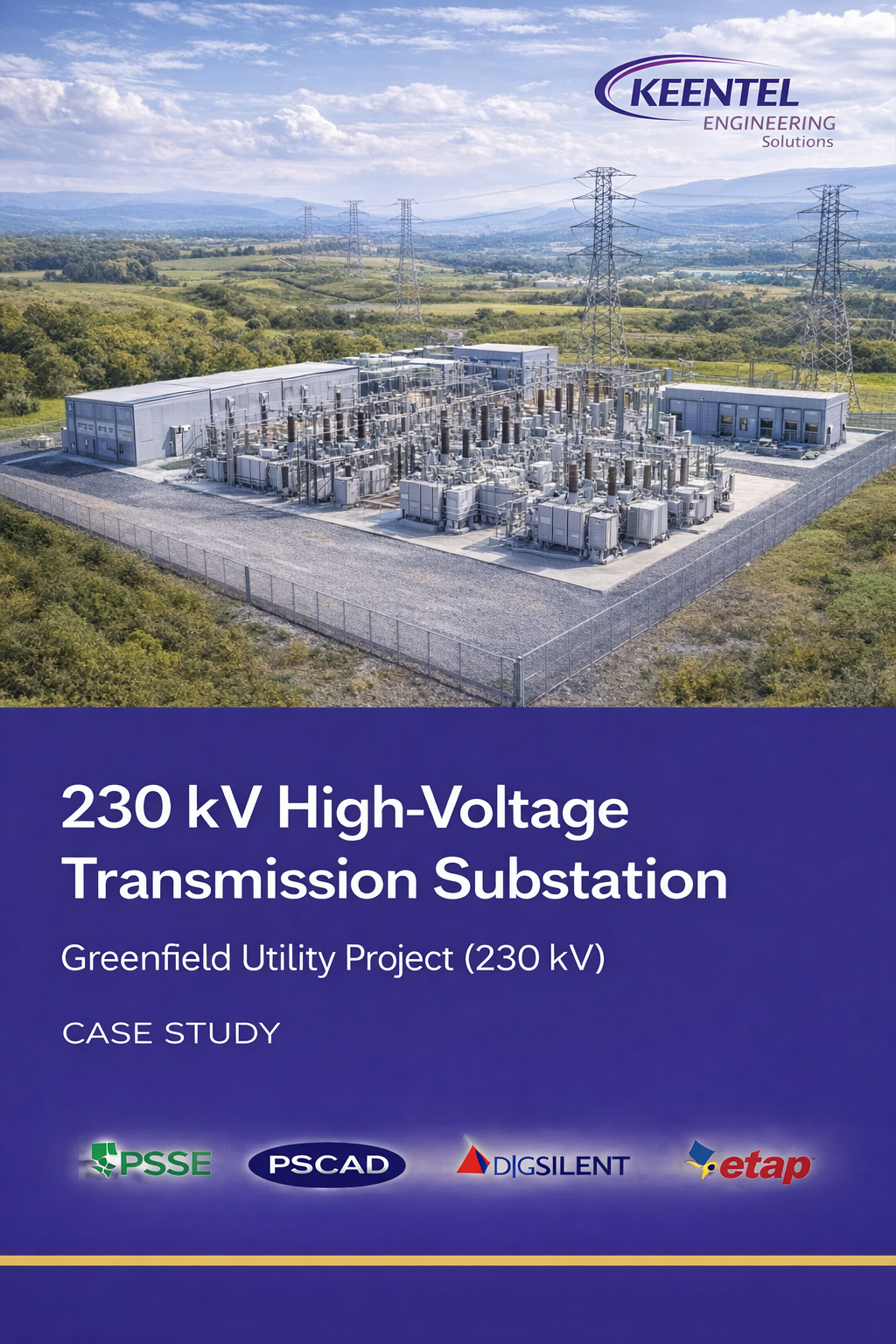
230 kV
Scope
Electrical, P&C, Civil
Notes
Utility-accepted design package
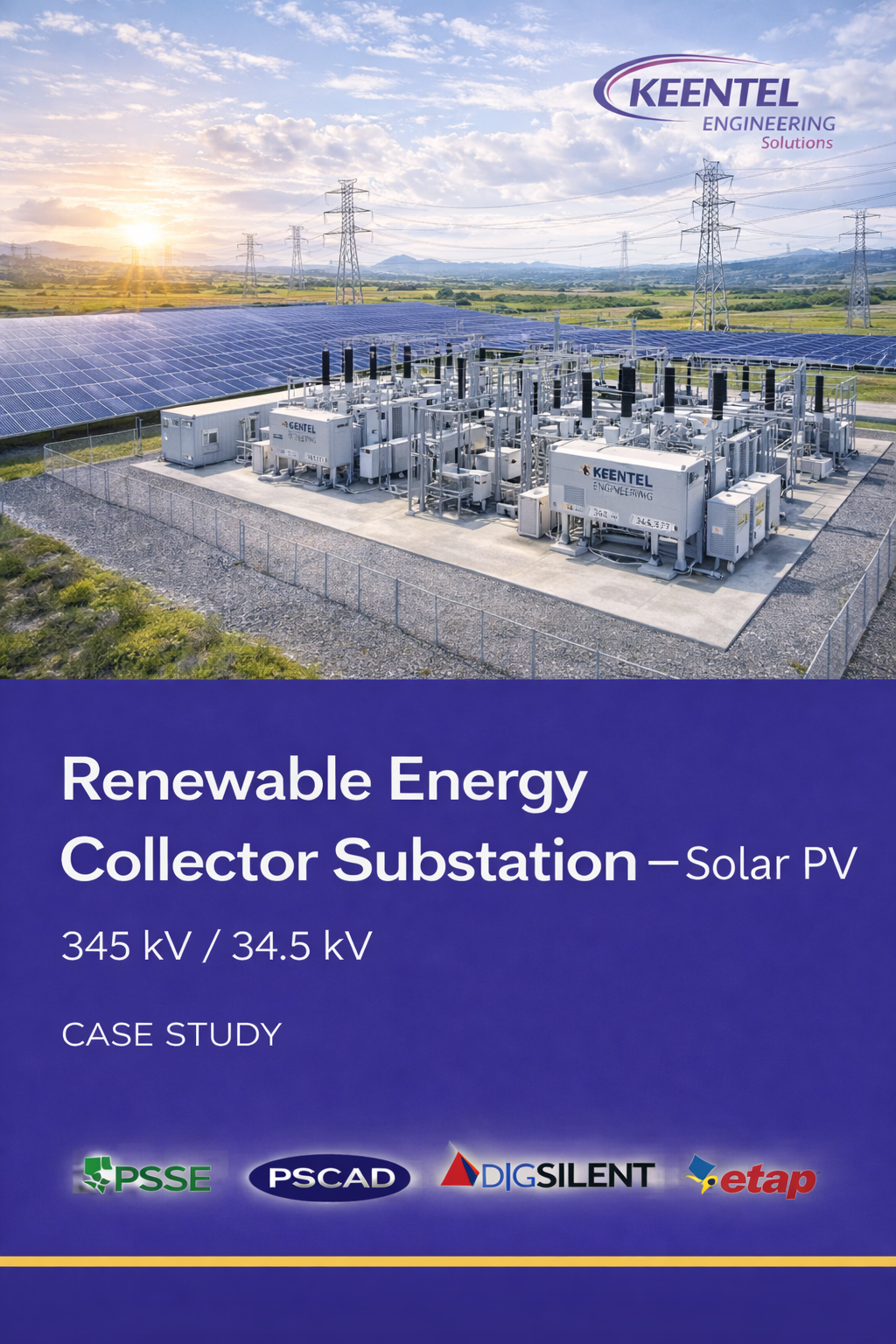
Solar Collector Substation
Voltage
138 kV
Scope
Full design & integration
Notes
IBR harmonization included
GIS Retrofit
Voltage
115 kV
Scope
P&C, telecom upgrade
Notes
Space-constrained urban site
BESS Integration
Voltage
69 kV
Scope
Control, protection, telecom
Notes
PRC & MOD compliant
Industrial Substation
Voltage
34.5 kV
Scope
Greenfield
Notes
Transformer & relay modernization

Case Studies

Three brief examples that show how our designs perform across wind, GIS, and BESS projects.

345 kV Wind-Farm Interconnection Substation

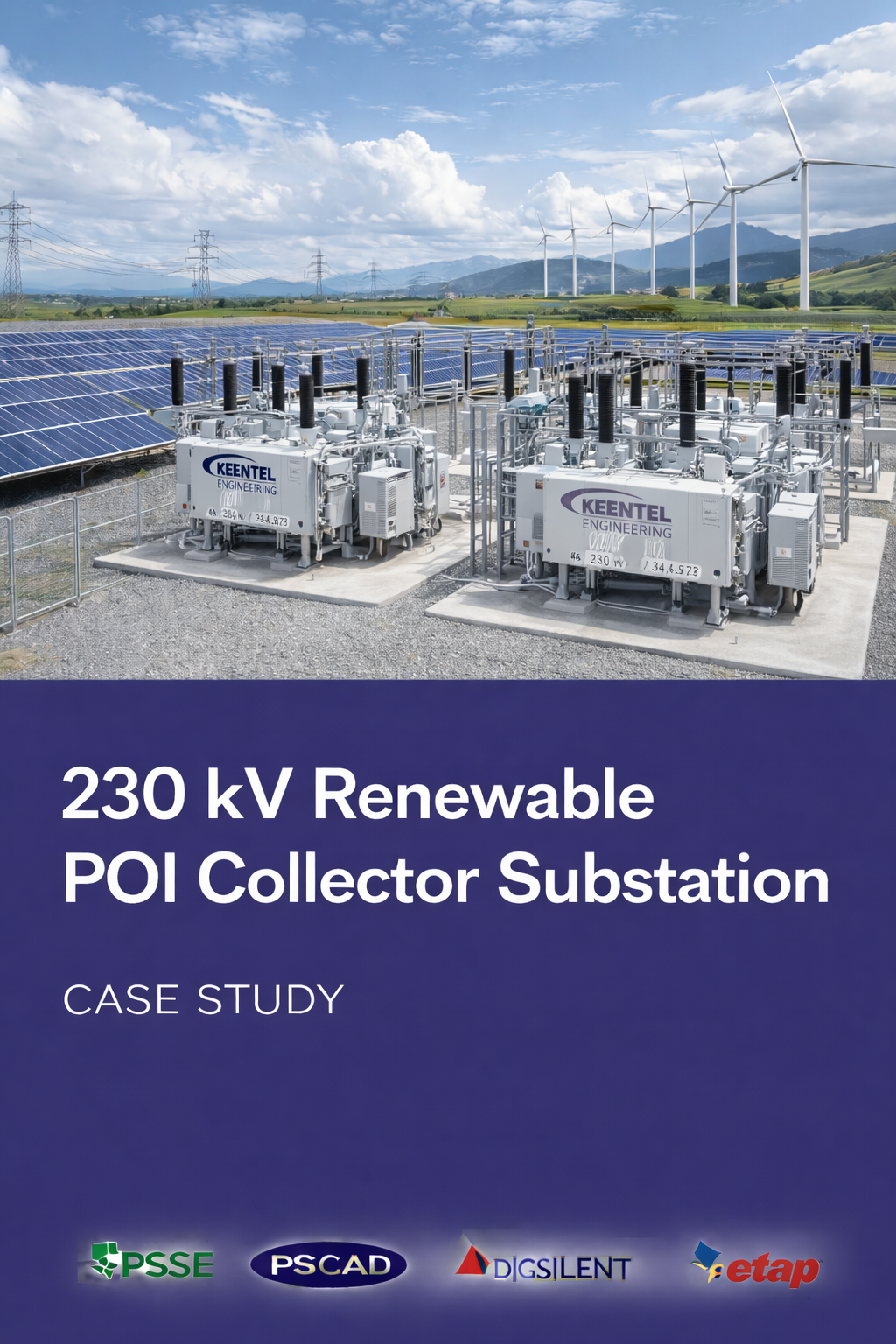
Challenge: A 400 MW wind project required a 345/138 kV interconnection substation delivered on an aggressive utility timeline.

Solution: High-voltage layout development, IEEE 80 grounding, protection coordination, and SCADA/RTU integration as part of a complete high-voltage substation design scope.

Result: 150+ IFC drawings delivered, utility comments cleared in a single review cycle, and energization completed with zero safety observations.

230 kV GIS Substation Expansion

Challenge: A dense urban 230 kV GIS station needed expansion with no unplanned outages or degradation of feeder reliability.

Solution: Engineering of new GIS feeder bays, modernized digital protection, and coordinated structural and duct-bank modifications using 3D modeling.

Result: Expansion completed with zero unplanned outages; the upgraded protection scheme reduced mis-operation risk across the feeder group.

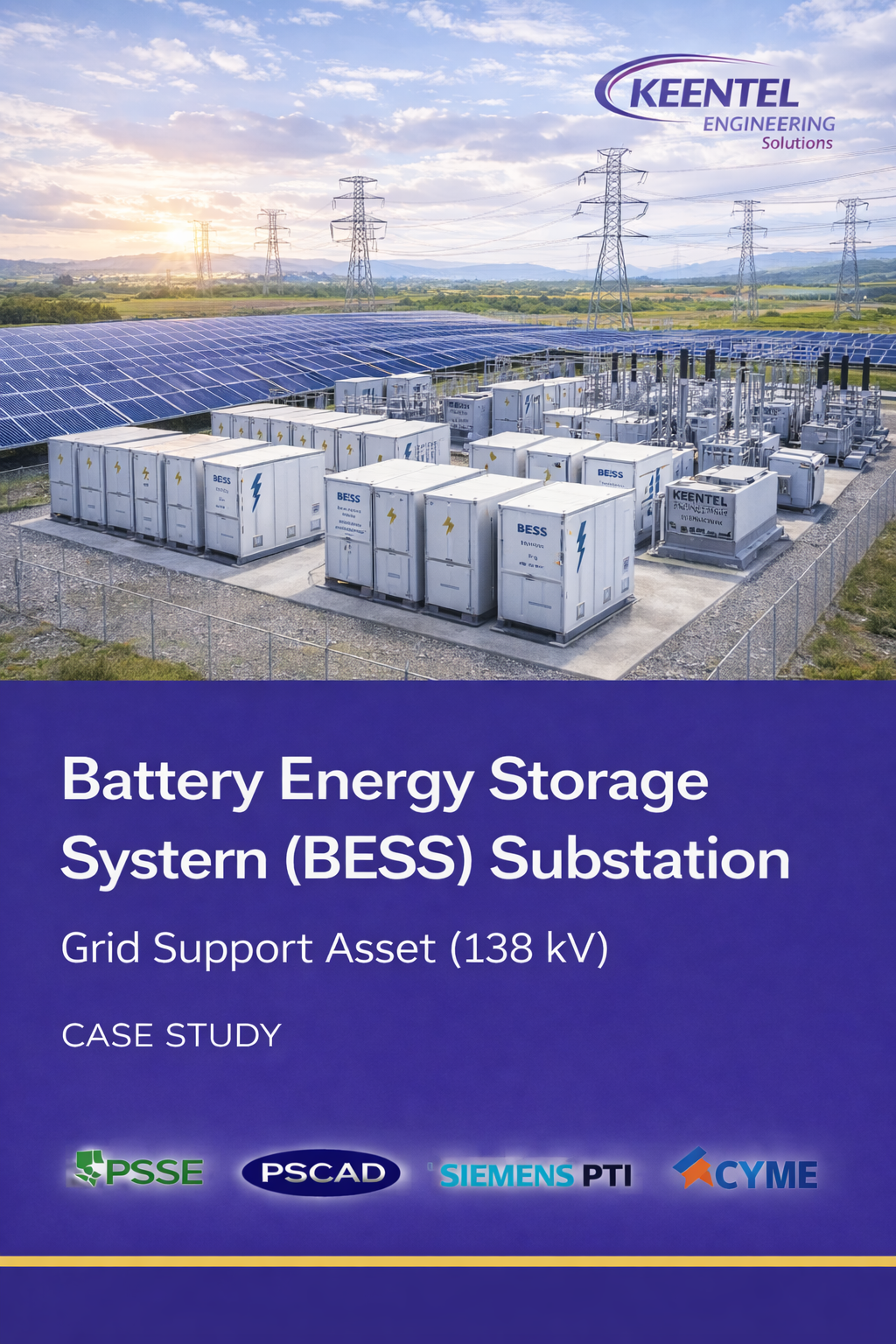
115 / 34.5 kV BESS Collector Substation

Challenge: A 100 MW / 400 MWh battery project required a collector substation capable of handling high-frequency transients and future load growth.

Solution: EPC-grade designs, transformer specifications, advanced protection settings, and EMT, harmonic, and short-circuit studies for the BESS connection.

Result: All interconnection criteria were met on first submission, and the station was commissioned ahead of schedule.

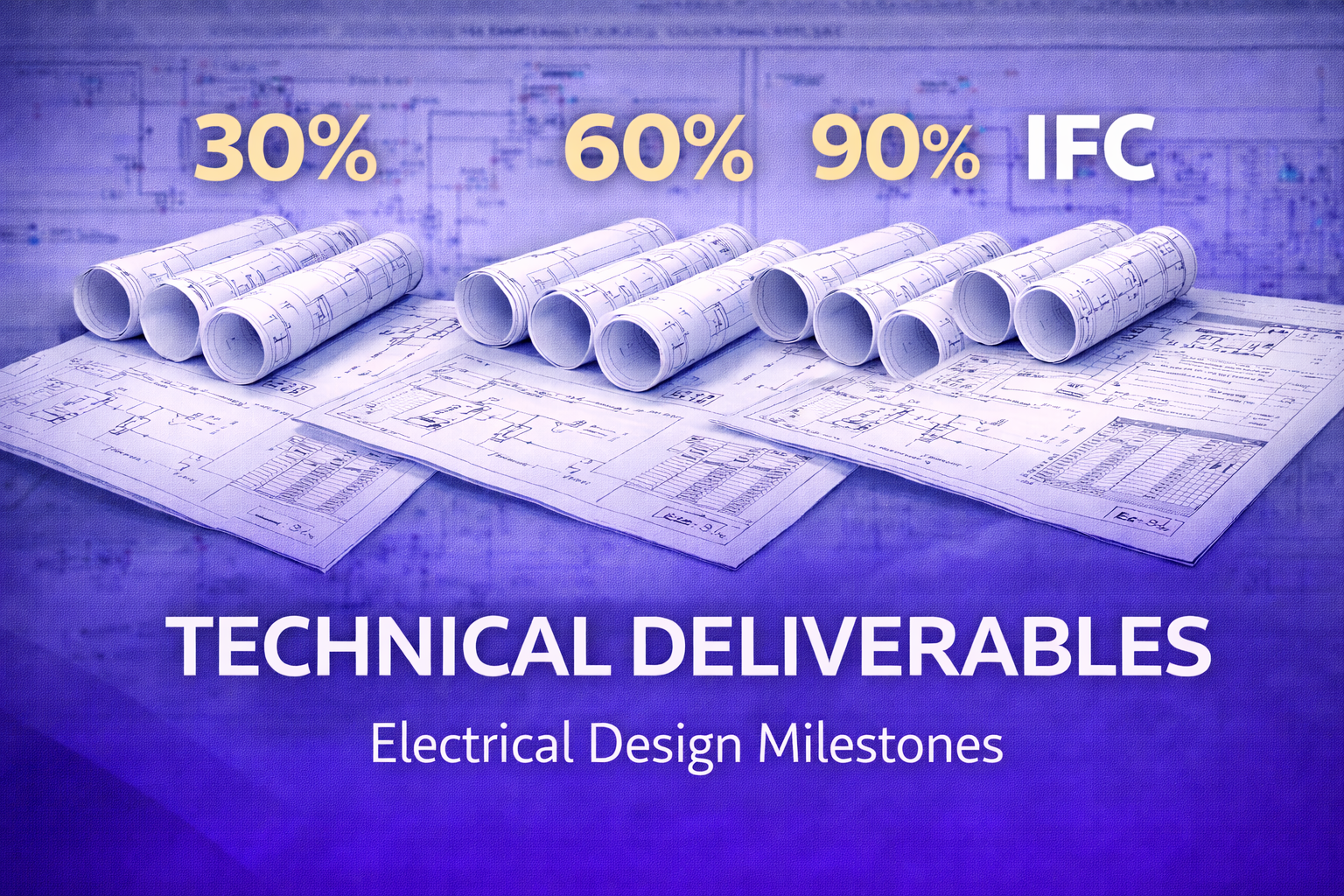
Technical Deliverables

Every project includes a complete and coordinated set of drawings, studies, and documentation engineered to meet utility, NERC, IEEE, and project-specific requirements.
Drawings & Diagrams

  • One-lines & three-lines
  • Protection schemes
  • Wiring diagrams
  • Control building layouts
  • Duct bank & trench plans
  • Ground grid drawings
  • General arrangement layouts
  • Steel structure drawings

Studies & Calculations

  • Load flow
  • Fault current
  • Breaker duty
  • Arc-flash
  • Grounding
  • Insulation coordination
  • Harmonic studies

Documentation

  • Bill of Materials
  • Construction specifications
  • Relay settings files
  • Sequence of operations
  • Testing & commissioning procedures

Compliance & Standards

Our substation engineering is fully aligned with national, regional, and utility-specific compliance requirements to ensure smooth approvals, safe operation, and audit-ready documentation.

IEEE

Designs follow IEEE standards for equipment ratings, grounding, protection, and electrical safety.
NEC / NESC

Compliance with electrical code and safety standards governing clearances, grounding, and work practices.

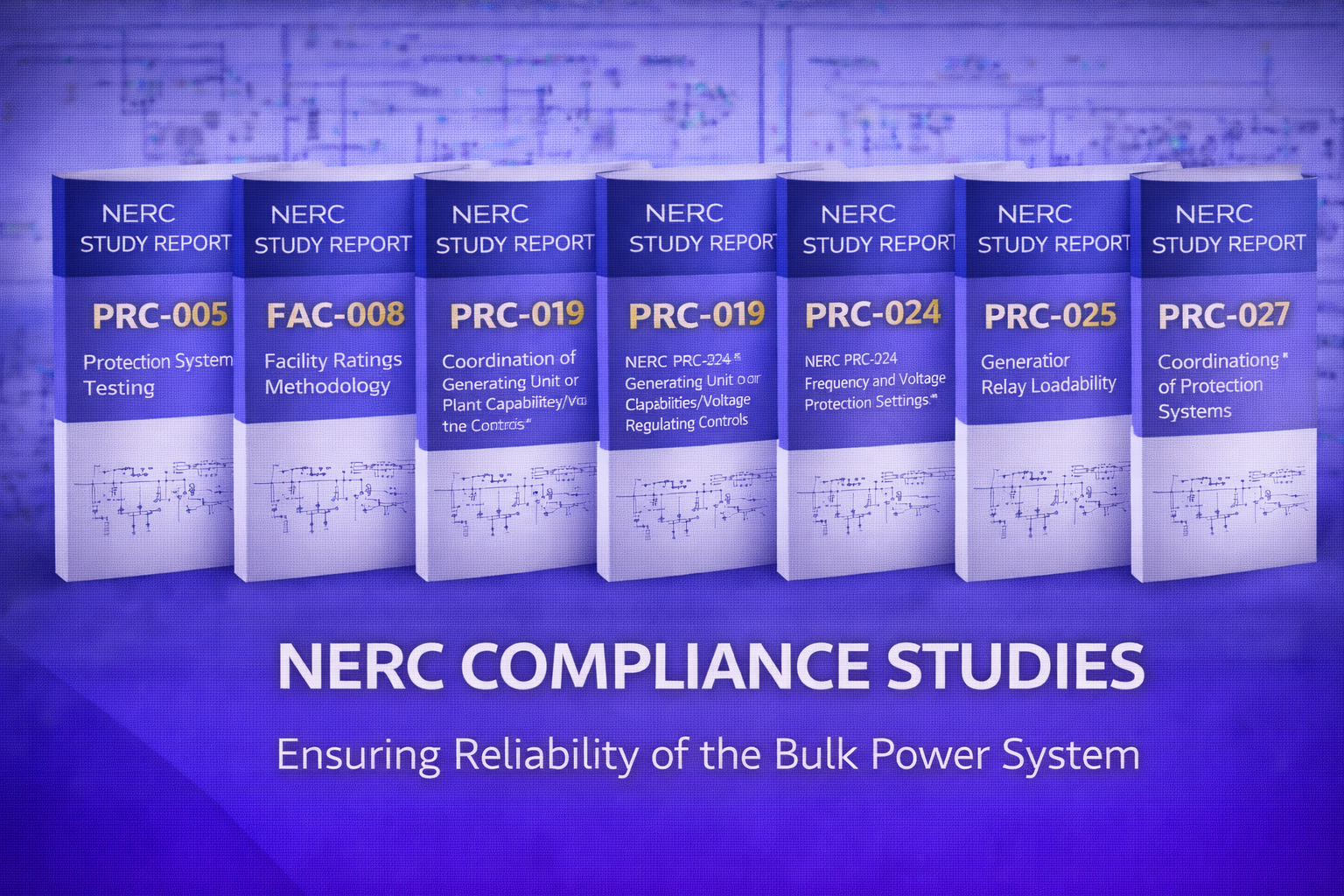
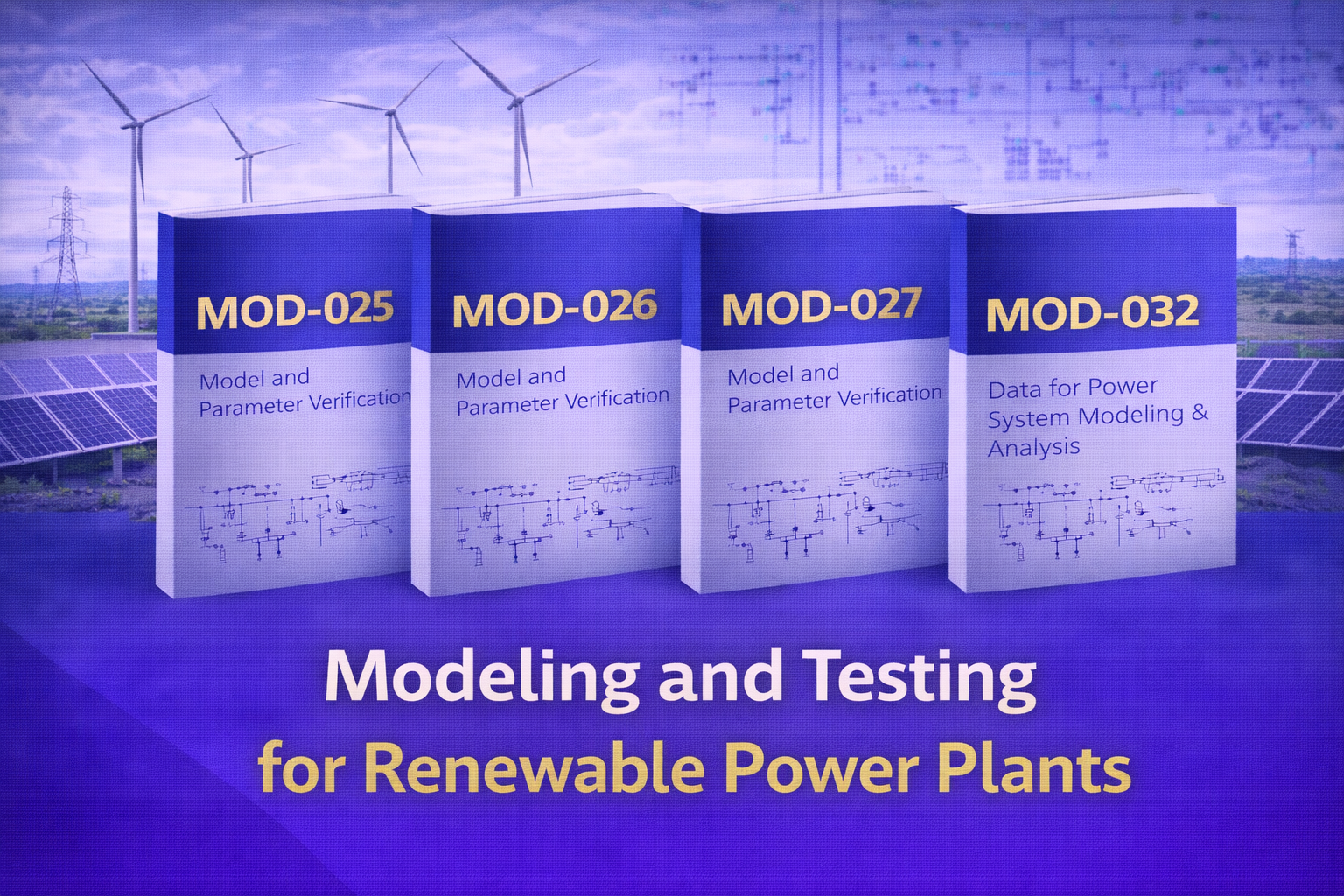
NERC MOD / PRC / FAC

Model validation, protection coordination, and facility ratings requirements integrated into every project.

Utility Standards

Substation layouts, drawings, and specifications tailored to each utility’s preferred methods and review formats.
FERC & ISO/RTO Rules

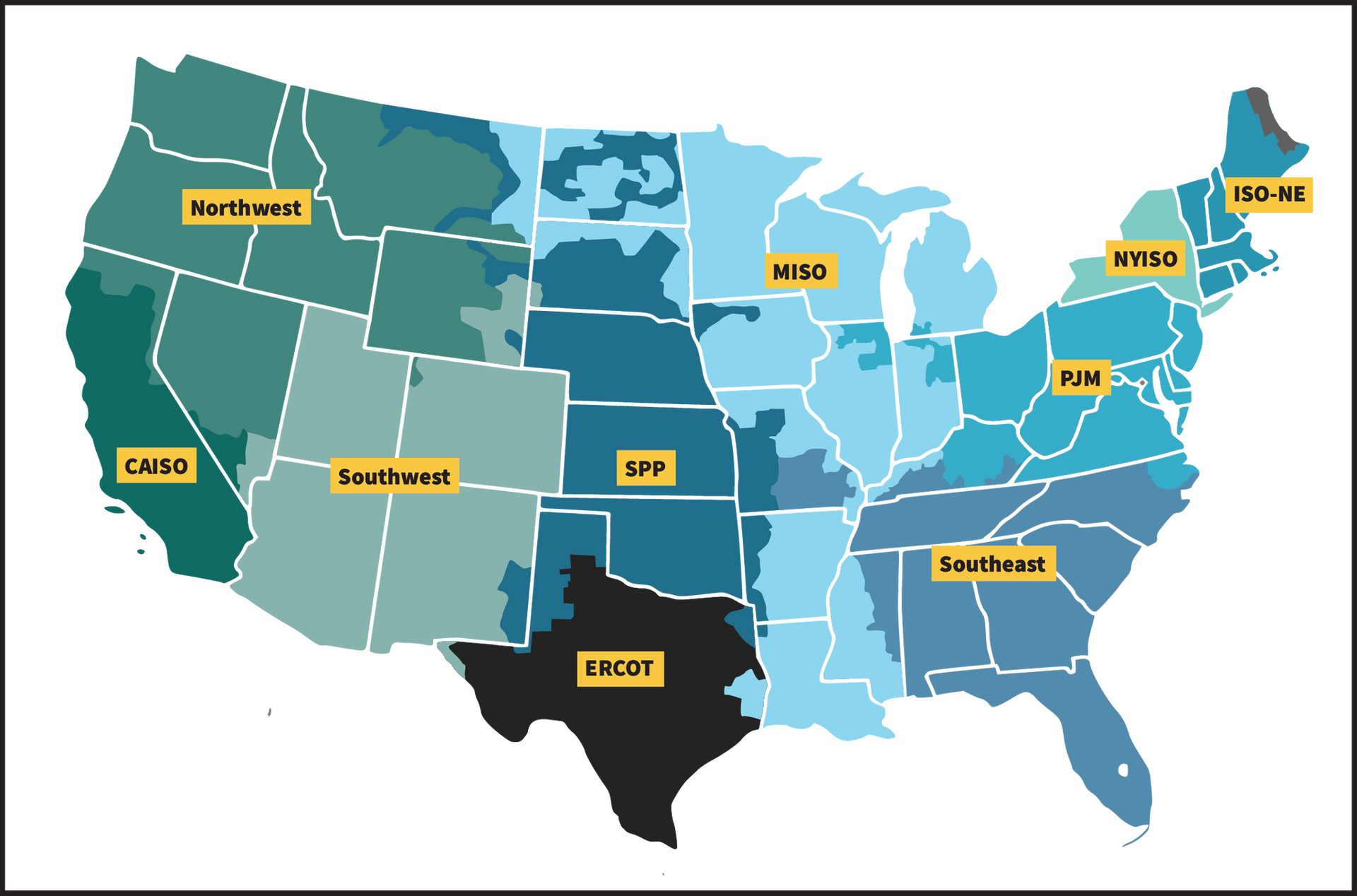
Engineering aligned with regional transmission operator requirements across PJM, MISO, CAISO, ERCOT, and more.

IEC 61850

GOOSE messaging, substation automation, and digital communication architecture built to IEC standards.

Renewable substations

Substation Design for Renewable Projects

We deliver high-performance renewable substation engineering built for fast-changing inverter technologies, variable generation, and modern grid requirements.

Solar Collector Systems

Substation layouts, grounding, power flow, and protection tailored for high-density solar arrays.

Wind Collector Substations

Engineered to handle variable wind generation, changing dispatch, and remote collection circuits.

BESS + HV Integration

Full-scope substation design for hybrid resources, standalone batteries, and high-speed response systems.

Inverter–Transformer Coordination

Correct matching of inverter output, transformer MVA, impedance, and protection for reliable performance.

IBR Ride-Through Requirements

Design aligned with PRC, MOD, and evolving IBR interconnection and grid-support requirements.

Harmonics & Flicker Mitigation

Analysis and design that ensure stable power quality on weak and constrained grids.

Low-Short-Circuit Grid Support

Fault-level support strategies for weak-grid renewables, including advanced IBR behavior modeling.

Our renewable-focused substation engineering aligns with the latest inverter-based resource standards, modeling practices, and NERC Level 3 IBR compliance expectations—helping utilities and developers streamline approvals and reduce technical risk.

Reference

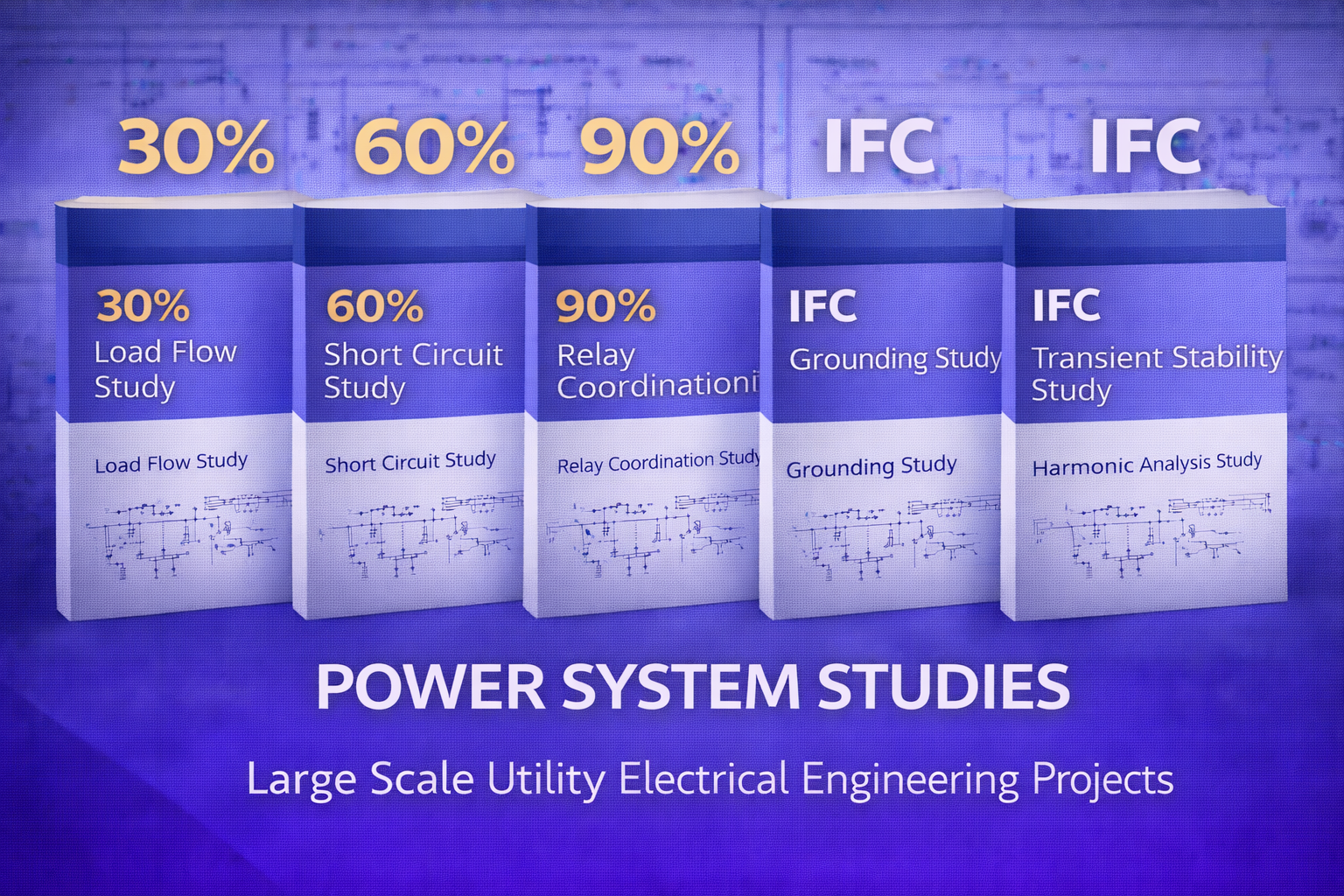
Frequently Included Studies

Most substation and grid-interconnection projects require a core set of power system studies. The matrix below summarizes why each analysis is performed and where it is typically required.

Study Purpose Required For
LF
Load Flow
Validate system capacity and identify thermal or voltage constraints under different operating scenarios. Utilities, developers, and large-load customers.
SC
Short Circuit
Confirm breaker duties, interrupting ratings, and proper protection coordination. All substations and major equipment additions.
AF
Arc-Flash
Quantify incident energy, label equipment, and define safe working boundaries. Personnel safety (OSHA, NFPA 70E, utility safety programs).
GR
Grounding
Verify touch/step voltages and overall ground grid performance. IEEE 80 compliance and utility engineering requirements.
HM
Harmonics
Assess harmonic distortion and flicker from inverter-based resources or nonlinear loads. Solar, wind, BESS and other IBR-heavy projects.
IC
Insulation Coordination
Select BIL levels and surge protection so equipment withstands lightning and switching events. High-voltage systems and transmission-class substations.

To explore each analysis in more depth, visit our detailed overview of power system studies covering modeling, protection, grounding, and grid performance analysis.

Pricing & Timeline Overview

Project cost and schedule depend on technical scope, utility requirements, and site complexity. Below is a high-level summary of factors that typically influence budgets and timelines.

Cost Drivers

  • Voltage level and bus configuration
  • Greenfield vs brownfield complexity
  • Required engineering studies and modeling
  • Utility documentation & review standards
  • Construction & commissioning support scope

Timeline Factors

  • Utility and ISO review cycles
  • Permitting & environmental milestones
  • Stakeholder design iterations & approvals
  • Equipment procurement lead times

Download our Substation Design Services flyer

Please click the Download button to get our Substation Design Services flyer

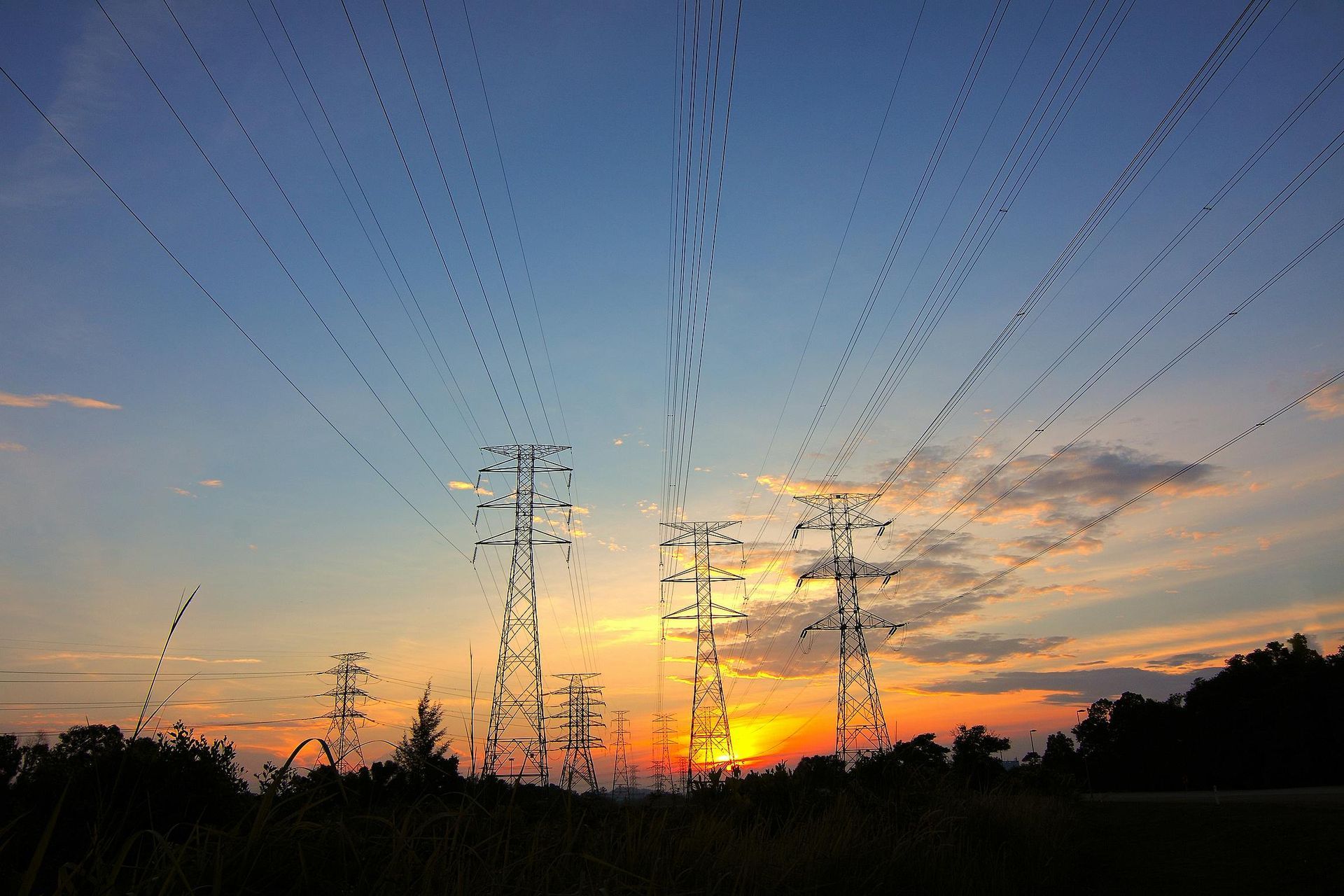
Sunset over power lines and towers, silhouetted against a colorful sky.

We Go Above and Beyond

We stay current on the latest utility and smart grid standards. Our engineers design substations that are built for future expansion, automation, and integration with digital relays, smart SCADA, and real-time monitoring systems.

We don’t just meet specs — we shape systems that align with your long-term grid strategy.

For more information or service assistance, call us on 813-389-7871.

Frequently Asked Questions

  • What is a substation services, and why is it important in power systems?

    A substation is a critical facility in the electrical power system where voltage levels are transformed, power is switched, or distributed to ensure efficient and safe delivery of electricity from generation sources to end-users.

  • What does a substation designer do?

    A substation designer works with engineers to create the drawings and documents needed to build or upgrade a substation. They prepare detailed design packages, including layout plans, equipment placement, wiring diagrams, material lists, and cable schedules for transmission or distribution substations.

  • What are the different types of substations?

    • Transmission Substations: Step up or step down voltage levels for long-distance transmission.
    • Distribution Substations: Deliver power to end-users at lower voltage levels.
    • Switching Substations: Perform switching operations without voltage transformation.
    • Collector Substations: Aggregate power from renewable sources like wind or solar farms.
  • What are the key components of a substation?

    • Transformers

    • Circuit Breakers

    • Disconnect Switches

    • Busbars

    • Protection Relays

    • Lightning Arresters

    • Control and SCADA systems

  • What are the primary considerations when designing a substation?

    Key considerations include site location, voltage levels, fault levels, load capacity, safety, environmental impact, and compliance with standards like IEEE and IEC.

  • What is the difference between AIS (Air Insulated Substation) and GIS (Gas Insulated Substation)?

    AIS uses air as an insulating medium, requiring more space but is cost-effective. GIS uses gas (e.g., SF6) for insulation, allowing compact designs but at a higher cost.

  • How do you determine the layout of a substation?

    The layout depends on factors like available space, voltage levels, type of substation, reliability requirements, and operational flexibility. Single-line diagrams are used to plan layouts.

  • What standards are followed in substation design?

    • IEEE Standards (e.g., IEEE 80 for grounding)
    • IEC Standards (e.g., IEC 61850 for communication protocols)
    • Local utility or national grid requirements.
  • How is the substation voltage level determined?

    Voltage levels are based on system requirements, load demands, and distance of power transmission. Common levels include 132kV, 230kV, and 500kV.

  • What are the considerations for grounding in a substation?

    A robust grounding system ensures personnel safety, equipment protection, and reliable operation. Design includes calculating ground grid resistance and step-and-touch voltage limits.

  • How do you calculate the short-circuit current for substation design?

    Short-circuit studies are conducted using software like ETAP or PSSE. Inputs include system impedance, transformer ratings, and network configuration.

  • What is substation protection and control (P&C)?

    P&C involves monitoring and safeguarding substation equipment from faults using relays, circuit breakers, and SCADA systems.

  • What are common protection schemes in substations?

    • Differential protection for transformers.
    • Overcurrent and distance protection for transmission lines.
    • Busbar protection schemes.
  • How do you choose protection relays for a substation?

    Relay selection is based on fault type, system voltage, current levels, and required protection schemes. Common brands include SEL, GE, and ABB.

  • What is the role of SCADA in substation design?

    SCADA (Supervisory Control and Data Acquisition) enables remote monitoring and control of substation equipment, improving reliability and response times.

  • What is the typical timeline for constructing a substation?

    Timelines vary based on size and complexity, ranging from 12 to 36 months, including design, procurement, construction, and commissioning phases.

  • What are the key steps in commissioning a substation?

    • Visual inspection and equipment checks.
    • Functional testing of relays and breakers.
    • Energization and performance verification.
  • What safety precautions are taken during substation construction?

    Safety measures include PPE, proper grounding, arc flash studies, and adherence to OSHA or local safety regulations.

  • How is a substation monitored and maintained?

    Substations are monitored using SCADA and regularly maintained through inspections, testing, and condition-based maintenance programs.

  • What is the importance of periodic testing in substations?

    Periodic testing ensures the reliability and longevity of equipment, identifies potential failures, and ensures compliance with standards.

  • What is the role of thermal imaging in substation maintenance?

    Thermal imaging detects hotspots in equipment like transformers and breakers, preventing failures and unplanned outages.

  • What is a digital substation?

    A digital substation uses IEC 61850-based communication, replacing conventional copper wiring with fiber optics for enhanced reliability and scalability.

  • How are renewable energy sources integrated into substation designs?

    Renewable sources are connected via collector systems to step-up transformers and integrated into the grid while managing power variability.

  • Where can I find companies specializing in electric substation protection and control engineering?estion

      Keentel Engineering serves this exact need—our protection & control engineers handle relay coordination, SCADA/RTU configuration, and control building integration for utility-grade substations.

Blog and Updates

Electrical substation with high-voltage equipment, wires, and insulators against a blue sky.
By SANDIP R PATEL November 26, 2025
Learn how to stay compliant with NERC PRC-004-6 and MIDAS reporting. Keentel Engineering provides misoperation analysis, CAP support, and audit-ready documentation.
ISO-NE DDMS Guide
By SANDIP R PATEL November 26, 2025
Technical guide to ISO-NE’s DDMS for power system engineers — model submissions, file formats (RAW/DYR), certification workflow, and annual recertification for MOD-032, MOD-026, MOD-027.
Learn how PRC-004-6 misoperations and MIDAS reporting work.
By SANDIP R PATEL November 15, 2025
Learn how PRC-004-6 misoperations and MIDAS reporting work. A complete NERC compliance guide from Keentel Engineering for utilities and power entities.
Solar panels field and power plant with smokestacks on a cloudy day.
By SANDIP R PATEL October 30, 2025
Learn how Generator and Transmission Owners meet PJM MOD-032 data submission requirements using Gen Model, Model on Demand, and ASPEN tools for NERC compliance.
An aerial view of a large battery storage facility with numerous white shipping container-like units. Wind turbines in background.
By SANDIP R PATEL October 27, 2025
Learn how utility-scale BESS meet IEEE 2800 voltage and frequency ride-through requirements with simulation, validation, and compliance reporting.
Diagram of a redundant power distribution system with utility, UPS, and critical/non-critical loads.
By SANDIP R PATEL October 19, 2025
Explore NERC’s 2025 review on simultaneous voltage-sensitive load reductions amid industrial electrification, data center growth, and crypto mining.
Diagram showing frequency monitoring and point of interconnection with a Tesla 400E box.
By SANDIP R PATEL October 16, 2025
Discover how the TESLA 4000 IED enables precise frequency monitoring at the Point of Interconnection for reliable, compliant grid operations.
Electrical diagram showing power distribution with utilities, switchgear, generators, and UPS systems.
By SANDIP R PATEL October 10, 2025
Discover how data centers, crypto, and EV hubs impact grid stability—and how Keentel Engineering mitigates emerging load risks.
An industrial power plant with multiple smokestacks at sunset.
By SANDIP R PATEL October 10, 2025
Learn how Keentel Engineering enhances industrial reliability and safety through power system analysis — including short-circuit, coordination, load-flow, stability, and grounding studies. Discover why these analyses are essential for optimized power performance.
Diagram of an EAF process model, showing data flow for process simulation, including energy distribution and heat transfer.
By SANDIP R PATEL October 2, 2025
Explore PSCAD modeling of Electric Arc Furnaces. Learn challenges, solutions, and validation methods for accurate power system and grid studies.
Electrical schematic diagram labeled PS CAD, depicting power system components with connections.
By SANDIP R PATEL September 30, 2025
Learn about ferroresonance in power systems—causes, risks, and PSCAD simulations. Keentel Engineering provides studies and mitigation strategies.
Power lines silhouetted against a dusk sky, connected by glowing digital network lines.
By SANDIP R PATEL September 25, 2025
Discover how IEEE PES TR 126 modernizes power system design practices. Keentel Engineering explains reliability, resilience, and NERC compliance for future-ready grids.