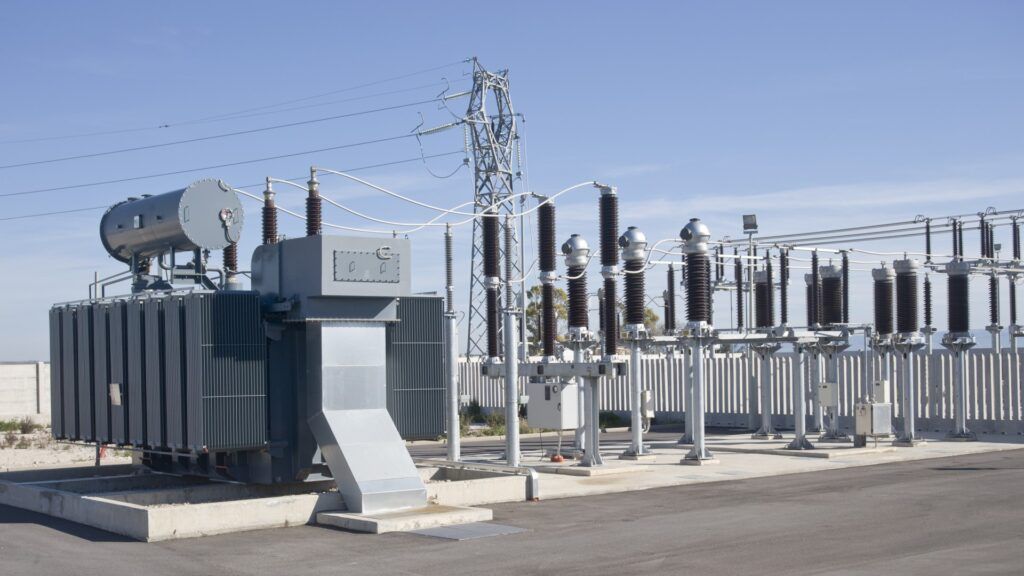
Technical Specifications
Specifications and datasheets are written to the project's real requirements rather than a vendor's standard offering, with equipment needs and strategic spares defined before production is locked.

Comprehensive owner's engineer services for utility-scale power and renewable energy projects across the U.S. — solar, wind, BESS, substations and transmission — protecting performance, safety, compliance and cost from concept to commissioning.
Your Trusted Partner in Electrical Engineering and Power Systems
At Keentel Engineering, we deliver electrical power engineering services built on 30 years of experience and a commitment to excellence. Our clients include utilities, developers, EPCs, and public agencies across the U.S.
Unlike firms that sacrifice technical depth to chase billable hours, we prioritize precision, compliance, and value engineering. From transmission services and relay modeling to winterization and SCADA planning, we never compromise on quality.
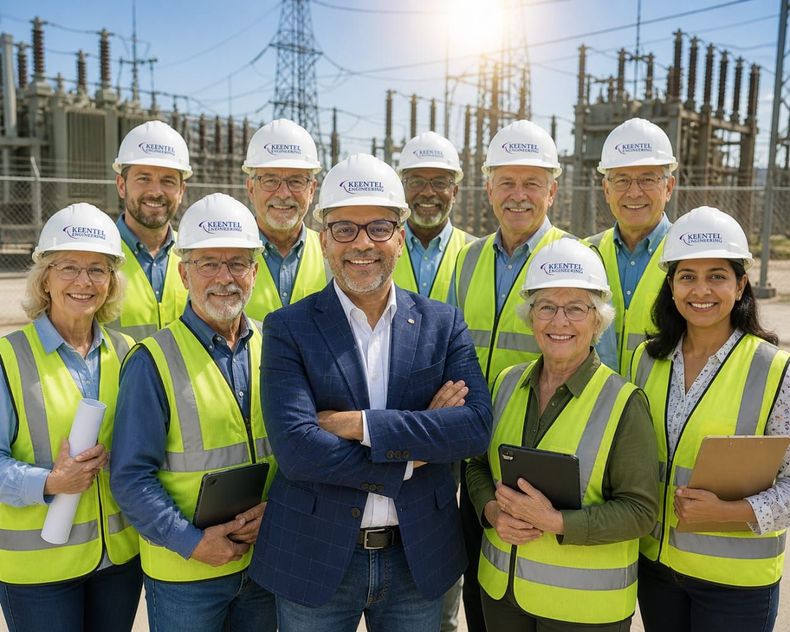
At Keentel Engineering, we take pride in being the go-to electrical power engineering firm for power and utility system planning, substation design, protection, control, and power system analysis. The following attributes distinguish our team in utility-grade substation engineering and compliance-driven project delivery.
With three decades of hands-on project delivery, we bring unmatched expertise in substation layout design, substation electrical and civil engineering, relay protection, and grid-tie solutions. Our experience includes projects in complex terrain, urban retrofit environments, and utility-scale renewable integrations.
Our engineering process applies AutoCAD 3D, BIM modeling, and system-level substation design practices to ensure accurate planning, reduced errors, and efficient coordination across all project stakeholders.
Our workflow includes 3D substation design, enabling clash-free coordination between structural, electrical, and civil disciplines.
From grounding grid studies to relay protection settings, we engineer every detail to improve system reliability, performance, and operational safety. Our rigorous QA/QC process ensures compliance with IEEE, NFPA, and ISO/TSO interconnection standards.
Among leading electrical substation design companies, Keentel Engineering stands out for 30+ years of proven high-voltage and utility-grade project delivery.




First name, email and what you're interested in are all we need to get moving. Everything else, including drawings or an RFP, is optional.
Keentel acts as the owner's independent electrical engineering expert across the project lifecycle — from development and technical requirements through design review, procurement, construction, commissioning and closeout.

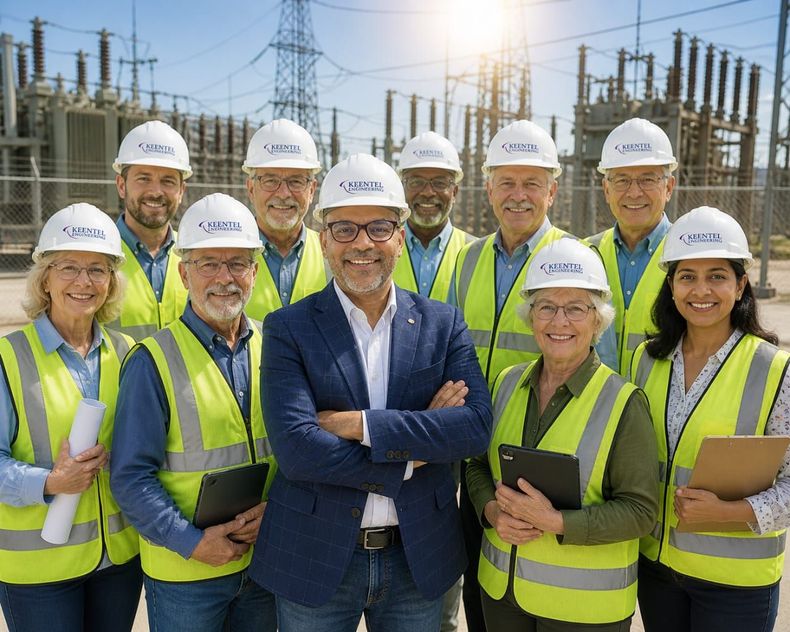
Keentel supports the owner across the full project lifecycle, from development and feasibility through commissioning, performance testing, completion and warranty closeout. Each phase is tied to a defined technical scope and a named deliverable.
Our work includes feasibility and technical risk review, interconnection support, owner's technical requirements, EPC RFP and bid evaluation, contract technical exhibits, design review, procurement and factory acceptance testing, construction monitoring, commissioning and guarantee verification.
We read the contract first, track review comments through disposition and closure, and can enter an engagement mid-project by baselining the current design and field condition against the agreement before offering an engineering recommendation.
And what you get at the end of each one — because an owner's engineer without named deliverables is just an opinion on a call.
| Phase | What We Do | What You Receive | Owner-Side Focus |
|---|---|---|---|
| 01 | Development & feasibility
Site and layout feasibility, electrical configuration options, performance assumption review, constructability risk and independent review of the cost estimate. |
Feasibility report, technical risk register and conceptual one-line. | Find technical and constructability risk while options are still open. |
| 02 | Permitting & interconnection support
Interconnection requirement validation, compliance roadmap against NEC, IEEE, NESC and NERC, and technical exhibits for agencies and the transmission provider. |
Compliance matrix, permit technical exhibits and interconnection requirement register. | Keep permitting, utility and grid requirements visible in the design. |
| 03 | Owner's requirements
Technical specifications, performance criteria, equipment selection guidance and interface definition, written to what you want to own, not to what is easiest to build. |
Owner's technical specification, equipment datasheets and interface schedule. | Define the asset and performance requirements before procurement. |
| 04 | EPC RFP & bid evaluation
Technical volume of the RFP, technical bid comparison on a like-for-like basis, and contractor capability and exclusions assessment. |
RFP technical volume, bid tabulation and technical scoring memo. | Surface exclusions and technical differences before award. |
| 05 | Contract support
Technical exhibit drafting, risk allocation review, guarantee and test protocol language, and measurement boundary definition. |
Redlined technical exhibits and performance test protocols. | Put technical obligations, guarantees and boundaries into the agreement. |
| 06 | Design review
One-lines, three-lines, protection and control, relay setting philosophy, grounding, DC and AC collection, SCADA topology, and civil and structural interface. |
Design review comment log, compliance verification report and review disposition record. | Identify deviations before they become procurement or field changes. |
| 07 | Procurement & FAT
Specification verification against quotations, submittal review, factory acceptance test witnessing and QA surveillance at the factory. |
FAT witness reports, deviation lists and release-for-shipment concurrence. | Resolve equipment deviations before shipment. |
| 08 | Construction monitoring
Field inspection and installation QA, technical evaluation of change orders and RFIs, and verification against the approved design. |
Site observation reports, non-conformance reports, and monthly progress and QA report. | Verify that what is installed matches the approved design and specification. |
| 09 | Commissioning
Commissioning procedure review, site acceptance test supervision, relay and protection validation, and SCADA and telemetry verification. |
Commissioning readiness review, witnessed test records and issues log. | Prove readiness and close issues before acceptance. |
| 10 | Performance testing
Capacity, energy and availability test witnessing, grid code and interconnection compliance testing, and dynamic response validation against the model. |
Performance test report and guarantee verification memo. | Verify the asset against the guarantees and agreed test basis. |
| 11 | Completion
Documentation completeness audit, punch list development and verification, and guarantee validation against the contract. |
Punch list and completion recommendation memo. | Support completion with documented evidence rather than assumption. |
| 12 | Warranty & closeout
Warranty-period technical support, O&M handover review, as-built and manual audit, and end-of-warranty inspection. |
Turnover documentation audit and end-of-warranty inspection report. | Close the project with records that match the asset handed over. |
See how Keentel supports owners across development, design review, procurement, EPC oversight, commissioning, performance testing and project closeout.
Every defect is cheapest at 30% design, expensive at IFC, and ruinous after energization. Keentel reviews the electrical design against a written design basis, the governing code and utility criteria, the owner's requirements, and the interconnection agreement.
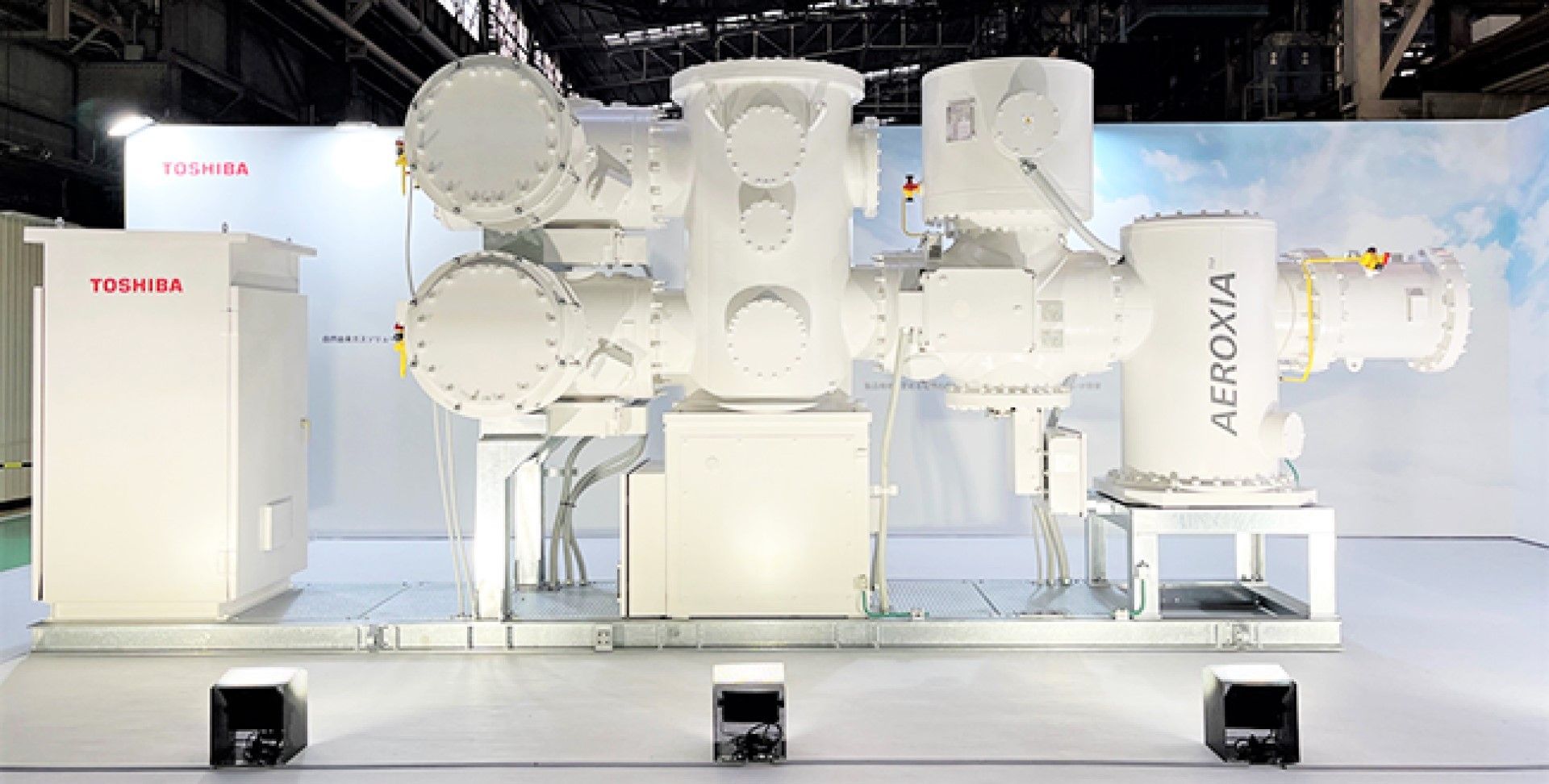
Long-lead electrical equipment is the critical path on most projects now. What you specify, and what you witness, decides whether it arrives right.

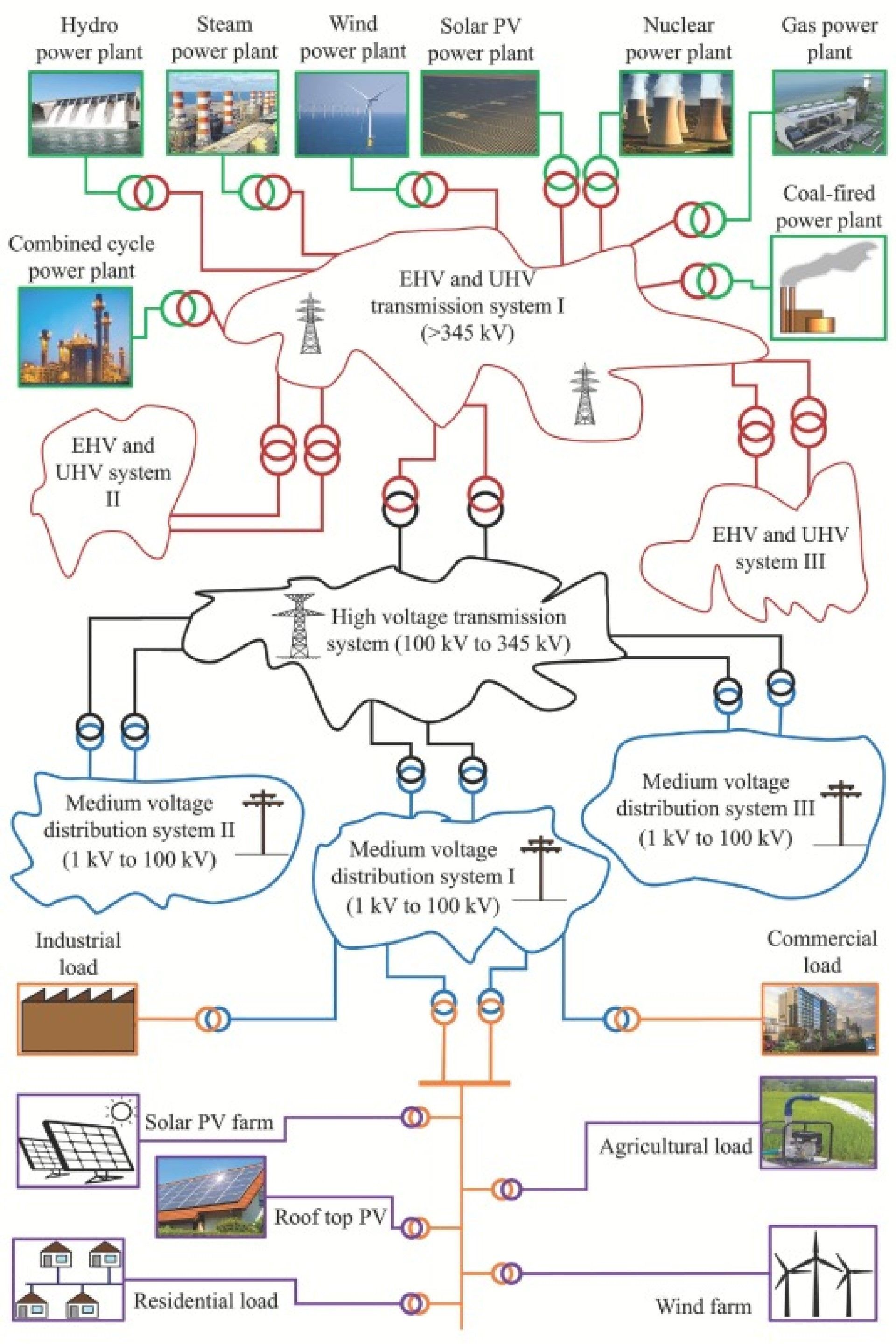
Specifications and datasheets are written to the project's real requirements rather than a vendor's standard offering, with equipment needs and strategic spares defined before production is locked.
Quotations are evaluated on a like-for-like basis, exclusions and deviations are surfaced, and vendor drawings and submittals are reviewed against the approved specification.
Keentel witnesses critical testing for transformers, switchgear, breakers, inverters, power conversion systems, BESS containers, and protection and control panels before equipment leaves the factory.
Vendor deviations are resolved while they are still negotiable. Release-for-shipment concurrence follows only after deviations are closed or formally accepted by the owner.

Owner-side construction oversight that holds installation quality and contract milestones to the agreement you signed.
Keentel provides the owner's electrical engineering oversight for commissioning: procedure review, readiness checks, witnessed testing, protection validation, SCADA verification and acceptance recommendations.
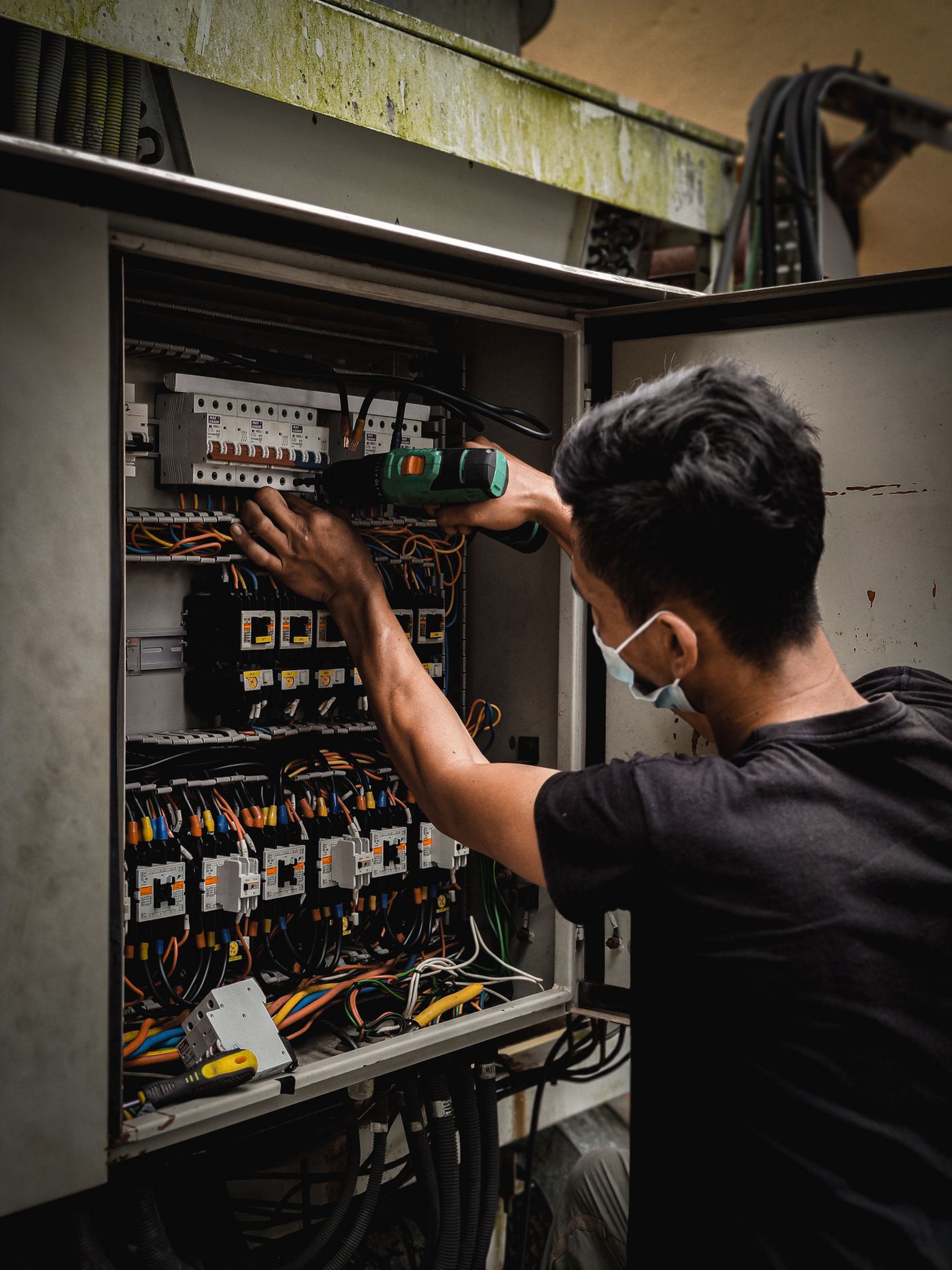
Component and factory verification confirms equipment matches the specification and works in isolation.
Torque, terminations, wiring, alignment and configuration are checked against the approved design.
Individual systems are energized and functionally tested under real operating conditions.
Systems operate together to expose interdependencies, control issues and cascading failure modes.
Full-load and simulated-failure testing proves operational readiness before handover.
Verify settings as loaded, functional trip testing and end-to-end scheme testing with the utility where required.
Verify points one by one so the plant reports the correct information to the operator and market.
Review procedures, confirm go/no-go readiness, witness major tests and track the issues log to closure.
Tell us where your project stands and our engineering team can help define the right level of owner-side support.
The test protocol is negotiated years before the test is run. That is the moment to get it right. Keentel helps owners define what is tested, where it is measured and how the result is corrected before those details become a dispute.
Capacity testing verifies whether the plant is the size it was sold as, corrected to agreed reporting conditions, with filtering rules and valid-point requirements defined in advance.
Energy testing verifies production over a defined period against the agreed model. Capacity and energy tests answer different questions and should not be treated as interchangeable.
Power-performance testing establishes the measured power curve and derived annual energy production, with uncertainty included as part of the acceptance basis.
Capacity, round-trip efficiency, response time, ramp rate and availability are tested at defined conditions, with the measurement boundary written into the agreement.
Acceptance testing verifies that installed electrical equipment is fit to energize and that required testing has not been reduced simply to recover schedule.
For storage, supplier guarantees may be measured at the battery while owner revenue is measured at the point of interconnection. Losses between those points must be allocated explicitly.
Auxiliary loads, C-rate, operating duty, availability assumptions, calendar ageing and augmentation triggers can materially change the value of a performance guarantee.
Measurement boundaries, test conditions, correction methods, valid-data rules, retest rights, cure periods and uncertainty are defined before testing begins.
For owners, acquirers and boards — and for developers who would rather find the problem before the lender's engineer does. Keentel provides owner-side technical review across the project, contracts, design, interconnection and remaining execution risk.

Review technology and equipment, supplier standing, energy-yield assumptions and the performance basis behind the asset.
Review electrical design and studies, interconnection status, technical requirements, cost exposure and compliance obligations.
Review technical terms across EPC, supply, O&M and offtake agreements together with construction status, schedule realism and remaining scope.
Assess budget and contingency adequacy, operations and lifecycle assumptions, then document conditions and recommended remediation.
Keentel brings owner-side continuity, hands-on electrical engineering depth and named deliverables to the full project lifecycle — from early requirements and design review through procurement, construction, commissioning and closeout.

The same owner-side engineering team can stay engaged from development through design, procurement, construction, testing and closeout, preserving decisions and accountability.
Keentel's review is grounded in direct engineering capability across substations, transmission, protection and control, system studies, grounding, interconnection and commissioning.
Our scope reaches beyond the plant into the electrical interfaces that drive project risk — interconnection, protection, utility requirements, transmission and grid compliance.
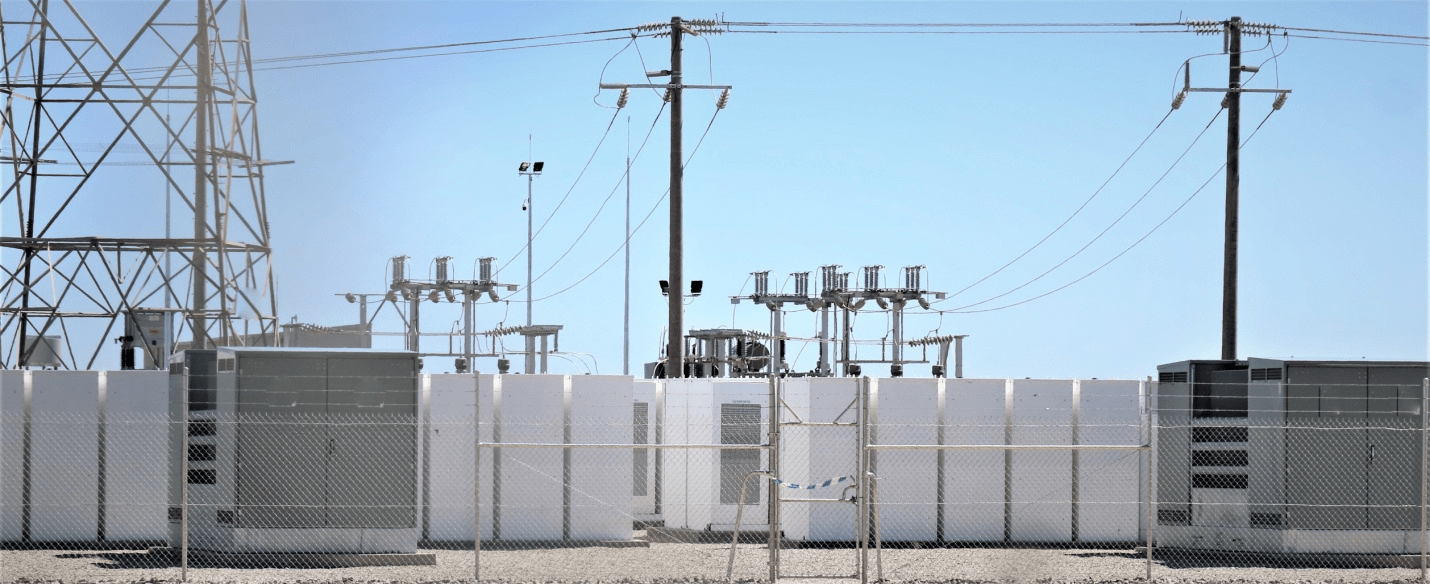
Reviews, witness activities and milestone support produce documented outputs: comment logs, test records, issue tracking, recommendations and closeout evidence.

Whether your project is in development, design, procurement, construction or commissioning, Keentel Engineering can step in with independent owner-side engineering support that protects performance, safety, compliance and cost through commissioning and closeout.
Share your project, current stage, delivery model and key concern. Schedule a quick discussion, review the Owner's Engineer services flyer, or contact the Keentel team directly.
An Owner’s Engineer is an independent consulting expert who represents the project owner’s interests during the design, construction, and commissioning phases of a renewable, hybrid or BESS energy project. They provide technical oversight, project management, and quality assurance to ensure the project is completed on time, within budget, and meets all performance and regulatory standards.
We provide Owner’s Engineer services for a variety of renewable energy projects, including:
Our services cover the entire project lifecycle from initial concept through design, procurement, construction, and commissioning.
Our Owner’s Engineer services typically include:
An Owner’s Engineer ensures that the project is executed efficiently and in line with the owner’s objectives. They provide expert technical guidance, help mitigate risks, and manage the complexities associated with renewable energy projects. Their role is critical in ensuring quality, adhering to timelines, managing costs, and meeting regulatory standards.
We use a comprehensive process that includes detailed design reviews, regular inspections, and continuous monitoring of construction activities. Our team works closely with contractors, suppliers, and stakeholders to ensure that all components of the renewable power plant meet the required technical specifications, industry standards, and safety regulations.
Yes, we assist in the procurement process by providing expertise in selecting the right contractors, equipment, and materials. Our team evaluates bids, assesses vendor capabilities, and helps negotiate contracts to ensure that all purchases are cost-effective and meet the required technical standards.
During the construction phase, we provide on-site supervision, conduct regular inspections, monitor progress, and ensure that the work is being completed according to the project’s technical specifications and schedule. We also ensure safety standards are adhered to, and we resolve any issues or deviations from the project plan.
We provide oversight throughout the commissioning and testing phases to ensure that all equipment is installed correctly and operates as intended. This includes reviewing testing protocols, ensuring all systems are integrated correctly, and confirming that performance benchmarks are met before the plant is handed over for operation.
Yes, we actively identify potential risks throughout the project lifecycle—whether technical, financial, or regulatory—and work to mitigate them. Our risk management strategies include assessing project timelines, cost estimates, resource availability, and external factors such as policy changes or environmental considerations.
We ensure that the renewable power plant complies with all local, national, and international environmental and regulatory standards. This involves obtaining necessary permits, conducting environmental impact assessments (EIAs), and ensuring that the project complies with local grid codes, safety regulations, and sustainability standards.
Our project management approach involves close monitoring of progress, regular reporting, and proactive issue resolution. We keep track of key milestones, manage the allocation of resources, and ensure that potential delays or budget overruns are identified early, allowing corrective actions to be taken swiftly to keep the project on track.
Yes, we offer post-commissioning support to ensure the plant operates efficiently after it is up and running. This includes performance monitoring, troubleshooting, and providing recommendations for ongoing maintenance and optimization to maximize the operational life and efficiency of the plant.
The cost of our services depends on the size, complexity, and scope of the renewable energy project. We offer customized pricing based on the specific requirements of your project, ensuring that you receive the best value for the level of expertise and support provided.
Our team consists of experienced engineers and project managers with a deep understanding of renewable energy technologies and project execution. We bring a wealth of industry knowledge, technical expertise, and a proactive approach to project management, ensuring the successful delivery of your renewable power plant on time, within budget, and to the highest quality standards.
An Owner’s Engineer represents the project owner and provides independent oversight, while an EPC contractor handles the design, procurement, and construction of the project. The Owner’s Engineer ensures that the EPC’s work meets design, performance, and compliance standards without conflicts of interest.
Ideally, you should engage an Owner’s Engineer at the feasibility or conceptual design stage. Early involvement ensures better technical planning, smoother interconnection applications, and fewer design revisions during EPC execution.
Yes. A qualified Owner’s Engineer will assist with NERC compliance support, relay and protection studies, and help navigate utility interconnection standards especially important in regulated transmission or renewable projects.
Absolutely. At Keentel, our Owner’s Engineer services cover both traditional AC transmission systems and HVDC owner’s engineer tasks such as converter station reviews, grounding analysis, and grid interface modeling.
We identify design flaws, prevent scope creep, manage procurement quality, and enforce QA/QC during construction. This proactive oversight minimizes schedule delays, budget overruns, and performance penalties.
Look for technical qualifications, multi-discipline expertise, experience with utilities or ISOs, and the ability to manage EPC partners and vendors. Keentel provides all this plus nationwide support and deep compliance knowledge.
Technical guidance from Keentel Engineering covering owner-side technical oversight, EPC design review, construction QA/QC, pre-energization testing, commissioning, and project readiness from design through commercial operation.
Understand the owner’s engineer role in design review, technical oversight, EPC coordination, risk reduction, and project delivery.
Pre-energization testing, field verification, quality checks, and commissioning readiness for electrical infrastructure.
Pre-COD testing, commissioning coordination, readiness checks, and technical support before commercial operation.


Serving for more than two decades, we are a name you can trust and count on for your power system and engineering support needs. We can provide innovative solutions to take your business to greater heights.
State of Florida — Registry No. 36853, KEENTEL LLC, DBA: KEENTEL ENGINEERING
Copyright 1995-2026 Keentel Engineering All Rights Reserved