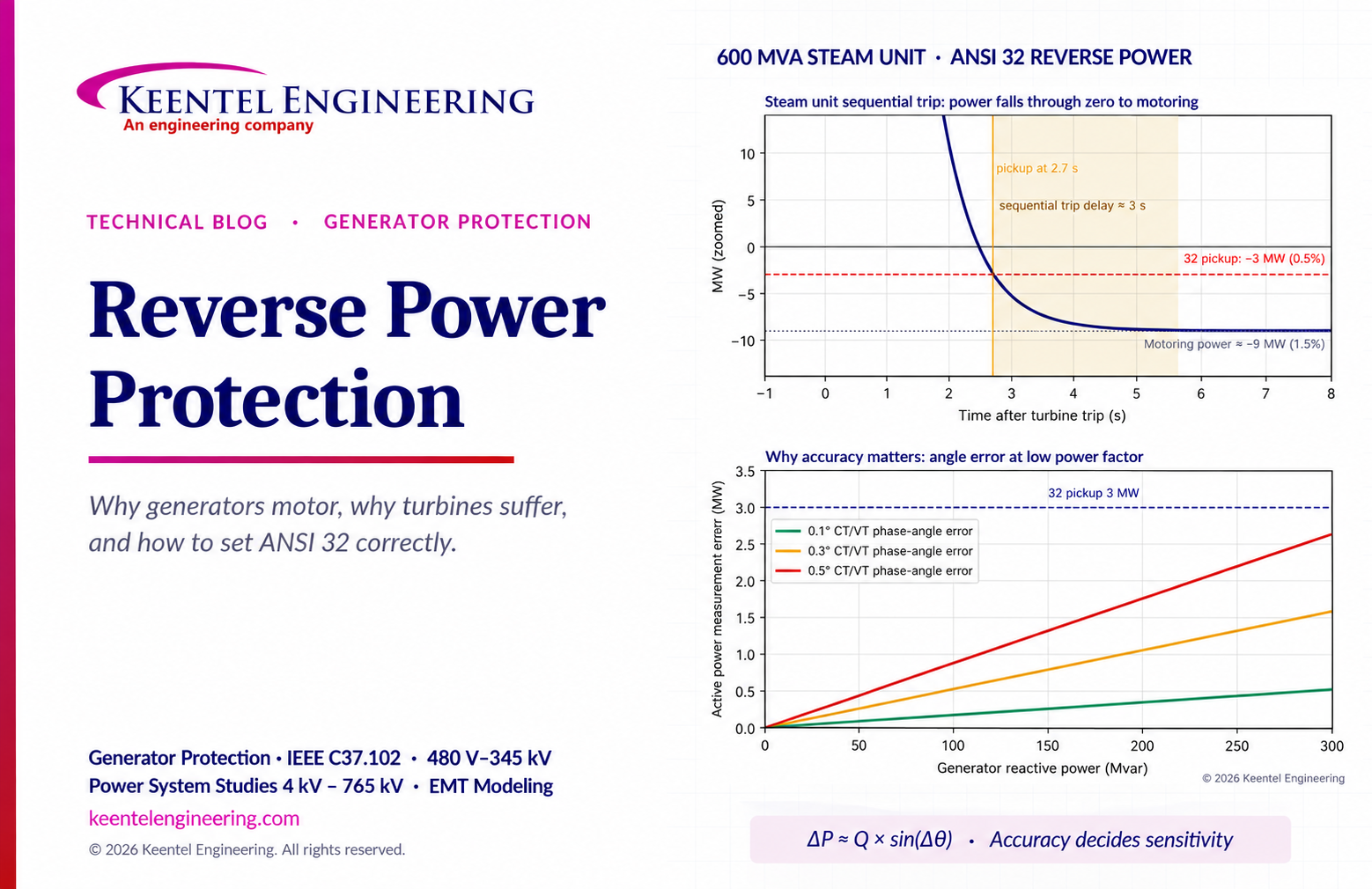



Full-Scale Electrical Power System Engineering Services.
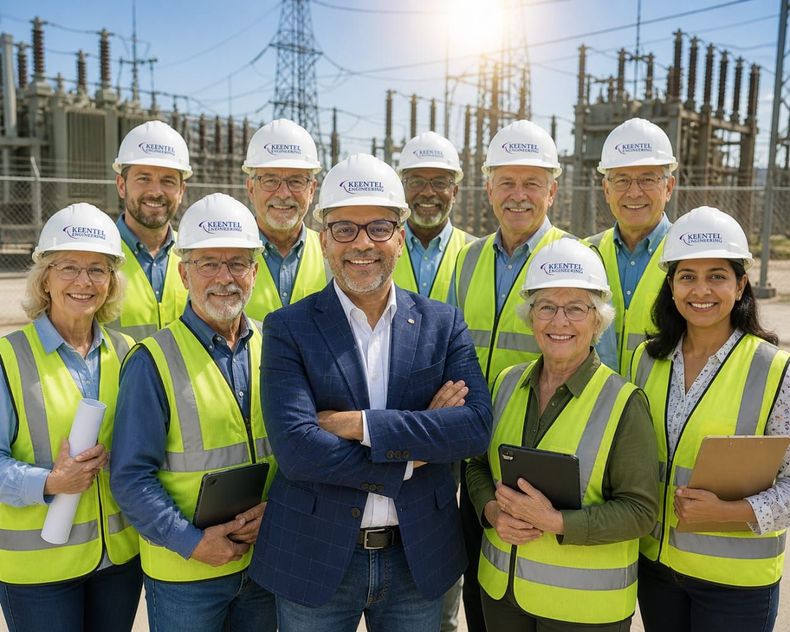
At Keentel Engineering, we strive to provide our clients across industries with the best-in-class services to their complete satisfaction. We deliver promptly, with comprehensive attention to detail.
Why Choose Us
At Keentel Engineering, we take pride in being the go-to engineering firm for power and utility system planning, design, control, and analysis. Some of the many attributes of our company that set us apart are:
Client-Focused Work Approach
Our team works cohesively on every project and with every client. We first develop a solid understanding of your project goals, requirements, and needs. From concept to commissioning, we assist you in every step.
30 Years of Experience
We have over two decades of experience in design and interconnection. Rest assured, we have the knowledge, understanding, and expertise to handle and execute all types of projects with sheer perfection and superior workmanship.
Quality with Innovation
At Keentel Engineering, we have established our stellar market reputation on quality, work ethics, and innovation.
Attention-to-Detail
We work on every project with laser focus and attention to detail. This enables our team to deliver desired results with complete satisfaction.
Let's Discuss How to Optimize Your Next Project
Submit
We will get back to you as soon as possible.
Please try again later.
What We Offer
At Keentel Engineering, we offer unparalleled expertise in electrical power system engineering and power system planning, design, and integration in and across all three interconnections in accordance with regulatory compliance requirements. Our decades of experience cover the entire spectrum of generation, transmission, and distribution.
POI Interconnection Engineering Support
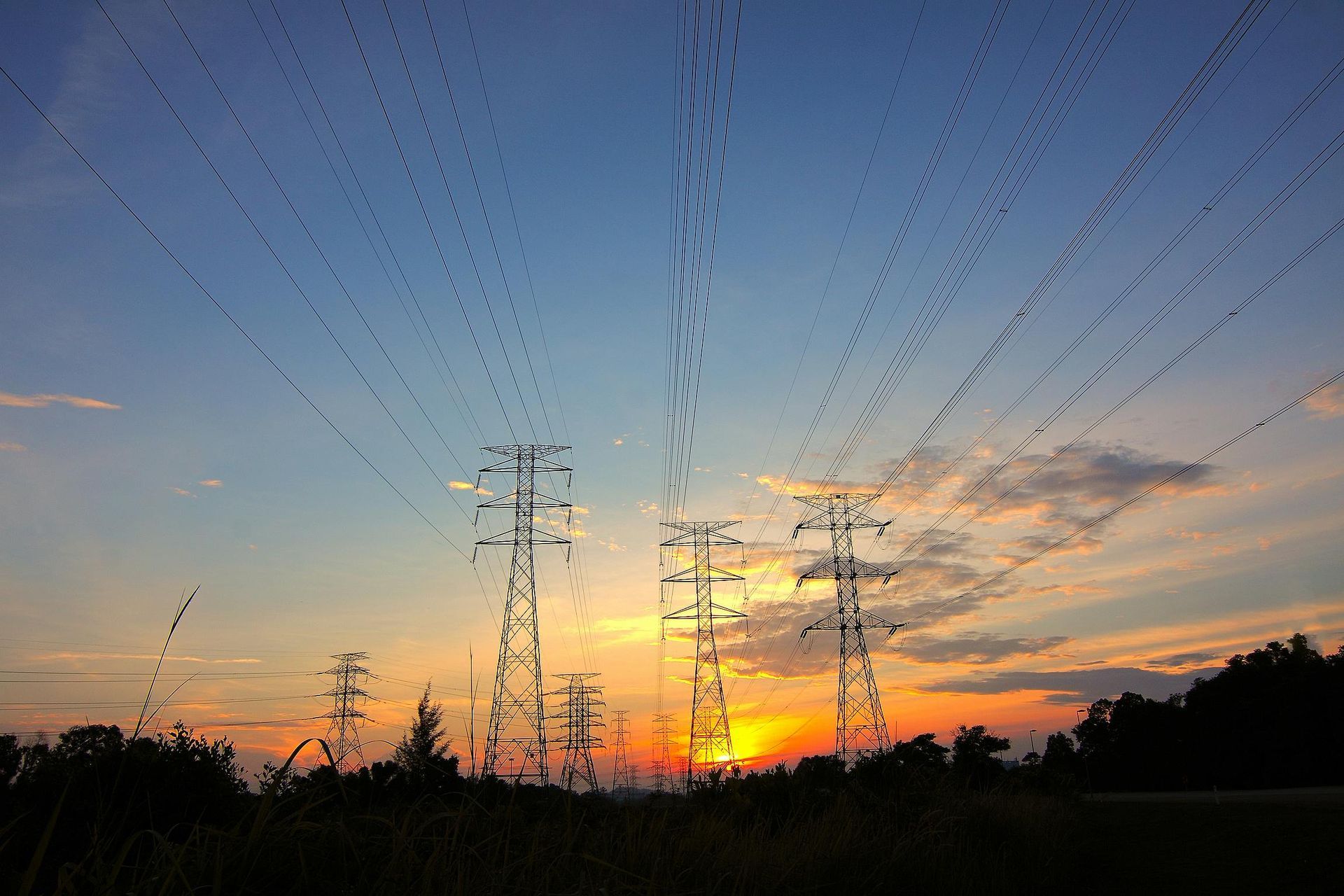
Our skilled and knowledgeable engineering team has a rich history in designing, developing and commissioning various substation and interconnection engineering support projects.
POI Interconnection Engineering Support
Our skilled and knowledgeable engineering team has a rich history in designing, developing and commissioning various substation and interconnection engineering support projects.
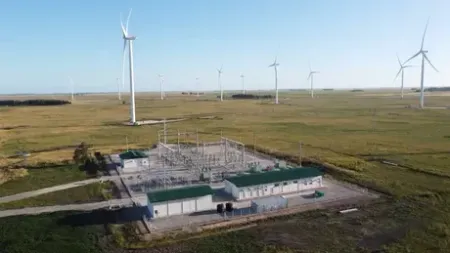
Substation Design
Services
At Keentel Engineering, we are experts in substation and interconnection engineering support services. Our experienced and knowledgeable team has a solid history in engineering, developing,…

EHV, HV. MV Power System Studies
Ensure electrical safety, minimize downtime, and meet compliance standards with our expert power system studies across Extra High Voltage (EHV), High Voltage (HV), and Medium…
POI Interconnection Engineering Support

Our skilled and knowledgeable engineering team has a rich history in designing, developing and commissioning various substation and interconnection engineering support projects.

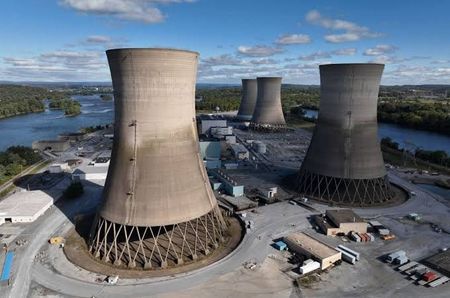
Transmission Line Design Services
Advanced Engineering Solutions for Reliable, Efficient, and Future-Ready Power Infrastructure, Specializing in Transmission Line Design, Sag-Tension Analysis, and High-Voltage System Optimization

Nuclear Power Plant Electrical Engineering
Keentel Engineering delivers specialised electrical engineering services for the nuclear power sector — engineering the power systems that keep a plant safe, licensable, and reliably connected to the grid across its entire operating life.

MEP Engineering Services
From HVAC and electrical systems to plumbing, fire protection, and energy modeling, Keentel delivers high-quality MEPF engineering services across North America. Our MEP engineering solutions are optimized for warehouse, industrial, and commercial facilities, including retrofitting, upgrades, and sustainable systems.
POI Interconnection Engineering Support

Our skilled and knowledgeable engineering team has a rich history in designing, developing and commissioning various substation and interconnection engineering support projects.
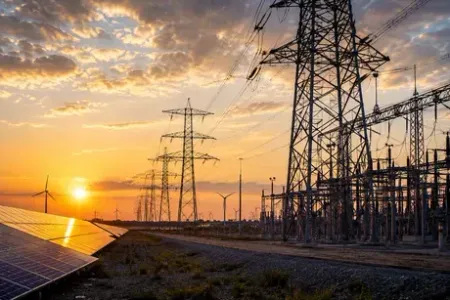

Owner’s Engineer
Services
At Keentel Engineering, we specialize in providing comprehensive owner's engineer services tailored to meet your project's unique needs. With a commitment to
excellence and a…

NERC O&P 693 Compliance Services
At Keentel Engineering, our NERC compliance consultants specialize in helping power sector clients meet NERC 693 standards, including all aspects of O&P and RSAW
requirements.…

Utility-Scale Renewable Energy Engineering
Engineering support for solar, wind, and BESS projects — from POI studies and IEEE 2800 compliance to grid integration and NERC reliability support.
Services Frequently Asked Questions
CHOOSING THE RIGHT SERVICE
1. You list eleven services. How do I know which ones my project actually needs?
Most clients need a combination rather than a single line item, and the right combination is driven by where your project sits in its lifecycle. A useful way to think about it:
- Early development, no queue position yet — POI interconnection engineering support and preliminary power system studies. The goal is to know whether the point of interconnection can absorb your project before you spend serious money on it.
- In the interconnection queue — power system studies (load flow, short circuit, stability, EMT) plus interconnection support to prepare submittals and independently verify the transmission provider's results.
- Post-LGIA, moving to construction — substation design, transmission line design, and the technology-specific engineering for solar, wind or BESS, plus MEP for buildings and balance of plant.
- Building with an EPC — owner's engineer services, so someone independent is checking the design, the equipment and the testing on your behalf.
- Operating asset — NERC O&P 693 compliance support, protection system maintenance programs, model verification, and re-studies when the plant is modified.
If you are unsure, the fastest path is a scoping call. Tell us the technology, capacity, POI voltage, interconnecting utility and current status, and we will map out exactly which services apply, in what sequence, and what can be deferred. We would rather tell you that you need less than you thought than sell you a study you do not need yet.
2. Can Keentel take a project end-to-end, or do you only handle individual pieces?
Both, and we structure the engagement around whichever you prefer. On an end-to-end basis we can carry a generation or transmission project from pre-application interconnection screening, through the study cycle, into full substation and collector system design, out to construction support, commissioning and energization, and then into the ongoing NERC compliance obligations of an operating asset. Keeping that continuity in one firm has a real technical benefit: the same models, assumptions, ratings and protection philosophy carry forward instead of being rebuilt — and reinterpreted — at every handoff.
Equally often we are brought in for a single, well-bounded scope: an EMT model for a submittal deadline, an arc flash study on an existing facility, a relay coordination review, a grounding grid design, or an independent check of another engineer's work. That is a normal way to work with us and does not require any broader commitment.
What we will not do is take a scope we cannot execute well. If a piece of work sits outside our competency — detailed civil, geotechnical or structural design, for example — we will say so and coordinate with the appropriate discipline rather than stretch.
3. Do you work as a subconsultant to our in-house engineering team or EPC contractor?
Yes, and it is a large share of our work. Utilities, EPCs and developers with capable internal teams typically engage us for specialist capacity — the studies, models and compliance evidence that require dedicated software licenses and daily practice to do well, or simply overflow capacity when their bench is committed elsewhere.
In a subconsultant role we adapt to your standards rather than imposing ours: your drawing templates, title blocks, CAD layer conventions, relay setting formats, document numbering and review workflow. We can work inside your document control system, attend your internal design reviews, and deliver native files rather than PDFs so your team retains full ownership of the design.
One clarification worth settling early is engineer of record. We can be the EOR and stamp the deliverables, or we can produce supporting engineering under your EOR's direction. Both work; they simply carry different liability and review structures, and it is cleaner to agree which one applies before work starts.
INTERCONNECTION, SUBSTATION & TRANSMISSION
4. What does POI interconnection engineering support actually include?
Point of interconnection engineering support covers everything required to get a project connected to the grid, from first screening to energization. In practice it spans four stages:
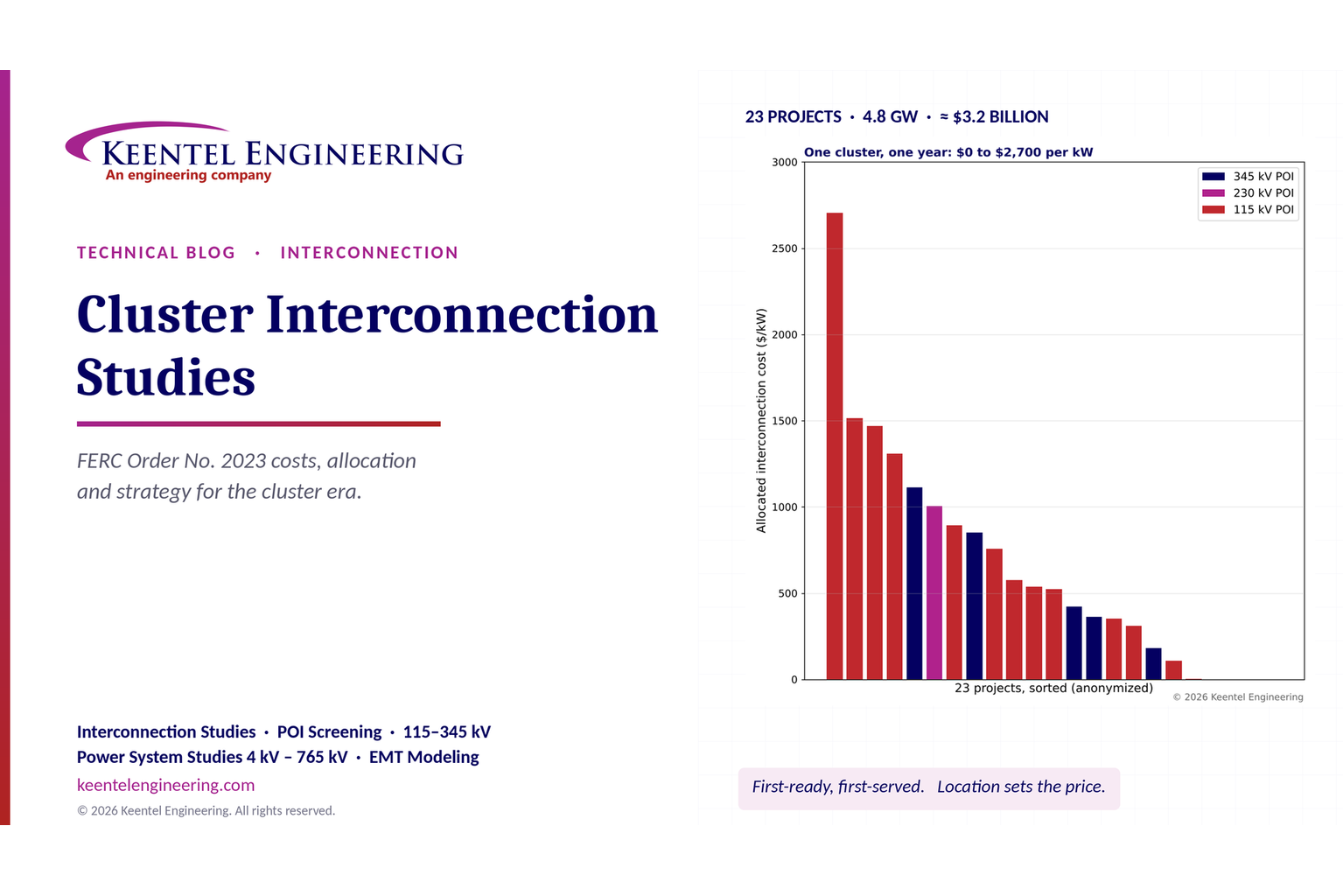
- Pre-application screening — preliminary load flow and short circuit analysis at candidate POIs, assessment of available capacity and likely network upgrades, and comparison of alternative interconnection points so site selection is an engineering decision rather than a real estate one.
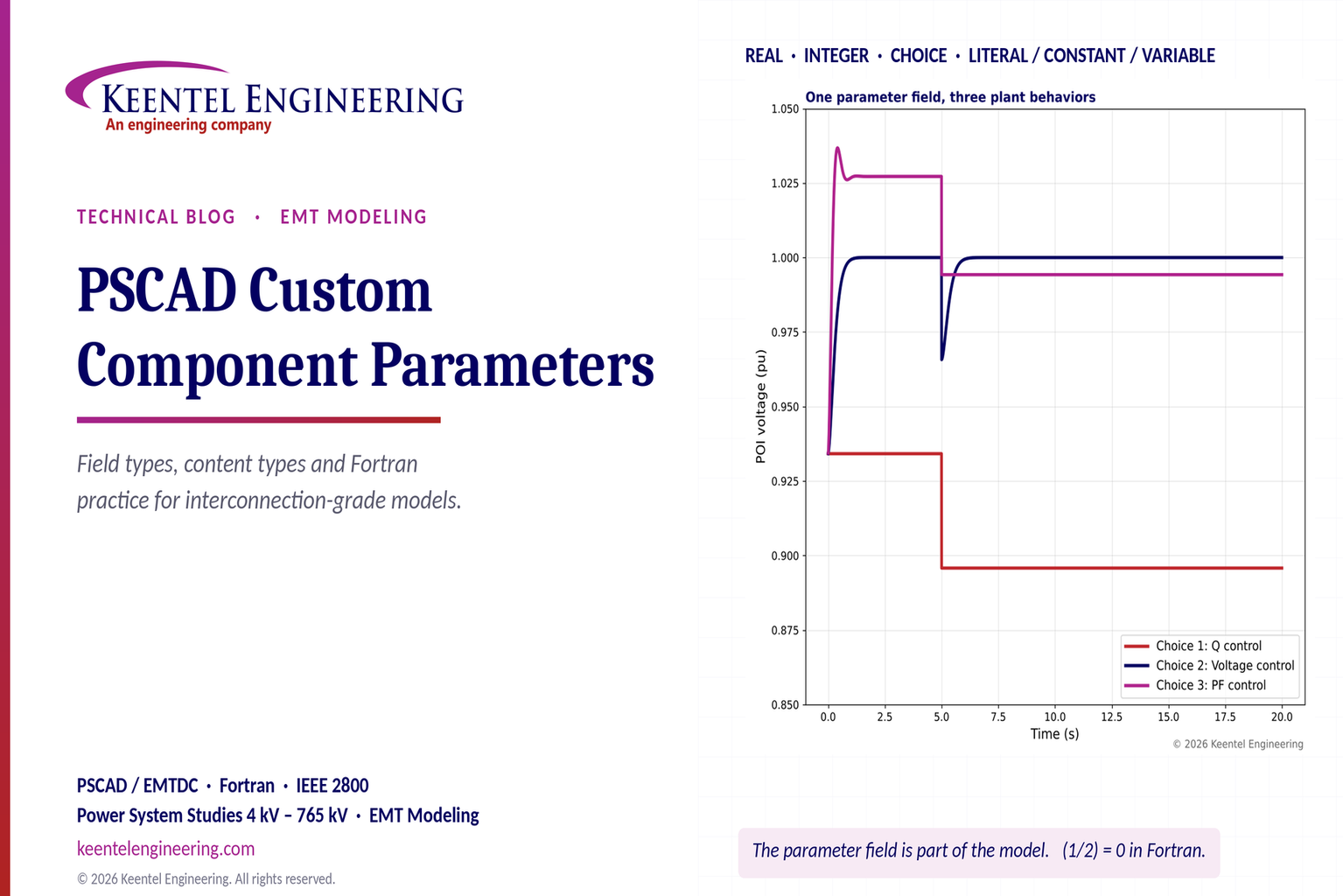
- Application and study support — preparation and quality control of technical exhibits, single-line diagrams, generator and inverter data, reactive capability documentation, and the PSS®E and PSCAD models the transmission provider requires.
- Independent study verification — reproducing the transmission provider's results to confirm the constraints driving your assigned upgrades are real and correctly allocated, and preparing technically supported comments during the engagement window.
- Design and execution of interconnection facilities — the POI substation or switchyard, protection and control, revenue metering, SCADA and telecom interfaces, and the coordination with the utility that gets it approved and energized.
We also handle affected-system coordination, provisional and surplus interconnection arrangements where those are available, and the technical portions of the LGIA exhibits.
5. What voltage classes and substation configurations do you design?
We design across the full range, from 4.16 kV and 13.8 kV collector and distribution substations through 34.5 kV and 69 kV, into HV at 115 kV, 138 kV, 161 kV and 230 kV, and up to EHV at 345 kV and 500 kV. That includes both new greenfield substations and expansions, retrofits, rebuilds and equipment replacements at energized facilities, where outage sequencing and temporary protection schemes matter as much as the design itself.
On bus configuration we work in all the standard arrangements and, more usefully, we help you choose between them. Single bus and single bus with sectionalizing are economical and appropriate for many collector substations. Main-and-transfer allows breaker maintenance without dropping load. Ring bus is a common, cost-effective choice for generation interconnections up to a moderate number of positions. Breaker-and-a-half and double-breaker double-bus deliver the highest reliability and maintainability and are typical for EHV switchyards and critical transmission nodes. The right answer depends on your reliability requirement, expected future positions, utility standards and land constraints — and the decision is much cheaper to make correctly at concept stage than to correct later.
We handle both air-insulated (AIS) and, where site constraints require it, gas-insulated (GIS) arrangements, as well as the mobile and modular substation solutions sometimes used for temporary or accelerated energization.
6. What is included in transmission line design, and do you cover structures and foundations?
Our transmission line design work covers the electrical engineering that governs line performance: route evaluation and constraints review, conductor selection and sizing, ampacity and thermal rating analysis, sag and tension calculations, electrical clearance verification to NESC requirements, insulator and hardware selection, insulation coordination and BIL, shield wire and optical ground wire design for lightning performance, grounding and counterpoise, electric and magnetic field profiles, audible noise and radio interference assessment, and structure spotting and plan-and-profile development.
We work at both transmission and sub-transmission voltages, on overhead and, where required, underground and duct bank segments, and we coordinate line design with the terminal substation protection so the line and its protection are engineered as one system rather than two.
Note for review: confirm how you want to present structural, foundation and geotechnical scope — whether Keentel performs it in-house, partners with a structural firm, or coordinates the owner's consultant. The current wording is neutral and can be sharpened once confirmed.
POWER SYSTEM STUDIES & COMPLIANCE
7. What is included in an EHV, HV and MV power system study, and how long does one take?
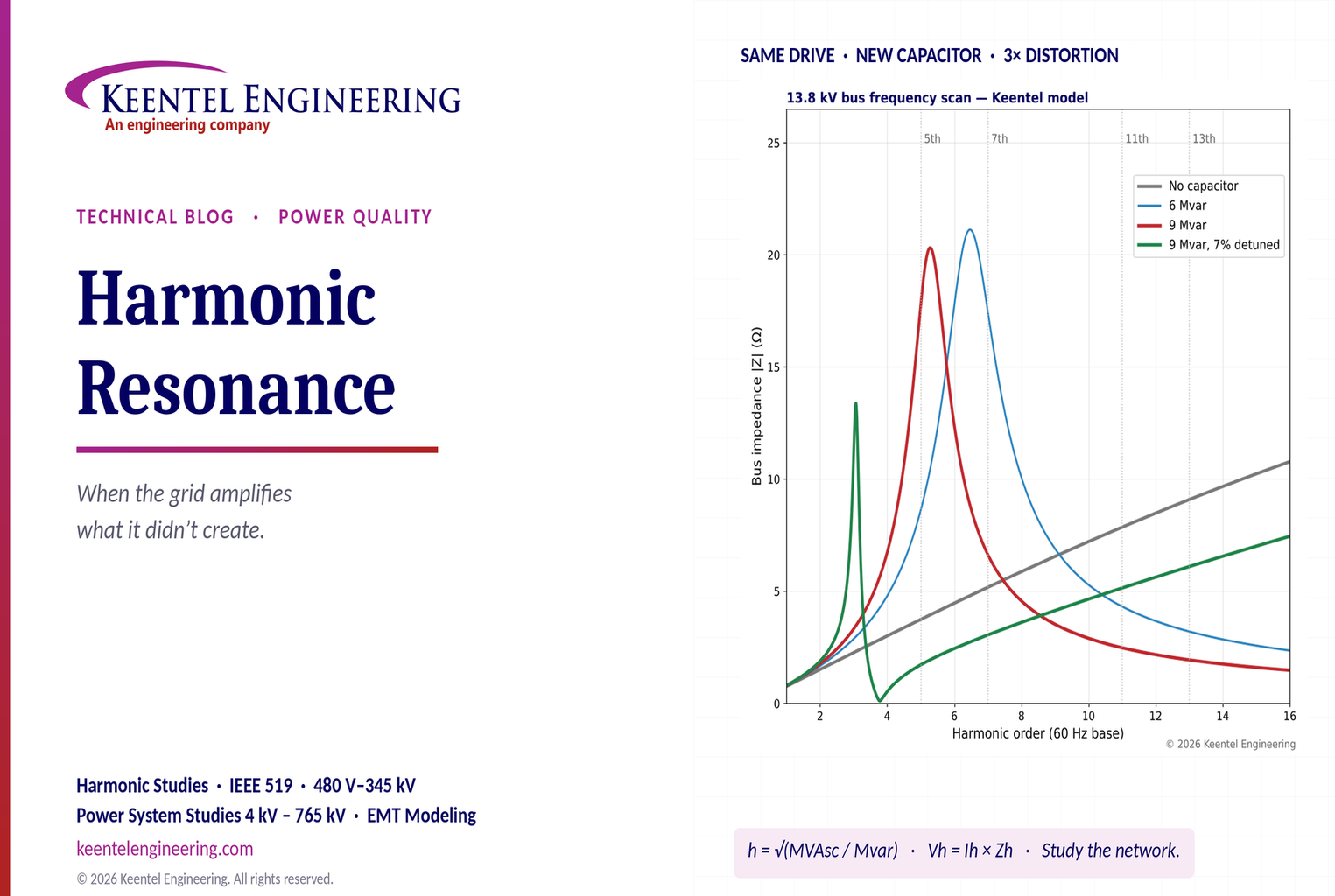
“Power system study” is a family of analyses rather than one deliverable, and a given project needs some subset of them. The most commonly requested are load flow and voltage analysis, short circuit and equipment duty, protective device coordination and relay settings, arc flash and incident energy, transient stability and dynamic performance, EMT analysis for inverter-based plants, harmonic and power quality analysis against IEEE 519, motor starting, reactive power and power factor correction, grounding grid design to IEEE Std 80, insulation coordination and surge protection, and load shedding or remedial action scheme design.
Every study we issue includes the modeled system and assumptions, the analysis, the findings against the applicable standard, and specific, actionable recommendations — not just output tables. Where the study drives equipment decisions, we state the consequence in terms you can act on commercially.
Turnaround depends on scope and, more than anything, on data availability. A focused single study on a well-documented facility can turn in two to four weeks. A comprehensive multi-study package on a large or poorly documented plant typically runs six to twelve weeks, with the first phase often being a data collection and field verification effort. We will give you a firm schedule once we see your single-line and equipment data.
8. How do short circuit, coordination and arc flash studies relate, and how often do they need updating?
They are sequential, and each depends on the one before it. The short circuit study establishes available fault current at every bus and verifies that breakers, fuses and switchgear are rated to interrupt it — a device that cannot interrupt the available current is a safety hazard regardless of anything else. The protective device coordination study then sets the devices so the one closest to a fault operates first, isolating the smallest possible portion of the system. The arc flash study uses those fault currents and those clearing times to calculate incident energy, which determines arc flash boundaries, PPE requirements and equipment labeling under NFPA 70E.
This is why arc flash results cannot be trusted from a study built on stale data. A slower relay setting increases clearing time and therefore incident energy; a new transformer or a utility system upgrade changes available fault current. NFPA 70E requires that the incident energy analysis be reviewed at intervals not exceeding five years, and updated whenever a major modification or renovation occurs — the five-year interval is a ceiling, not a schedule to wait out.
Practically, you should re-study whenever you add or replace a transformer or generator, change utility service, modify protective devices or settings, add significant motor load, or reconfigure the distribution system. We also perform field verification, because in our experience the as-built system and the drawings disagree more often than owners expect.
9. What does NERC O&P 693 compliance support look like on an operating asset?
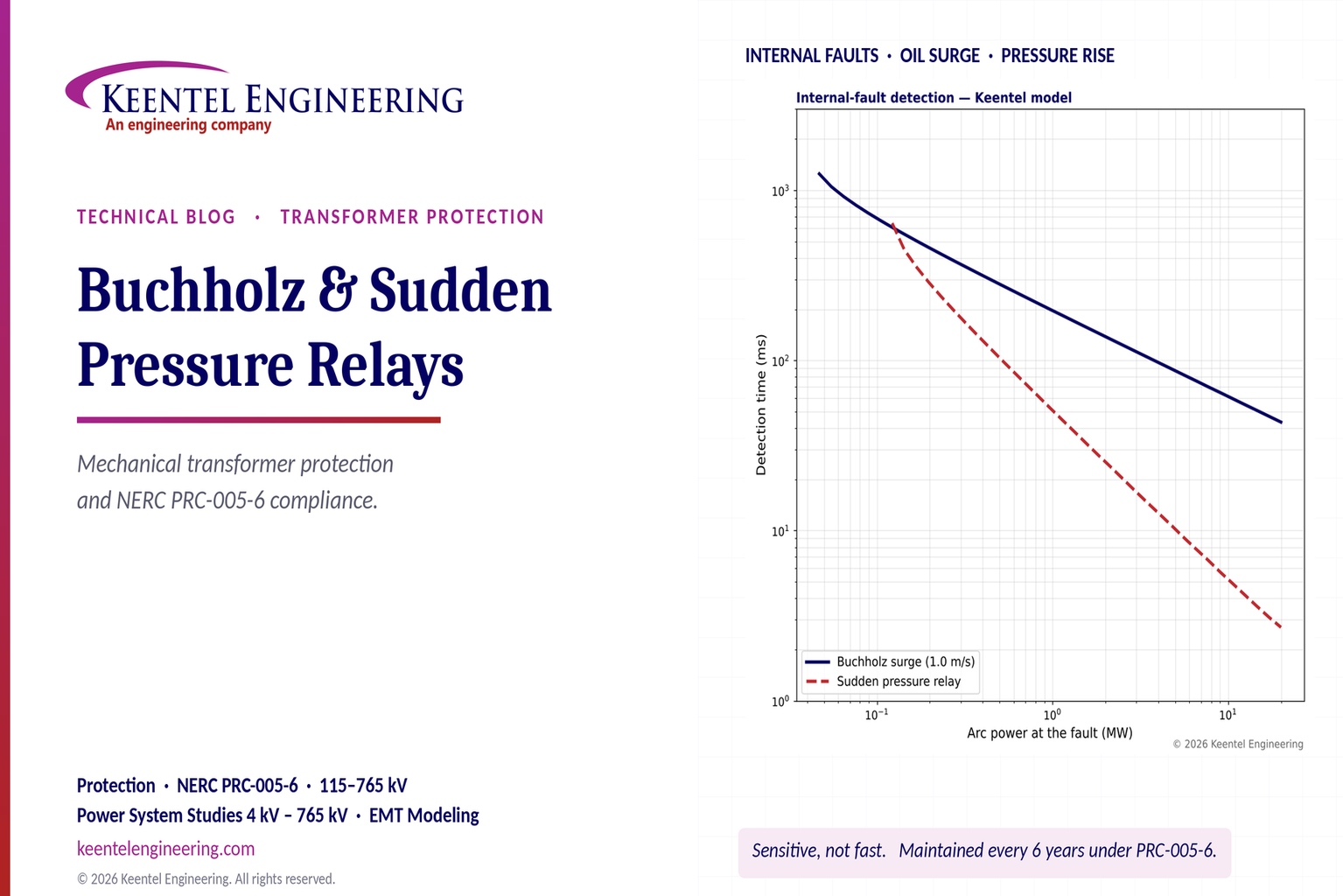
For a generation or transmission asset owner, 693 compliance is a continuous program rather than a project. Our support is built in four layers. First, applicability and gap analysis: which standards apply to your registered functions, and where your current documentation stands against each requirement. Second, the underlying engineering the standards actually demand — protection system maintenance programs and intervals under PRC-005, facility ratings under FAC-008, generator model verification testing under MOD-025, MOD-026 and MOD-027, protection coordination under PRC-019, ride-through documentation under PRC-024 and PRC-029, and disturbance monitoring design under PRC-002.
Third, evidence. This is where most entities are exposed. Auditors do not accept correct engineering; they accept dated, retrievable, complete documentation that demonstrates the requirement was met continuously. We build RSAW responses and the supporting evidence packages, and we structure your records so that the next audit is a retrieval exercise rather than a reconstruction.
Fourth, audit execution: mock audits, NERC Align portal submissions, participation during the audit itself, and mitigation plan development and closure if a finding is issued. We also support entities newly captured by the inverter-based resource registration initiative who are standing up a compliance program for the first time.
RENEWABLES & STORAGE
10. What is covered under utility-scale solar farm engineering?
We deliver the complete electrical scope of a utility-scale PV plant. On the DC side that includes module and string configuration, temperature-corrected voltage and current calculations, combiner and recombiner layout, DC cable sizing and voltage drop, and grounding. On the AC side: inverter selection support and placement, MV collector circuit design and optimization, pad-mounted transformer sizing, cable ampacity with derating for soil thermal resistivity and circuit grouping, trench and duct bank design, protection of the collector system, and the collector substation and POI.
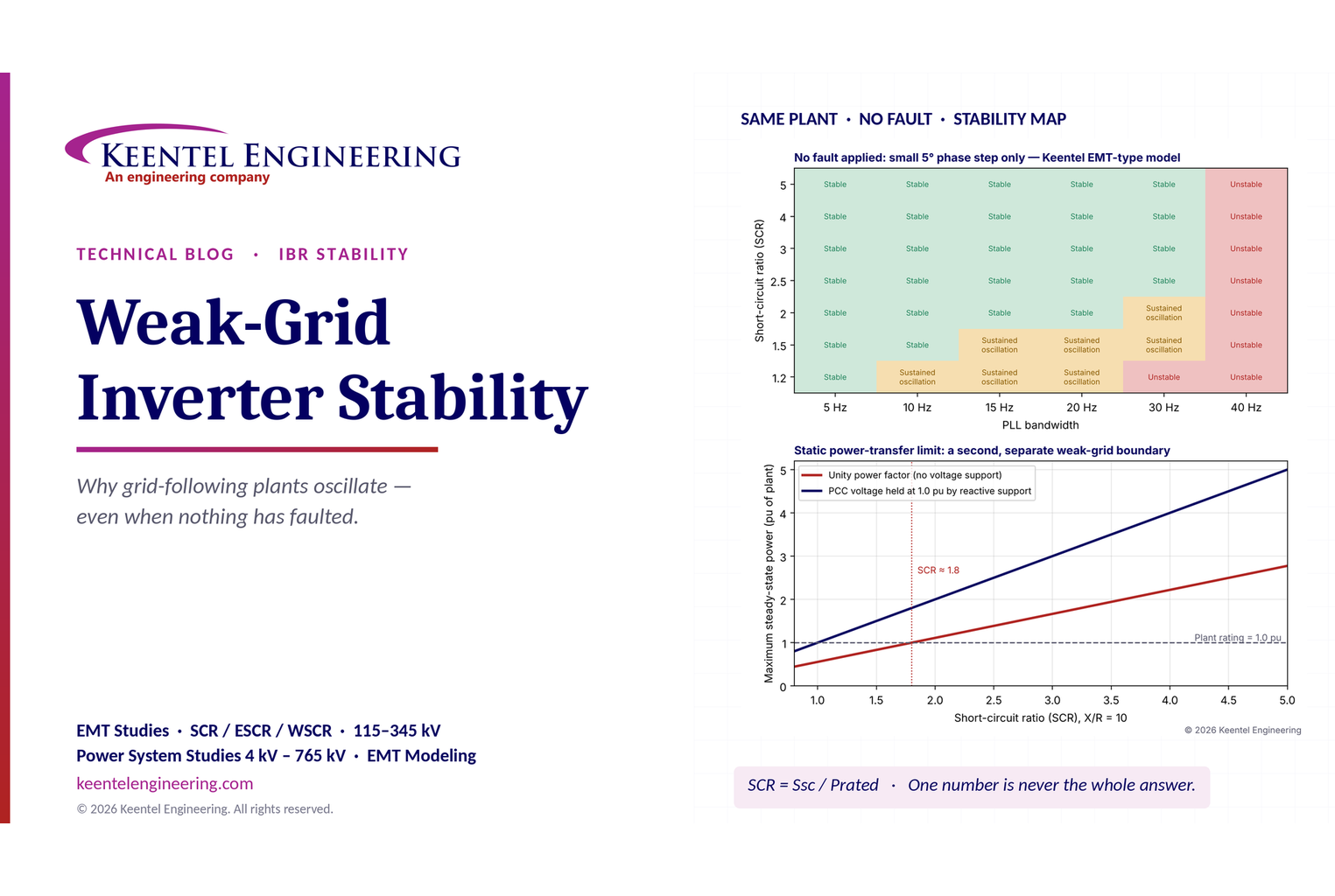
Beyond the primary system we handle plant controller and SCADA architecture, communications and fiber design, revenue and performance metering, auxiliary and station service power, site lighting, lightning protection, and the balance-of-plant MEP for O&M buildings and equipment enclosures. On the analysis side we run the studies these plants need for interconnection and operation: load flow, short circuit, arc flash, harmonics, reactive capability at the POI across the full operating range, stability and EMT, and grounding to IEEE Std 80.
We also perform independent review of PVsyst energy yield models, support commissioning and capacity testing, and provide the as-built and O&M documentation lenders and offtakers expect at completion.
11. How is BESS engineering different from solar, and what do you handle?
Battery storage looks superficially similar to PV — inverters, MV collection, a substation — but it behaves differently in ways that change the engineering. Power flows bidirectionally, so protection, metering and controls must handle charge and discharge, and the plant is a load as well as a source. Auxiliary load is substantial and continuous: thermal management, HVAC and controls draw meaningful power even when the plant is idle, and that load must be engineered and accounted for in the revenue model. Capacity fades, so augmentation planning and the electrical infrastructure to support future capacity additions have to be designed in from day one rather than retrofitted.
Safety codes are also more demanding. NFPA 855 governs installation, spacing, separation and hazard mitigation analysis; UL 9540 and UL 9540A test data drive layout and deflagration considerations. These are coordinated with the fire protection engineer and the authority having jurisdiction, and they materially affect site layout — which means they belong in the design early.
Our BESS scope covers DC and AC system design, enclosure and container electrical interfaces, MV collector and transformer design, auxiliary and station power, thermal management power, protection and controls for a bidirectional resource, plant controller design for the specific value streams the asset is contracted to deliver, grounding, arc flash, and the interconnection and compliance studies. We work on standalone storage and on solar-plus-storage and wind-plus-storage hybrids, where the shared inverter, shared POI and combined dispatch add another layer of study complexity.
12. What do you provide for utility-scale wind farms?
Wind projects share the collector system and interconnection challenges of solar but carry their own particulars. We design the MV collector network across dispersed turbine positions — typically long radial feeders where cable ampacity, voltage drop, losses and reactive charging current all become significant design drivers — along with pad-mount or tower-base transformer coordination, collector substation design, and the POI.
Our scope includes turbine electrical interface coordination with the OEM, collector circuit protection and coordination, grounding of turbine foundations and the collector system, lightning protection, SCADA and fiber communications across the site, met mast and sensor power, and auxiliary and O&M building power. On the analysis side we perform load flow and losses optimization, short circuit, harmonics, reactive capability and voltage control at the POI, stability and EMT modeling of the plant, and ride-through verification.
For repowering projects — increasingly common as first-generation fleets reach end of life — we assess whether the existing collector system, transformers and substation can support uprated turbines, and design the modifications where they cannot. That assessment is usually the deciding factor in repowering economics.
SPECIALIZED SERVICES
13. What does your MEP engineering cover, and can we engage it on its own?
Yes, MEP is available as a standalone service as well as part of a larger power project. Our mechanical, electrical and plumbing scope covers HVAC design and load calculations, ventilation and equipment cooling, plumbing and drainage, fire protection and fire alarm systems, building power distribution and panel schedules, lighting and lighting controls with photometric analysis, emergency and standby power, grounding and bonding, and low-voltage and communications infrastructure — designed to the applicable editions of the NEC (NFPA 70), NFPA 72, NFPA 101, ASHRAE standards and the International Building, Mechanical and Plumbing Codes, plus local amendments.
Within power projects, MEP typically covers control buildings, O&M and warehouse facilities, equipment enclosures and e-houses, and switchgear and battery rooms, where ventilation, thermal management and code-required separation are genuine engineering problems rather than afterthoughts. We also perform MEP for commercial, institutional and industrial facilities independent of any generation scope, including retrofits and code compliance upgrades to existing buildings.
14. What nuclear power plant services do you provide?
Our nuclear work centers on the electrical power systems that support plant operation and safety: offsite power and switchyard interface, station blackout and emergency power considerations, safety-related and non-safety electrical distribution, load flow, short circuit and coordination studies for plant electrical systems, degraded voltage and undervoltage relay setpoint analysis, grounding, arc flash and NFPA 70E compliance, cable ampacity and raceway analysis, motor starting and large load impact studies, and support for modifications, uprates and equipment replacements.
Nuclear engagements carry documentation, traceability and design control expectations well beyond conventional generation, and scope is defined carefully against the plant's own design control program and the classification of the affected systems.
Note for review: before publishing, confirm and insert your specific nuclear qualifications — for example any 10 CFR 50 Appendix B / NQA-1 quality program status, safety-related vs. non-safety-related work scope, prior plant experience, and access or clearance arrangements. This answer is deliberately written without asserting credentials we have not verified.
ENGAGING KEENTEL
15. Where do you work, how do you price engagements, and what do you need from us to start?
We serve clients nationwide from four offices — Tampa (headquarters), Austin, Sacramento and Baltimore — which gives us working familiarity with ERCOT, WECC and CAISO, PJM, MISO, SPP, SERC and the Florida market, and the ability to support dispersed portfolios in local business hours. Deliverables are stamped by Professional Engineers licensed in the state where the project is built; if we do not currently hold licensure in your state, we will tell you upfront and address it before contract rather than after.
Engagements are structured three ways. Fixed fee suits well-defined deliverables — a named study, a substation design package to a defined milestone, a compliance evidence package. Time and materials suits advisory, owner's engineering and support work where scope evolves. Master service agreements and retainers suit developers and utilities with recurring work across a portfolio, and are usually the most economical arrangement for repeat clients because mobilization and standards alignment happen once rather than per project.
To scope accurately we typically need: the single-line diagram and site plan; POI voltage, interconnecting utility and queue position or status; equipment datasheets or a shortlist; any existing study reports, interconnection agreement or utility correspondence; applicable owner or utility design standards; and your milestone dates. If you do not have all of it, that is not a barrier — data gathering and field verification can be the first phase of the work.
The starting point is a no-obligation consultation. Call (813) 389-7871, email contact@keentelengineering.com, or use the Schedule a Consultation link on this page, and we will tell you what your project needs and what it should cost.