Utility-Scale Renewable Energy Engineering

Engineering support for solar, wind, and BESS projects — from POI studies and IEEE 2800 compliance to grid integration and NERC reliability support.

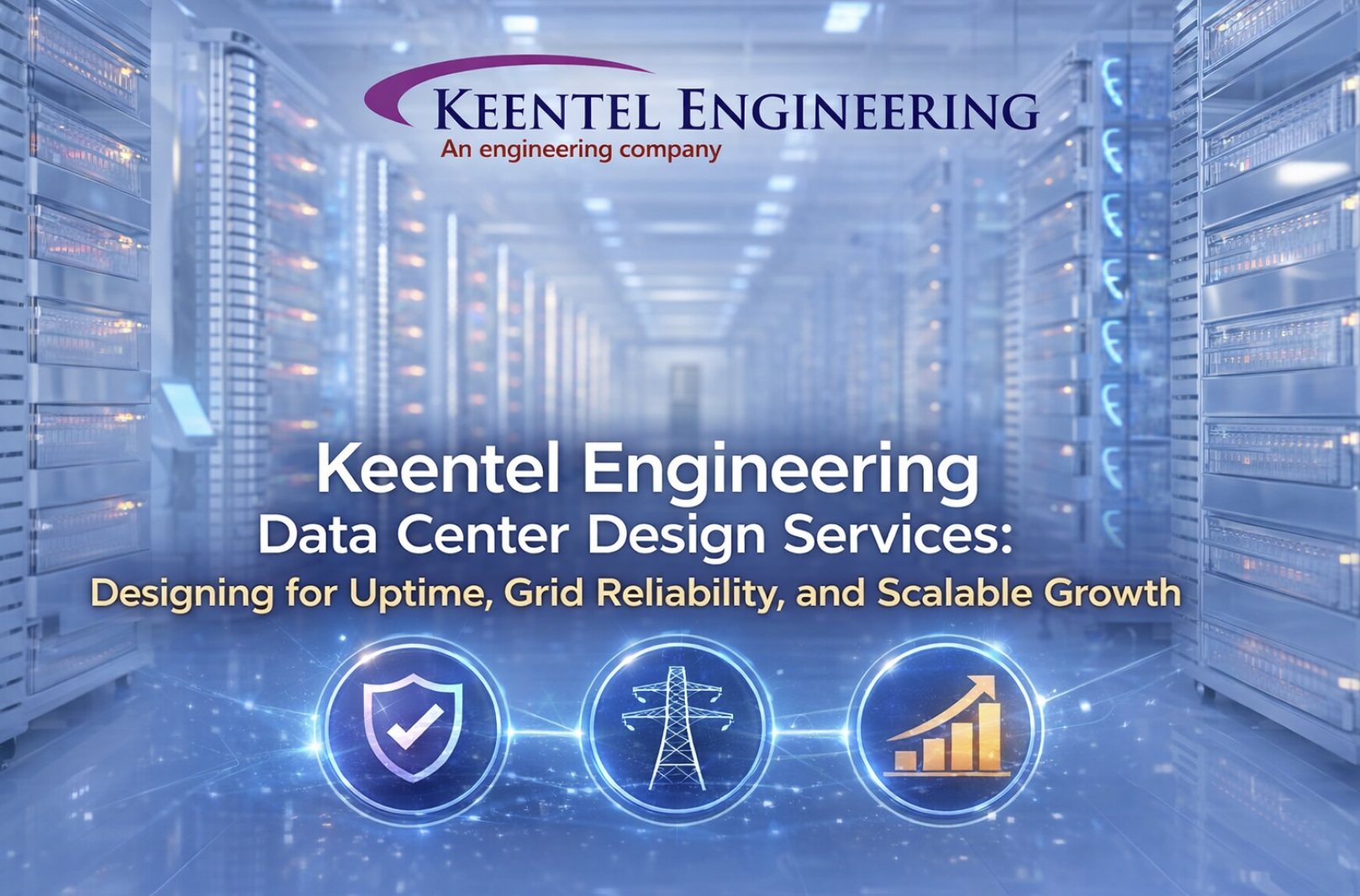
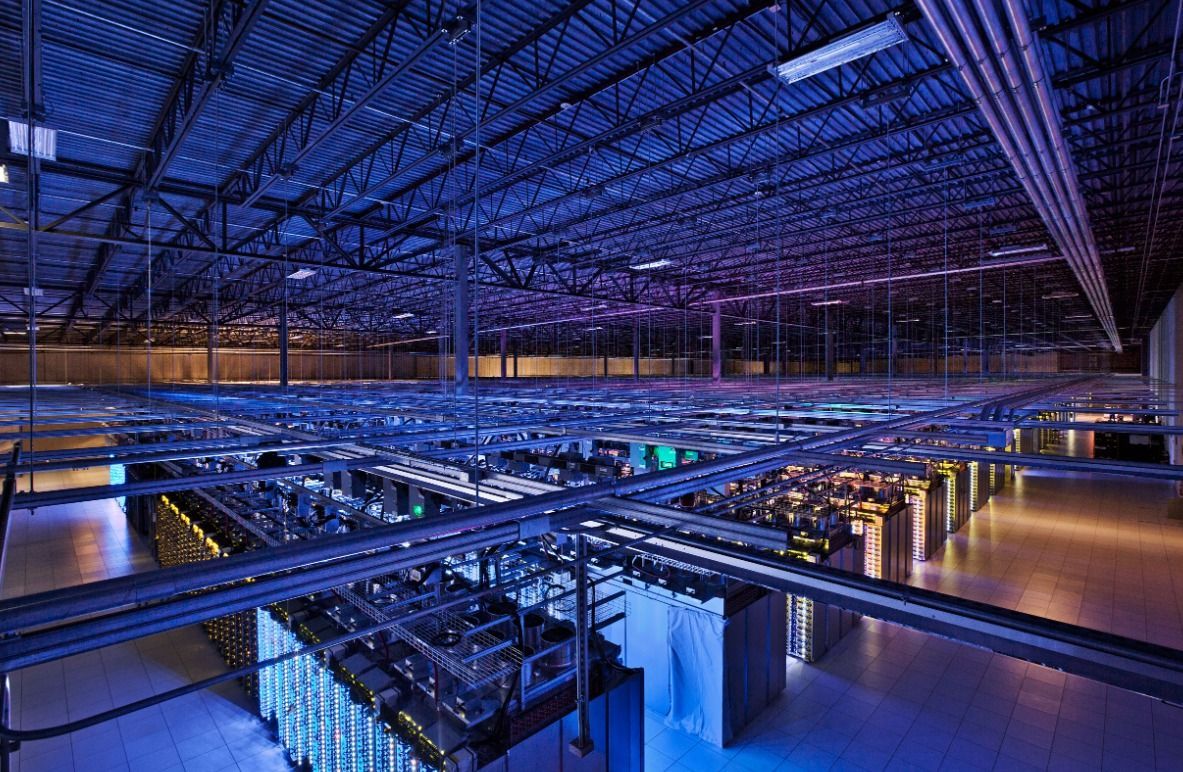
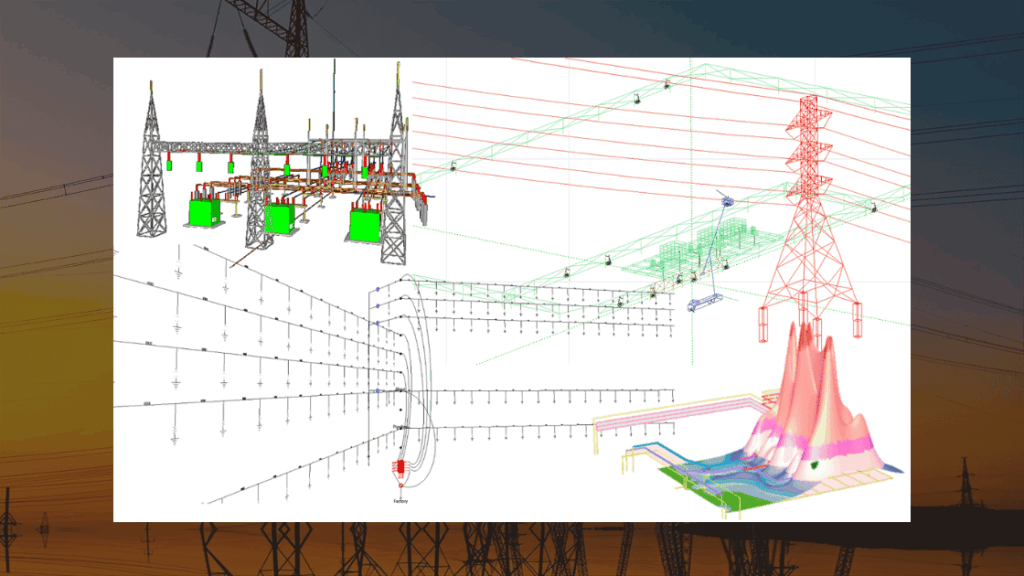
Data center power system infrastructure diagram

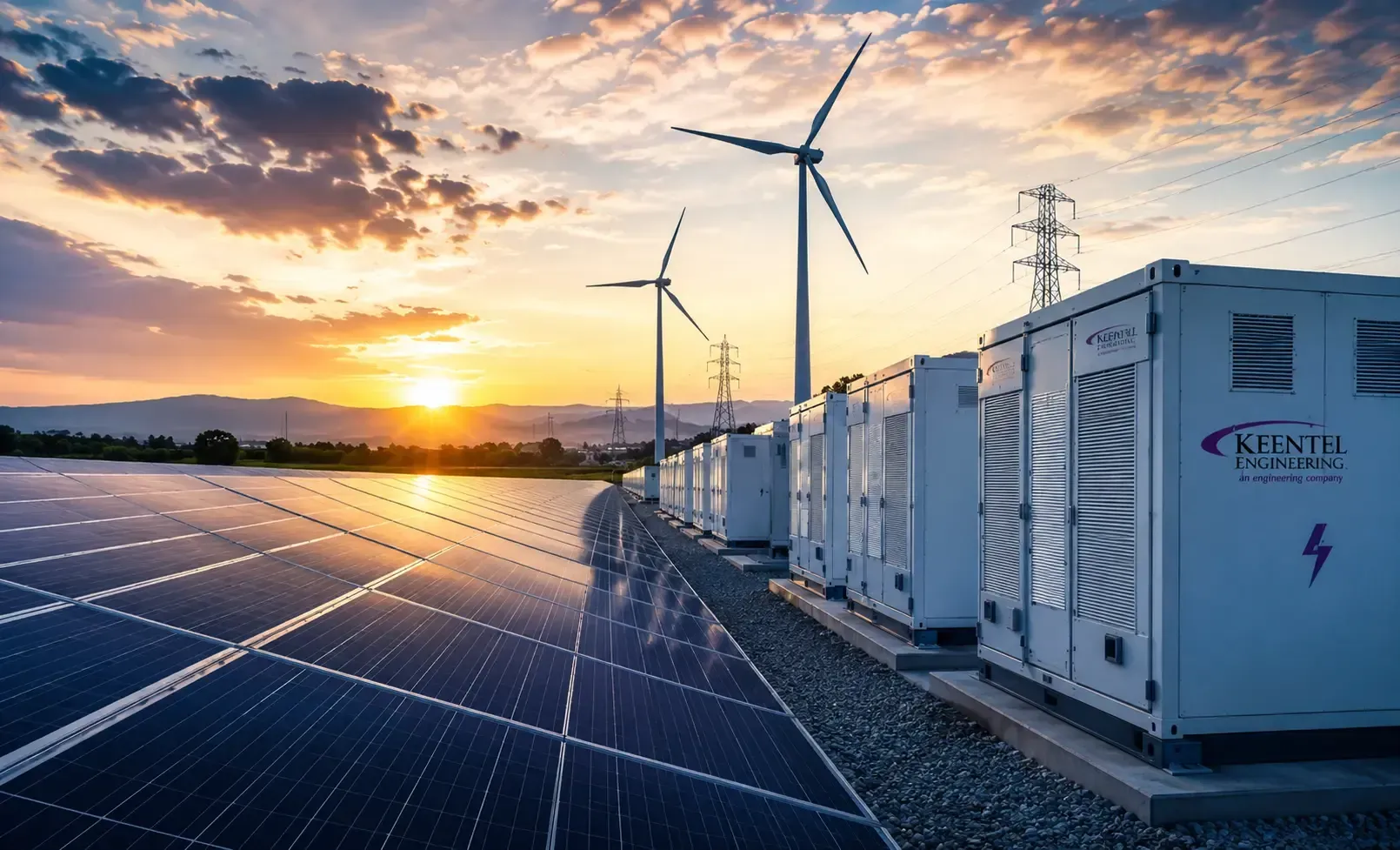
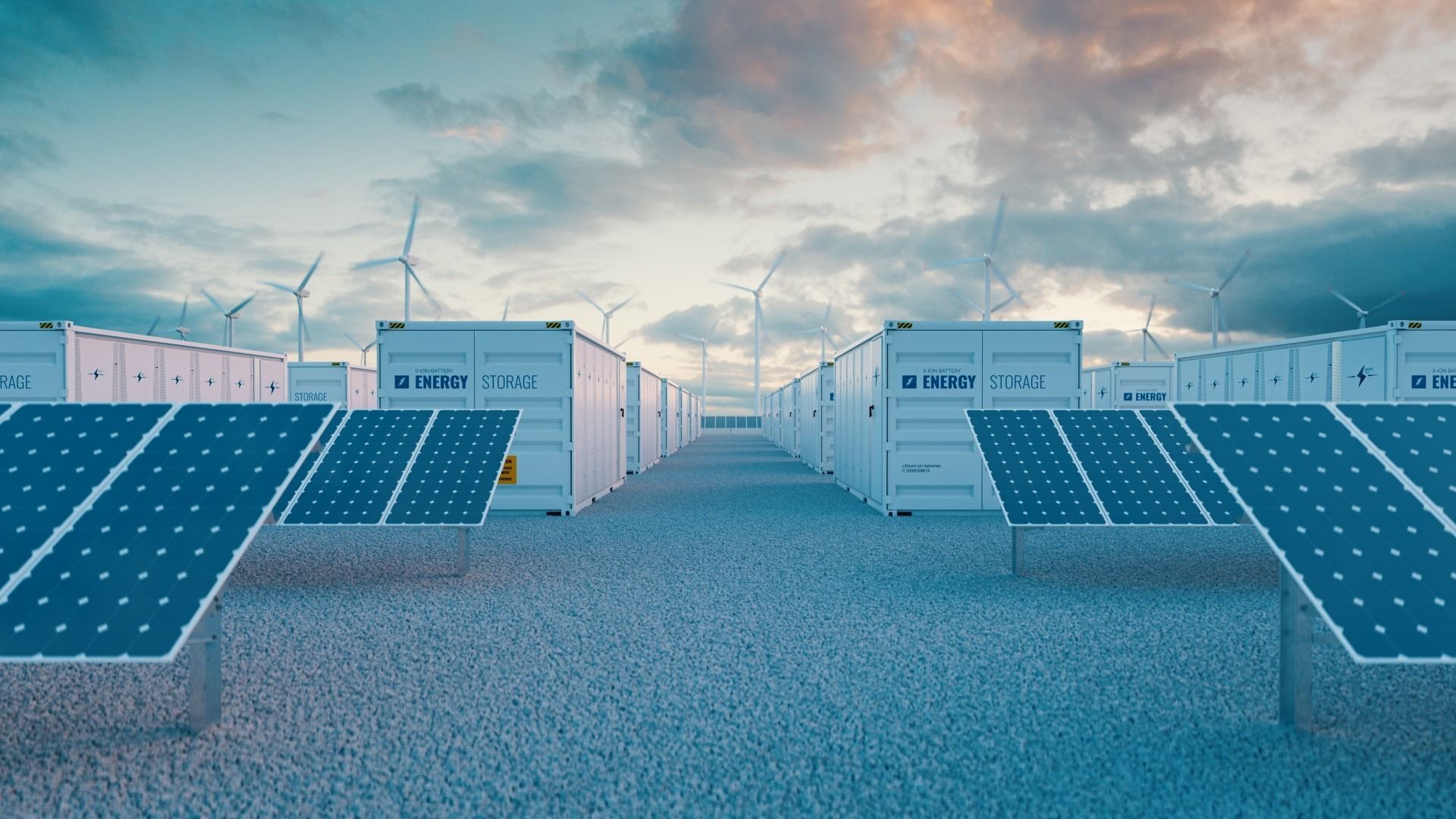
Utility-scale renewable energy projects require advanced power system engineering to ensure reliable and compliant grid integration. Keentel Engineering supports solar, wind, and BESS developers with POI interconnection studies, IEEE 2800 compliance, dynamic modeling, and NERC reliability support.

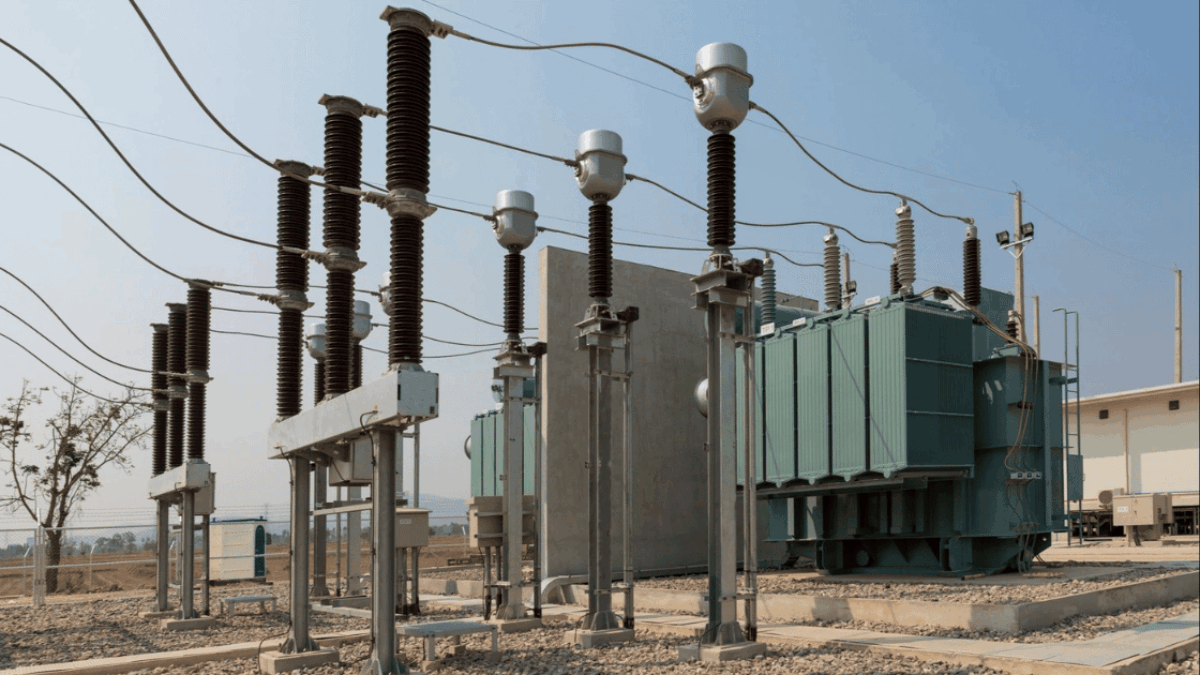
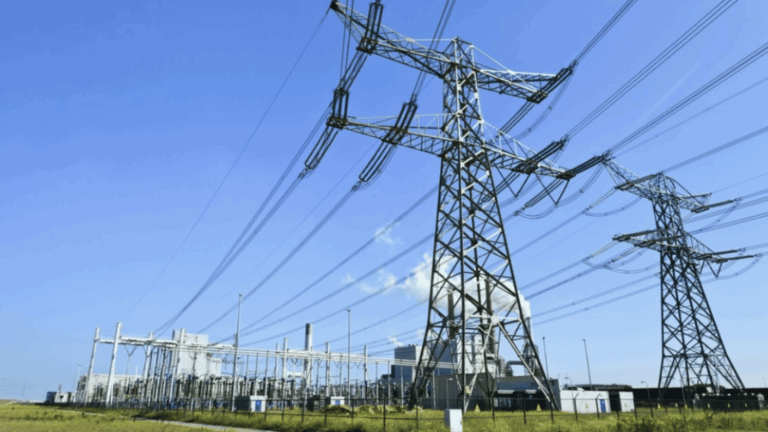
High-voltage power transmission towers under dramatic sunset skies supporting large-scale electrical infrastructure.

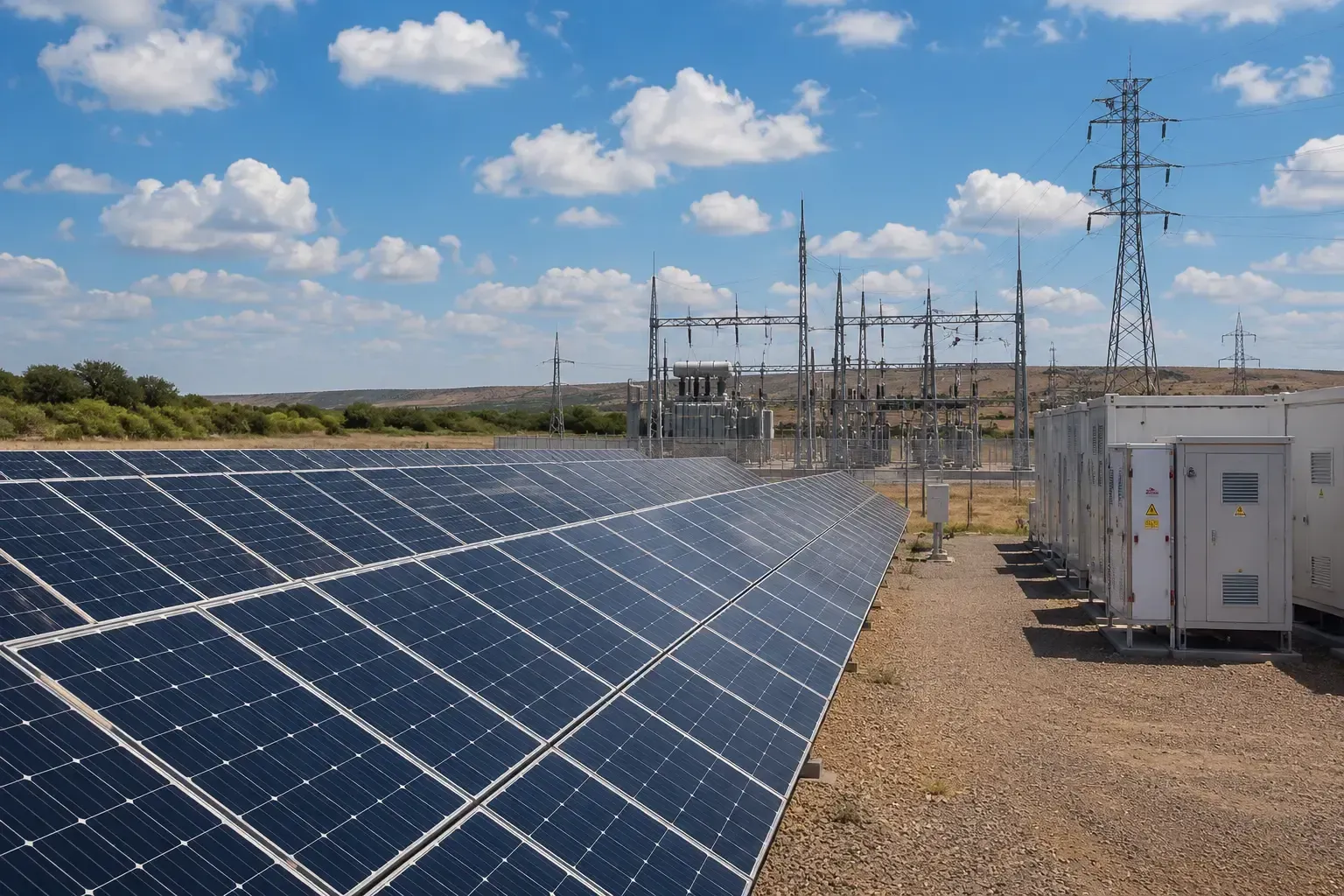
Utility-Scale Solar Farm Engineering

Keentel Engineering supports solar farm projects with POI interconnection studies, IEEE 2800 compliance, harmonic analysis, short-circuit studies, protection coordination, and NERC PRC-024/PRC-029 support. We help validate safe grid integration and stable inverter performance.

designed to improve operational reliability

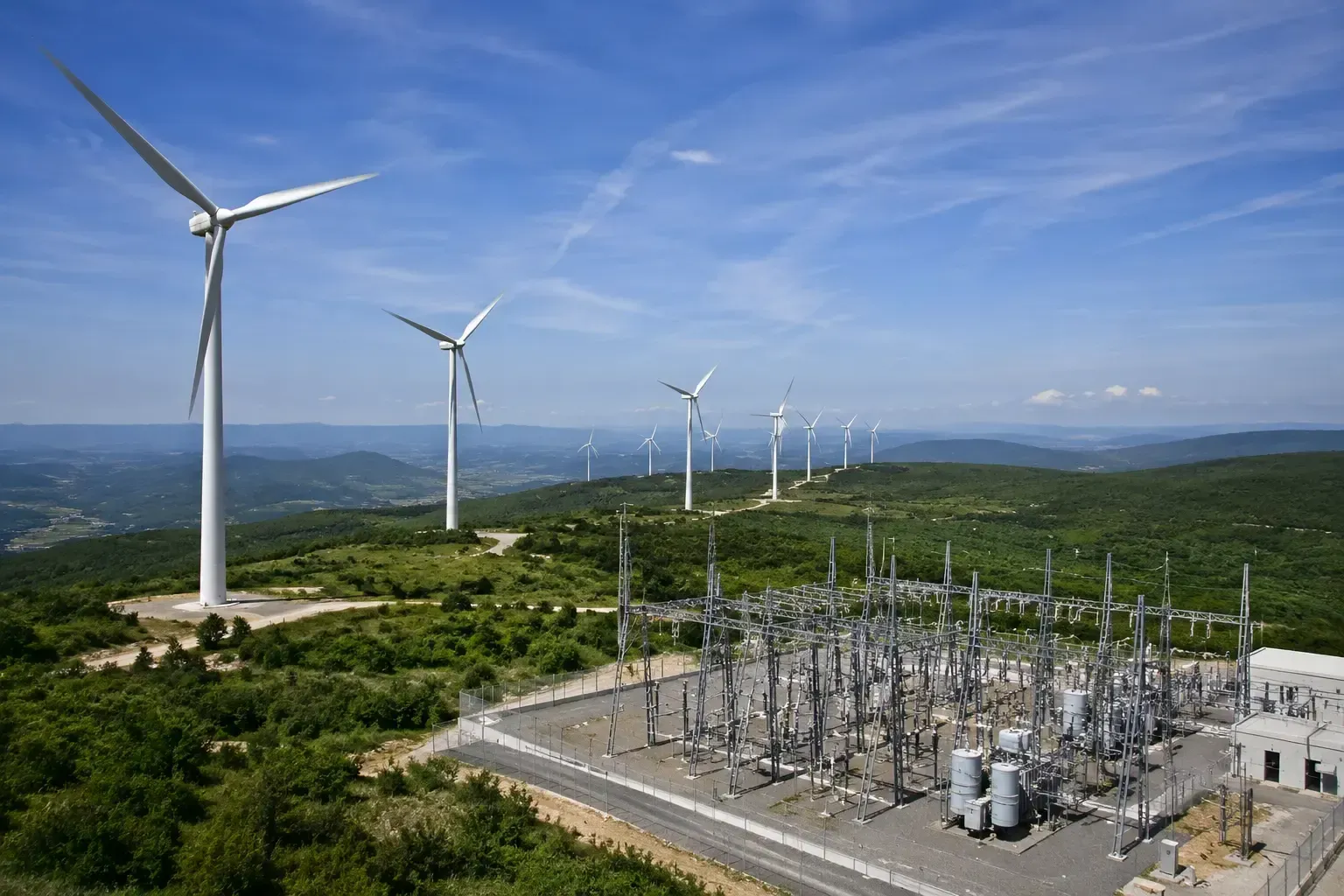
Utility-Scale Wind Farm Engineering

We provide wind farm engineering for Type 3 and Type 4 turbine systems, dynamic stability, weak grid analysis, synthetic inertia, subsynchronous oscillation studies, IEEE 2800 validation, and transmission planning support.

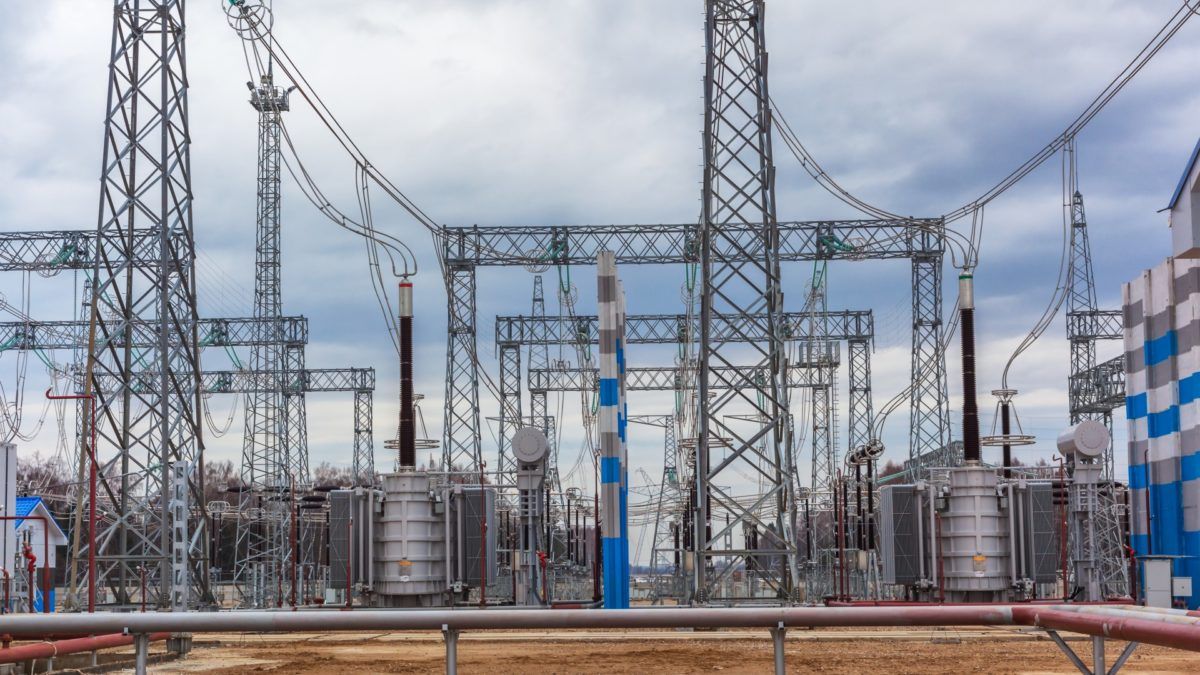
Utility workers installing rooftop solar panels at sunset for commercial renewable energy and industrial power infrastructure projects.

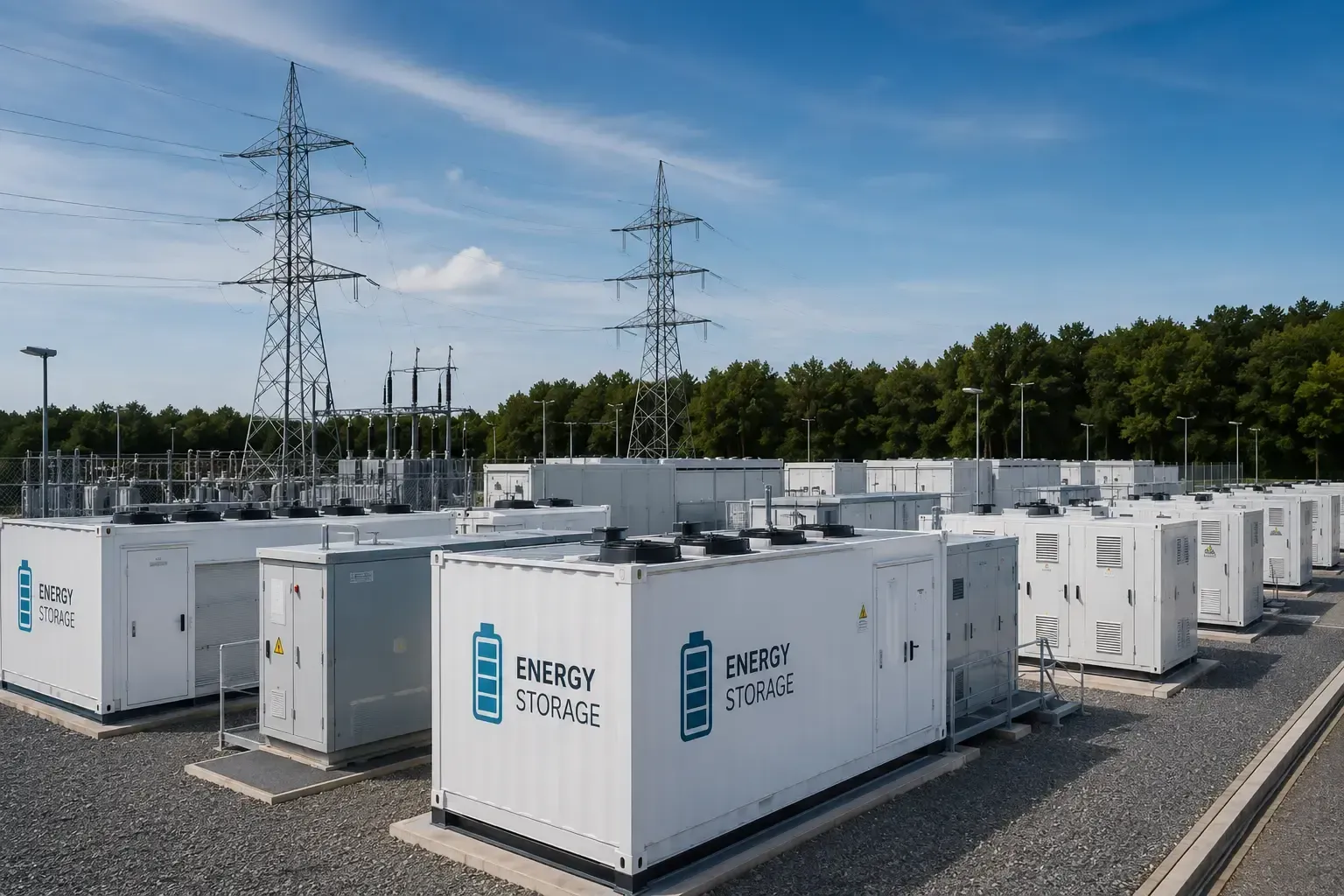
Battery Energy Storage System Engineering

Our BESS engineering services cover grid-forming and grid-supporting inverter controls, frequency response studies, harmonic analysis, fault contribution review, protection coordination, and energy management system validation.

Why Renewable Projects Require Specialized Engineering

Solar, wind, and BESS projects operate differently from traditional power plants. These inverter-based resources rely on software controls, fast response times, and detailed grid modeling to remain stable.

we help developers Address:

  • Fast control interactions and oscillation risks
  • Weak grid conditions and grid-forming inverter need
  • Synthetic inertia and frequency support requirements
  • Protection coordination for active power electronics

We ensure IEEE 2800 and NERC PRC-024/PRC-029 compliance so your project gets approved and operates reliably.

Ensure Your Electrical Infrastructure Is Safe, Compliant, and Future-Ready

Software Tools Used for Renewable Energy Engineering

Keentel Engineering uses advanced power system simulation platforms to support utility-scale solar, wind, and BESS projects — including POI interconnection studies, dynamic stability analysis, harmonic studies, EMT modeling, and IEEE 2800 compliance validation.


PSS®E software for renewable energy engineering
PSS®E
14+ Years
Dynamic Modeling
PowerWorld software for power flow studies
PowerWorld
10+ Years
Power Flow Studies
PSLF
8+ Years
Stability Analysis
DIgSILENT PowerFactory for grid simulation
DIgSILENT
8+ Years
Grid Simulation
SKM PowerTools for protection and power analysis
SKM PowerTools
6+ Years
Protection Studies
ETAP software for renewable power system design
ETAP
10+ Years
Power System Design
These tools allow detailed simulation of renewable energy projects, including inverter-based resources, weak grid conditions, transmission impacts, protection coordination, and compliance requirements across utility-scale power systems.
Keentel Engineering – Software FAQ
PSS®E PSS®E
ETAP ETAP
PSCAD PSCAD
PowerWorld PowerWorld
SKM PTW SKM PTW
General FAQs
01 What is PSS®E software?
PSS®E (Power System Simulator for Engineering) is a power system simulation software developed by Siemens for analyzing and planning electrical transmission networks. It allows engineers to model large-scale power systems and perform detailed studies related to grid reliability and system performance.
02 What is PSS®E used for in power system studies?
PSS®E is used for transmission planning, interconnection studies, contingency analysis, stability simulations, and grid expansion planning. Utilities and consultants use the software to evaluate how electrical networks behave under different operating conditions.
03 Who uses PSS®E software?
PSS®E is used by electric utilities, transmission planners, system operators, renewable energy developers, engineering consulting firms, and research institutions involved in power system planning and reliability analysis.
04 Can PSS®E be used for renewable energy integration?
Yes. PSS®E supports modeling of inverter-based resources such as solar plants, wind farms, and battery energy storage systems to analyze their impact on grid stability and transmission system performance.
05 Why is PSS®E widely used in transmission planning?
PSS®E is widely used because it supports very large power system models, advanced dynamic simulations, and automated analysis workflows, making it suitable for complex transmission network planning studies.
Technical FAQs
01 How does PSS®E perform contingency analysis?
PSS®E evaluates system reliability by simulating outage scenarios such as transmission line failures, generator trips, or transformer outages and identifying voltage violations or thermal overloads.
02 What types of dynamic simulations can be performed in PSS®E?
PSS®E supports transient stability analysis, generator dynamics simulation, renewable inverter modeling, and disturbance response studies.
03 What is PV and QV analysis in PSS®E?
PV and QV analysis are used to evaluate voltage stability margins and determine the system's ability to maintain acceptable voltage levels under increasing load conditions.
04 How does PSS®E support large power system models?
PSS®E uses optimized numerical algorithms and sparse matrix techniques that allow engineers to simulate electrical networks with up to 200,000 buses.
05 Can PSS®E simulations be automated?
Yes. PSS®E provides extensive Python APIs that allow engineers to automate contingency studies, batch simulations, and large-scale grid analysis workflows.
General FAQs
01 What is ETAP software?
ETAP is an electrical power system engineering software platform used for designing, simulating, analyzing, and operating electrical networks across industrial, utility, and commercial systems.
02 What types of studies can be performed in ETAP?
ETAP supports power flow analysis, short circuit studies, arc flash analysis, protection coordination studies, harmonic analysis, and dynamic stability simulations.
03 What industries use ETAP software?
ETAP is used by electric utilities, renewable energy plants, data centers, oil and gas facilities, industrial manufacturing plants, and infrastructure projects.
04 What is the ETAP Electrical Digital Twin?
The ETAP Electrical Digital Twin is a virtual representation of a real electrical network that enables engineers to simulate and monitor system performance before implementing changes in the physical system.
05 Why is ETAP widely used for electrical engineering studies?
ETAP provides an integrated platform for design, simulation, monitoring, and optimization of electrical systems, allowing engineers to analyze system behavior and improve operational reliability.
Technical FAQs
01 How does ETAP perform short circuit analysis?
ETAP calculates fault currents using international standards such as ANSI/IEEE C37 and IEC 60909 to evaluate equipment ratings and protection system requirements.
02 What is ETAP arc flash analysis?
Arc flash analysis calculates incident energy levels and safety boundaries based on standards such as IEEE 1584 and NFPA 70E to improve electrical safety.
03 How does ETAP perform protection coordination studies?
ETAP uses Time-Current Characteristic (TCC) curves to evaluate the coordination between relays, breakers, and fuses to ensure selective protection during faults.
04 Can ETAP simulate renewable energy systems?
Yes. ETAP allows engineers to model solar PV systems, wind generators, battery energy storage systems, and microgrids.
05 What dynamic simulations can be performed in ETAP?
ETAP dynamic simulations evaluate system behavior during disturbances such as generator trips, faults, motor starting events, and switching operations.
General FAQs
01 What is PSCAD software?
PSCAD is an electromagnetic transient (EMT) simulation software used to analyze fast electrical and electromagnetic phenomena in power systems.
02 What is PSCAD used for?
PSCAD is used for HVDC studies, converter modeling, renewable inverter simulations, lightning surge analysis, and electromagnetic transient studies.
03 Who typically uses PSCAD?
PSCAD is used by utilities, renewable developers, equipment manufacturers, engineering consulting firms, and research institutions.
04 Why is PSCAD important for renewable energy studies?
PSCAD allows engineers to simulate inverter-based resources and analyze complex electromagnetic interactions within modern power systems.
05 What types of systems can PSCAD model?
PSCAD can model transmission networks, HVDC systems, renewable plants, power electronic converters, and protection systems.
Technical FAQs
01 What is electromagnetic transient simulation?
EMT simulation analyzes high-frequency electrical phenomena that occur in power systems during switching events, lightning strikes, and converter operations.
02 How does PSCAD model transmission lines?
PSCAD models transmission lines using distributed parameter models that capture traveling wave behavior and electromagnetic interactions.
03 What simulation time steps are used in PSCAD?
Typical EMT simulations use time steps ranging from microseconds to tens of microseconds depending on system complexity.
04 Can PSCAD simulate HVDC systems?
Yes. PSCAD provides detailed models for line-commutated converters (LCC) and voltage source converter (VSC) HVDC systems.
05 How does PSCAD simulate inverter-based resources?
PSCAD uses detailed converter control models to simulate grid-forming and grid-following inverter behavior.
General FAQs
01 What is PowerWorld software?
PowerWorld is a power system simulation and visualization software used to analyze electrical transmission networks.
02 What is PowerWorld Simulator?
PowerWorld Simulator is an interactive tool used to perform power flow analysis, contingency analysis, and voltage stability studies.
03 Who uses PowerWorld software?
PowerWorld is used by utilities, transmission planners, power system operators, consultants, and universities.
04 What types of studies can be performed in PowerWorld?
PowerWorld supports power flow analysis, contingency analysis, optimal power flow studies, voltage stability analysis, and fault analysis.
05 What makes PowerWorld unique?
PowerWorld provides interactive visualization tools such as animated one-line diagrams and geographic system displays.
Technical FAQs
01 How does PowerWorld perform contingency analysis?
PowerWorld simulates outage scenarios and identifies violations such as overloaded lines or low voltage conditions.
02 What numerical methods are used for power flow analysis?
PowerWorld typically uses Newton-Raphson algorithms to solve large power system models efficiently.
03 What is PV and QV analysis in PowerWorld?
PV and QV curves evaluate voltage stability limits and identify potential voltage collapse scenarios.
04 What is Optimal Power Flow (OPF)?
OPF determines the optimal generation dispatch while maintaining system constraints and minimizing operating costs.
05 How large of a system can PowerWorld simulate?
PowerWorld can simulate electrical networks with up to approximately 250,000 buses.
General FAQs
01 What is SKM PowerTools software?
SKM PowerTools is an electrical engineering software platform used for power system design, analysis, and safety evaluation.
02 What types of studies can SKM perform?
SKM supports load flow analysis, short circuit studies, arc flash analysis, protection coordination, harmonic analysis, and grounding system studies.
03 What industries use SKM PowerTools?
SKM is widely used in utilities, industrial plants, data centers, oil and gas facilities, and commercial electrical infrastructure projects.
04 What is SKM CAPTOR used for?
CAPTOR is SKM's protective device coordination module used to analyze relay, breaker, and fuse coordination using time-current curves.
05 Why is SKM widely used for electrical system analysis?
SKM provides integrated modules that allow engineers to perform multiple electrical studies within a single software platform.
Technical FAQs
01 How does SKM perform short circuit analysis?
SKM calculates fault currents using ANSI and IEC standards and evaluates symmetrical and asymmetrical fault conditions.
02 What is arc flash analysis in SKM?
Arc flash analysis determines incident energy levels and hazard boundaries to improve electrical safety and comply with standards such as IEEE 1584.
03 How does SKM perform load flow analysis?
Load flow analysis calculates voltage levels, power flows, and system losses within electrical networks.
04 Can SKM simulate harmonic distortion?
Yes. The HI_WAVE module evaluates harmonic distortion caused by non-linear loads and power electronic devices.
05 How does SKM evaluate protection coordination?
SKM analyzes protective device operation using time-current curves to ensure proper fault isolation.

Our Renewable Engineering Process

Step 1

Standards Assessment and Scope Definition

Define applicable standards, project scope, technical requirements, and compliance objectives.

Step 2

Baseline Power System Modeling

Develop steady-state and dynamic models to establish the baseline power system performance.

Step 3

Interconnection Studies and Compliance Validation

Perform interconnection studies and validate compliance with utility and regulatory requirements.

Step 4

Mitigation Recommendations and Documentation

Identify technical risks, recommend mitigation measures, and prepare supporting documentation.

Step 5

Operational Planning and Grid Operator Support

Support operational planning, grid operator coordination, and final project readiness.

Why Choose  Keentel Engineering

Our engineers help developers, utilities, and EPC teams reduce technical risk, validate grid performance, and move renewable projects toward safe, compliant interconnection.

Our engineers offer:

Person in crosshairs. Fo F

Expertise in HV, MV, and EHV power systems

Person icon with a badge of honor. Expe Exp E Ex

Advanced power system modeling capabilities

Black and white starburst icon with a star in the center. Qual Q

Experience with utility and ISO planning requirements

Magnifying glass with a diamond, circle, triangle, and hexagon.

Deep understanding of NERC reliability standards

A black shield icon with a white checkmark inside, representing security or verified status.

Practical engineering solutions for complex power system challenges

Let's Discuss How to Optimize Your Next Project

Submit

Who We've Served

Serving utilities, EPCs, developers, and infrastructure organizations supporting critical power systems nationwide.

Need Renewable Engineering Support?

Contact Keentel Engineering to discuss your solar, wind, BESS, or interconnection project.

Technical FAQs

  • 1. What is a utility-scale solar farm?

    A utility-scale solar farm is a large solar power generation facility designed to produce significant amounts of electricity, typically in the range of several megawatts (MW) to gigawatts (GW). These solar farms are connected directly to the electrical grid and supply power to utilities, industries, or large-scale consumers. They typically consist of thousands of solar panels, inverters, and associated infrastructure spread across large areas of land.

  • 2. Why is engineering important for a utility-scale solar farm project?

    Engineering plays a critical role in the success of a utility-scale solar farm. Proper design and planning ensure that the system is efficient, reliable, and cost-effective. Engineering services are essential for optimizing energy production, ensuring compliance with grid codes, addressing safety concerns, and minimizing operational costs. A well-engineered solar farm also ensures long-term performance and sustainability.
  • 3.How much do your utility-scale solar farm engineering services cost?

    The cost of our utility-scale solar farm engineering services varies depending on the size and complexity of the project. We offer customized pricing based on the scope of work, including design, permitting, construction management, and commissioning. We provide cost-effective solutions tailored to your project’s specific needs while ensuring the highest quality and compliance standards

  • 4. What is a utility-scale wind farm?

    A utility-scale wind farm is a large-scale wind power generation facility designed to produce significant amounts of electricity, typically ranging from tens of megawatts (MW) to hundreds of megawatts. These wind farms are connected to the electrical grid and supply power to utilities, industries, or large consumers. They consist of multiple wind turbines, substations, and electrical infrastructure, spread over large land areas.

  • 5. Construction Supervision & Project Management: Overseeing construction activities to ensure timely, cost-effective, and safe implementation.

    Engineering is crucial for the success of a utility-scale wind farm because it ensures the project is designed for maximum efficiency, reliability, and safety. Proper engineering helps optimize turbine placement, integrate the system with the grid, minimize environmental impacts, and ensure that the farm operates within regulatory guidelines. Well-engineered systems reduce downtime, extend the life of equipment, and maximize energy production.

  • 6. How much do your utility-scale wind farm engineering services cost?

    The cost of our utility-scale wind farm engineering services depends on the size and complexity of the project. We offer customized pricing based on the scope of work, including site assessment, design, construction, and commissioning. We work with clients to provide cost-effective solutions that maximize energy production while ensuring quality and regulatory compliance

  • 7. What is wake loss, and why does it matter in wind farm design?

    Wake loss happens when one turbine blocks or disturbs the airflow to another, reducing overall efficiency. We use advanced modeling to optimize turbine layouts and minimize wake effects, maximizing energy production across the site.

  • 8. How is wind measured and modeled before building a wind farm?

    Accurate wind measurement is crucial. We help deploy LiDAR, SODAR, or meteorological towers to collect data on wind speed, direction, and turbulence. This information guides turbine placement, foundation design, and overall project feasibility.

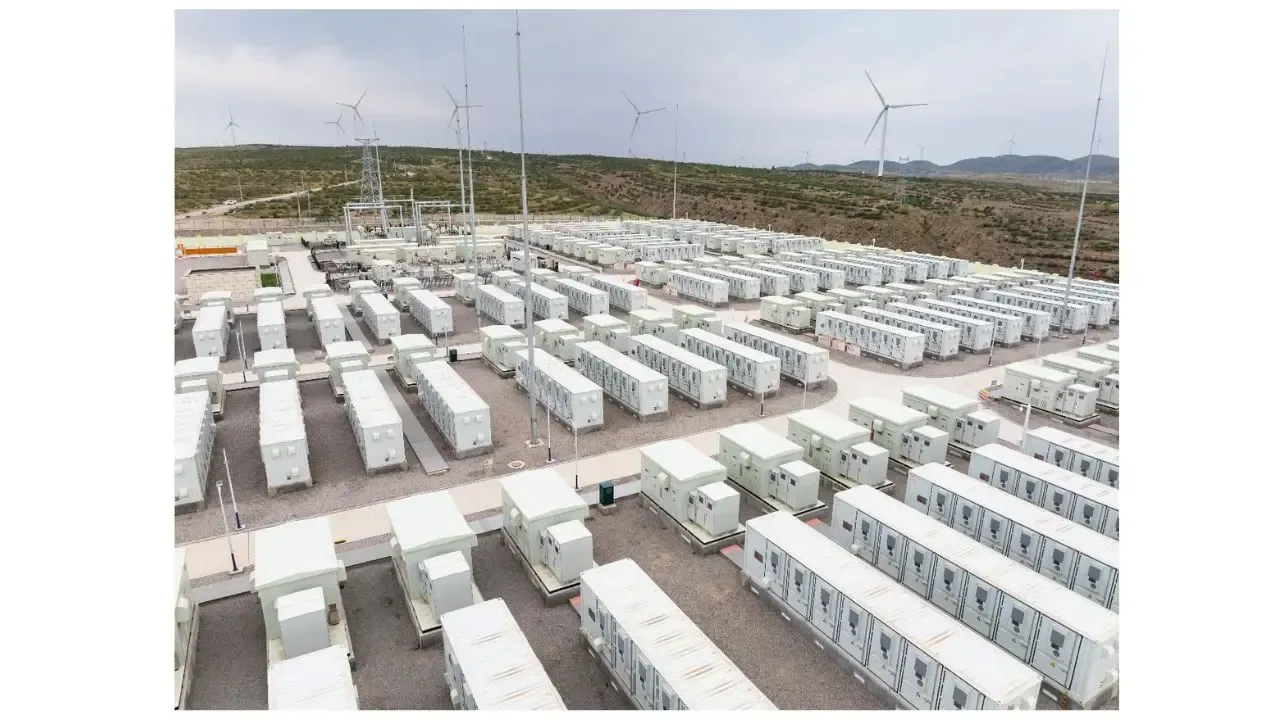
  • 9. How much do your utility-scale battery storage engineering services cost?

    The cost of our utility-scale battery storage engineering services depends on the scope and complexity of the project. We offer customized pricing based on the size of the battery storage system, the technology selected, and the specific engineering services required. Our goal is to provide cost-effective solutions that maximize energy storage efficiency while meeting grid integration and regulatory requirements.

  • 10. What is the difference between utility-scale BESS and commercial battery systems?

    Utility-scale BESS are large-scale battery storage systems typically rated in megawatts (MW) and designed to support the electrical grid, renewable energy integration, and peak load management. In contrast, commercial battery systems serve individual facilities or campuses and are usually smaller in capacity, focusing on energy savings and backup power rather than grid-level applications.

  • 11. How does a BESS improve grid reliability during peak demand or outages?

    A utility-scale battery energy storage system helps stabilize the grid by instantly discharging stored electricity during peak demand, frequency fluctuations, or outages. This prevents grid overload, supports black start capabilities, and ensures uninterrupted power supply during critical situations.

  • 12.What battery chemistries are best suited for utility-scale storage?

    Lithium-ion batteries—particularly LFP (Lithium Iron Phosphate)—are the most common choice for utility-scale BESS due to their high cycle life, fast response time, and safety profile. Other technologies like flow batteries and sodium-ion systems are also emerging for long-duration storage needs.

  • 13.What is involved in BESS performance optimization after commissioning?

    Post-commissioning, BESS optimization includes monitoring charge/discharge patterns, performing predictive maintenance, updating EMS/SCADA configurations, and adjusting algorithms to enhance round-trip efficiency, demand response capabilities, and asset longevity.

  • 14. What are the fire safety and thermal management requirements for BESS?

    Safety protocols include compliance with UL 9540A testing, implementation of fire suppression systems, thermal runaway detection, proper enclosure ventilation, and regular risk assessments. Keentel ensures full adherence to NFPA 855 and other site-specific safety codes.

  • 15.Can BESS systems be co-located with solar or wind farms?

    Yes, utility-scale BESS are commonly co-located with solar or wind farms to store excess generation and discharge during low production or peak demand. This enhances renewable energy utilization, smooths intermittency, and provides firm capacity to the grid.


Utility Scale Renewable Blogs

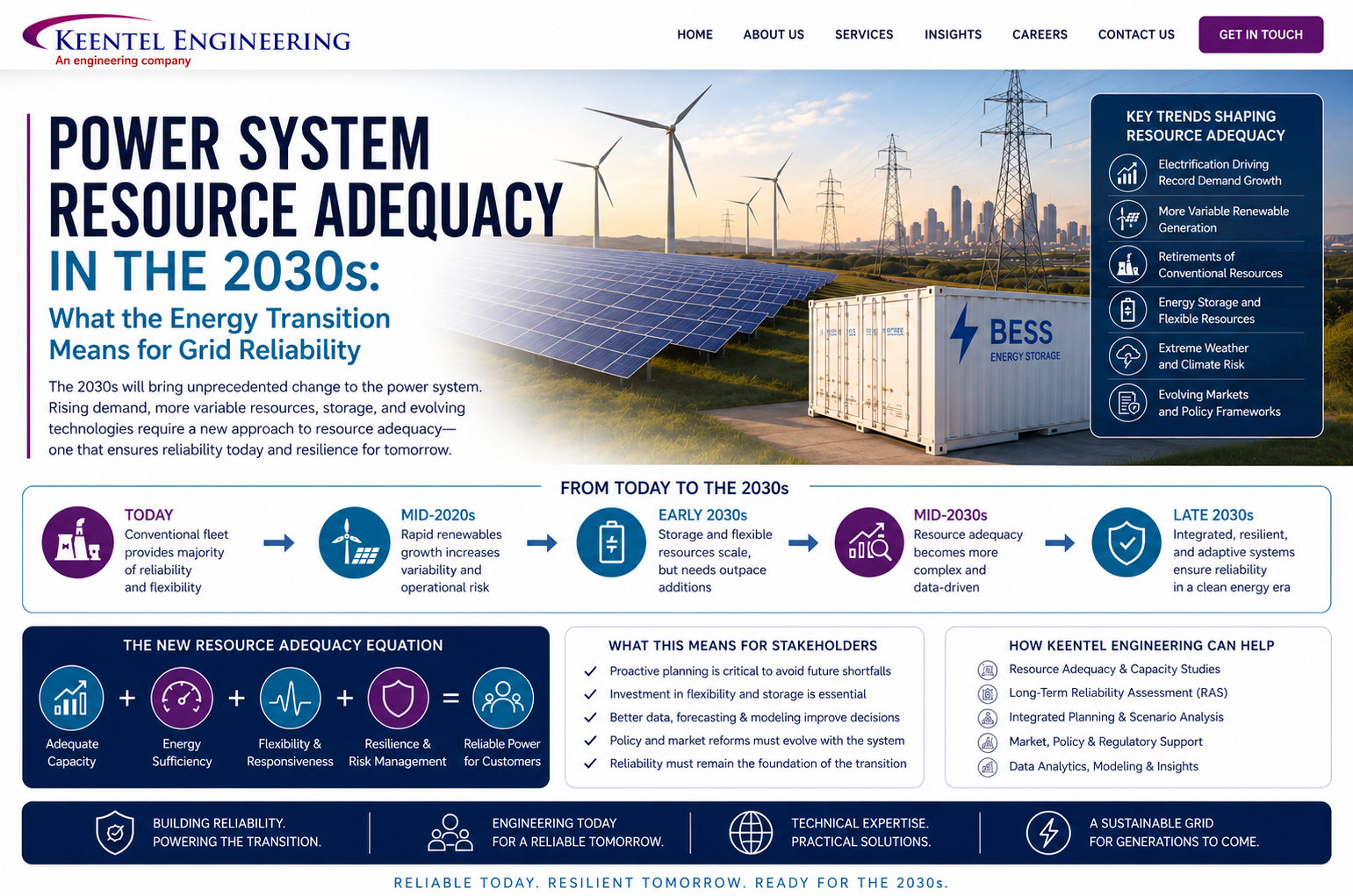
Power System Resource Adequacy in the 2030s
By SANDIP R PATEL • May 17, 2026
Learn how power system resource adequacy supports grid reliability, LOLE planning, energy storage, and interconnection risk in renewable grids.
Read More →
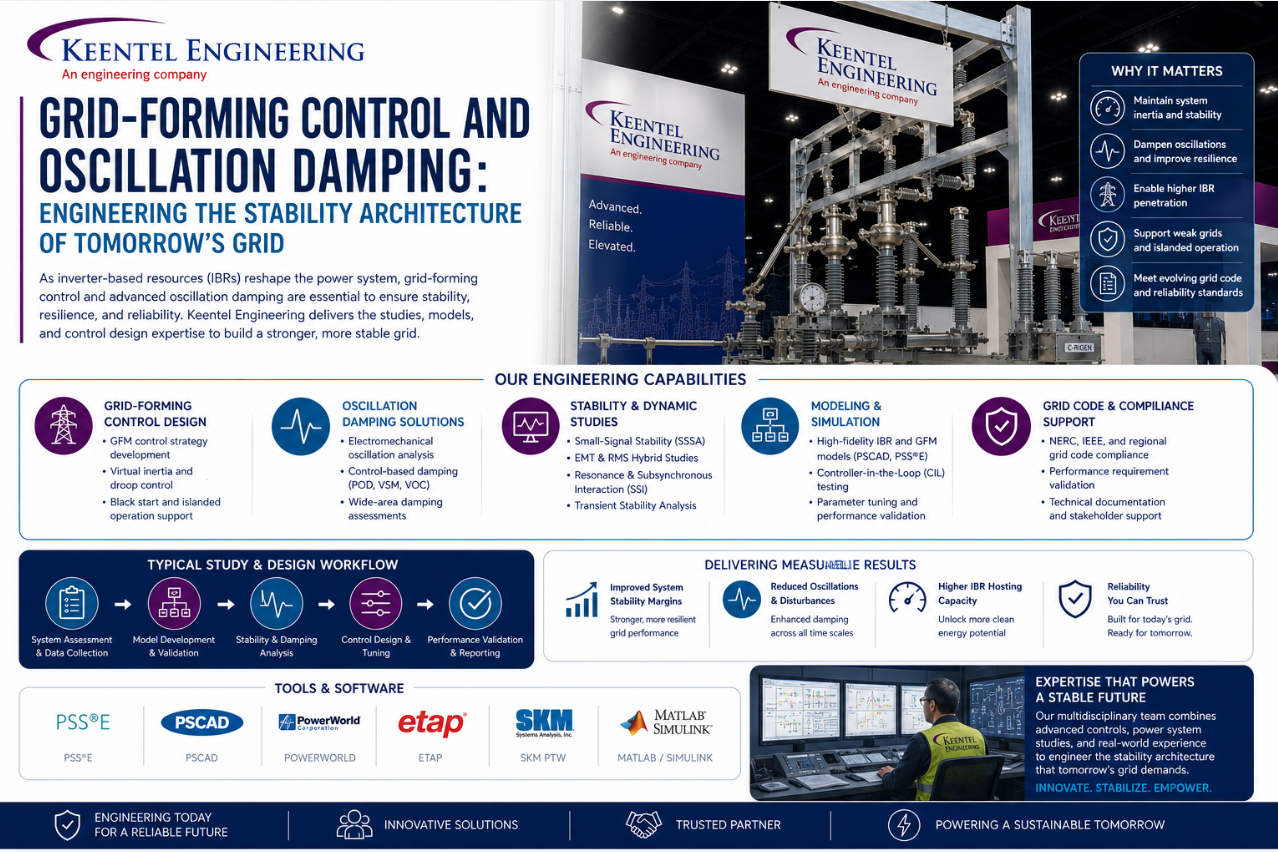
Grid-Forming Control for Oscillation Damping
By SANDIP R PATEL • May 17, 2026
Learn how grid-forming control, VSG-PSS design, and PMU monitoring improve oscillation damping in renewable power systems.
Read More →
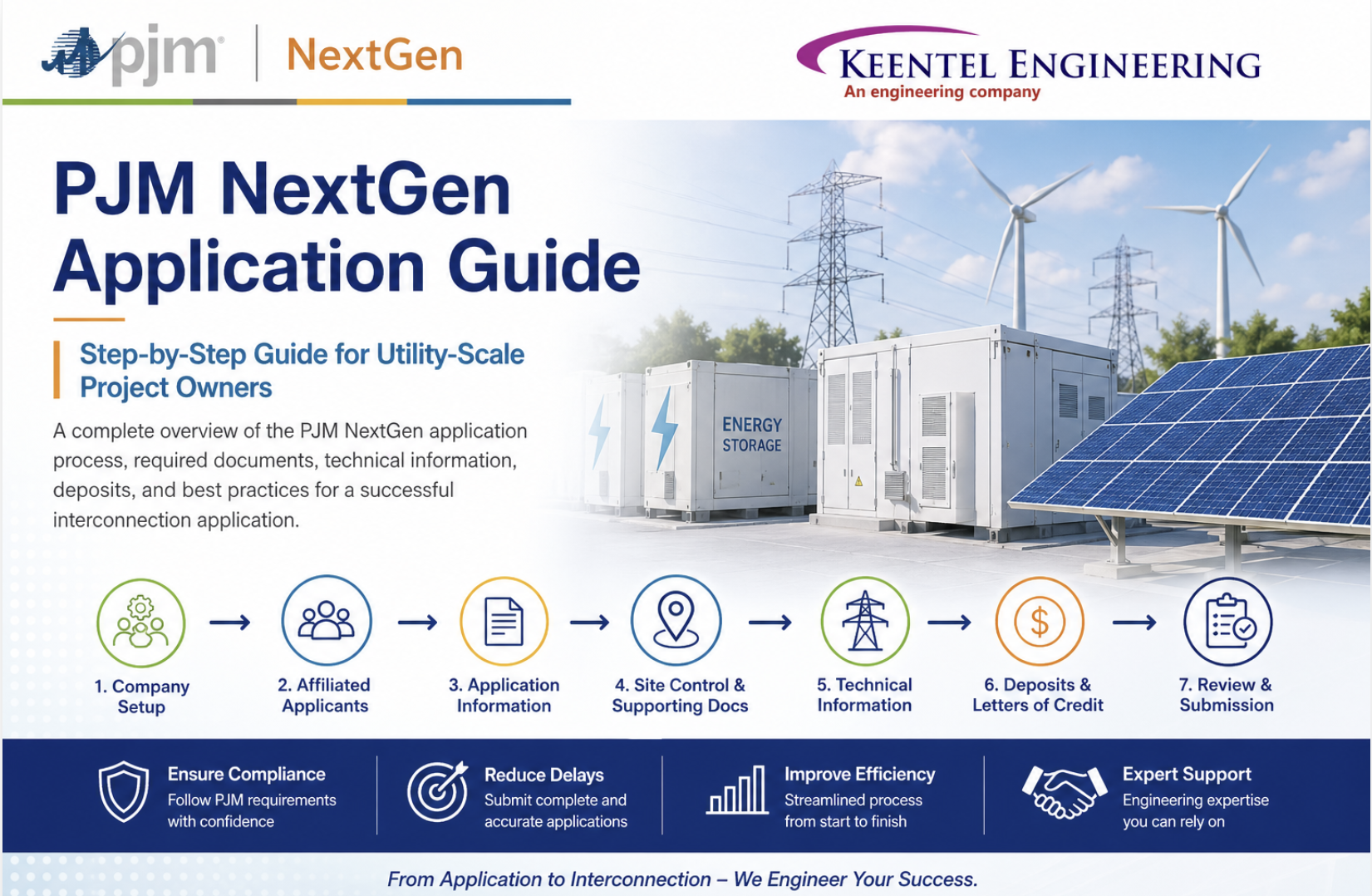
PJM NextGen Application Guide for Utility-Scale Renewable Energy Projects
By SANDIP R PATEL • April 25, 2026
Master the PJM NextGen application guide for utility-scale projects. Learn interconnection steps, technical data, and avoid delays. Get started today.
Read More →
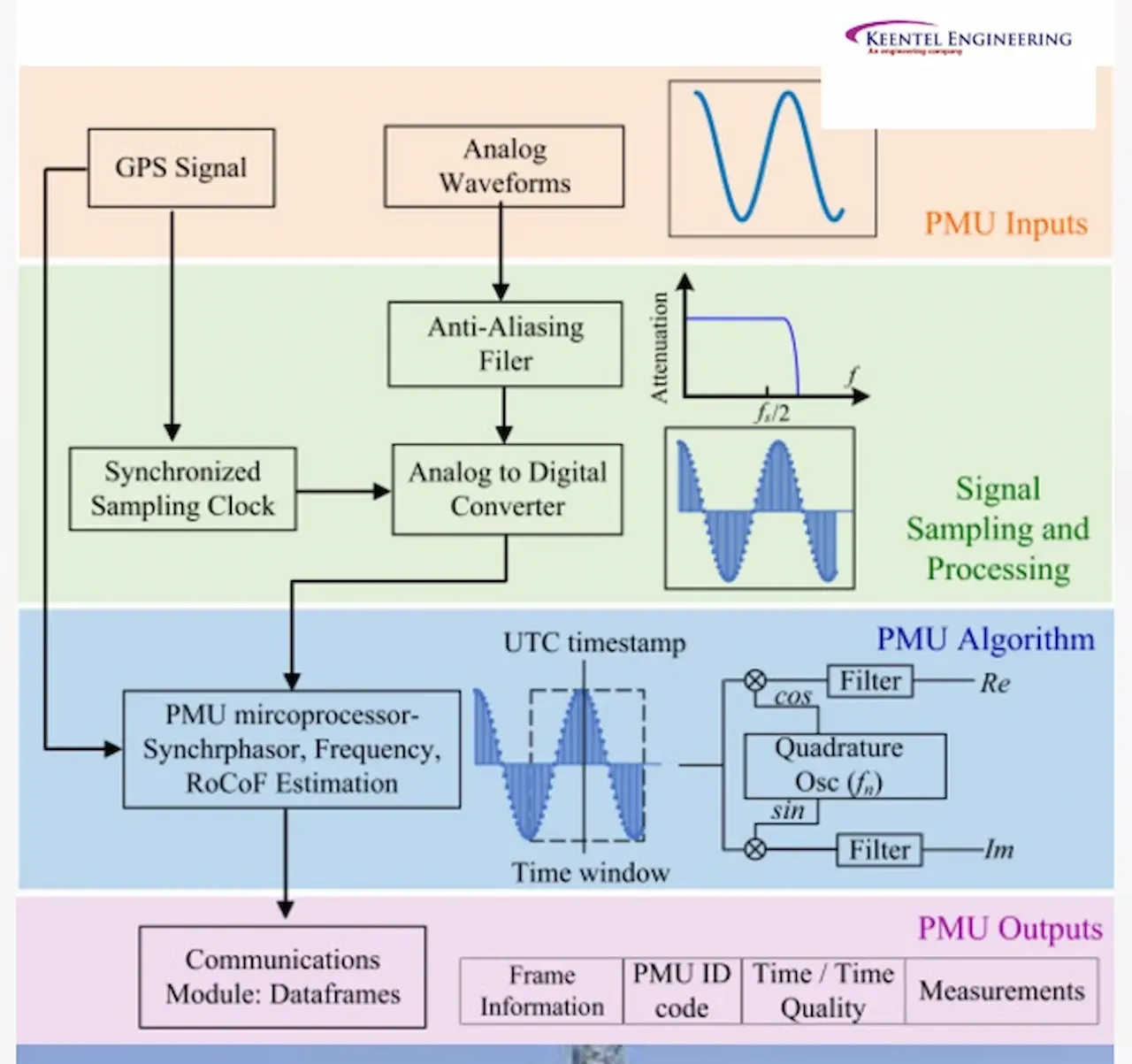
Phasor Measurement Units PMUs SEL-Based Synchrophasor Solutions
Phasor Measurement Units (PMUs): A Comprehensive Guide to SEL-Based Synchrophasor Solutions
By SANDIP R PATEL • March 28, 2026
Explore SEL PMU devices, IEEE-compliant synchrophasor tech, and grid monitoring solutions for real-time visibility, stability, and renewable integration.
Read More →
FERC Order 1920-B Long-Term Regional Transmission Planning
FERC Order 1920-B: Transforming Long-Term Regional Transmission Planning in the United States
By SANDIP R PATEL • March 13, 2026
FERC Order 1920-B introduces long-term regional transmission planning reforms in the U.S. Learn how the rule affects utilities, renewable integration, and grid infrastructure development.
Read More →
Power System Studies and Grid Interconnection Modeling
By SANDIP R PATEL • March 4, 2026
Power system studies and grid interconnection modeling for utility-scale renewables. Keentel Engineering delivers power flow studies, stability analysis.
Read More →
Five Phenomena That Could Collapse the Entire Power System
By SANDIP R PATEL • February 22, 2026
Large-scale blackouts are increasing due to reduced inertia, renewable penetration, and cascading failures. Explore the five grid instability phenomena and defense strategies.
Read More →
SCADA System Design for Collector Substations in Renewable Power Plants
SCADA System Design for Collector Substations in Large Renewable Power Plants
By SANDIP R PATEL • February 21, 2026
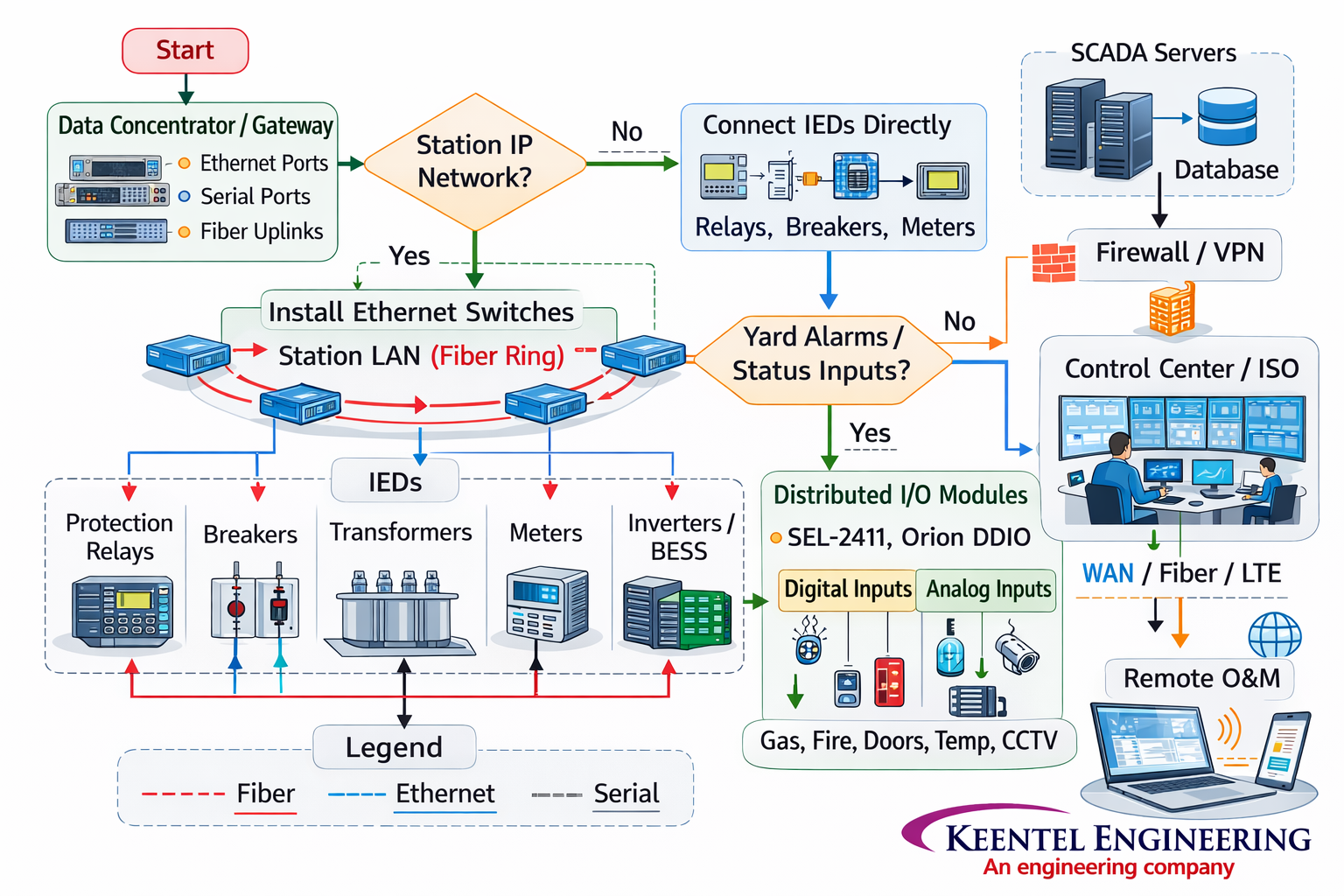
Engineering guide to SCADA system design for collector substations in solar, wind, and BESS plants, covering IEC 61850 architecture, cybersecurity, and grid compliance.
Read More →
Owner’s Engineer Services in Energy and Power Infrastructure
Owner’s Engineer Services in Energy & Power Infrastructure
By SANDIP R PATEL • February 20, 2026
Independent Owner’s Engineer services for renewable energy, substations, transmission, and BESS projects—protecting quality, compliance, and long-term asset value.
Read More →
Powering the Future with Electromagnetic Transient EMT Studies
Powering the Future with Electromagnetic Transient (EMT) Studies
By SANDIP R PATEL • September 13, 2025
Learn how EMT analysis enhances grid reliability, supports renewable integration, and ensures compliance using advanced power system simulation techniques.
Read More →
Excited to Connect at RE Plus Las Vegas Booth 1423 Keentel Engineering
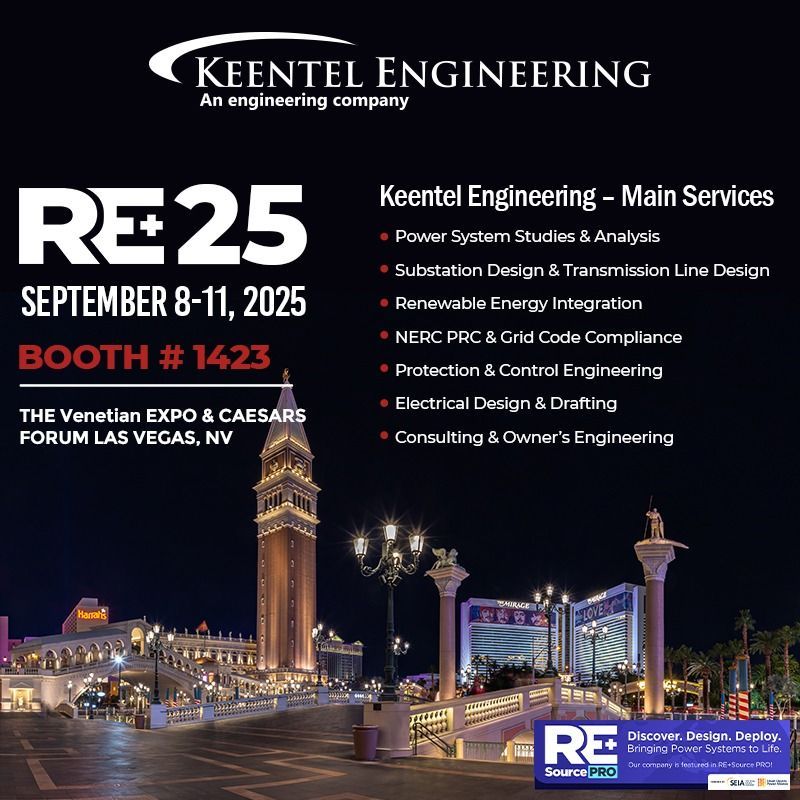
Excited to Connect at RE+ Las Vegas – Booth #1423- Keentel Engineering
By SANDIP R PATEL • August 30, 2025
Join Keentel Engineering at RE+ 2025 in Las Vegas (Booth #1423), Sept 8–11. Explore renewable energy, BESS, substation design, NERC compliance, and advanced power system studies.
Read More →
Evolution of Power System Design Deterministic to Adaptive Models
Evolution of Power System Design: Deterministic to Adaptive Models - Keental
By SANDIP R PATEL • August 27, 2025
Explore how power system design is evolving from deterministic to adaptive models, enabling renewable integration, resilience, and modern grid reliability.
Read More →
Design Validation of a Buck Converter for Renewable DC Distribution
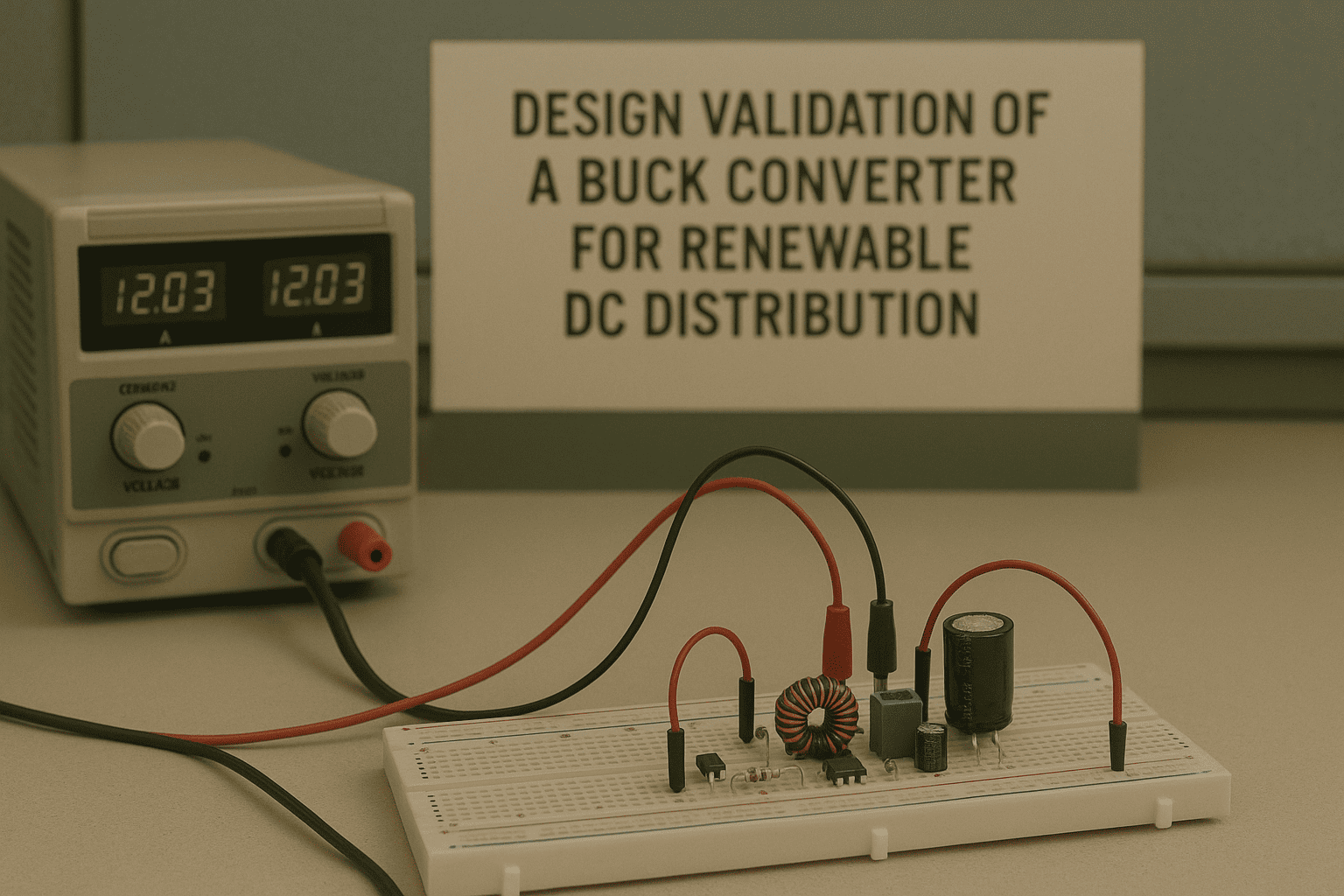
Case Study -Design Validation of a Buck Converter for Renewable DC Distribution
By SANDIP R PATEL • May 27, 2025
Explore how Keentel Engineering optimized DC-DC buck converter performance, reducing ripple by 18% and improving load response by 22% for a solar microgrid developer.
Read More →
Empowering Electrical Safety and Performance with SES CDEGS Software
By SANDIP R PATEL • April 28, 2025
Ensure safe, compliant grounding and EMI solutions with Keentel using SES CDEGS for substations, utilities, and renewable projects.
Read More →
Optimizing Grid Interconnection Compliance with PJM Dynamic Modeling Standards
By SANDIP R PATEL • April 23, 2025
Ensure PJM interconnection compliance with Keentel Engineering’s dynamic model development, validation, and submission services for renewable energy projects.
Read More →
How Can Renewable Power Plants Prevent Electrical Grid Failures
How Can Renewable Power Plants Prevent Electrical Grid Failures?
By SANDIP R PATEL • December 18, 2024
Learn how renewable power plants help prevent electrical grid failures by enhancing stability, and sustainable energy integration.
Read More →
Why Is Utility Interconnection Critical for Renewable Power Plants
Why Is Utility Interconnection Critical for Renewable Power Plants?
By SANDIP R PATEL • November 21, 2024
Discover why utility interconnection is critical for renewable power plants. Ensure efficiency, reliability, and grid integration—learn more today!
Read More →