


A Coordinated Electric System Interconnection Review—the utility’s deep-dive on technical and cost impacts of your project.

Powering the Future: Transmission Engineering Solutions in the ComEd and PJM Territories

Calendar icon. D

May 14, 2025 | Blog

High-voltage power lines on a metal tower in a field with a blue sky background.

Introduction: Why ComEd’s Supplemental Projects Matter

As the Midwest’s power grid evolves to meet increasing demand, aging infrastructure, and the integration of renewable energy, ComEd’s Supplemental Projects—aligned with the PJM M-3 planning process —highlight the need for innovative transmission engineering solutions. Keentel Engineering is positioned as a strategic partner to deliver safe, reliable, and future-ready power systems.


Project Highlights & Engineering Implications

Dresden 345kV Breaker Replacement (ComEd-2024-017)

  • Challenge: Obsolete 1968 oil circuit breakers are no longer maintainable.
  • Keentel’s Role: End-to-end support from assessment to SF6 breaker specification, procurement, and commissioning.
  • Upgrade Details:
  • Existing: 1600A, 40kA
  • New: SF6 3000A, 63kA
  • Value: Increased capacity, reliability, and reduced maintenance.

Plano Area Transmission – 600 MW Load Interconnection (ComEd-2024-015)

  • Challenge: New industrial load requires up to 600 MW by 2029.
  • Keentel’s Role:
  • 345kV line extension design
  • New Eldamain substation layout
  • Interconnection protection & control schemes
  • Permitting and regulatory filing support

MISO LRTP Tranche 2.1 Integration (ComEd-2024-023)

  • Challenge: 765kV system expansion for regional congestion relief
  • Proposed Scope:
  • Collins 765kV expansion
  • Two 765kV transmission lines
  • 300 MVAR reactors and Woodford substation
  • Keentel’s Expertise:
  • HV/EHV substation and line design
  • Grounding, surge protection, and relay settings
  • NERC, PJM, and MISO compliance

Keentel Engineering: Trusted Partner for Transmission Excellence

With decades of expertise in 345kV to 765kV transmission engineering, Keentel offers:

  • Transmission line routing, structure design, and thermal analysis
  • Substation engineering (ring bus, breaker-and-a-half, GIS)
  • Relay protection and interconnection studies
  • Owner’s engineering and QA/QC
  • Regulatory filing support (FERC, PJM, NERC)

Frequently Asked Questions – ComEd & PJM Transmission Engineering

General & Strategic

  • 1. What role does Keentel Engineering play in ComEd or PJM transmission projects?

    Keentel provides comprehensive engineering services including design, relay protection, system studies, interconnection support, and regulatory compliance for HV/EHV transmission and substation projects.

  • 2. How does Keentel support utilities with aging infrastructure like the Dresden 345kV circuit breaker replacement?

    We assess equipment condition, recommend modern replacements (e.g., SF6 breakers), and support procurement, installation, and commissioning phases.

  • 3. Is Keentel experienced with PJM’s M-3 planning process?

    Yes, our team is well-versed in PJM’s M-3 process, including assumptions, need identification, solution evaluations, and Do-No-Harm (DNH) assessments.

  • 4. Does Keentel handle transmission line routing and design?

    Absolutely. We provide route analysis, conductor and structure design, and compliance with IEEE, NESC, and PJM guidelines.

  • 5. Can you help with high-voltage substation expansions like the Collins 765kV project?

    Yes, we design bus layouts, specify major equipment like reactors and transformers, and coordinate integration with grid operators such as MISO and PJM.


Technical Engineering

  • 6. What’s the importance of transitioning from oil to SF6 breakers?

    SF6 breakers offer higher interrupting capacity, improved reliability, and lower long-term maintenance, making them ideal for modern HV substations.

  • 7. How does Keentel ensure relay protection compliance?

    We perform detailed protection and coordination studies and develop settings to comply with NERC PRC standards and PJM protection criteria.

  • 8. Can Keentel handle breaker-and-a-half bus configurations?

    Yes. Our substation design team regularly delivers layouts for ring bus, breaker-and-a-half, and GIS substations.

  • 9. What’s your experience with 765kV transmission systems?

    Keentel has experience designing ultra-high voltage systems, including line routing, electromagnetic analysis, and grounding system engineering.

  • 10. How do you support capacitor and reactor installations?

    We handle electrical sizing, layout design, transient studies, and breaker specification for reactors and capacitor banks in EHV substations.


Compliance & Studies

  • 11. Can Keentel assist with the MISO Tranche 2.1 compliance requirements?

    Yes, we align our engineering scope with MISO’s Appendix A and long-range transmission planning (LRTP) guidelines.

  • 12. What studies does Keentel provide for PJM RTEP integration?

    We support steady-state, short-circuit, and stability studies for interconnection approvals under PJM’s RTEP process.

  • 13. Do you perform grounding and safety studies for substations?

    Yes. We conduct IEEE Std 80-based grounding grid designs, step-and-touch potential studies, and fence grounding calculations.

  • 14. Are you familiar with Do-No-Harm (DNH) analysis requirements?

    Yes, our team supports pre- and post-project impact evaluations required under PJM’s DNH assessment process.

  • 15. What role does Keentel play in customer interconnection (like Plano’s 600 MW load)?

    We assist in point of interconnection (POI) selection, equipment design, protective relay coordination, and customer-side system impact studies.


Delivery & Operations

  • 16. How soon can Keentel mobilize for a new project?

    We offer quick response for conceptual studies and can deploy engineers rapidly to support detailed design phases upon contract execution.

  • 17. Does Keentel offer Owner’s Engineer services?

    Yes, we act as Owner’s Engineers to review third-party designs, verify compliance, and support project execution oversight.

  • 18. How does Keentel ensure project cost control?

    We provide accurate design-based cost estimating, procurement support, and offer value engineering options to reduce CAPEX.

  • 19. What tools and platforms does Keentel use?

    We utilize PLS-CADD, ETAP, PSCAD, PSSE, ASPEN OneLiner, AutoCAD, and CYME for design and studies.

  • 20. Is Keentel available for long-term partnerships on multi-year PJM or ComEd projects?

    Absolutely. We build enduring relationships with utilities and IPPs through multi-phase support, including permitting, design, and commissioning


Let’s Connect: Power Transmission with Precision

Keentel Engineering is ready to help you meet the evolving transmission needs of ComEd and PJM.


A smiling man with glasses and a beard wearing a blue blazer stands in front of server racks in a data center.

About the Author:

Sandip "Sonny" R. Patel, P.E.

IEEE Senior Member · Founder & CEO, Keentel Engineering

In 1995, Sonny Patel earned his Electrical Engineering degree from the University of Illinois. But degrees don't build legacies — action does.

For three decades, he has worked the power industry from every side of the table: 16 years as a utility engineer at Exelon/Commonwealth Edison; generation leadership across hydroelectric, industrial steam turbine, and a 9 GW renewable fleet; NERC Regional Entity Senior Compliance Engineer and Audit Team Lead, auditing some of the nation's largest utilities; and testing and commissioning lead on equipment up to 765 kV — the very top of the North American grid.Utility. Generator. Regulator. Consultant. Few engineers have seen all four seats. Fewer still have sat in them.

His experience spans nuclear, hydro, conventional generation, renewables, oil and gas, mining — and today's data centers, where he is authoring a three-book series on data center design. He is a Licensed Professional Engineer in six states and a Licensed Electrical Contractor in Florida (Unlimited EC) — he doesn't just design the work; he's qualified to stand behind its execution.Today, as Founder and CEO of Keentel Engineering, Sonny leads a nationwide team of engineers delivering substation design, power system studies, NERC compliance, and commissioning — done right, coast to coast.Three decades. Every side of the table. One standard: accountable engineering.

Four workers in safety vests and helmets stand with arms crossed near wind turbines.

Let's Discuss Your Project

Let's book a call to discuss your electrical engineering project that we can help you with.

Man in a blazer and open shirt, looking at the camera, against a blurred background.

About the Author:

Sandip "Sonny" R. Patel, P.E.

IEEE Senior Member · Founder & CEO, Keentel Engineering

In 1995, Sonny Patel earned his Electrical Engineering degree from the University of Illinois. But degrees don't build legacies — action does.

For three decades, he has worked the power industry from every side of the table: 16 years as a utility engineer at Exelon/Commonwealth Edison; generation leadership across hydroelectric, industrial steam turbine, and a 9 GW renewable fleet; NERC Regional Entity Senior Compliance Engineer and Audit Team Lead, auditing some of the nation's largest utilities; and testing and commissioning lead on equipment up to 765 kV — the very top of the North American grid.

Utility. Generator. Regulator. Consultant. Few engineers have seen all four seats. Fewer still have sat in them.

His experience spans nuclear, hydro, conventional generation, renewables, oil and gas, mining — and today's data centers, where he is authoring a three-book series on data center design. He is a Licensed Professional Engineer in six states and a Licensed Electrical Contractor in Florida (Unlimited EC) — he doesn't just design the work; he's qualified to stand behind its execution.

Today, as Founder and CEO of Keentel Engineering, Sonny leads a nationwide team of engineers delivering substation design, power system studies, NERC compliance, and commissioning — done right, coast to coast.Three decades. Every side of the table. One standard: accountable engineering.

Leave a Comment

Related Posts

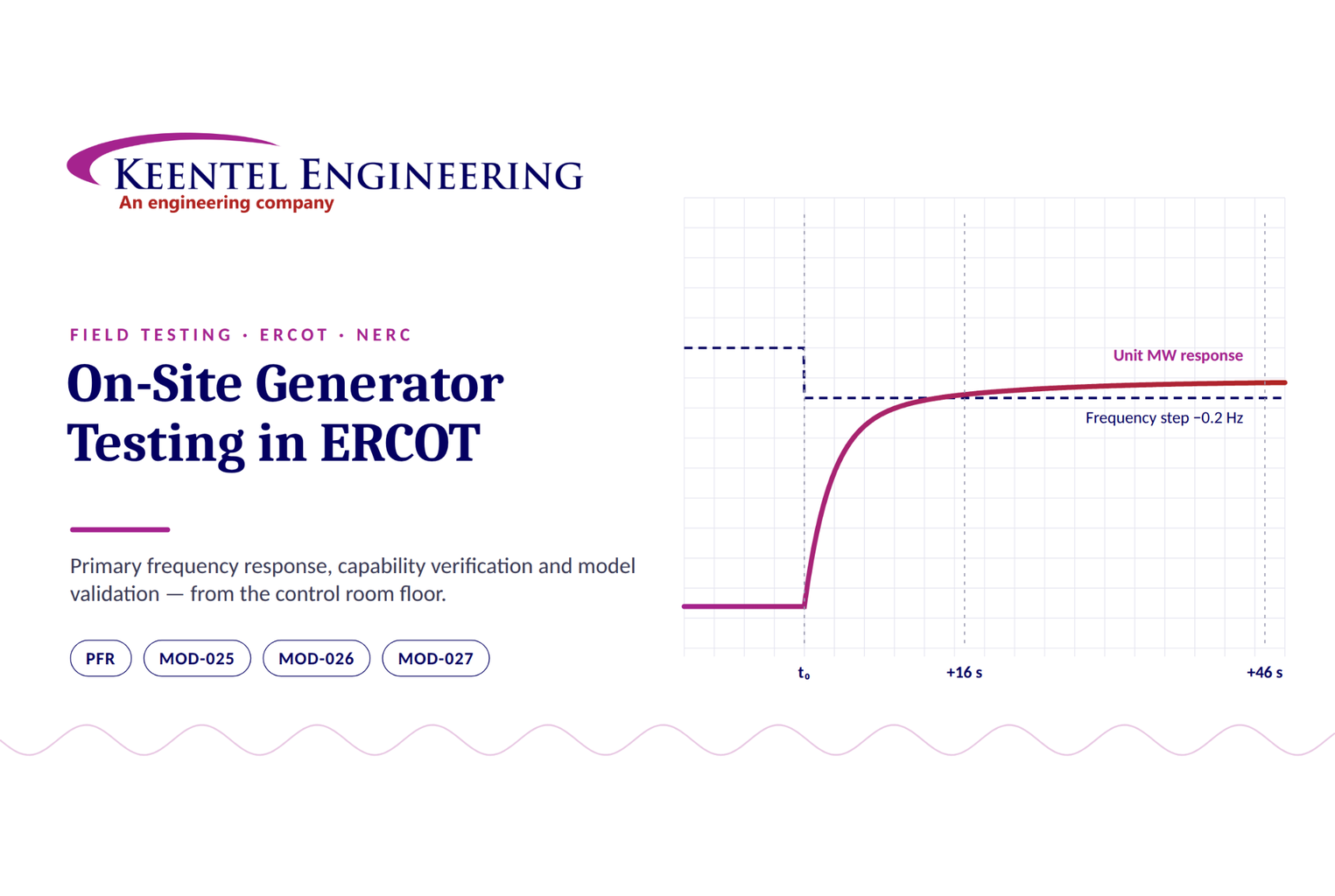
On-site generator testing in ERCOT
By SANDIP R PATEL • October 6, 2026
Learn ERCOT generator testing for PFR, MOD-025 and MOD-026/027, including staged tests, capability verification, dynamic models and field testing.
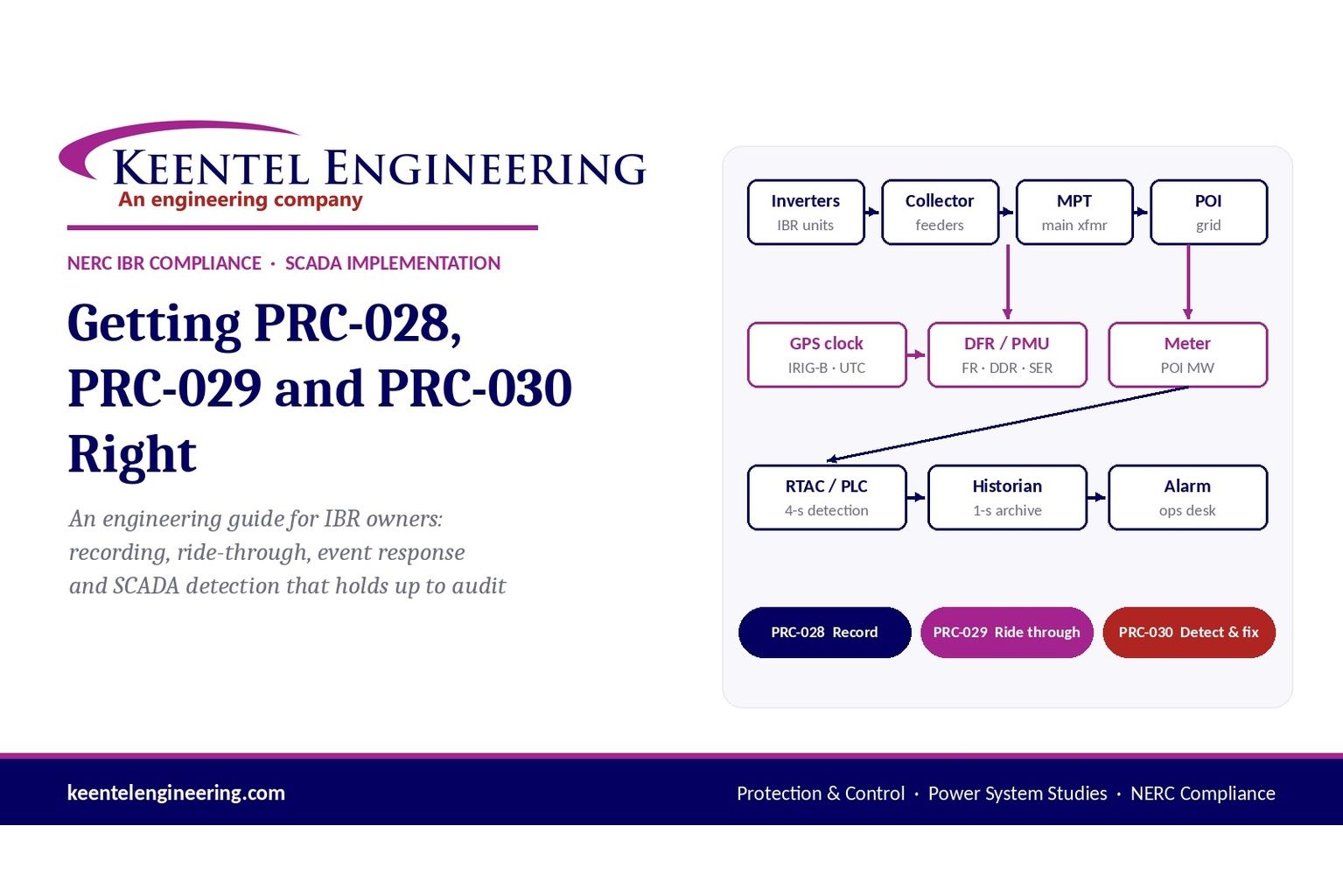
PRC-028 PRC-029 and PRC-030 NERC IBR compliance guide
By SANDIP R PATEL • October 3, 2026
Engineering guide to PRC-028 disturbance recording, PRC-029 ride-through and PRC-030 event detection for inverter-based resources.
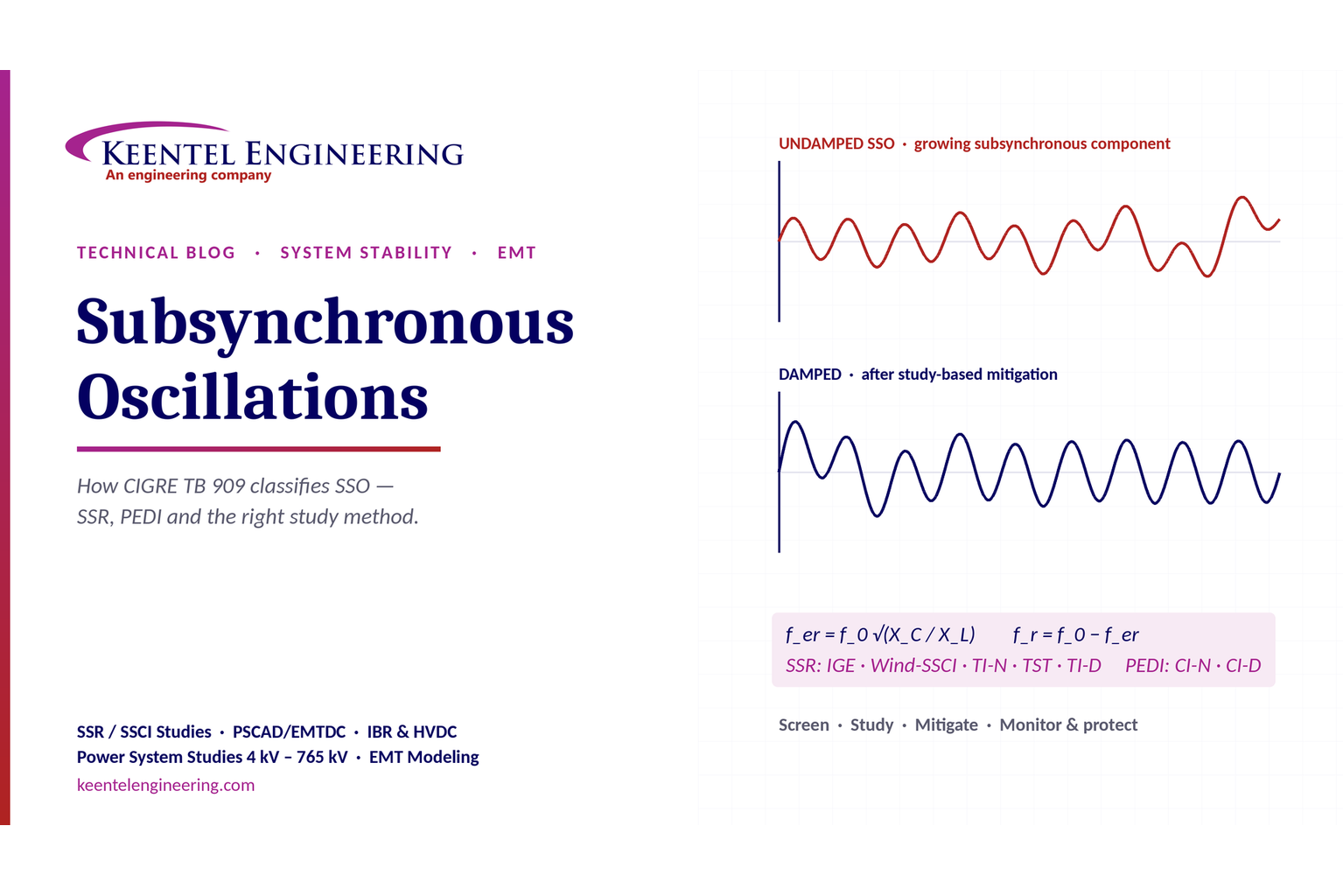
Keentel Engineering graphic showing damped and undamped subsynchronous oscillations.
By SANDIP R PATEL • October 3, 2026
A practical guide to SSO classification, SSR, PEDI, Wind-SSCI, EMT analysis, mitigation and protection based on CIGRE TB 909.
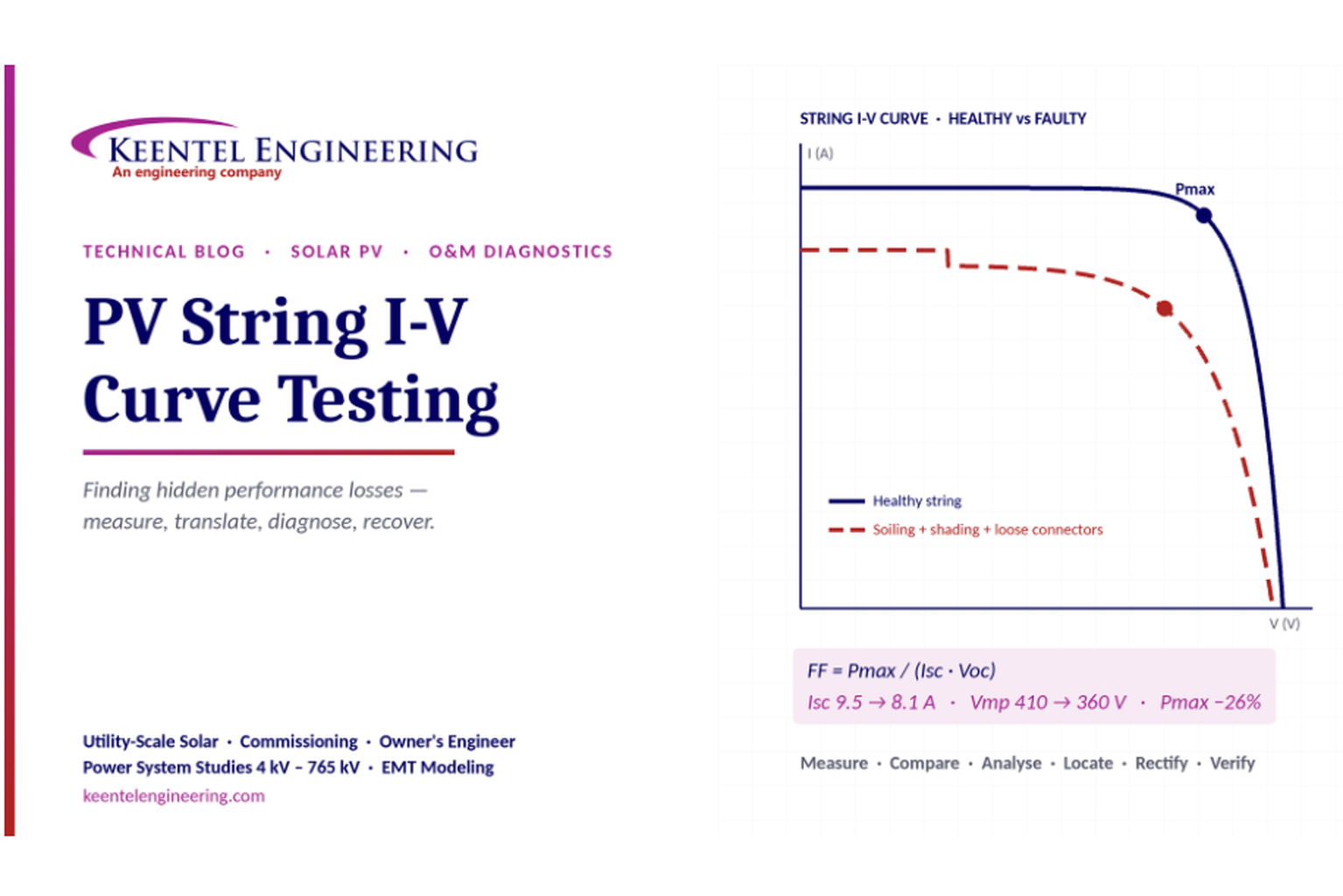
PV String I-V Curve Testing for Solar Performance Loss
By SANDIP R PATEL • October 3, 2026
Learn how PV string I-V curve testing identifies hidden solar performance losses, including soiling, shading, mismatch, degradation, and wiring faults.
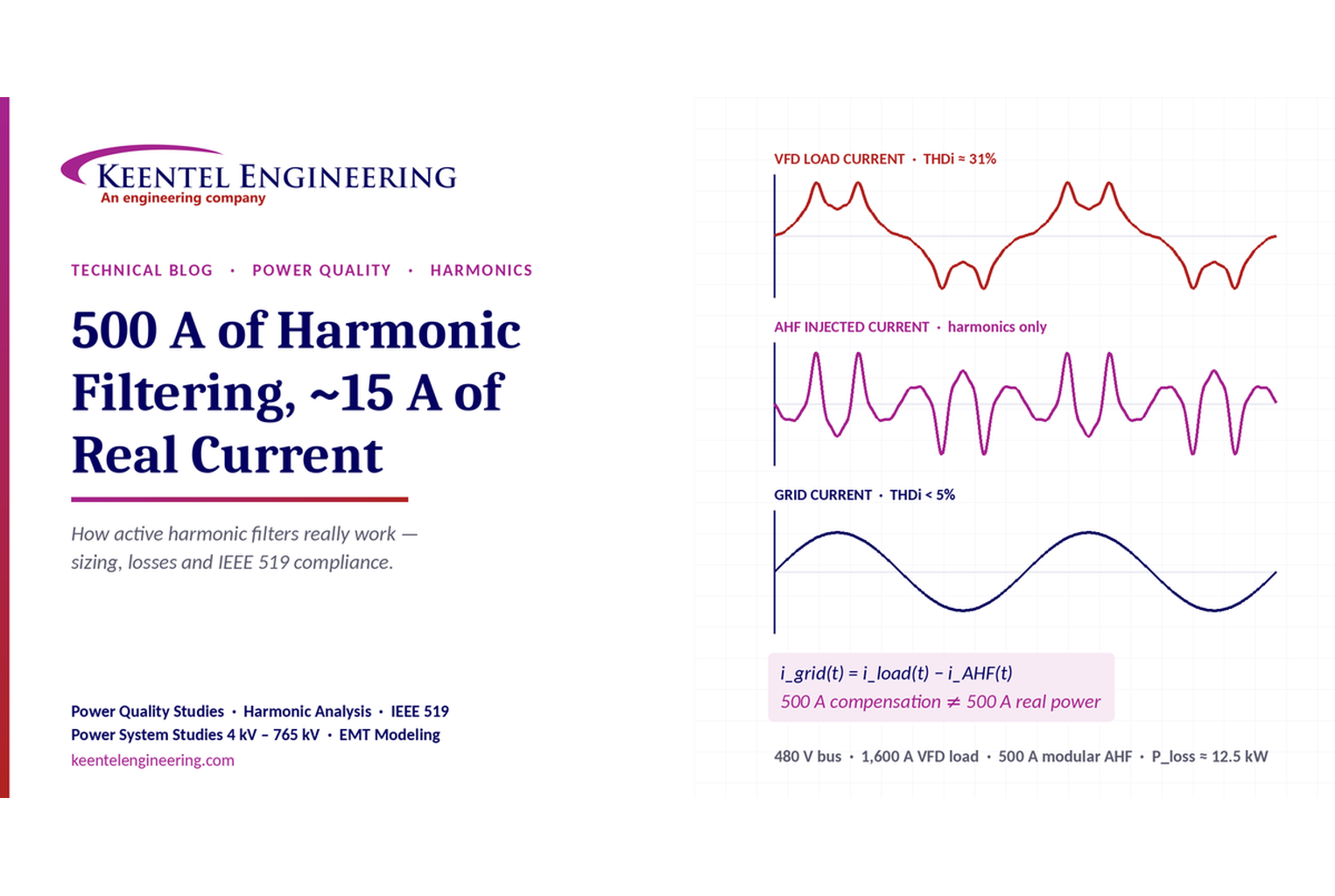
Active harmonic filter reducing VFD current harmonics and grid THDi.
By SANDIP R PATEL • October 3, 2026
Learn how active harmonic filters work, how to size AHF systems, reduce VFD harmonics, calculate losses, and meet IEEE 519 TDD limits at the PCC.
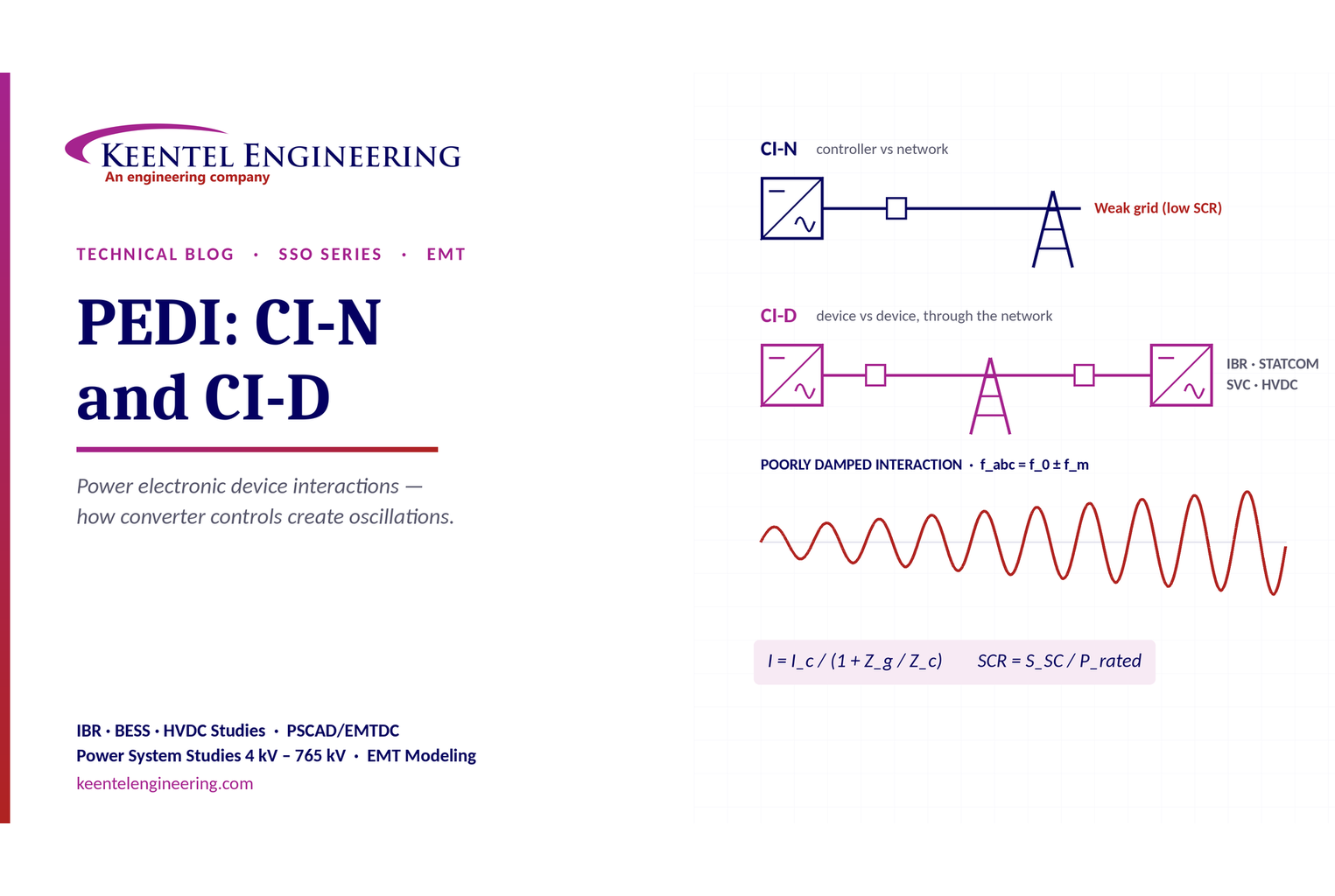
PEDI CI-N and CI-D power system interaction diagram
By SANDIP R PATEL • October 3, 2026
Learn power electronic device interactions (PEDI), including CI-N and CI-D, weak-grid stability, SCR, EMT studies, impedance analysis and mitigation for IBRs.
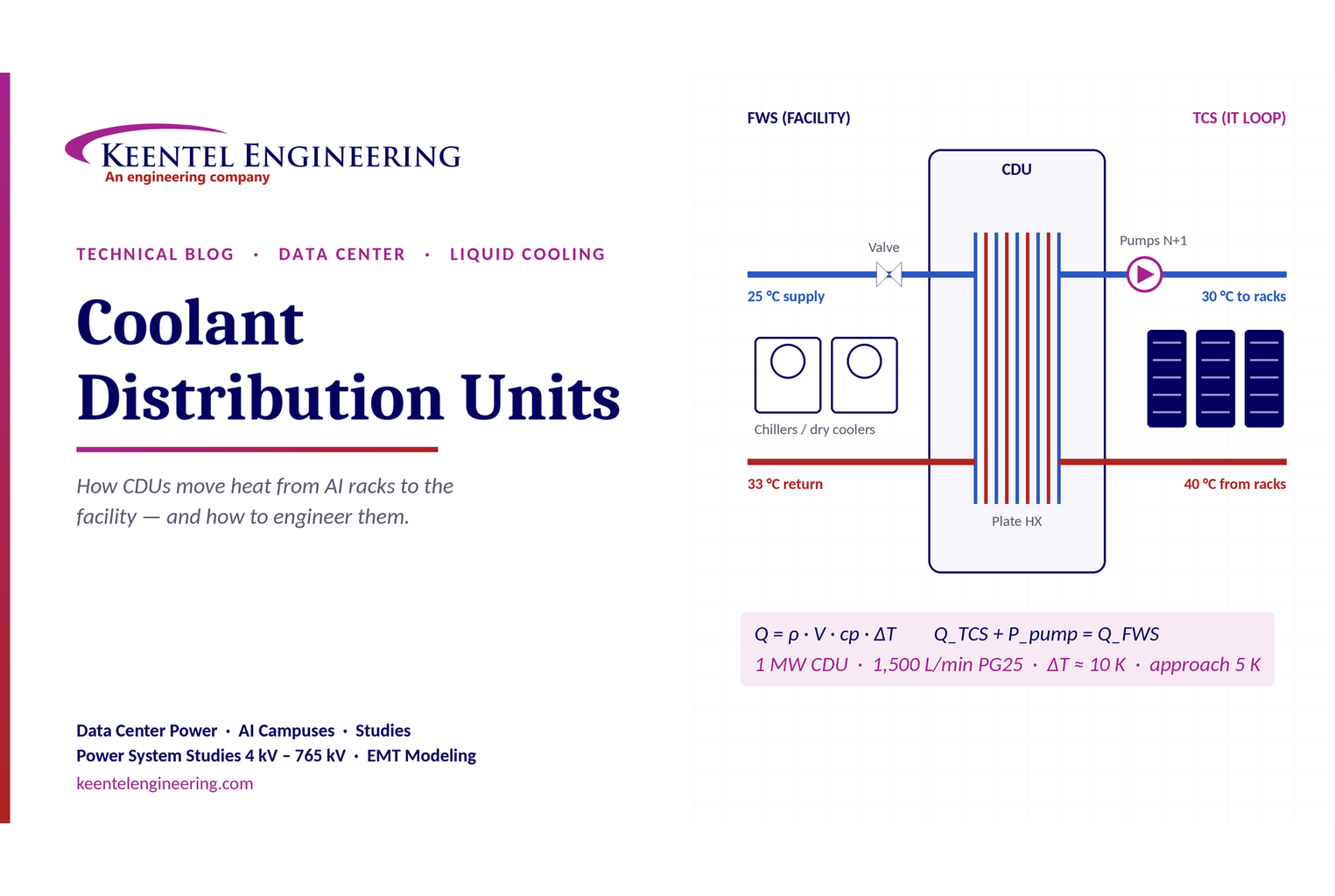
Coolant distribution unit for data center cooling
By SANDIP R PATEL • October 3, 2026
Learn how data center coolant distribution units (CDUs) work, including FWS and TCS loops, heat transfer, sizing, redundancy and liquid cooling for AI data centers.
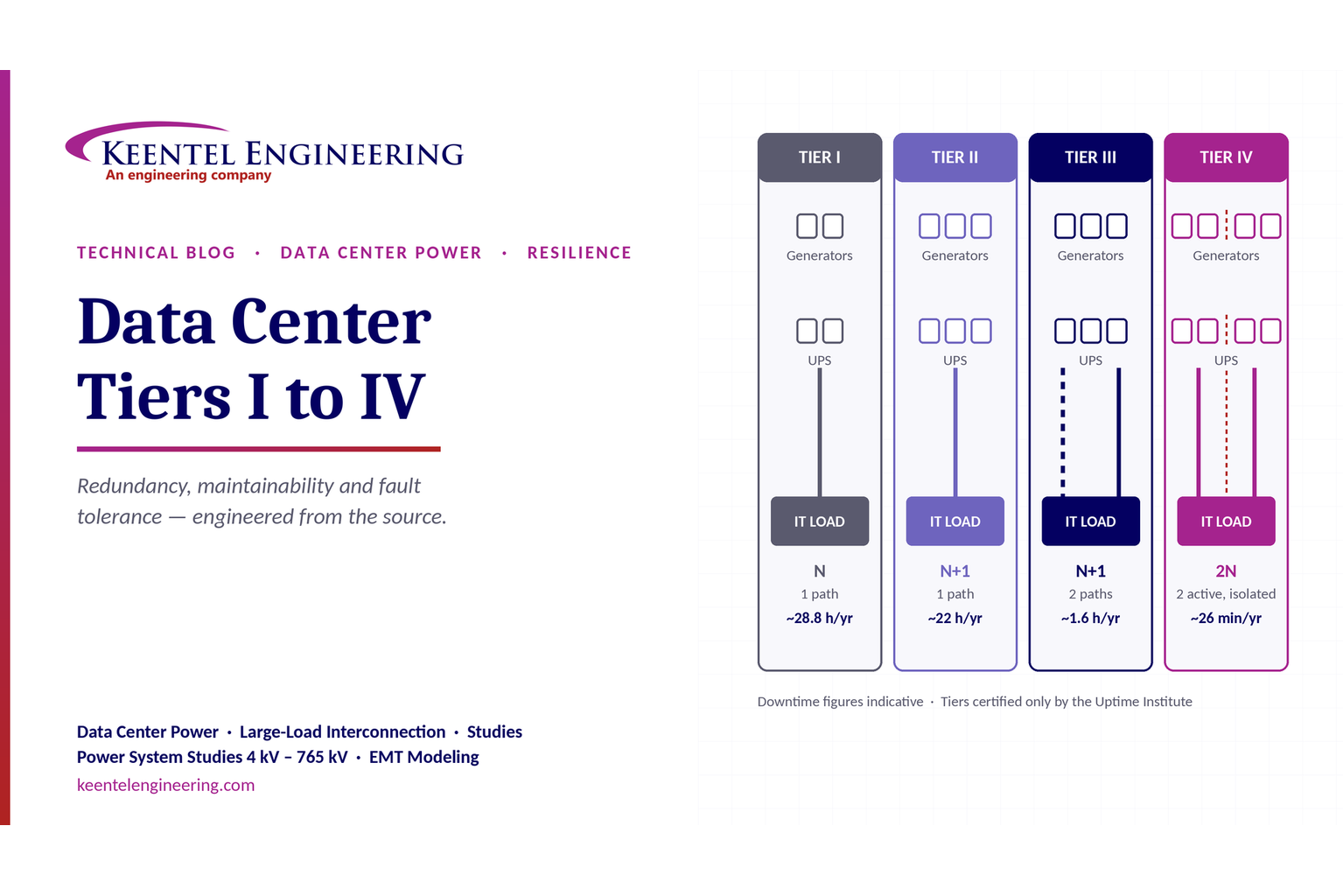
Data Center Tiers I to IV: An Electrical Engineer's Guide to Redundancy, Maintainability and Fault T
By SANDIP R PATEL • October 3, 2026
Compare Data Center Tiers I–IV, including redundancy, uptime, Tier III concurrent maintainability, Tier IV fault tolerance, UPS, generators and power design.
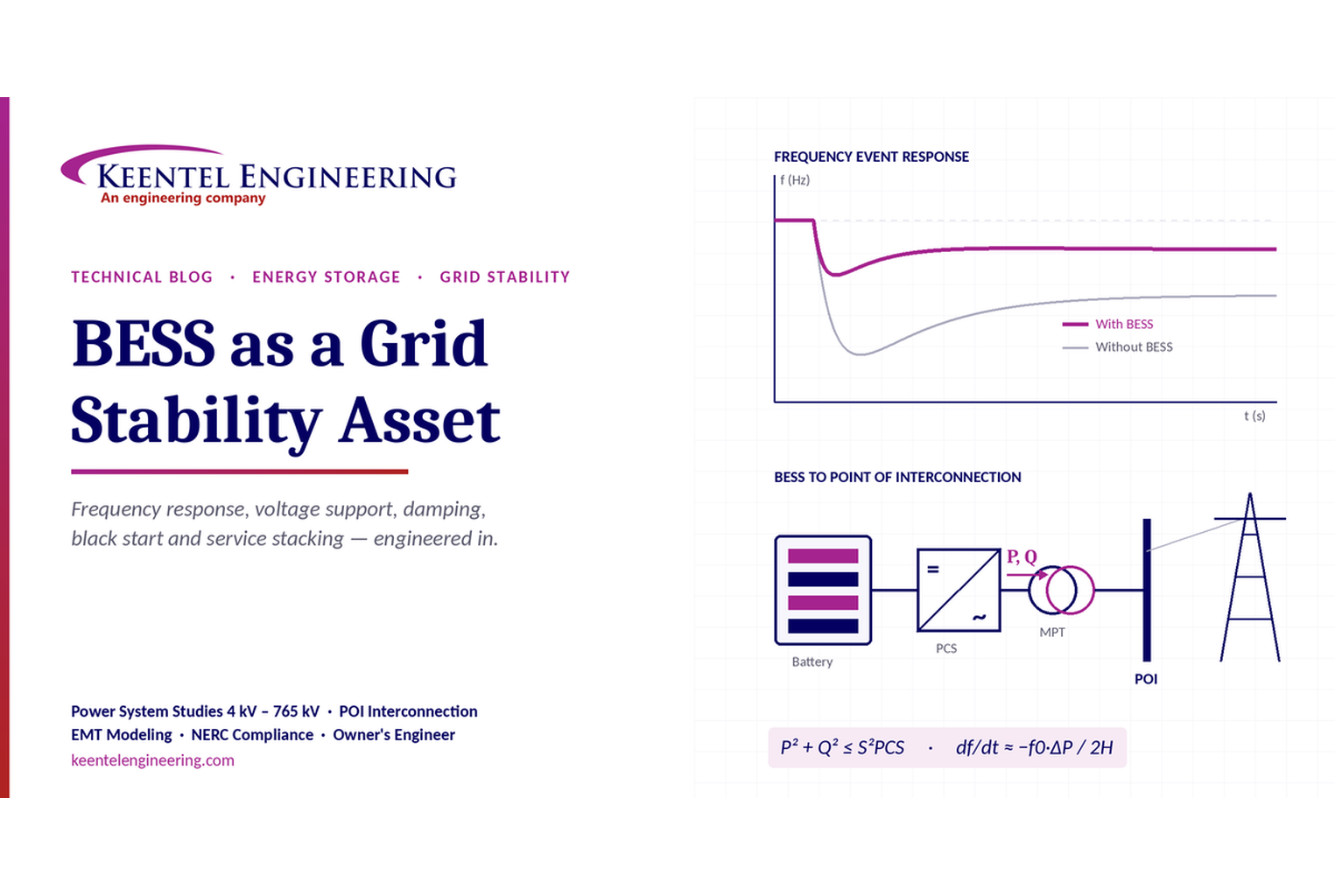
BESS grid stability with frequency response and POI interconnection.
By SANDIP R PATEL • October 3, 2026
Learn how BESS supports grid stability through fast frequency response, voltage support, oscillation damping, black start, grid-forming controls and EMT studies.