
A Coordinated Electric System Interconnection Review—the utility’s deep-dive on technical and cost impacts of your project.
What are The Advantages of Energy Storage?
January 24, 2022 | Blog

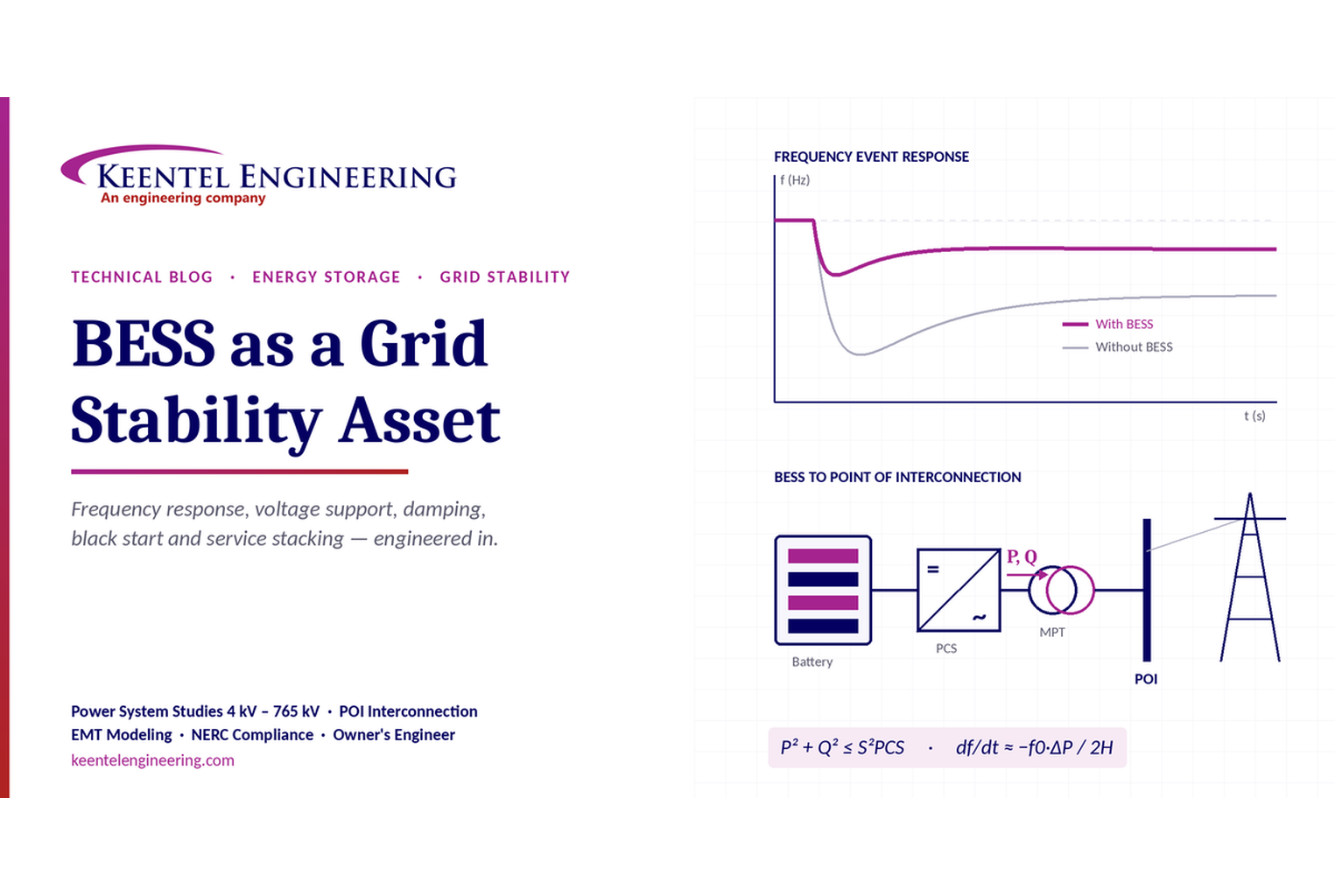
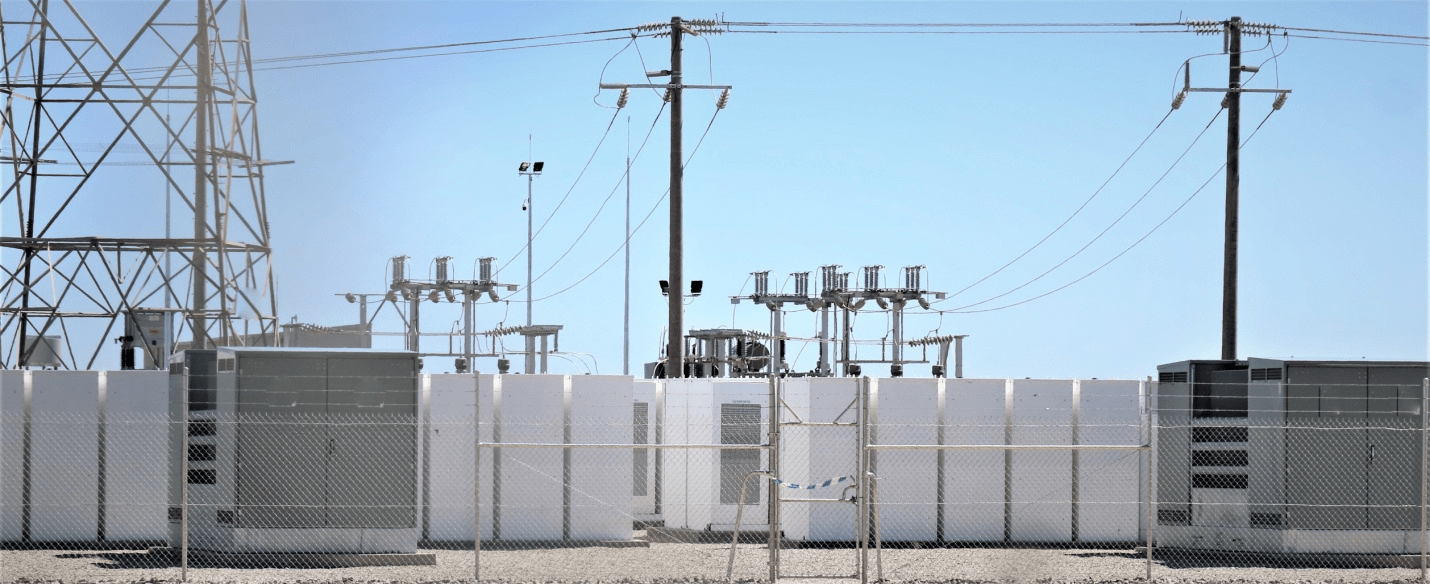
Energy storage is the capture of energy produced at one time for use at a later time to reduce imbalances between energy demand and energy production. A device that stores energy is generally called an accumulator or battery. Energy comes in multiple forms, including radiation, chemical, gravitational potential, electrical potential, electricity, elevated temperature, latent heat, and kinetic.
Let’s explore the key advantages of energy storage systems (ESS) and how they support modern power grids.
Save Money
Once you invest in an energy storage solution, you can save significantly on operational costs for powering the grid. Moreover, it can also help electricity consumers reduce their energy bills if they install battery storage in their business spaces or homes.
ESS lowers the cost of providing frequency regulation while offsetting consumer energy costs by storing low-cost energy for use during peak pricing periods.
Learn more about our
Utility-Scale Battery Storage Engineering Services
Through energy storage, business owners across industries can avoid lengthy and costly disruptions and continue operations even during grid outages.
Increase Resilience and Reliability
Another advantage of battery energy storage systems is that they provide flexibility to the power grid, ensuring uninterrupted power for consumers wherever and whenever it’s needed.
Through this flexibility, you increase both grid resilience and reliability — a key advantage for both utilities and critical infrastructure.
Read more on Power System Studies that help assess grid reliability under storage integration.
Lower Environmental Impact
As energy storage systems save electricity for later use, they improve grid efficiency and reduce greenhouse gas emissions. They also help integrate more wind, solar, and distributed energy resources (DERs).
ESS improves the capacity factor of existing infrastructure, supporting the transition to cleaner energy while reducing carbon footprints.
Our engineers help model storage + renewables with POI Interconnection Engineering
A Strategic Asset for the Future Grid
Energy storage should be viewed as a strategic investment. As your grid evolves, storage provides both short- and long-term benefits.
A well-integrated storage system can function as a:
- Transmission asset
- Generation resource
- Distribution solution
- Or all of the above — simultaneously
In this way, battery energy storage serves as a flexible hub, enhancing performance across the full energy value chain.
Ready to Add Storage to Your Grid?
If you want to evaluate battery storage solutions or integrate energy storage into your grid plan, contact our engineering team. We deliver compliant, cost-effective, and future-ready designs for BESS, solar, wind, and grid-connected assets.
From financial modeling and grid interconnection to fault analysis and simulation — we design battery energy storage systems that deliver reliability, savings, and compliance.

About the Author:
Sandip "Sonny" R. Patel, P.E.
IEEE Senior Member · Founder & CEO, Keentel Engineering
In 1995, Sonny Patel earned his Electrical Engineering degree from the University of Illinois. But degrees don't build legacies — action does.
For three decades, he has worked the power industry from every side of the table: 16 years as a utility engineer at Exelon/Commonwealth Edison; generation leadership across hydroelectric, industrial steam turbine, and a 9 GW renewable fleet; NERC Regional Entity Senior Compliance Engineer and Audit Team Lead, auditing some of the nation's largest utilities; and testing and commissioning lead on equipment up to 765 kV — the very top of the North American grid.
Utility. Generator. Regulator. Consultant. Few engineers have seen all four seats. Fewer still have sat in them.His experience spans nuclear, hydro, conventional generation, renewables, oil and gas, mining — and today's data centers, where he is authoring a three-book series on data center design. He is a Licensed Professional Engineer in six states and a Licensed Electrical Contractor in Florida (Unlimited EC) — he doesn't just design the work; he's qualified to stand behind its execution.Today, as Founder and CEO of Keentel Engineering, Sonny leads 51 engineers delivering substation design, power system studies, NERC compliance, and commissioning — done right, coast to coast.Three decades. Every side of the table. One standard: accountable engineering
Services

Let's Discuss Your Project
Let's book a call to discuss your electrical engineering project that we can help you with.

About the Author:
Sandip "Sonny" R. Patel, P.E.
IEEE Senior Member · Founder & CEO, Keentel Engineering
In 1995, Sonny Patel earned his Electrical Engineering degree from the University of Illinois. But degrees don't build legacies — action does.
For three decades, he has worked the power industry from every side of the table: 16 years as a utility engineer at Exelon/Commonwealth Edison; generation leadership across hydroelectric, industrial steam turbine, and a 9 GW renewable fleet; NERC Regional Entity Senior Compliance Engineer and Audit Team Lead, auditing some of the nation's largest utilities; and testing and commissioning lead on equipment up to 765 kV — the very top of the North American grid.Utility. Generator. Regulator. Consultant. Few engineers have seen all four seats. Fewer still have sat in them.His experience spans nuclear, hydro, conventional generation, renewables, oil and gas, mining — and today's data centers, where he is authoring a three-book series on data center design. He is a Licensed Professional Engineer in six states and a Licensed Electrical Contractor in Florida (Unlimited EC) — he doesn't just design the work; he's qualified to stand behind its execution.Today, as Founder and CEO of Keentel Engineering, Sonny leads 51 engineers delivering substation design, power system studies, NERC compliance, and commissioning — done right, coast to coast.Three decades. Every side of the table. One standard: accountable engineering
Leave a Comment
We will get back to you as soon as possible.
Please try again later.