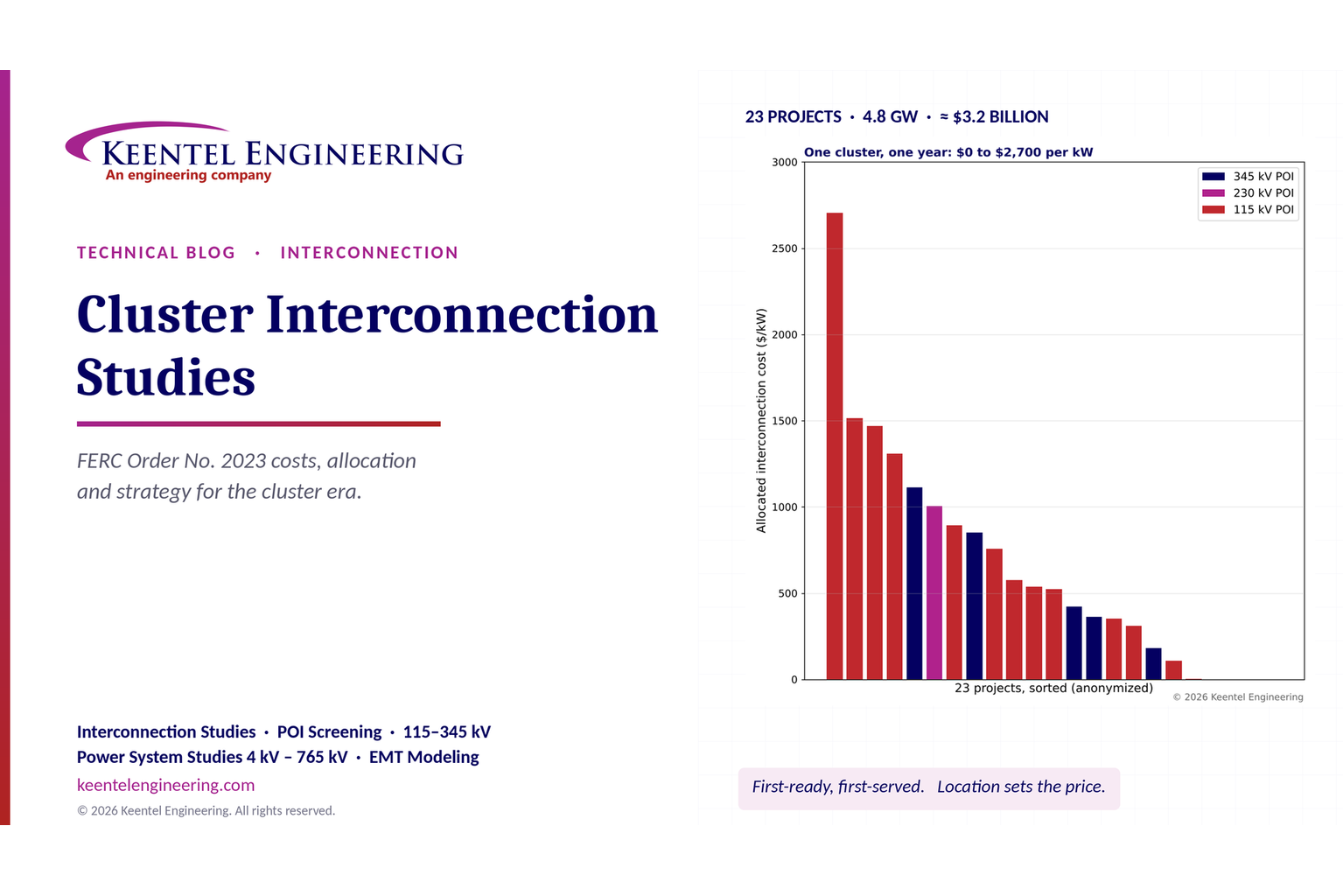


A Coordinated Electric System Interconnection Review—the utility’s deep-dive on technical and cost impacts of your project.
Challenge: Frequent false tripping using conventional electromechanical relays
Solution: SEL-487E integration with multi-terminal differential protection and dynamic inrush restraint
Result: 90% reduction in false trips, saving over $250,000 in downtime
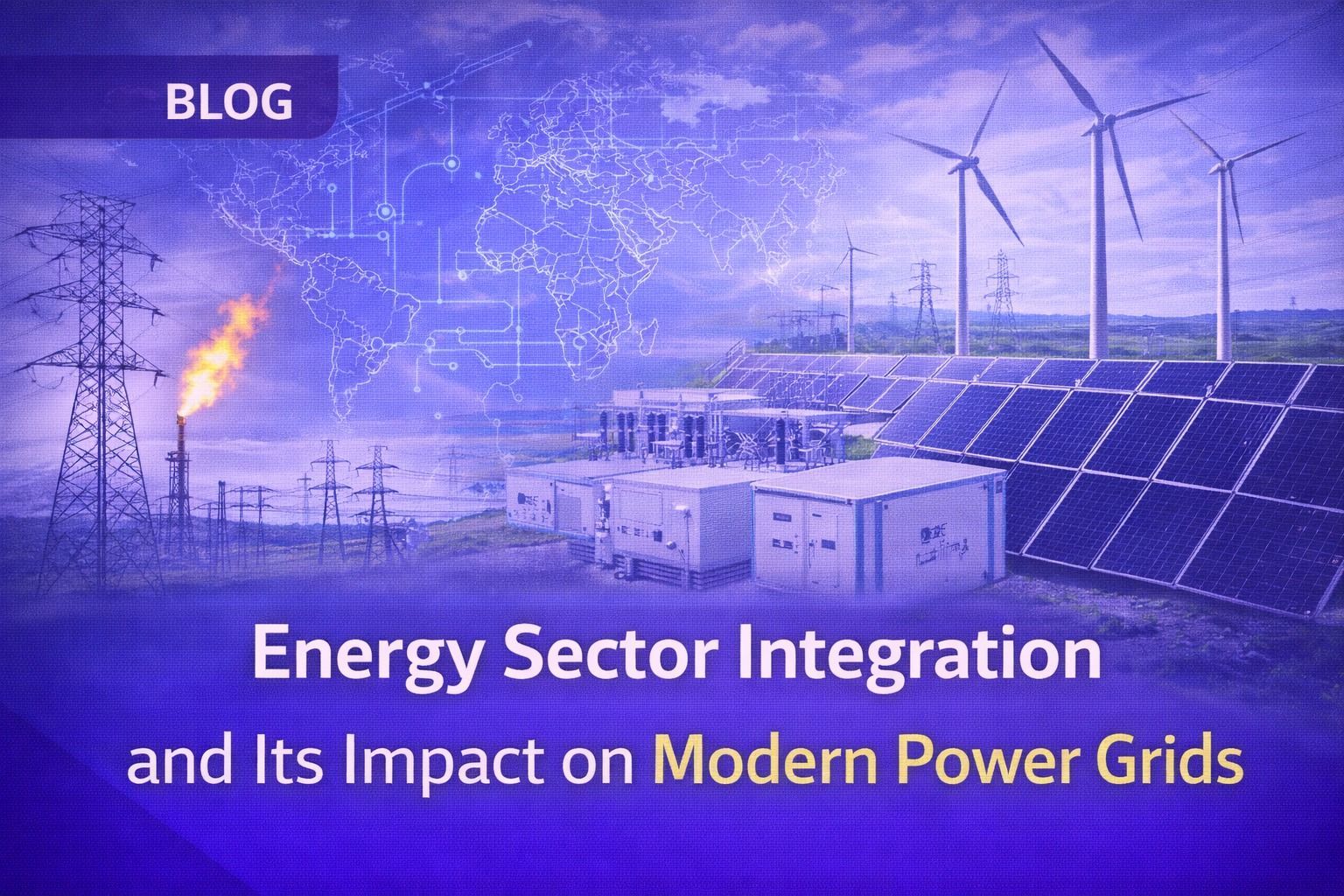
Energy Sector Integration and Its Impact on Modern Power Grids A Deep Technical Perspective Based on CIGRE TB 973
january 01, 2026 | Blog
1. Introduction: Why Energy Sector Integration Matters Now
The global energy system is undergoing its most profound transformation since the advent of centralized electricity networks. Climate change commitments under the Paris Agreement, coupled with rapid electrification of transport, heating, and industry, are forcing power systems to evolve beyond traditional single-sector planning approaches. Merely adding renewable generation capacity is no longer sufficient. Instead, Energy Sector Integration (ESI)—also referred to as sector coupling or multi-energy systems—has emerged as a foundational strategy for achieving deep decarbonization while maintaining reliability, resilience, and economic efficiency
973.
Historically, electricity, gas, heating/cooling, and transport systems were planned, operated, and regulated independently. This siloed approach is increasingly incompatible with high renewable penetration, variable demand profiles, and extreme weather risks. Energy sector integration intentionally couples these systems to unlock flexibility, enable large-scale energy storage, and reduce carbon emissions at a system-wide level.
2. Defining Energy Sector Integration (ESI)
CIGRE Working Group C1.47 defines Energy Sector Integration as:
The coordinated generation, transmission, conversion, and utilization of energy across multiple energy sectors, pathways, and time scales to optimally exploit available resources
973.
This definition emphasizes three key dimensions:
- Multi-energy vectors (electricity, gas, hydrogen, heat, fuels)
- Multi-time scales (seconds to seasons)
- Multi-geographical scales (local microgrids to interregional transmission networks)
Unlike traditional power-only planning, ESI explicitly recognizes energy conversion technologies—such as electrolyzers, heat pumps, CHP, and energy hubs—as core system assets rather than peripheral loads.
3. Core Drivers of Energy Sector Integration
MQT simulations are performed using a controlled testbench configuration:
3.1 Decarbonization and Climate Targets
Sector integration enables renewable electricity to displace fossil fuels in transport, heating, and industry through electrification and power-to-X technologies. This is critical because electricity alone accounts for only ~20% of final energy consumption, while heat and transport together exceed 70% globally
3.2 Grid Reliability and Resilience
Integrated energy systems provide multiple energy supply pathways. Gas, hydrogen, thermal storage, and flexible loads can support electricity systems during generation shortfalls or extreme weather events, improving resilience beyond traditional N-1 planning assumptions.
3.3 System Efficiency and Cost Reduction
ESI reduces overall system costs by:
- Sharing infrastructure across sectors
- Increasing asset utilization
- Avoiding over-investment in electricity-only storage and transmission
- Lowering the levelized cost of energy (LCOE) through co-optimization
4.1 Power-to-X (P2X)
Power-to-X converts electricity into other energy carriers, enabling long-duration and seasonal storage.
Power-to-Gas (P2G)
Electricity is converted into hydrogen via electrolysis and optionally into synthetic methane. P2G enables:
- Absorption of excess renewable generation
- Decarbonization of gas networks
- Large-scale seasonal energy storage using existing gas infrastructure
Power-to-Heat (P2H)
Electric boilers and heat pumps convert electricity into thermal energy. When combined with thermal storage and district heating, P2H offers significant flexibility and renewable integration potential.
Power-to-Transport
Electrification of transport through EVs introduces large flexible loads and potential vehicle-to-grid (V2G) resources that can actively support grid operations.
4.2 Gas-to-X (G2X)
Gas-to-Power
Gas-fired generation provides dispatchable capacity that complements variable renewables. However, increasing reliance on gas introduces interdependencies between power and gas networks that must be jointly planned
Combined Heat and Power (CHP) and CCHP
CHP and CCHP systems simultaneously produce electricity, heating, and cooling with efficiencies exceeding 80–90%. These systems are especially valuable in district energy systems and industrial facilities.
5. Impact of Energy Sector Integration on Power Transmission Systems
5.1 Planning Impacts
Load Forecasting
Electrification of transport and heating significantly alters load profiles. Future planning must focus on net load forecasting, accounting for:
- EV charging patterns
- Heat pump winter peaks
- Flexible hydrogen production loads
Transmission Expansion
Sector integration can both increase and defer transmission investments. For example:
- Hydrogen production near renewable hubs can reduce transmission congestion
- Thermal storage can mitigate peak electricity demand growth
5.2 Operational Impacts
Flexibility Enhancement
Integrated systems provide fast and slow flexibility through:
- Electrolyzers as controllable loads
- Thermal and hydrogen storage
- EV aggregation and VPPs
Resilience to Extreme Events
Events such as Winter Storm Uri (ERCOT, 2021) demonstrate the risks of poorly coordinated gas-electric systems. Integrated planning improves preparedness for extreme weather by modeling common-mode failures across sectors
973
6. Market and Regulatory Implications
Energy sector integration challenges existing market designs that operate electricity, gas, and heat markets independently. Key regulatory needs include:
- Multi-energy market clearing mechanisms
- Carbon accounting across coupled sectors
- Data sharing frameworks with privacy safeguards
- Incentives for flexible sector-coupling assets
973
7. Modeling Methodologies and Software Tools
CIGRE TB 973 identifies several modeling approaches and tools:
- Energy hubs for local systems
- Multi-network optimization models for regional planning
- Software platforms such as EnergyPLAN, PLEXOS, Calliope, PowSyBl, and Artelys Crystal Super Grid for integrated planning and market analysis
973
8. Global Best Practices and Case Studies
Countries such as China, Italy, the UK, the US, and Australia demonstrate successful ESI deployment through:
- Hydrogen strategies
- Integrated gas-electric planning
- Offshore wind-hydrogen hubs
- Large-scale district energy systems
These cases show measurable improvements in system flexibility, renewable utilization, and cost efficiency
973
9. Key Barriers and Future Outlook
Despite its promise, ESI faces challenges:
- Institutional silos
- Increased system complexity
- Lack of standardized modeling frameworks
- Regulatory misalignment
Future power systems will require multi-disciplinary planning, high-fidelity modeling, and coordinated regulatory reforms to fully realize the benefits of sector integration.
Frequently Asked Questions (FAQ)
1. What is energy sector integration?
Energy sector integration is the coordinated planning and operation of electricity, gas, heat, hydrogen, and transport systems to improve decarbonization, reliability, and efficiency.
2. Why is ESI important for renewable integration?
ESI enables excess renewable energy to be stored or converted into other energy carriers instead of being curtailed.
3. How does ESI affect transmission planning?
It changes load patterns, introduces flexible loads, and can either increase or defer transmission investments depending on system design.
4. What role does hydrogen play in ESI?
Hydrogen provides long-duration storage, decarbonizes hard-to-electrify sectors, and couples electricity and gas systems.
5. Are EVs a benefit or a risk to the grid?
Both. Unmanaged charging can stress the grid, while smart charging and V2G provide valuable flexibility.
6. What modeling approaches are used for ESI?
Energy hub models, multi-network optimization, and co-optimized market simulations.
7. How does ESI improve resilience?
By enabling multiple energy supply pathways and islanded operation during extreme events.
8. What are the main regulatory challenges?
Market fragmentation, carbon accounting across sectors, and lack of integrated pricing signals.
9. Can ESI reduce overall system costs?
Yes. It improves asset utilization, reduces curtailment, and avoids redundant infrastructure investments.
10. Is ESI relevant for utilities today?
Absolutely. High renewable penetration, electrification, and climate risks make ESI essential for future-ready grids

About the Author:
Sonny Patel P.E. EC
IEEE Senior Member
In 1995, Sandip (Sonny) R. Patel earned his Electrical Engineering degree from the University of Illinois, specializing in Electrical Engineering . But degrees don’t build legacies—action does. For three decades, he’s been shaping the future of engineering, not just as a licensed Professional Engineer across multiple states (Florida, California, New York, West Virginia, and Minnesota), but as a doer. A builder. A leader. Not just an engineer. A Licensed Electrical Contractor in Florida with an Unlimited EC license. Not just an executive. The founder and CEO of KEENTEL LLC—where expertise meets execution. Three decades. Multiple states. Endless impact.
Services

Let's Discuss Your Project
Let's book a call to discuss your electrical engineering project that we can help you with.

About the Author:
Sonny Patel P.E. EC
IEEE Senior Member
In 1995, Sandip (Sonny) R. Patel earned his Electrical Engineering degree from the University of Illinois, specializing in Electrical Engineering . But degrees don’t build legacies—action does. For three decades, he’s been shaping the future of engineering, not just as a licensed Professional Engineer across multiple states (Florida, California, New York, West Virginia, and Minnesota), but as a doer. A builder. A leader. Not just an engineer. A Licensed Electrical Contractor in Florida with an Unlimited EC license. Not just an executive. The founder and CEO of KEENTEL LLC—where expertise meets execution. Three decades. Multiple states. Endless impact.
Leave a Comment
We will get back to you as soon as possible.
Please try again later.