A Coordinated Electric System Interconnection Review—the utility’s deep-dive on technical and cost impacts of your project.
Challenge: Frequent false tripping using conventional electromechanical relays
Solution: SEL-487E integration with multi-terminal differential protection and dynamic inrush restraint
Result: 90% reduction in false trips, saving over $250,000 in downtime
| Category | Metric |
|---|---|
| VPP capacity (Lunar Energy) | 650 MW |
| Lunar funding raised | US$232 million |
| Data center BESS example | 31 MW / 62 MWh |
| ERCOT grid-scale batteries | 15+ GW |
| LDES tenders (H1 2026) | Up to 9.3 GW |
| Lithium-ion share of LDES by 2030 | 77% |
| FEOC initial threshold | 55% |
| BESS tariff rate (2026) | ~55% |
| Capacity gain from analytics | 5–15% |
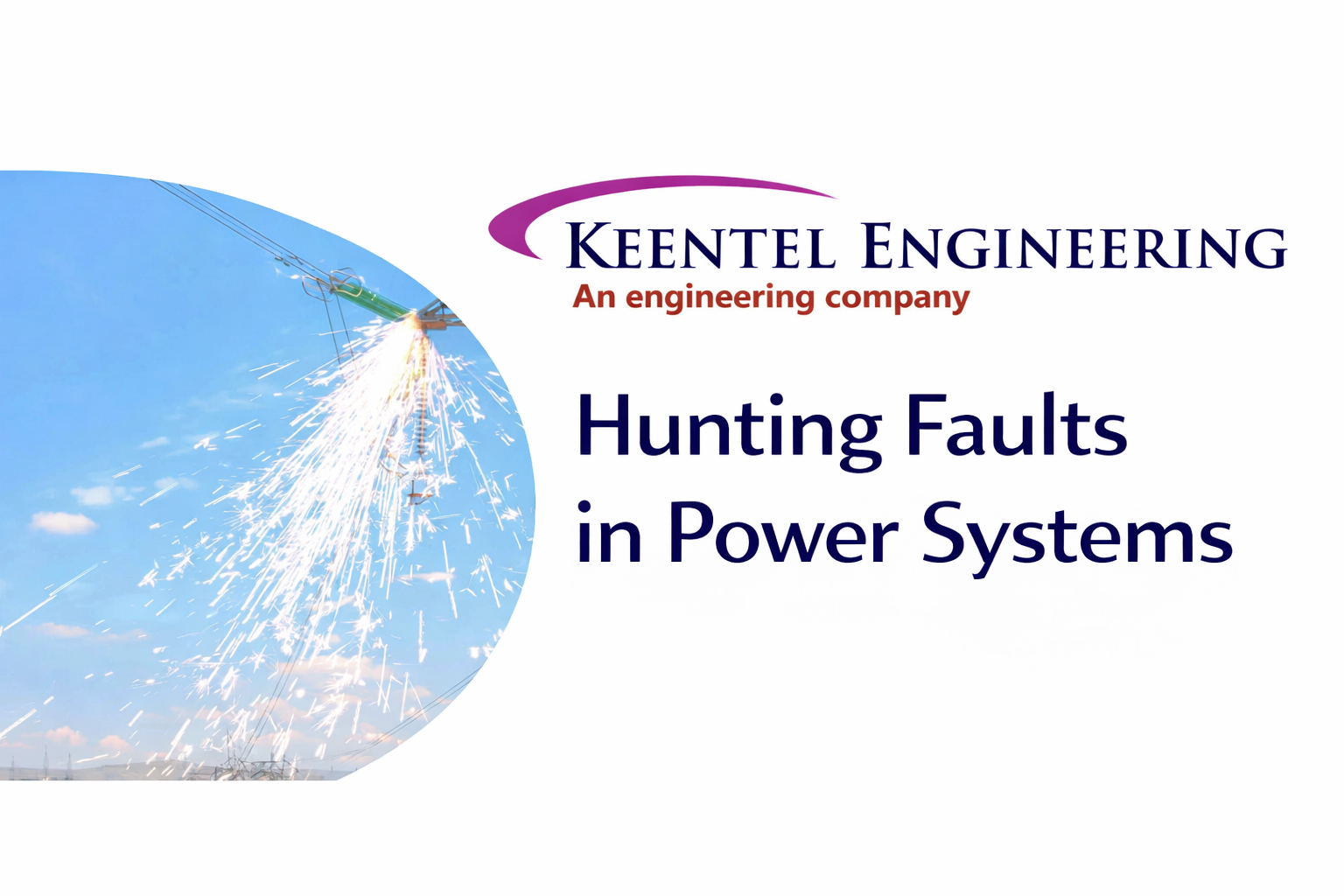
Hunting Faults in Power Systems: Advanced Disturbance Recording and Fault Analysis for Modern Substations
Mar 7, 2026 | blog
Reliable power system operation depends on the ability to detect, analyze, and respond to electrical faults quickly and accurately. As transmission and distribution networks become more interconnected and heavily loaded, fault analysis has evolved into a highly specialized engineering discipline.
Modern substations must incorporate advanced disturbance monitoring, digital fault recorders, and protection system analytics to maintain system stability and reliability. These tools allow engineers to investigate system events, identify root causes, and implement corrective actions that prevent future failures.
At Keentel Engineering, our substation engineering services focus on integrating advanced monitoring technologies and analytical tools that enable utilities, developers, and industrial facilities to maintain resilient and reliable power systems.
Why Fault Detection and Analysis Is Critical in Modern Power Systems
Early power systems were relatively simple. Transmission networks consisted of limited interconnections and relatively low power flows. Fault analysis was therefore easier because system conditions were predictable and less complex.
Today’s power grids operate under very different conditions:
- Large interconnected transmission networks
- Increased loading of transmission corridors
- Integration of renewable energy sources
- Dynamic grid behavior and power electronics
- Complex protection and control systems
These changes have significantly increased the importance of accurate monitoring and fault analysis.
Fault recording systems provide detailed information about power system events, helping engineers understand how equipment and protection systems respond during disturbances.
Disturbance Recording in Substations
Disturbance recording systems capture voltage, current, and system signals during abnormal events, including:
- Short circuits
- Switching operations
- Equipment failures
- Protection system actions
- Power system oscillations
Under normal conditions, electrical waveforms follow a stable 50 Hz or 60 Hz sinusoidal pattern. During faults or switching events, transient disturbances appear in the waveform.
These disturbances contain valuable information about:
- Fault type
- System response
- Protection operation
- Equipment behavior
By analyzing disturbance recordings, engineers can identify the cause of system events and improve grid reliability.
Automatic Triggering of Fault Recorders
Fault recorders operate automatically because electrical disturbances occur within milliseconds.
Several trigger mechanisms are used to initiate recording:
Overcurrent Detection
Fault currents increase significantly during short circuits, making overcurrent relays an effective trigger.
Undervoltage Detection
Voltage drops rapidly during faults and can initiate disturbance recording.
Ground Current Detection
Ground faults introduce measurable current in grounding circuits.
Protection System Signals
Relay operations or circuit breaker status signals can also trigger recording events.
Some systems also allow manual triggering for benchmarking normal operating conditions.
Voltage Behavior During Power System Faults
One of the most recognizable indicators of a power system fault is voltage reduction.
Disturbance records typically show three phases of operation:
1. Prefault Conditions – Normal system voltage and current.
2. Fault Conditions – Voltage drops and current increases.
3. Post-Fault Recovery – Voltage returns to normal once the fault is cleared.
Analyzing these waveform changes allows engineers to determine:
- The exact moment the fault occurred
- The duration of the disturbance
- The effectiveness of protection system operation
Phase-to-Ground Fault Analysis
Phase-to-ground faults are among the most common disturbances in transmission systems.
During such faults:
- Phase current increases significantly
- Ground current becomes measurable
- Voltage drops on affected phases
- Protection systems initiate tripping
Circuit breakers isolate the fault by interrupting current flow. In modern high-voltage systems, fault clearing typically occurs within a few cycles to minimize equipment damage and system instability.
High-Speed Reclosing in Transmission Networks
Many transmission faults are temporary and may clear once the line is de-energized. To minimize service interruptions, utilities often use high-speed reclosing schemes.
The process typically involves:
1. Detecting a fault
2. Opening the circuit breaker
3. De-energizing the transmission line
4. Automatically reclosing the breaker after a short delay
If the fault was temporary, the system resumes normal operation. If the fault persists, the breaker trips again and the line remains out of service.
High-speed reclosing significantly improves transmission system reliability.
Detecting Circuit Breaker Problems
Disturbance records can reveal early signs of circuit breaker issues.
One example is breaker restrike, which occurs when current flow resumes after breaker contacts separate.
This may indicate:
- Degraded insulation
- Misaligned contacts
- Mechanical wear
- Arc interruption problems
These conditions appear as abnormal waveform patterns in disturbance records and signal the need for maintenance or inspection.
Current Transformer Saturation
Current transformers play a critical role in protection systems by converting high primary currents into measurable secondary signals.
However, during high fault currents, CT cores may become saturated. This causes distortion in the current waveform delivered to protective relays.
CT saturation can affect:
- Protection system accuracy
- Fault detection reliability
- Relay performance
Disturbance recordings help engineers identify CT saturation and adjust protection schemes accordingly.
Power System Oscillations and Stability
Power system oscillations occur when generators or grid segments begin drifting out of synchronism.
These oscillations appear as periodic variations in:
- Voltage magnitude
- Current magnitude
- Power flow
Disturbance recording systems help engineers analyze oscillatory behavior and identify stability issues within interconnected power networks.
Digital Fault Recorders in Modern Substations
Modern substations rely on digital fault recorders (DFRs) and advanced monitoring platforms that provide high-resolution disturbance data.
Key capabilities of modern DFR systems include:
- High-speed waveform recording
- Event-triggered disturbance capture
- Continuous oscillography monitoring
- Sequence-of-events logging
- Synchrophasor data integration
These systems allow engineers to monitor system conditions continuously and capture detailed information during abnormal events.
Benefits of Advanced Disturbance Monitoring
Advanced disturbance monitoring systems offer several operational benefits:
Faster Fault Diagnosis
Engineers can quickly determine the cause and location of faults.
Protection System Validation
Recorded data confirms whether relays and breakers operate correctly.
Preventive Maintenance
Abnormal waveform patterns can indicate developing equipment issues.
System Modeling Improvements
Recorded disturbance data helps validate power system simulation models.
Renewable Integration Monitoring
High-resolution monitoring enables engineers to track dynamic behavior introduced by renewable energy resources.
Keentel Engineering Substation Services
Keentel Engineering provides comprehensive substation engineering and power system reliability solutions, including:
- Substation design and engineering
- Protection and control system design
- Disturbance monitoring system integration
- Digital fault recorder implementation
- Protection coordination studies
- Power system fault analysis
- Substation automation engineering
- Grid reliability assessments
Our engineering team works with utilities, renewable developers, transmission operators, and industrial clients to deliver reliable and modern substation solutions.
Frequently Asked Questions (FAQs)
What is power system fault analysis?
Power system fault analysis is the process of identifying and investigating electrical disturbances within a transmission or distribution network. Engineers analyze voltage, current, and protection system data to determine the type, location, and cause of faults.
What is a disturbance recorder in a substation?
A disturbance recorder is a device that captures electrical waveforms during system events such as faults or switching operations. These recordings allow engineers to analyze system behavior and diagnose equipment or protection issues.
Why is disturbance monitoring important for substations?
Disturbance monitoring improves system reliability by allowing engineers to:
Identify fault causes
- Verify protection system operation
- Detect equipment problems early
- Improve system protection settings
What are the most common power system faults?
Common fault types include:
- Phase-to-ground faults
- Phase-to-phase faults
- Phase-to-phase-to-ground faults
- Three-phase faults
Each fault type produces unique electrical signatures that can be analyzed using disturbance records.
What is high-speed reclosing?
High-speed reclosing is a protection technique where a circuit breaker automatically recloses after a fault. This allows temporary faults to clear without causing prolonged outages.
What causes circuit breaker restrikes?
Breaker restrikes occur when current reappears after breaker contacts open. This may result from degraded insulation, mechanical issues, or arc interruption problems.
What is CT saturation?
Current transformer saturation occurs when the CT core becomes magnetically saturated during high currents. This can distort the current signal used by protection relays.
How do digital fault recorders improve substation monitoring?
Digital fault recorders capture high-resolution electrical data during disturbances. This data allows engineers to perform detailed analysis of system events and improve protection schemes.
How does fault analysis improve grid reliability?
Fault analysis allows engineers to understand why disturbances occur and implement corrective actions. This helps prevent repeated failures and improves system stability.
How do disturbance recordings support renewable energy integration?
Renewable energy sources introduce new dynamic behavior in power systems. High-resolution disturbance recordings help engineers analyze these dynamics and maintain grid stability.

About the Author:
Sandip "Sonny" R. Patel, P.E.
IEEE Senior Member · Founder & CEO, Keentel Engineering
In 1995, Sonny Patel earned his Electrical Engineering degree from the University of Illinois. But degrees don't build legacies — action does.
For three decades, he has worked the power industry from every side of the table: 16 years as a utility engineer at Exelon/Commonwealth Edison; generation leadership across hydroelectric, industrial steam turbine, and a 9 GW renewable fleet; NERC Regional Entity Senior Compliance Engineer and Audit Team Lead, auditing some of the nation's largest utilities; and testing and commissioning lead on equipment up to 765 kV — the very top of the North American grid.Utility. Generator. Regulator. Consultant. Few engineers have seen all four seats. Fewer still have sat in them.
His experience spans nuclear, hydro, conventional generation, renewables, oil and gas, mining — and today's data centers, where he is authoring a three-book series on data center design. He is a Licensed Professional Engineer in six states and a Licensed Electrical Contractor in Florida (Unlimited EC) — he doesn't just design the work; he's qualified to stand behind its execution.Today, as Founder and CEO of Keentel Engineering, Sonny leads a nationwide team of engineers delivering substation design, power system studies, NERC compliance, and commissioning — done right, coast to coast.Three decades. Every side of the table. One standard: accountable engineering.
Services

Let's Discuss Your Project
Let's book a call to discuss your electrical engineering project that we can help you with.
About the Author:
Sandip "Sonny" R. Patel, P.E.
IEEE Senior Member · Founder & CEO, Keentel Engineering
In 1995, Sonny Patel earned his Electrical Engineering degree from the University of Illinois. But degrees don't build legacies — action does.
For three decades, he has worked the power industry from every side of the table: 16 years as a utility engineer at Exelon/Commonwealth Edison; generation leadership across hydroelectric, industrial steam turbine, and a 9 GW renewable fleet; NERC Regional Entity Senior Compliance Engineer and Audit Team Lead, auditing some of the nation's largest utilities; and testing and commissioning lead on equipment up to 765 kV — the very top of the North American grid.
Utility. Generator. Regulator. Consultant. Few engineers have seen all four seats. Fewer still have sat in them.
His experience spans nuclear, hydro, conventional generation, renewables, oil and gas, mining — and today's data centers, where he is authoring a three-book series on data center design. He is a Licensed Professional Engineer in six states and a Licensed Electrical Contractor in Florida (Unlimited EC) — he doesn't just design the work; he's qualified to stand behind its execution.
Today, as Founder and CEO of Keentel Engineering, Sonny leads a nationwide team of engineers delivering substation design, power system studies, NERC compliance, and commissioning — done right, coast to coast.Three decades. Every side of the table. One standard: accountable engineering.
Leave a Comment
Thank you for contacting us.
We will get back to you as soon as possible.
We will get back to you as soon as possible.
Oops, there was an error sending your message.
Please try again later.
Please try again later.
Related Posts
By SANDIP R PATEL
•
October 3, 2026
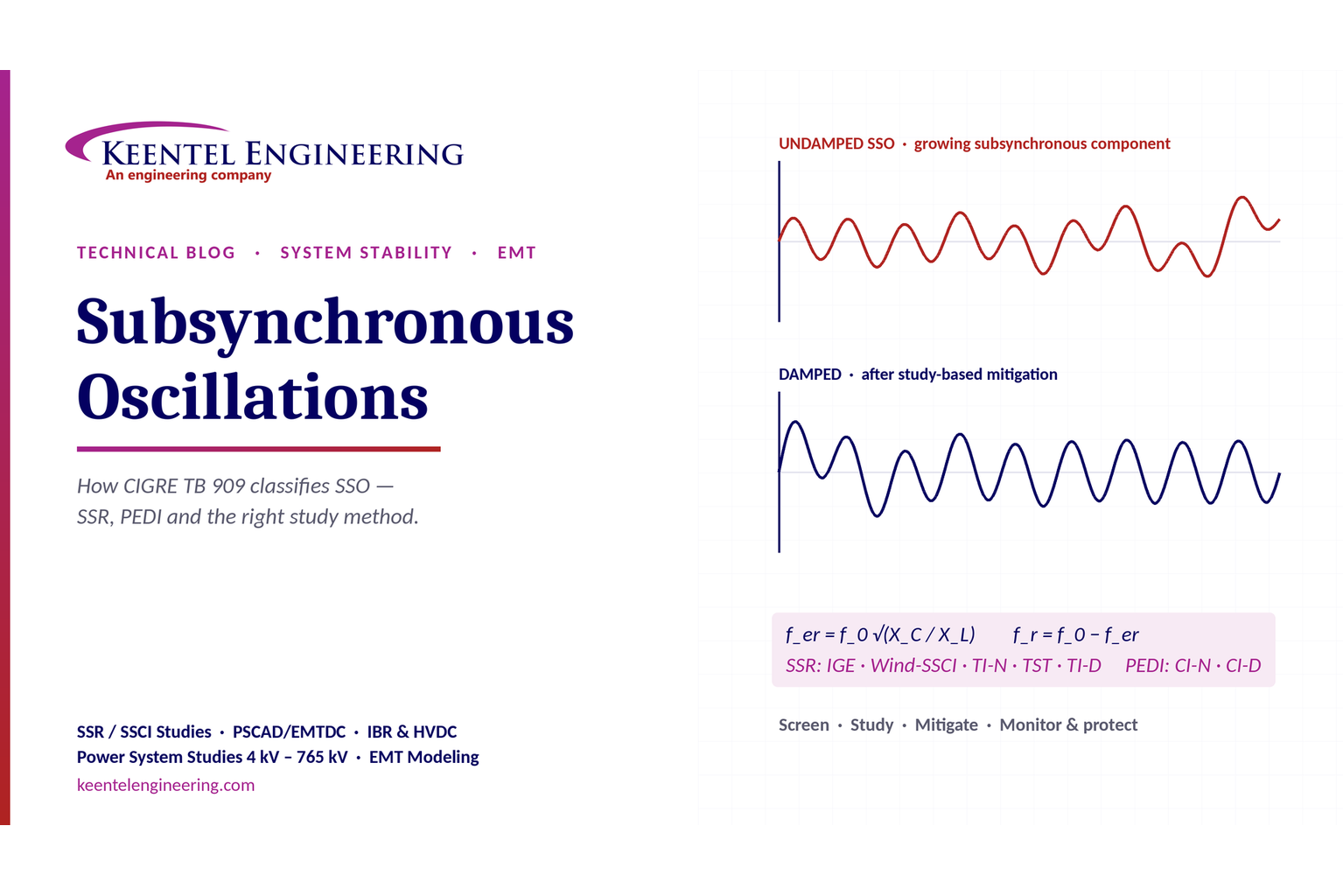
A practical guide to SSO classification, SSR, PEDI, Wind-SSCI, EMT analysis, mitigation and protection based on CIGRE TB 909.
By SANDIP R PATEL
•
October 3, 2026
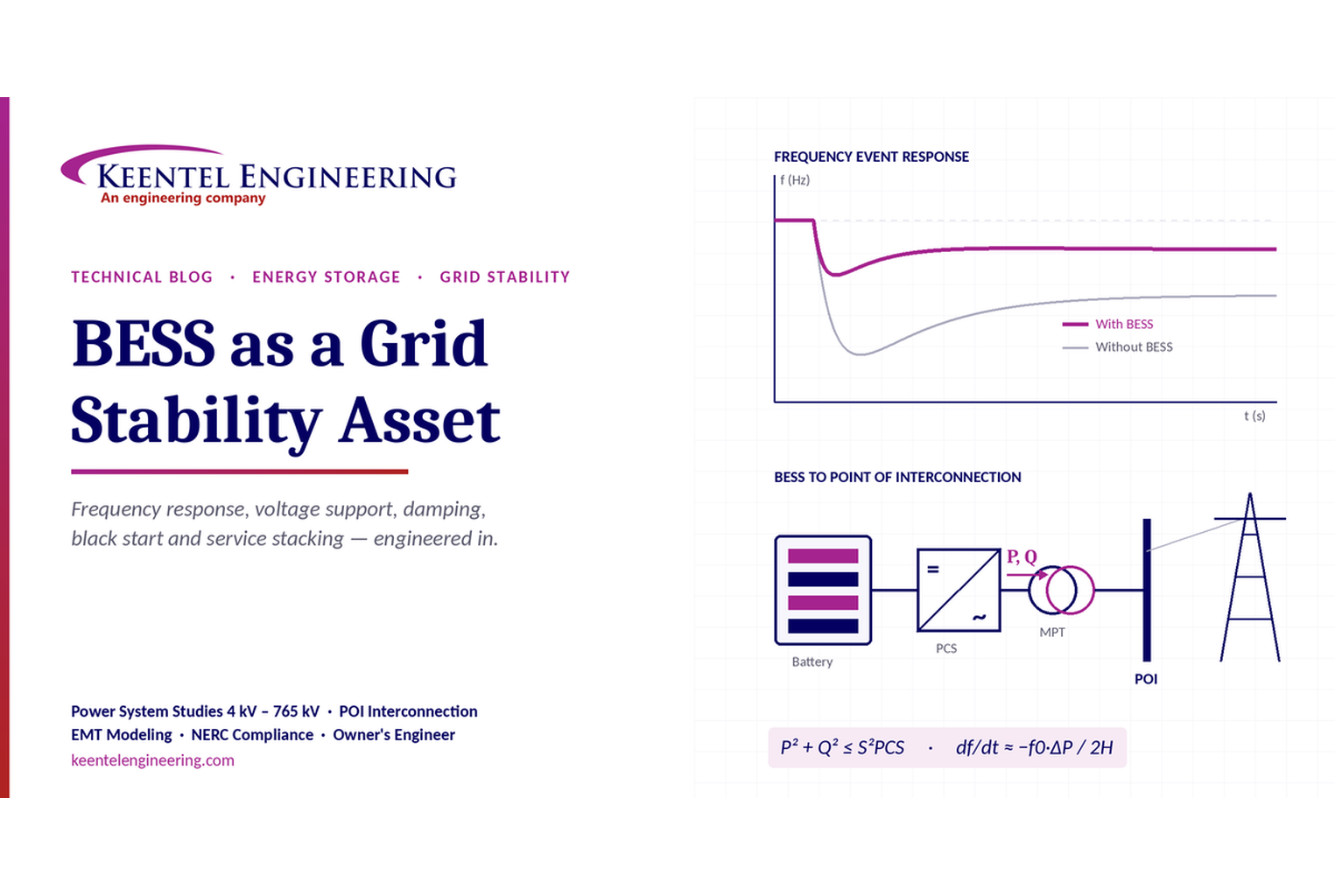
Learn how BESS supports grid stability through fast frequency response, voltage support, oscillation damping, black start, grid-forming controls and EMT studies.
By SANDIP R PATEL
•
September 30, 2026
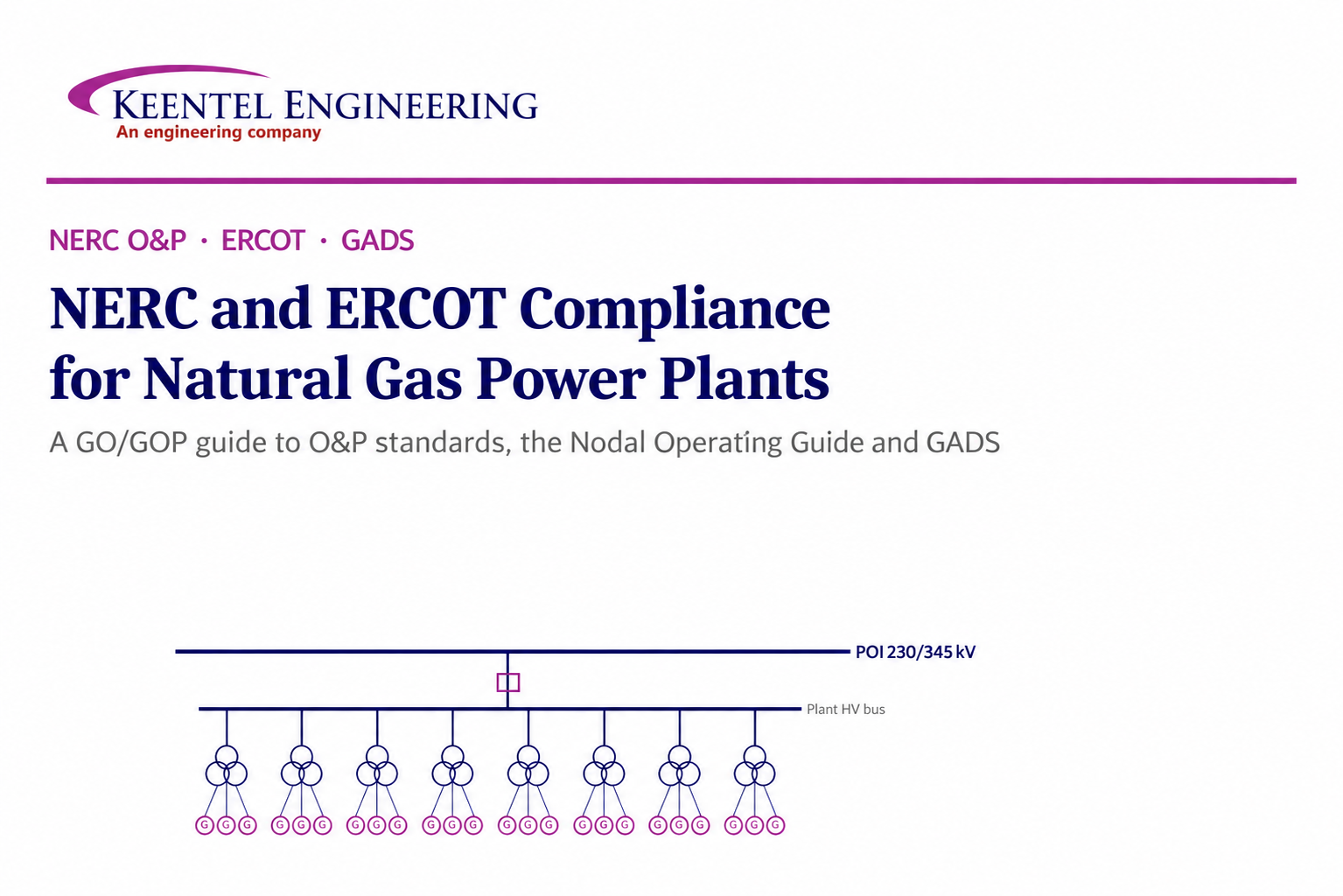
Learn NERC and ERCOT compliance requirements for natural gas power plants, including GO/GOP obligations, O&P standards, GADS reporting, and audits.
By SANDIP R PATEL
•
September 26, 2026
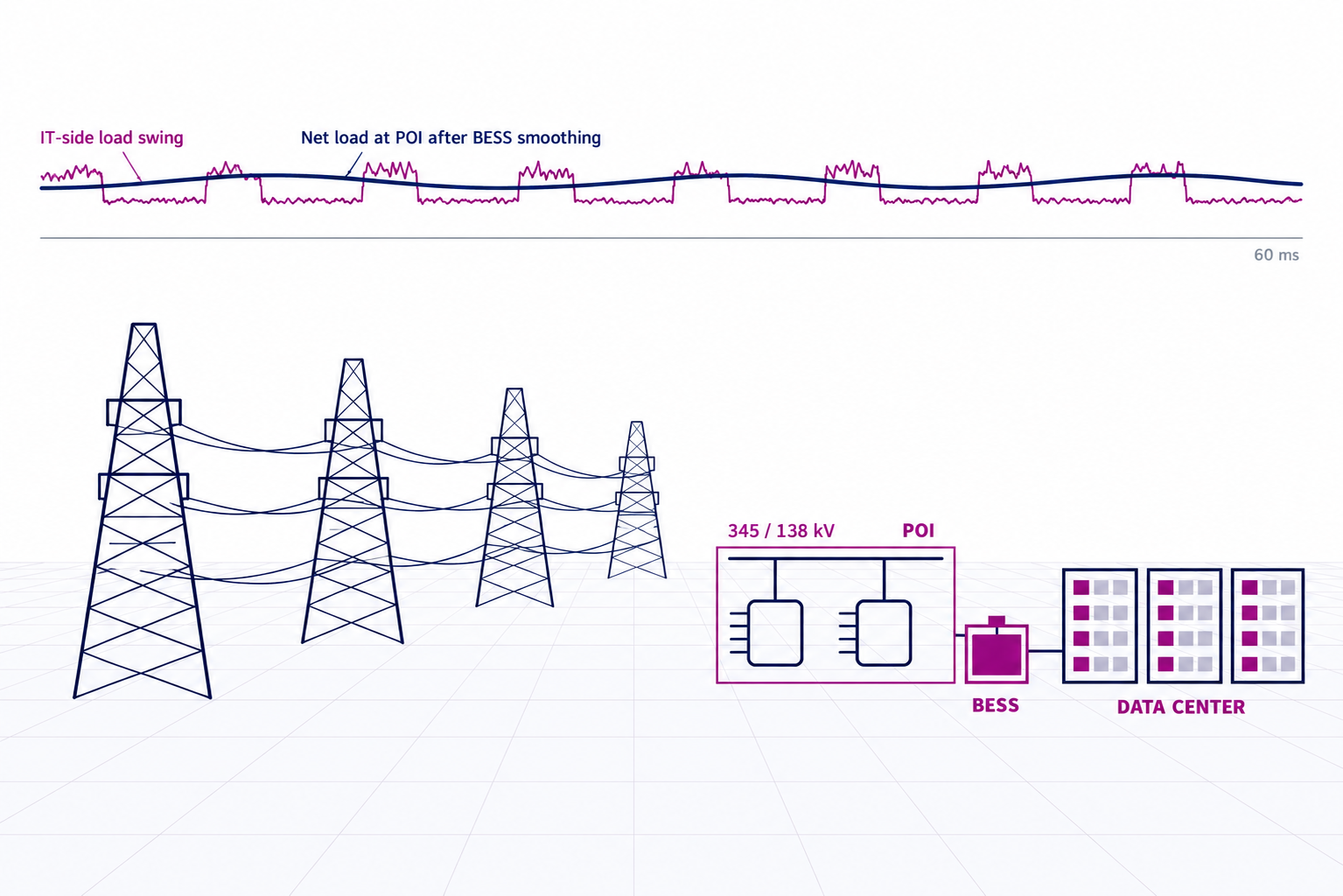
Learn how to prepare a MISO large-load interconnection package, including PSS®E models, BESS smoothing, harmonic data and transmission-owner requirements.
By SANDIP R PATEL
•
September 26, 2026
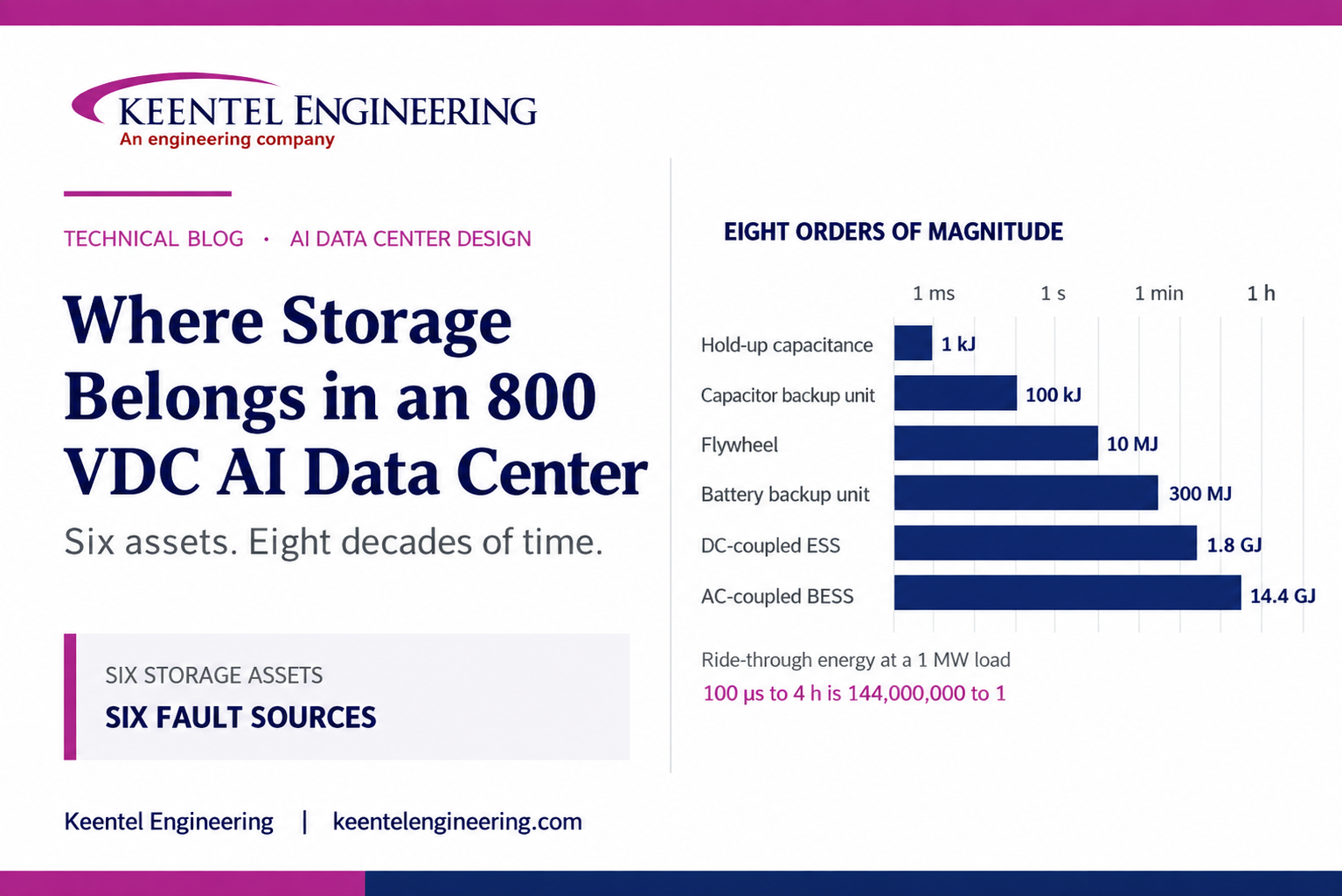
Learn where storage belongs in an 800 VDC AI data center, including capacitors, flywheels, BESS, fault current, protection, grounding, and EMT design.
By SANDIP R PATEL
•
September 26, 2026
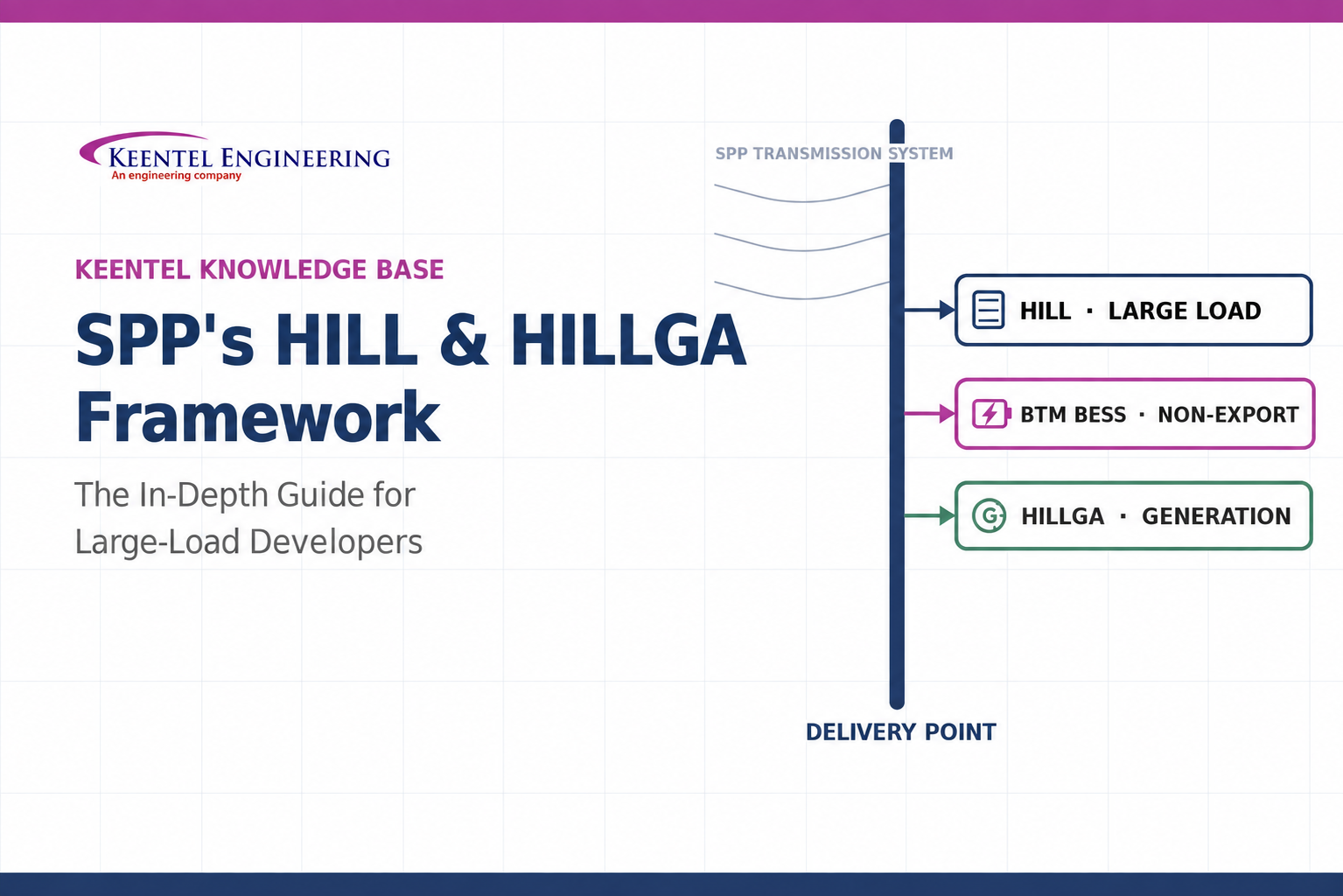
Learn how SPP’s HILL and HILLGA framework works for large-load projects, including studies, BTM generation, modeling, EMT requirements, and firm service.
By SANDIP R PATEL
•
September 25, 2026
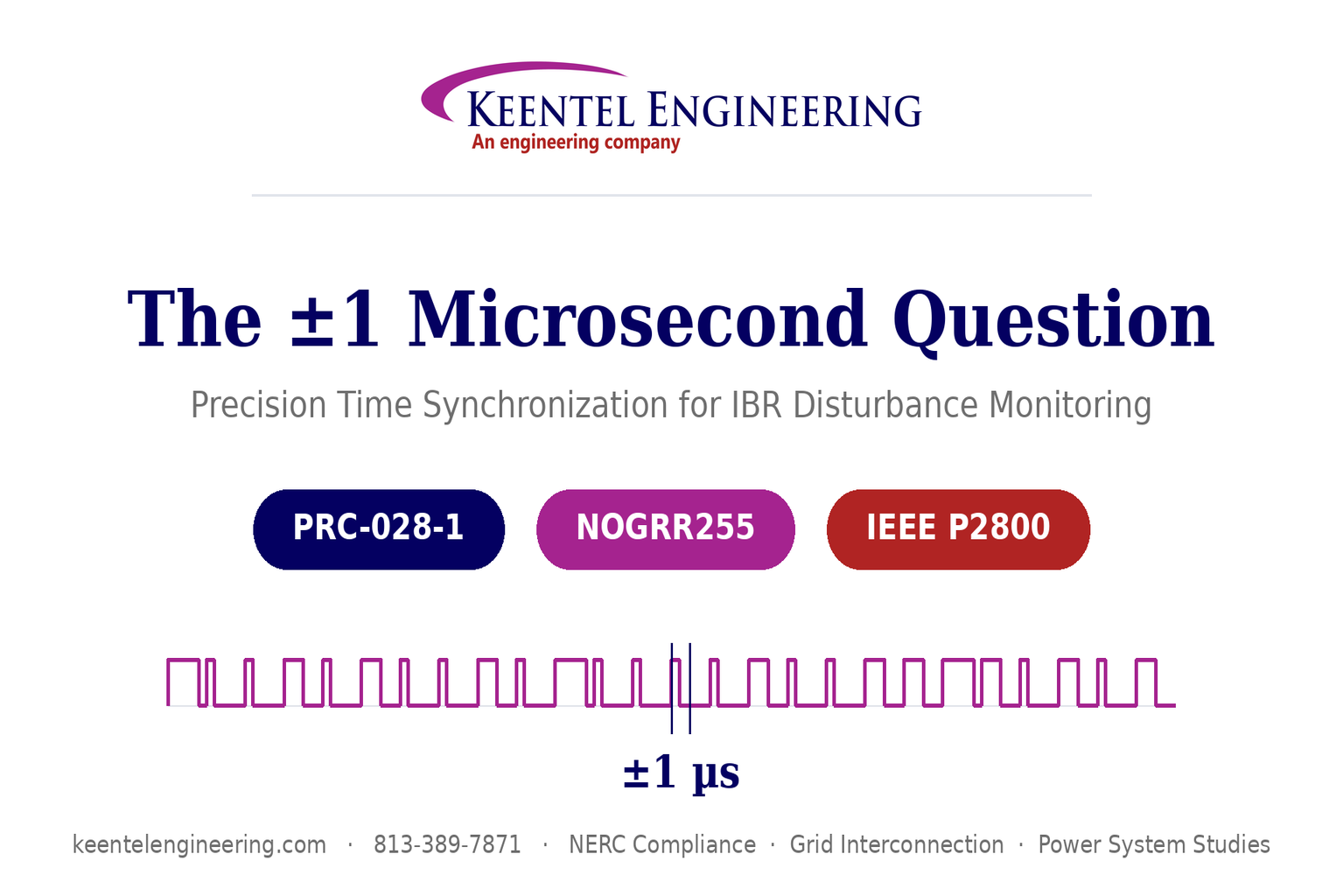
Learn how IBR time synchronization, IEEE 2800, IRIG-B verification, and PTP solutions help meet disturbance monitoring compliance requirements.
By SANDIP R PATEL
•
September 24, 2026
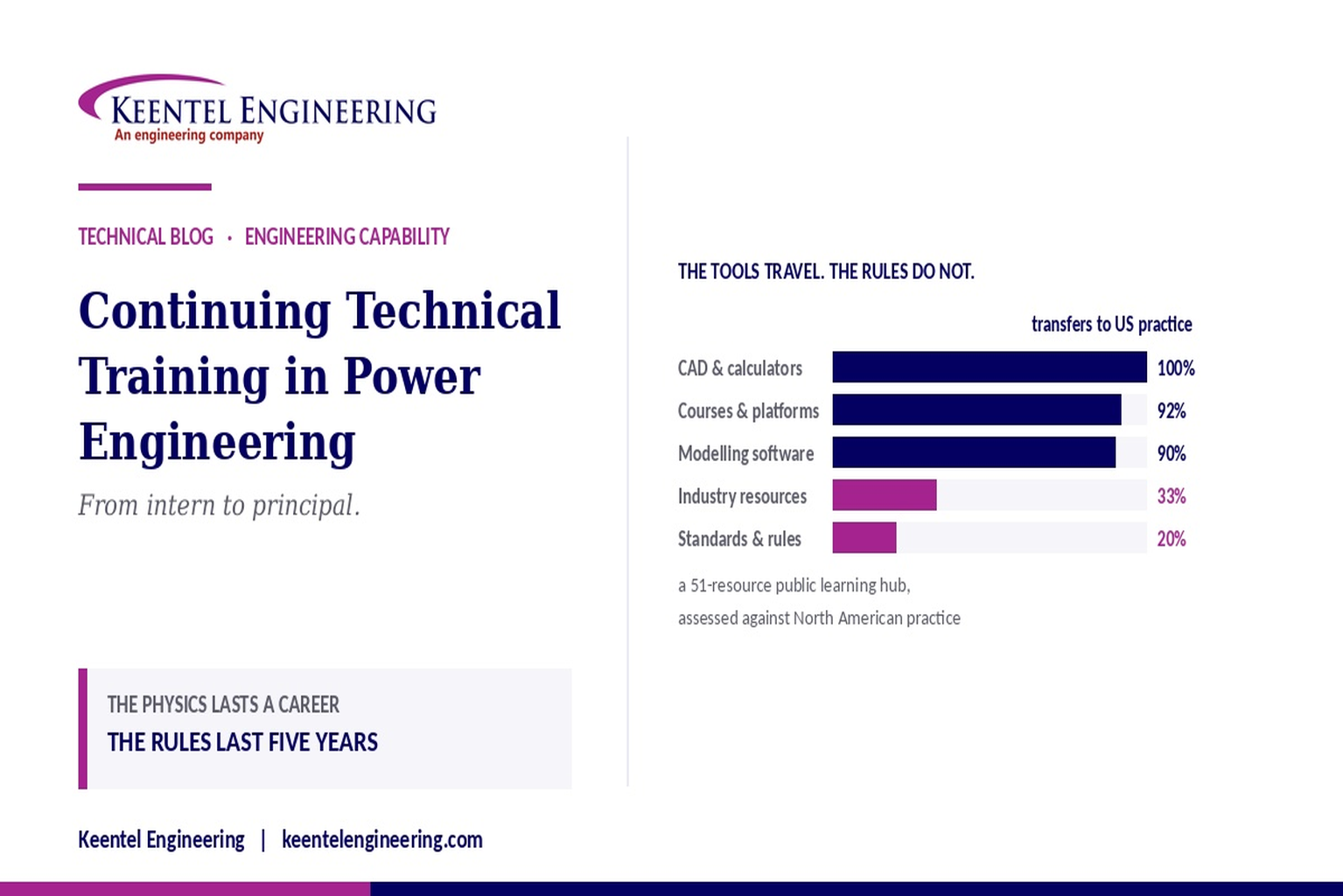
Learn why continuing technical training matters in power engineering, including standards, software skills, PDH requirements, and career growth.
By SANDIP R PATEL
•
September 22, 2026
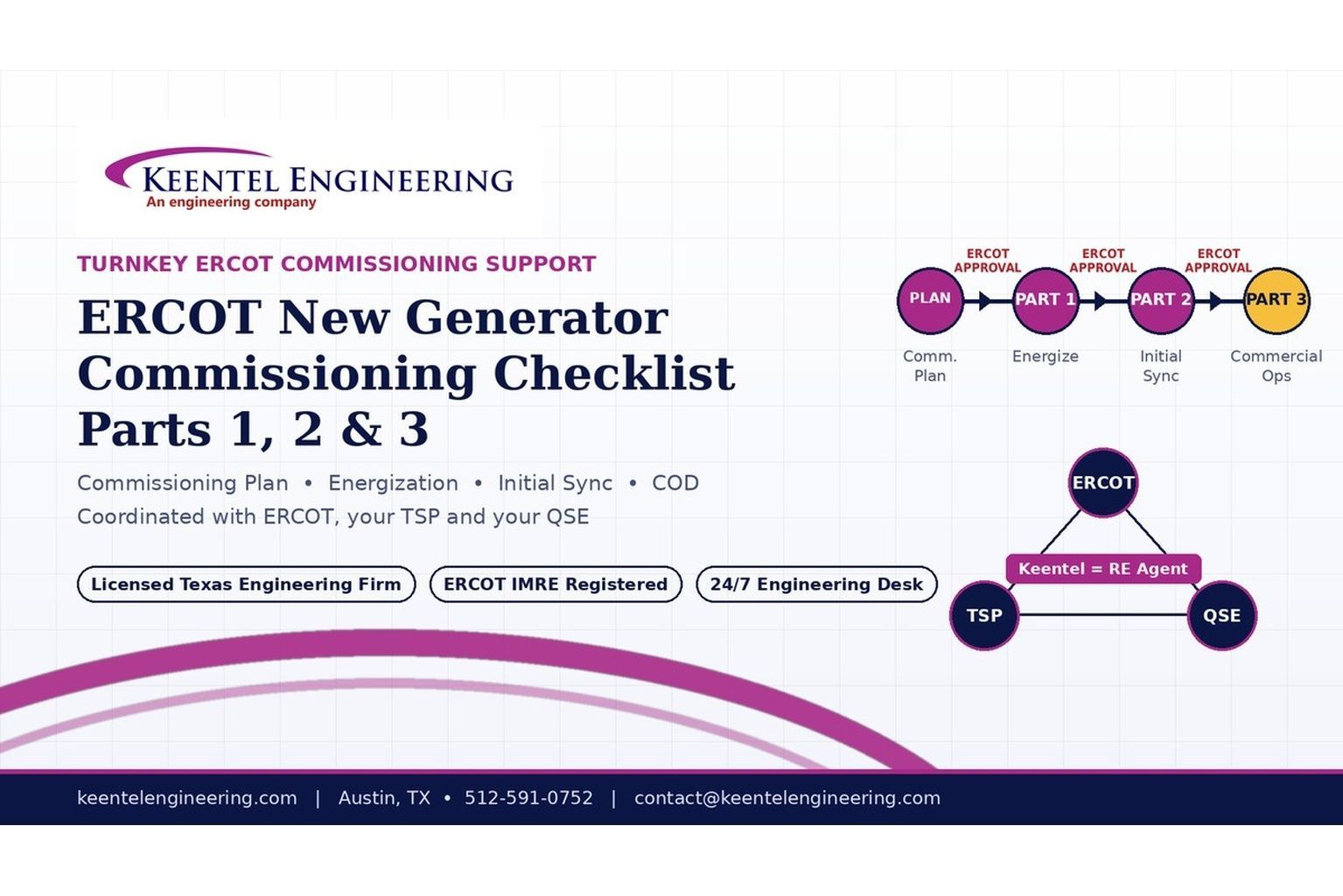
2026 ERCOT commissioning guide covering the Commissioning Plan, Checklist Parts 1–3, BESS requirements, TSP/QSE coordination, field testing and COD.