

A Coordinated Electric System Interconnection Review—the utility’s deep-dive on technical and cost impacts of your project.

White Paper: NERC Level 3 Alert Compliance Guide for IBR Generator Owners

Calendar icon. D

May 23, 2025 | Blog

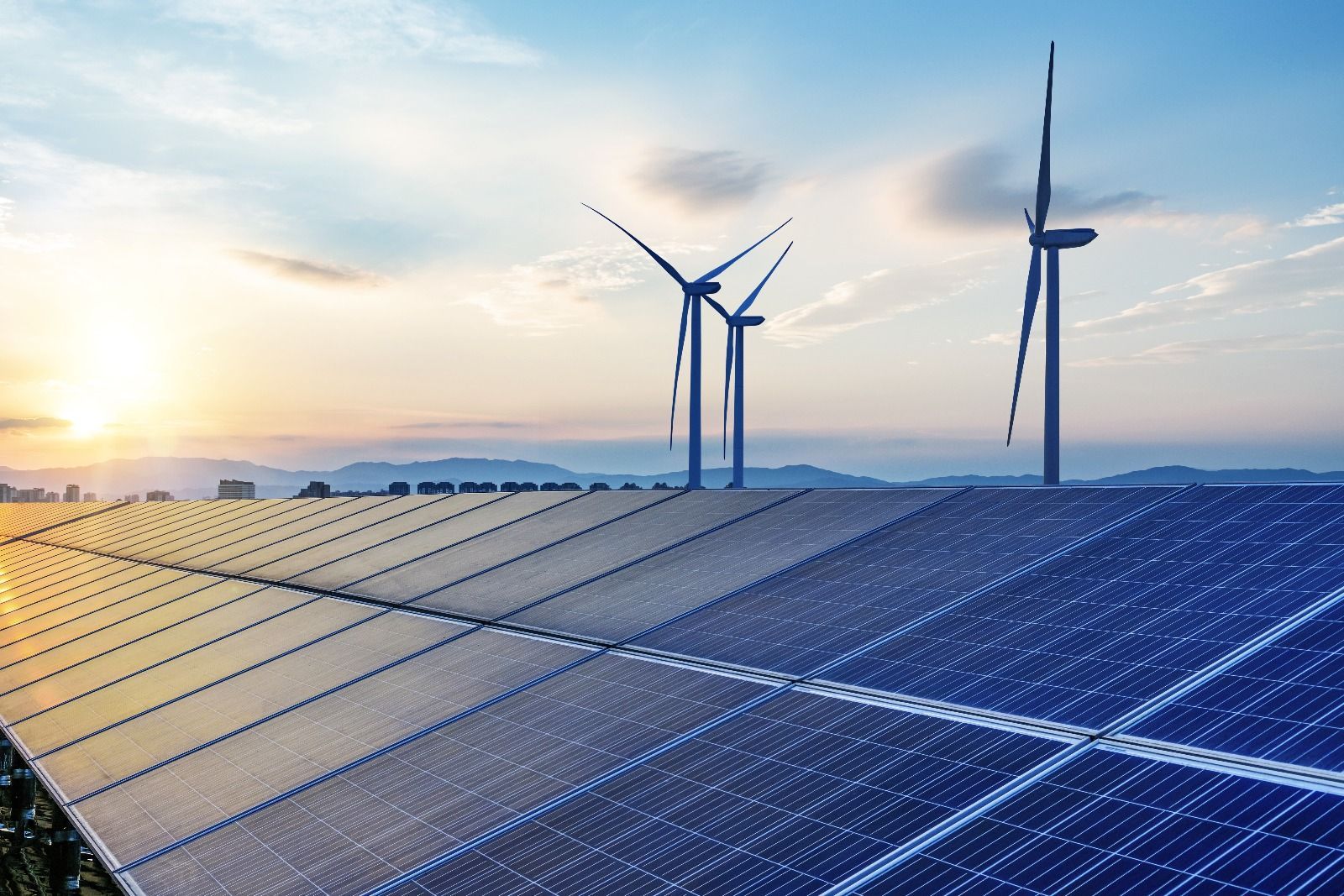
Solar panels and wind turbines generating clean energy under a blue sky at sunset.

Purpose of the NERC Level 3 Alert

The NERC Level 3 Alert aims to address systemic modeling and performance failures in inverter-based resources (IBRs). These issues have led to over 15,000 MW in generation losses across multiple grid disturbances since 2016. Generator Owners (GOs) must act urgently to validate IBR performance and ensure accurate power system modeling.


Key NERC Compliance Responsibilities for IBR Generator Owners

1. Model Accuracy and Verification

  • Obtain validated EMT (Electromagnetic Transient) and PSPD (Positive Sequence Phasor Domain) model reports from OEMs.
  • Benchmark EMT models against measured performance; explain any discrepancies.
  • Confirm all model parameters match as-built equipment and settings for NERC compliance.

2. Performance Validation of IBR Systems

  • Conduct conformity tests to verify real-world behavior of installed equipment.
  • Use staged commissioning tests for frequency response—not just live event data.
  • Validate controls for accurate IBR grid response modeling.

3. Change Management Compliance

Implement a documented process for tracking:

  • Control parameter changes
  • Firmware upgrades
  • Equipment setting modifications
    Notify Transmission Planners (TPs) and Planning Coordinators (PCs) of any model-impacting updates.

4. Information Management for Compliance Audits

Maintain a current internal database detailing:

  • Inverter/controller make, model, and firmware version
  • Active/reactive power specs
  • Ride-through, protection settings, and voltage/frequency control strategies

5. Design Stability and IBR Modeling

  • Use publicly available interconnection requirements to minimize later model revisions.
  • Engage OEMs early to secure modeling deliverables in purchase agreements.
  • Prioritize stability and reproducibility in power system design.

Ensure your IBR systems meet NERC standards with our comprehensive compliance services.
👉 Keentel Engineering – NERC Compliance Services


NERC Reporting Deadlines for Generator Owners

  • Acknowledge Alert: by May 27, 2025
  • Submit Compliance Report: by August 18, 2025
    Use the NERC Alert System for submission and approval.

Recommended Power System Software for IBR Compliance

Software Tool Purpose Required Expertise
PSSE + TSAT Positive sequence dynamics and stability modeling PSPD tuning and response validation
PSCAD/EMTDC EMT inverter simulation Transient analysis and EMT model validation
DigSILENT PowerFactory Grid-wide dynamic studies Frequency and voltage control modeling
MATLAB/Simulink Custom control modeling EMT modeling and signal processing
HYPERSIM/RTDS Real-time hardware-in-the-loop testing Real-time EMT validation and HIL testing

Proficiency in power system model validation and field data benchmarking is critical for NERC IBR compliance.


Explore our capabilities in power system studies, including stability analysis and grid integration.
👉 Keentel Engineering – Power System Studies


Regulatory and Grid Reliability Emphasis

While this NERC Level 3 Alert is not punitive, non-compliance may highlight systemic reliability risks and result in future regulatory scrutiny. Accurate IBR modeling and system responsiveness are essential for bulk power system (BPS) reliability.


Summary Checklist for GOs

Task Status
Request model validation from OEMs
Benchmark EMT & PSPD models
Perform commissioning tests with staged scenarios
Implement change tracking for settings & firmware
Maintain critical IBR data
Coordinate with TPs/PCs for model updates
Submit acknowledgment & report to NERC

Get in touch with our team for personalized assistance and consultations.
 
👉Keentel Engineering – Contact Page


A smiling man with glasses and a beard wearing a blue blazer stands in front of server racks in a data center.

About the Author:

Sonny Patel P.E. EC

IEEE Senior Member

In 1995, Sandip (Sonny) R. Patel earned his Electrical Engineering degree from the University of Illinois, specializing in Electrical Engineering . But degrees don’t build legacies—action does. For three decades, he’s been shaping the future of engineering, not just as a licensed Professional Engineer across multiple states (Florida, California, New York, West Virginia, and Minnesota), but as a doer. A builder. A leader. Not just an engineer. A Licensed Electrical Contractor in Florida with an Unlimited EC license. Not just an executive. The founder and CEO of KEENTEL LLC—where expertise meets execution. Three decades. Multiple states. Endless impact.

Four workers in safety vests and helmets stand with arms crossed near wind turbines.

Let's Discuss Your Project

Let's book a call to discuss your electrical engineering project that we can help you with.

Man in a blazer and open shirt, looking at the camera, against a blurred background.

About the Author:

Sonny Patel P.E. EC

IEEE Senior Member

In 1995, Sandip (Sonny) R. Patel earned his Electrical Engineering degree from the University of Illinois, specializing in Electrical Engineering . But degrees don’t build legacies—action does. For three decades, he’s been shaping the future of engineering, not just as a licensed Professional Engineer across multiple states (Florida, California, New York, West Virginia, and Minnesota), but as a doer. A builder. A leader. Not just an engineer. A Licensed Electrical Contractor in Florida with an Unlimited EC license. Not just an executive. The founder and CEO of KEENTEL LLC—where expertise meets execution. Three decades. Multiple states. Endless impact.

Leave a Comment

Related Posts

Biggest Mistakes in Analyzing Modern Substation Schematics
By SANDIP R PATEL April 11, 2026
Discover 15 critical mistakes in modern substation schematic analysis, including IEC 61850, protection zones, GOOSE, CT/VT issues, and grid reliability risks.
Advanced large load modeling for grid reliability with data center power systems.
By SANDIP R PATEL April 10, 2026
Learn how large load modeling improves grid reliability for data centers and modern power systems using advanced EMT, dynamic studies, and compliance strategies.
ERCOT large load interconnection surge with data centers, renewable energy, and grid reliability
By SANDIP R PATEL April 10, 2026
ERCOT faces a surge in large load interconnections driven by AI data centers. Explore grid challenges, batch studies, and developer strategies
Data center power diagram with MVDC, UPS, transformers, generators, and IT load.
By SANDIP R PATEL April 10, 2026
Learn how EMT modeling improves data center grid stability, AI load integration, and power quality. Expert insights by Keentel Engineering.
Advanced power system diagram with five buses, generator, transformer, and protection system
By SANDIP R PATEL April 7, 2026
Advanced power system studies for DER, EMT modeling, and grid stability. Expert T&D co-simulation by Keentel Engineering.
MOD-026-2 compliance diagram for dynamic model validation of inverter-based resources in power
By SANDIP R PATEL April 7, 2026
Learn MOD-026-2 compliance requirements for dynamic model verification and validation of inverter-based resources, ensuring power system reliability and NERC compliance.
PJM First Use rule elimination for DER interconnection under FERC Order 2222
By SANDIP R PATEL April 7, 2026
Explore PJM’s First Use rule reform, DER interconnection changes, and FERC Order 2222 impacts on solar, BESS, and distribution-level grid integration.
Advanced PSSE and PSCAD modeling services for solid-state transformers in data center power systems
By SANDIP R PATEL April 7, 2026
Advanced PSSE and PSCAD modeling for solid-state transformers in data centers. Ensure grid compliance, stability, and high-performance power systems.
FlexGEB smart building with solar, HVAC, battery storage, and grid-connected energy systems.
By SANDIP R PATEL April 6, 2026
Explore FlexGEB smart buildings using solar, storage, HVAC, and IoT to boost energy efficiency, demand flexibility, and grid resilience.