Balancing Authorities
Carry the core obligations of BAL-001, BAL-002, BAL-003, BAL-005 and BAL-007: control performance, contingency recovery, frequency response, ACE calculation and energy assessments.

Your Trusted Partner in Electrical Engineering and Power Systems
At Keentel Engineering, we deliver electrical power engineering services built on 30 years of experience and a commitment to excellence. Our clients include utilities, developers, EPCs, and public agencies across the U.S.
Unlike firms that sacrifice technical depth to chase billable hours, we prioritize precision, compliance, and value engineering. From transmission services and relay modeling to winterization and SCADA planning, we never compromise on quality.

At Keentel Engineering, we take pride in being the go-to electrical power engineering firm for power and utility system planning, substation design, protection, control, and power system analysis. The following attributes distinguish our team in utility-grade substation engineering and compliance-driven project delivery.
With three decades of hands-on project delivery, we bring unmatched expertise in substation layout design, substation electrical and civil engineering, relay protection, and grid-tie solutions. Our experience includes projects in complex terrain, urban retrofit environments, and utility-scale renewable integrations.
Our engineering process applies AutoCAD 3D, BIM modeling, and system-level substation design practices to ensure accurate planning, reduced errors, and efficient coordination across all project stakeholders.
Our workflow includes 3D substation design, enabling clash-free coordination between structural, electrical, and civil disciplines.
From grounding grid studies to relay protection settings, we engineer every detail to improve system reliability, performance, and operational safety. Our rigorous QA/QC process ensures compliance with IEEE, NFPA, and ISO/TSO interconnection standards.
Among leading electrical substation design companies, Keentel Engineering stands out for 30+ years of proven high-voltage and utility-grade project delivery.




First name, email and what you're interested in are all we need to get moving. Everything else, including drawings or an RFP, is optional.
The BAL standards are among the most data-driven in the NERC Operations & Planning set. Area Control Error (ACE), control performance measures, contingency reserve recovery and frequency response are all calculated from operating data. An auditor does not ask whether the Balancing Authority tried to balance — the auditor asks to see the calculation, the data behind it and the record showing it was reported correctly.
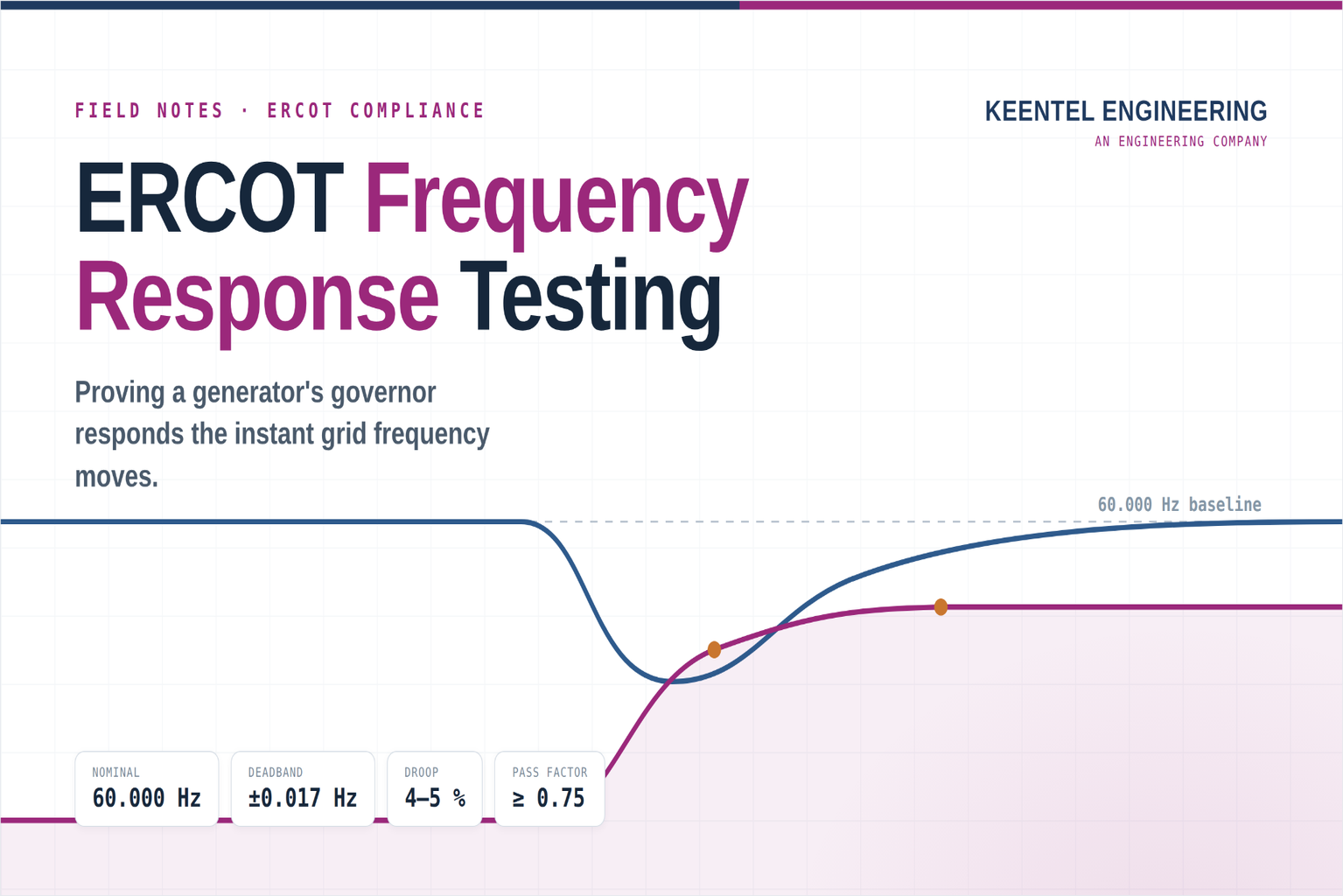
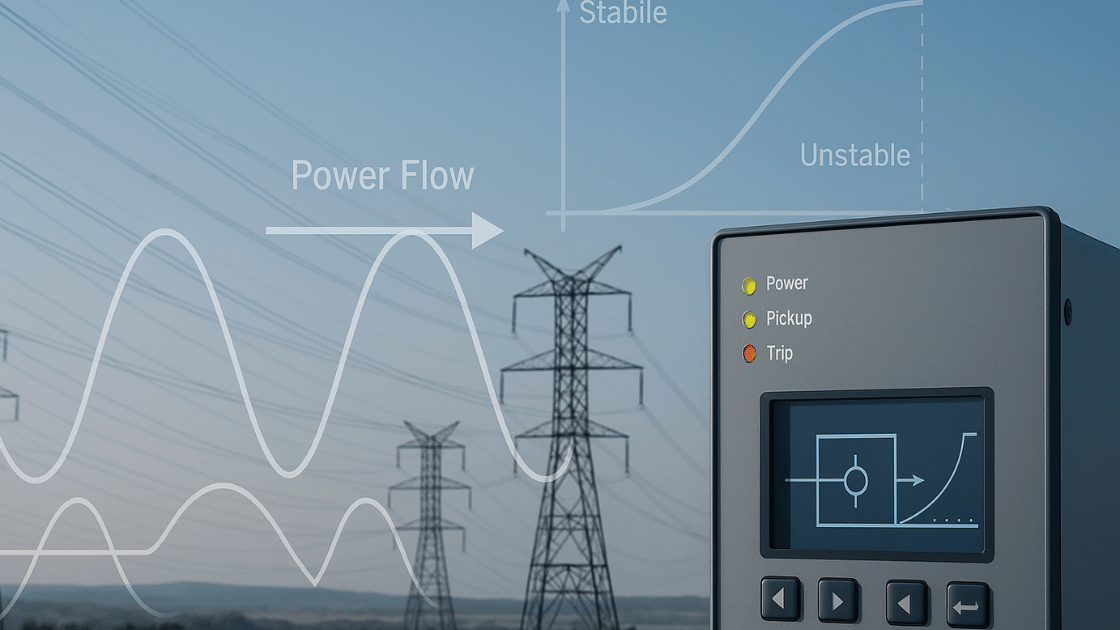
Frequency response is where the family reaches beyond the control room. A Balancing Authority’s measured response to a frequency event is the sum of how its generators, loads and controls behaved in the first seconds after the disturbance. Governor deadbands, droop settings, plant-controller frequency functions and operating headroom all show up in the numbers.
The newest member of the family, BAL-007, moves the focus from seconds to days and weeks: it asks Balancing Authorities to assess whether enough energy — not just capacity — will be available over the near term, and to have operating plans ready if it is not.
The table lists the continent-wide and regional BAL standards Keentel supports. Always confirm the version in effect for your facility and audit period — BAL standards have been revised several times, and regional variants apply only within their Regional Entity footprint.
| Standard | Title | Applicable functions | Engineering & compliance evidence |
|---|---|---|---|
| BAL-001 | Real Power Balancing Control Performance | Balancing Authority; Regulation Reserve Sharing Group | Control performance calculations (CPS1, BAAL), ACE data quality, frequency-bias inputs, monthly reporting records |
| BAL-001-TRE | Primary Frequency Response in the ERCOT Region | Balancing Authority, Generator Owner, Generator Operator (Texas RE) | Governor and plant-controller settings, deadband and droop documentation, primary frequency response performance for qualifying events, settings change records |
| BAL-002 | Disturbance Control Standard – Contingency Reserve for Recovery from a Balancing Contingency Event | Balancing Authority; Reserve Sharing Group | Reportable event identification, ACE recovery analysis, contingency reserve policy and reporting records |
| BAL-002-WECC | Contingency Reserve | Balancing Authority; Reserve Sharing Group (WECC) | Contingency reserve calculations, reserve composition and deployment records under the WECC regional criteria |
| BAL-003 | Frequency Response and Frequency Bias Setting | Balancing Authority; Frequency Response Sharing Group | Frequency response measurement from selected events, FRS Form data, Frequency Bias Setting calculation and implementation records |
| BAL-005 | Balancing Authority Control | Balancing Authority | ACE calculation design, metering and data-availability documentation, Pseudo-Tie and dynamic schedule treatment, alarm records |
| BAL-007 | Near-Term Energy Reliability Assessments | Balancing Authority | Documented assessment process, scenarios, operating plans for forecast energy emergencies, assessment records and periodic reviews |
BAL-007 was approved by FERC in 2025 and phases in under its implementation plan. Confirm your effective date before building evidence to it.
Carry the core obligations of BAL-001, BAL-002, BAL-003, BAL-005 and BAL-007: control performance, contingency recovery, frequency response, ACE calculation and energy assessments.
Regulation Reserve Sharing Groups, Reserve Sharing Groups and Frequency Response Sharing Groups can assume certain BAL obligations on behalf of their members.
BAL-001-TRE places primary frequency response obligations directly on GOs and GOPs in the Texas RE footprint, including governor settings and measured performance.
Outside ERCOT, GOs are not directly applicable to BAL-003, but their governor and plant-controller behavior drives the Balancing Authority’s measured frequency response — and interconnection agreements often require primary frequency response capability.
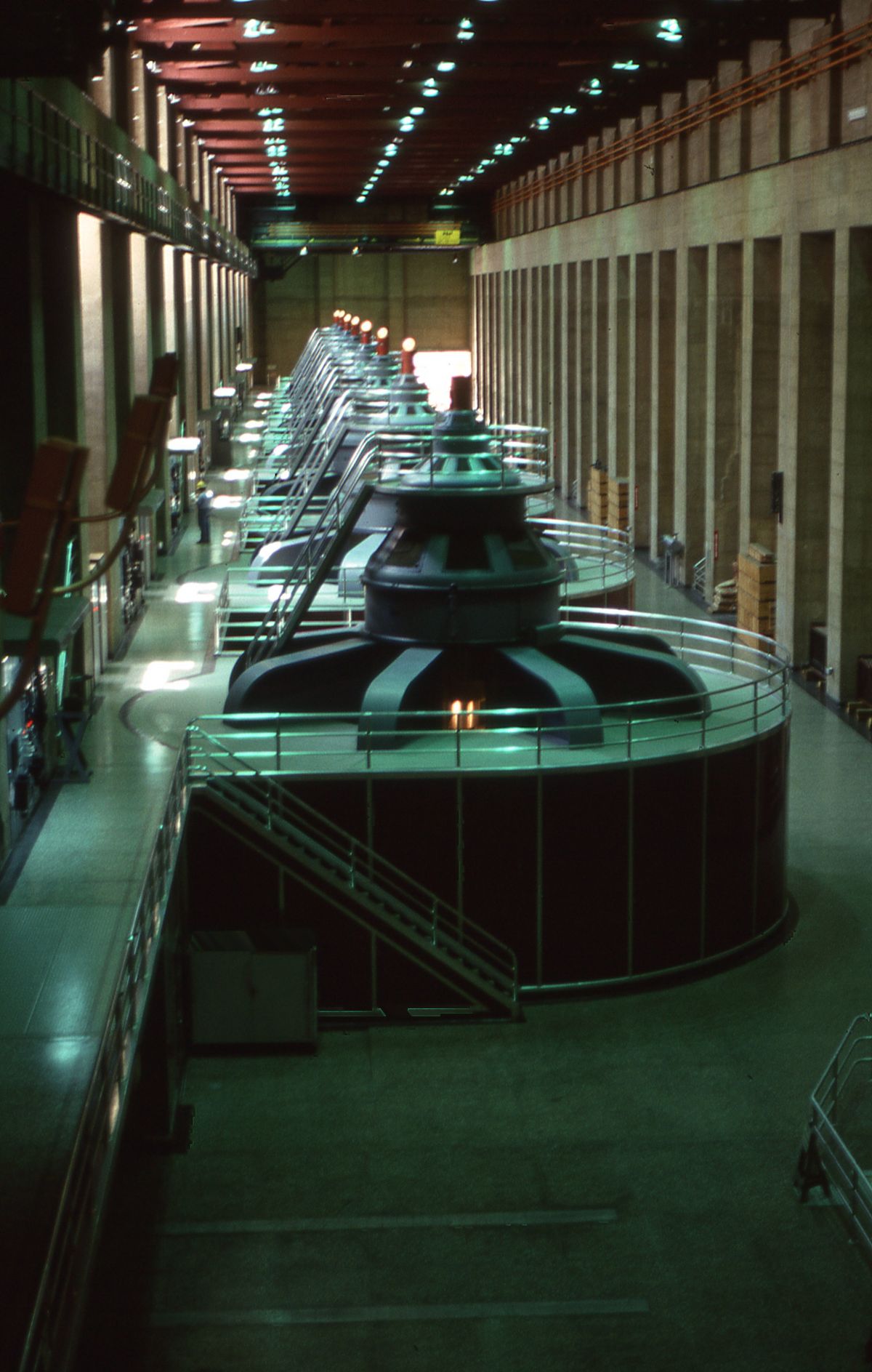
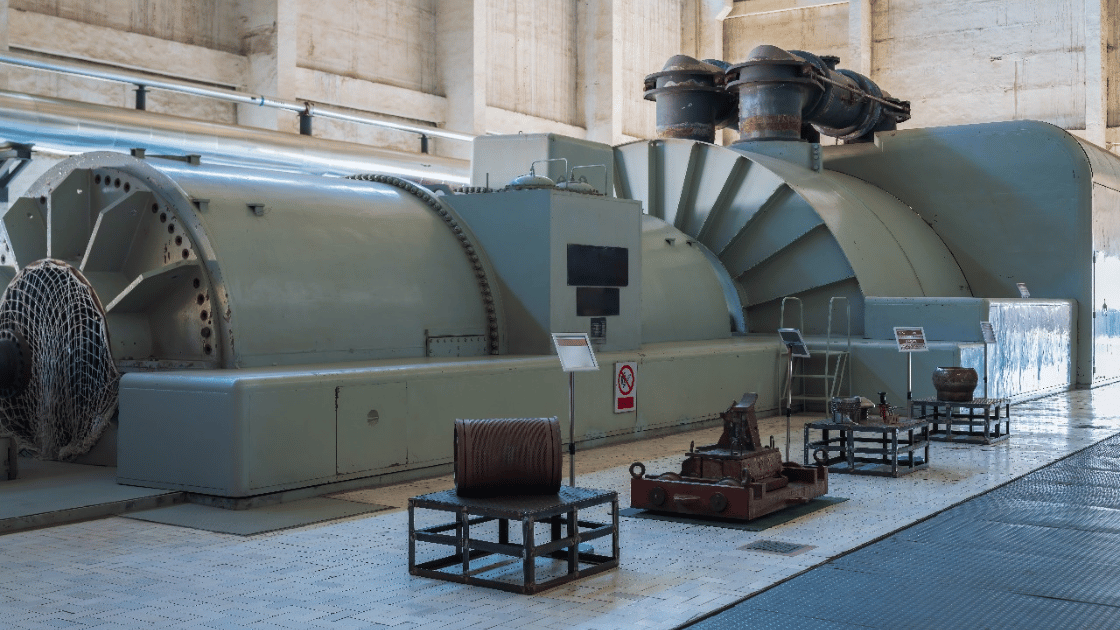
For thermal, hydro and combustion-turbine units, primary frequency response comes from the governor. Deadband, droop, load limits, outer-loop plant controls that withdraw the governor response and operating at or near maximum output all reduce what the unit actually delivers. Keentel reviews governor and plant-control settings, compares them with event data and documents the result.
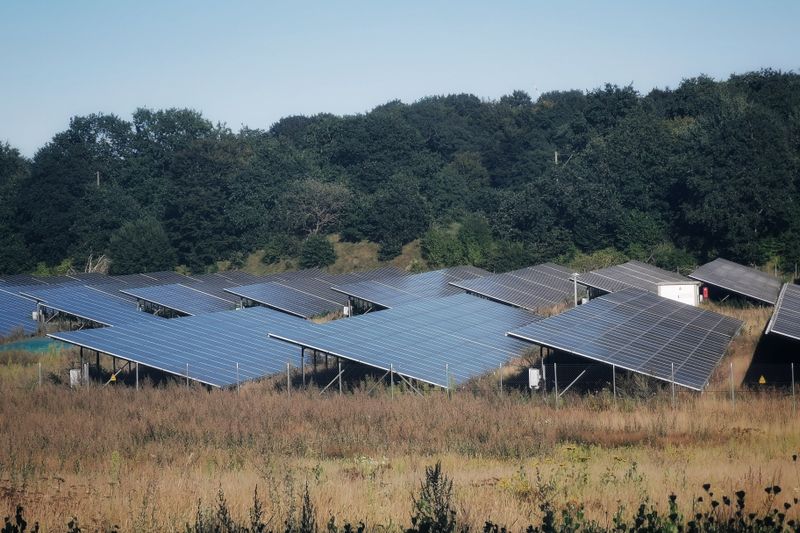
For inverter-based resources, frequency response is a plant-controller function. Whether a solar, wind or battery plant responds to low or high frequency depends on its power plant controller settings, its available headroom and its ride-through behavior during the event itself. Batteries can deliver fast, controllable response; solar and wind typically respond to over-frequency and, if curtailed, to under-frequency. We recover the settings from the OEM or EPC, confirm they match the interconnection requirements and document how the plant is expected to respond.
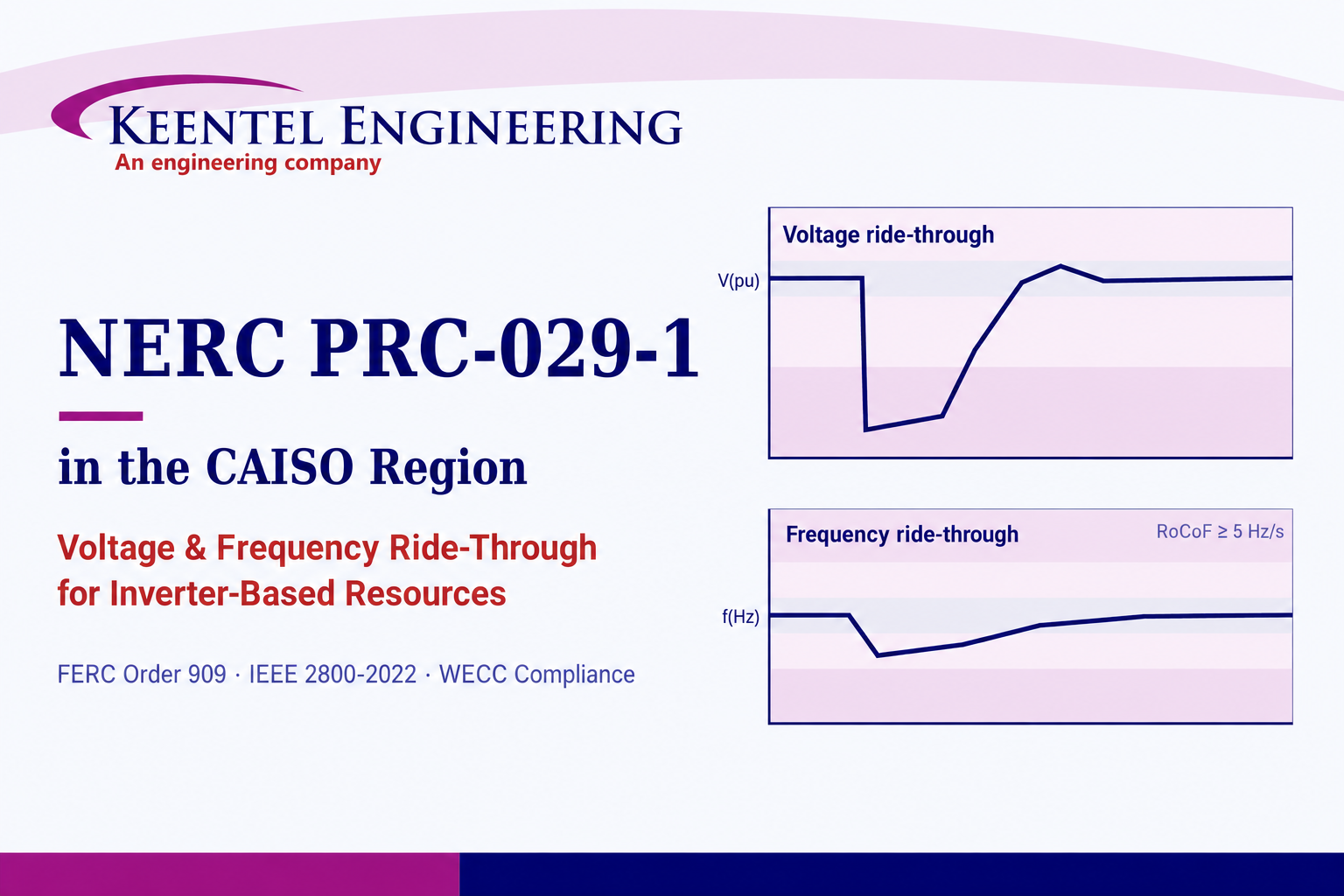
In ERCOT, BAL-001-TRE makes this generator evidence directly auditable. Elsewhere, the same settings feed the Balancing Authority’s BAL-003 performance, the dynamic models submitted under MOD-026 and MOD-027, and the ride-through obligations of PRC-024 and PRC-029. One well-documented set of settings supports all of them.
Event selection support, measured frequency response calculations and comparison against the Balancing Authority’s obligation under BAL-003.
Review of the data, method and implementation record for the Frequency Bias Setting used in the ACE equation.
Governor and plant-controller settings documentation, event-performance review and corrective actions for ERCOT generators.
Deadband, droop, frequency-response enable logic and outer-loop controls for synchronous and inverter-based plants.
Near-term energy reliability assessment process, scenario definitions, data inputs and operating plans for energy emergencies.
BAL-001 and BAL-005 calculation documentation, metering and data-availability records, and reporting procedures.
BAL-002 and BAL-002-WECC event identification, recovery analysis and reserve-sharing documentation.
RSAW-aligned narratives and evidence indexes that tie each BAL requirement to the data that proves it.
Identify which BAL standards and requirements apply to each registered function, sharing-group arrangement and Regional Entity footprint.
ACE and frequency data, event records, reporting forms, governor and plant-controller settings, interconnection requirements and existing procedures.
Recalculate measures, review frequency response events and compare generator behavior with documented settings.
Recommend procedure, calculation or settings changes and coordinate with operations, plant staff and OEMs to implement them.
Prepare requirement-mapped narratives, calculation records and settings justifications a reviewer can follow.
Refresh evidence after settings changes, new resources, sharing-group changes or standard revisions.
| Deliverable | Purpose |
|---|---|
| BAL applicability matrix | Requirement-level applicability for each registered function and region |
| Frequency response analysis report | Event-by-event measured response and supporting calculations for BAL-003 |
| Governor / plant-controller settings report | Documented settings, basis and expected response for BAL-001-TRE and interconnection requirements |
| BAL-007 process, scenarios and operating plans | The documented framework the Balancing Authority performs and reviews its energy assessments against |
| Procedures and calculation records | ACE, control performance and contingency reserve documentation for BAL-001, BAL-002 and BAL-005 |
| Requirement-mapped evidence index | Each BAL requirement linked to the specific data, records and pages that prove it |
| Gap | Why it matters |
|---|---|
| Governor settings not documented | Without recorded deadband and droop settings, a generator cannot show its response was consistent with requirements. |
| Frequency response withdrawn by plant controls | Outer-loop or plant-level controls can pull units back to their setpoint and erase the governor response the event data should show. |
| IBR frequency functions disabled or unknown | Plant-controller frequency response settings often sit with the OEM and are never verified by the owner. |
| Calculations that cannot be reproduced | Control performance and frequency response values need data and methods an auditor can follow to the same result. |
| Sharing-group responsibilities unclear | When obligations move to a reserve or response sharing group, the agreement and evidence must show who is accountable for what. |
| BAL-007 treated as a one-time study | Energy assessments are an ongoing process with documented scenarios, operating plans and periodic reviews. |
Send us your event data, governor or plant-controller settings and current BAL procedures. Keentel will show you where the evidence holds, where it breaks and what it takes to close the gap.
Serving utilities, EPCs, developers, and infrastructure organizations supporting critical power systems nationwide.