












PRC-002 & PRC-028 Disturbance Monitoring Compliance

Monitoring-location analysis, recorder selection, channel and trigger design, time synchronization and data-retrieval architecture for Transmission Owners and Generator Owners — including inverter-based resources under PRC-028.

When a fault clears or a plant trips offline, the first question from the Regional Entity, the Reliability Coordinator or your own engineers is the same: what did the recorders see? Disturbance-monitoring compliance is not a paperwork exercise. It is a working recording system — the right quantities, at the right locations, stamped to a common clock and retrievable on request. Keentel Engineering designs that system and documents it so the recording architecture itself becomes the compliance evidence.

  • BES bus identification using the standard’s attachment methodology, with owner notifications and re-evaluation records
  • Sequence of events, fault and dynamic disturbance recording design using DFRs, relays and PMUs
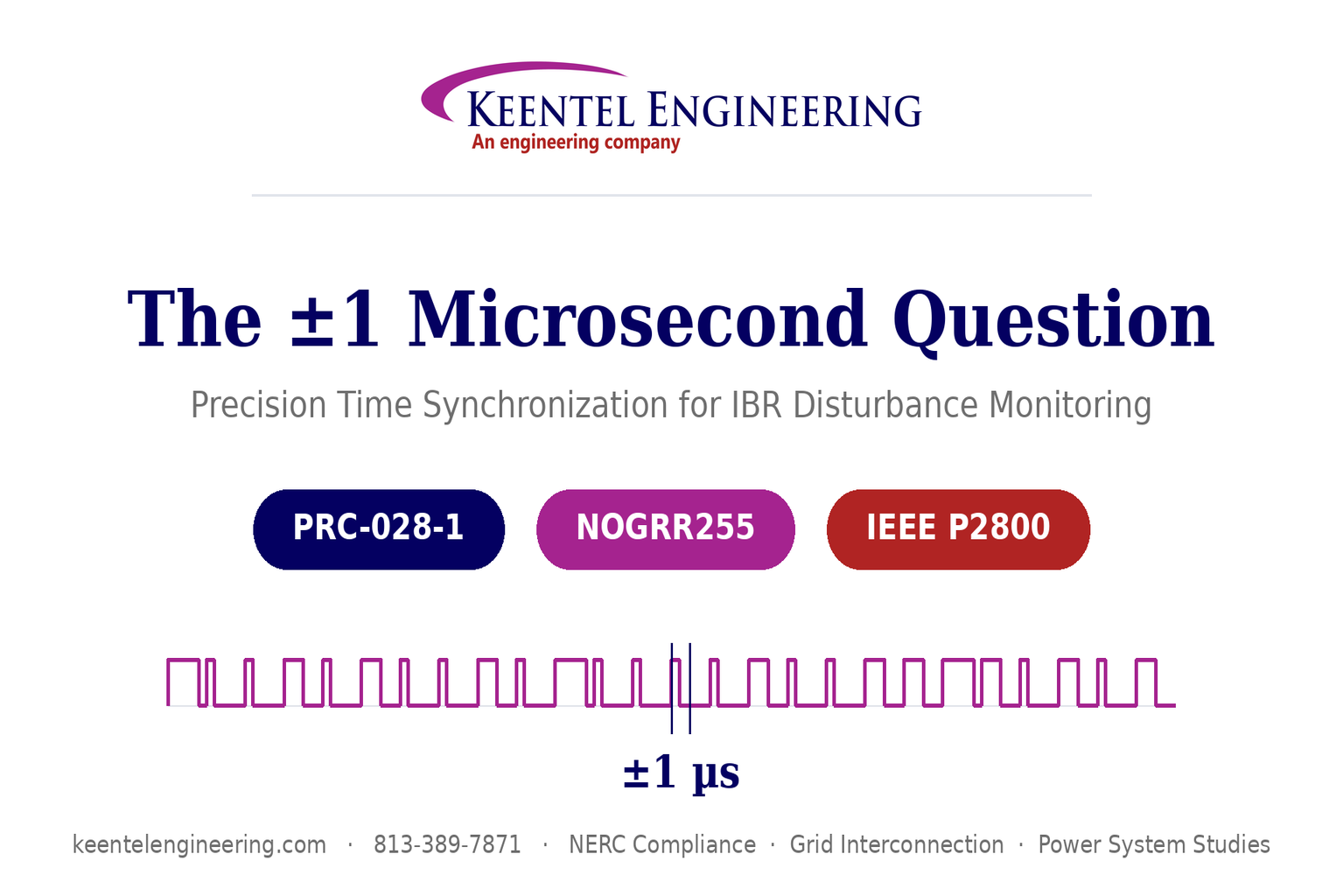
  • GPS, IRIG-B and PTP time-source design and verification
  • PRC-028 recording readiness for solar, wind and BESS plants, including ERLPhase TESLA 4000 and SEL RTAC integration
SER
FR
DDR

SER · FR · DDR

Three recording types engineered and documented

4–
765

4 kV–765 kV

Substation and plant voltage range supported

PRC
002→030

PRC-002 → PRC-030

From recording to IBR event analysis

6

All 6

Regional Entities supported

About Keentel Engineering

Your Trusted Partner in Electrical Engineering and Power Systems

At Keentel Engineering, we deliver electrical power engineering services built on 30 years of experience and a commitment to excellence. Our clients include utilities, developers, EPCs, and public agencies across the U.S.

Unlike firms that sacrifice technical depth to chase billable hours, we prioritize precision, compliance, and value engineering. From transmission services and relay modeling to winterization and SCADA planning, we never compromise on quality.

Keentel Engineering team of electrical engineers in hard hats and safety vests at a high-voltage substation site

Why Choose Keentel Engineering?

Client-Focused Work Approach

At Keentel Engineering, we take pride in being the go-to electrical power engineering firm for power and utility system planning, substation design, protection, control, and power system analysis. The following attributes distinguish our team in utility-grade substation engineering and compliance-driven project delivery.

30 Years of Experience

With three decades of hands-on project delivery, we bring unmatched expertise in substation layout design, substation electrical and civil engineering, relay protection, and grid-tie solutions. Our experience includes projects in complex terrain, urban retrofit environments, and utility-scale renewable integrations.

Quality with Innovation

Our engineering process applies AutoCAD 3D, BIM modeling, and system-level substation design practices to ensure accurate planning, reduced errors, and efficient coordination across all project stakeholders.

Our workflow includes 3D substation design, enabling clash-free coordination between structural, electrical, and civil disciplines.

Attention to Detail

From grounding grid studies to relay protection settings, we engineer every detail to improve system reliability, performance, and operational safety. Our rigorous QA/QC process ensures compliance with IEEE, NFPA, and ISO/TSO interconnection standards.

Among leading electrical substation design companies, Keentel Engineering stands out for 30+ years of proven high-voltage and utility-grade project delivery.

Keentel Engineering video

Accreditations and memberships

NSPE, National Society of Professional Engineers
D-U-N-S Registered
IEEE Senior Member
BBB Accredited Business, A plus rating

Contact details

Tell Us About Your Project

1 business day reply

First name, email and what you're interested in are all we need to get moving. Everything else, including drawings or an RFP, is optional.

We reply within one business day. Sending this does not create a contract or an engineer and client relationship.

Disturbance Data Is How the Grid Learns From Events

Every significant system event is reconstructed from recorded data. Planners use it to validate models, protection engineers use it to confirm relays operated correctly, and event analysts use it to find out why a plant reduced output or tripped. Without time-aligned records from the right places, an event cannot be explained, and a misoperation or an unexpected inverter response cannot be corrected.

Two NERC standards set the recording obligations:

  • PRC-002 — Disturbance Monitoring and Reporting Requirements. Establishes sequence of events recording (SER), fault recording (FR) and dynamic disturbance recording (DDR) at identified BES locations, with time synchronization, data retention, data provision and restoration requirements for Transmission Owners and Generator Owners.
  • PRC-028 — Disturbance Monitoring and Reporting Requirements for Inverter-Based Resources. Extends disturbance monitoring to inverter-based resources, so the behavior of solar, wind and battery plants during grid disturbances can be captured and analyzed.

Confirm the versions in effect and their implementation plans for your registered functions and facilities before scoping work. PRC-028 in particular uses a phased implementation, and different facilities may reach their compliance dates at different times.

A recorder that is installed but not triggering, not time-synchronized or not retrievable is not compliance. Evidence starts with an engineered recording design and ends with data you can actually produce.

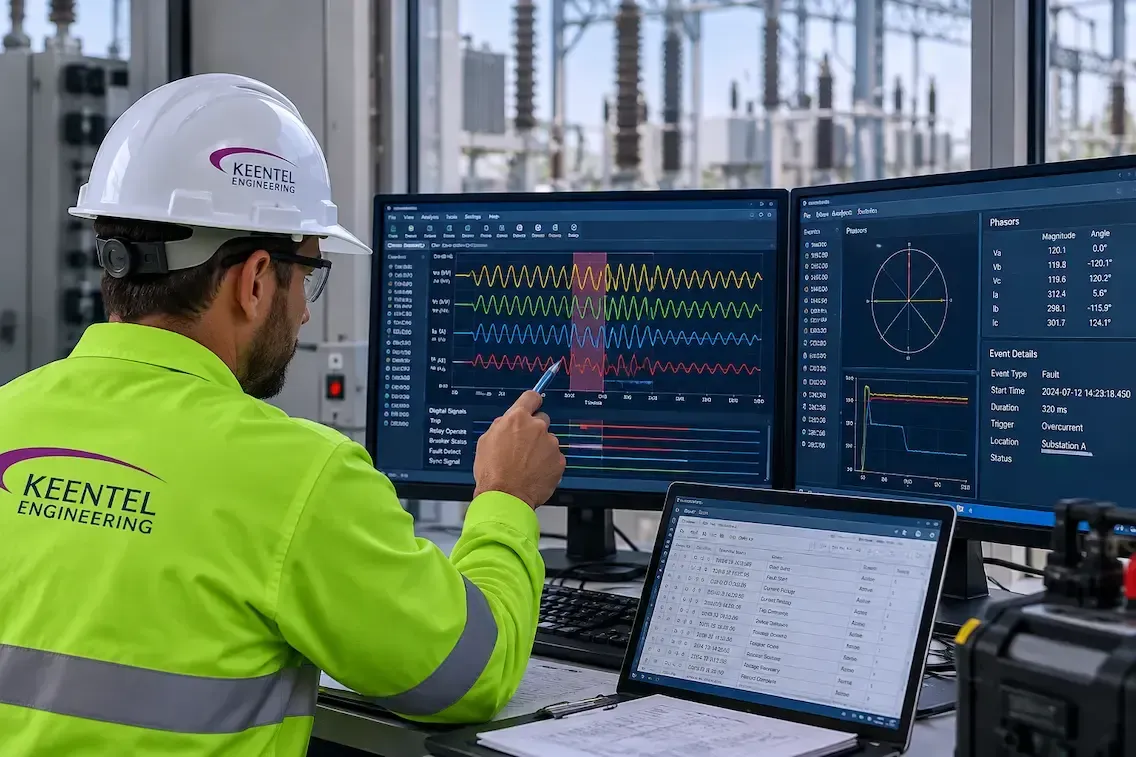
Electrical faults in a power system relevant to PRC-002 and PRC-028 disturbance monitoring, event reconstruction and recorded fault analysis

How PRC-002 Assigns Recording Obligations

PRC-002 works in two tracks: SER and FR data at BES buses selected by a defined methodology, and DDR data at Elements identified by the Responsible Entity. Both tracks share requirements for time synchronization, data retention, data provision and restoration of failed capability.

01

BES bus identification and owner notification

The Transmission Owner applies the bus-selection methodology in the standard’s attachment to identify the BES buses where SER and FR data is required. The methodology is based on available short-circuit levels and ranks candidate buses so that recording is concentrated where faults have the greatest system significance. The TO then notifies the other owners of BES Elements connected to those buses — including Generator Owners — that recording is required for their Elements, and re-evaluates the list on the cycle the standard specifies.

Most findings in this area are procedural: a list that was never re-run after system changes, a missing short-circuit basis, or no record that a connected owner was notified. We rebuild the calculation from a current short-circuit model and keep the methodology, results and notifications together.

02

Sequence of events and fault recording

At identified buses, the owners of the applicable Elements must capture SER data for circuit breaker position changes and FR data for the electrical quantities the standard lists, with the recording characteristics and trigger conditions it specifies. Generator Owners are responsible where the notified Elements are theirs, typically GSU high-side breakers and associated quantities.

03

Dynamic disturbance recording

DDR captures slower, longer-duration phenomena — frequency and voltage excursions, power swings and oscillations — rather than fault waveforms. The Responsible Entity identified in the standard (the Planning Coordinator or Reliability Coordinator) identifies the BES Elements where DDR data is required and notifies the owners. Owners then install and maintain DDR capability for those Elements with the recording characteristics the standard specifies.

Time synchronization, retention, provision and restoration

Time synchronization

recorded data must be time-synchronized to Coordinated Universal Time within the tolerance the standard specifies (±2 ms in PRC-002-2 and later), with the local time offset documented

Retention

SER, FR and DDR data must be retained for the minimum period the standard specifies (10 calendar days in the current version), counted from the recorded event

Provision on request

data must be provided to the RC, Regional Entity or NERC within the time frame the standard sets, in the format the standard specifies

Restoration

when recording capability fails, the owner must restore it within the time frame in the standard (90 calendar days in the current version) or submit a Corrective Action Plan and implement it

Confirm every numeric tolerance and timeline against the version in effect for your facilities; the values above reflect our reading of the current standard and are not a substitute for it.

What Each Recording Type Captures — and Where It Comes From

Choosing the right source for each recording type is the first engineering decision. A modern substation or plant may meet all three from different devices, and the channel list must show which device satisfies which requirement.

Recording type What it captures Typical source devices
Sequence of events (SER) Time-stamped changes of state — breaker position, and where configured, relay trips, alarms and scheme operations — used to establish the order of events Microprocessor relays, DFR digital inputs, RTACs and data concentrators with time-stamped status points
Fault recording (FR) High-resolution voltage and current waveforms before, during and after a fault, triggered by defined conditions Digital fault recorders (for example ERLPhase TESLA 4000), relay oscillography where it meets the required characteristics
Dynamic disturbance recording (DDR) Continuous or long-duration records of frequency, voltage, current and power flows for swings, oscillations and frequency events DFRs with continuous recording, phasor measurement units (PMUs), multifunction recorders
IBR plant-level recording (PRC-028) Fault and disturbance records at the plant’s point of interconnection or main power transformer high side, as the standard specifies Plant DFR, high-side relays, revenue-class or power-quality meters with recording, PPC data logs
Inverter-level data Inverter fault codes, operating state, ride-through behavior and trip causes that explain plant response Inverter and OEM data loggers, SCADA historians, plant controller event logs

Relay oscillography can be a legitimate source — if you can prove it. Sample rate, record length, triggers, channels and time stamping all have to be documented against the standard for each device you rely on.

Disturbance Monitoring Built for Solar, Wind and Storage

FERC Order No. 901 directed NERC to develop Reliability Standards for inverter-based resources covering disturbance monitoring, performance during disturbances, data sharing and model validation. PRC-028 came from the first phase of that work, alongside PRC-029 (ride-through) and PRC-030 (unexpected IBR event mitigation).

Repeated disturbance reports have shown that when IBRs reduce output or trip during grid events, the plant often lacks the recorded data needed to explain why. PRC-028 addresses that gap for Generator Owners of applicable IBRs.

What changes for IBR owners

  • Plant-level recording — SER, FR and DDR capability at the location the standard specifies, generally the high side of the main power transformer(s) near the point of interconnection
  • Inverter-level visibility — plant records alone rarely explain an inverter trip; retaining inverter fault codes and event logs is what makes a PRC-030 analysis possible
  • Time alignment across devices — plant recorders, relays, the power plant controller and inverter loggers need a common time reference so records can be compared
  • Retention and provision — data must be retained and provided on request as the standard specifies, which for many plants means rethinking where records are stored and who can retrieve them
  • Phased implementation — the standard phases compliance for existing IBRs over a multi-year period; confirm the dates and percentages that apply to your fleet in the implementation plan

The link to PRC-030

PRC-030 requires Generator Owners to identify unexpected reductions in IBR output during system events, analyze the cause and develop corrective actions. That analysis depends entirely on PRC-028 data. We design recording at IBR plants so that the same records support event detection, root-cause analysis and model validation under the MOD standards.

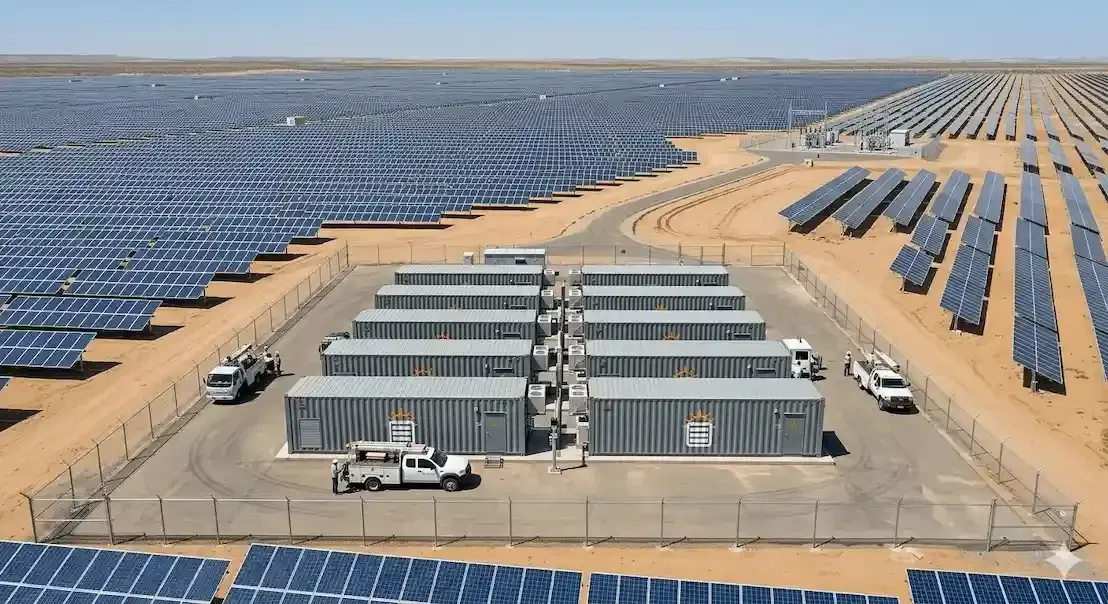
BESS in a solar power plant for PRC-028 inverter-based resource disturbance monitoring

What Our Disturbance-Monitoring Service Includes

Bus selection and notification package

Short-circuit-based application of the standard’s attachment methodology, results tables, owner notification letters and a re-evaluation schedule.

Device selection

DFR versus relay-based recording versus PMU trade-offs for each location, considering channel count, sample rate, continuous recording and storage.

Channel lists and trigger design

Voltage, current, residual and status channels mapped to each monitored Element, with trigger thresholds and record lengths documented against the standard.

Time-source design

GPS clocks, IRIG-B distribution and IEEE 1588 PTP architecture, holdover behavior, clock-failure alarms and the time-offset documentation auditors ask for.

Storage and retrieval architecture

SEL RTAC and data concentrator integration, automated record retrieval, secure remote access paths and central archiving sized for the required retention.

Commissioning and verification

Test-trigger procedures, channel polarity and scaling checks, time-sync verification and as-left configuration records.

PRC-028 IBR readiness

Gap assessment of plant recorders, inverter logging and PPC data against PRC-028, with an upgrade plan aligned to the phased implementation.

Data-request response procedures

Written procedures, roles and file-format conversion so a request from the RC, Regional Entity or NERC can be answered within the required time frame.

Engineering Decisions That Determine Whether the Data Is Usable

Most disturbance-monitoring problems are designed in, not caused by equipment failure. The decisions below are where we spend engineering effort.

Sample rates and record lengths

Fault recording needs enough samples per cycle and enough pre-fault and post-fault data to see the full event, including breaker failure and reclosing sequences. DDR needs long, continuous records at a lower resolution. We specify both against the standard’s minimum characteristics and against what your event analysts actually need, which is often more.

Triggers that fire when they should — and only then

Undervoltage, overcurrent, neutral overcurrent, frequency and rate-of-change triggers must be set so real events are always captured without filling storage with nuisance records. For IBR plants, triggers also need to catch the short voltage dips that cause momentary cessation or inverter trips.

Time sources you can defend

A single GPS clock with no monitoring is a common weak point. We design the time-distribution path — GPS receiver, IRIG-B or PTP distribution, device configuration and loss-of-sync alarms — and document the time offset and synchronization method, because time alignment is what lets records from different devices and different owners be compared.

Retrieval before retention

Retention requirements only matter if records reach storage. Automatic retrieval through an RTAC or data concentrator, with alarms for failed downloads and a secure remote access path, is what turns a recorder into a compliant recording system.

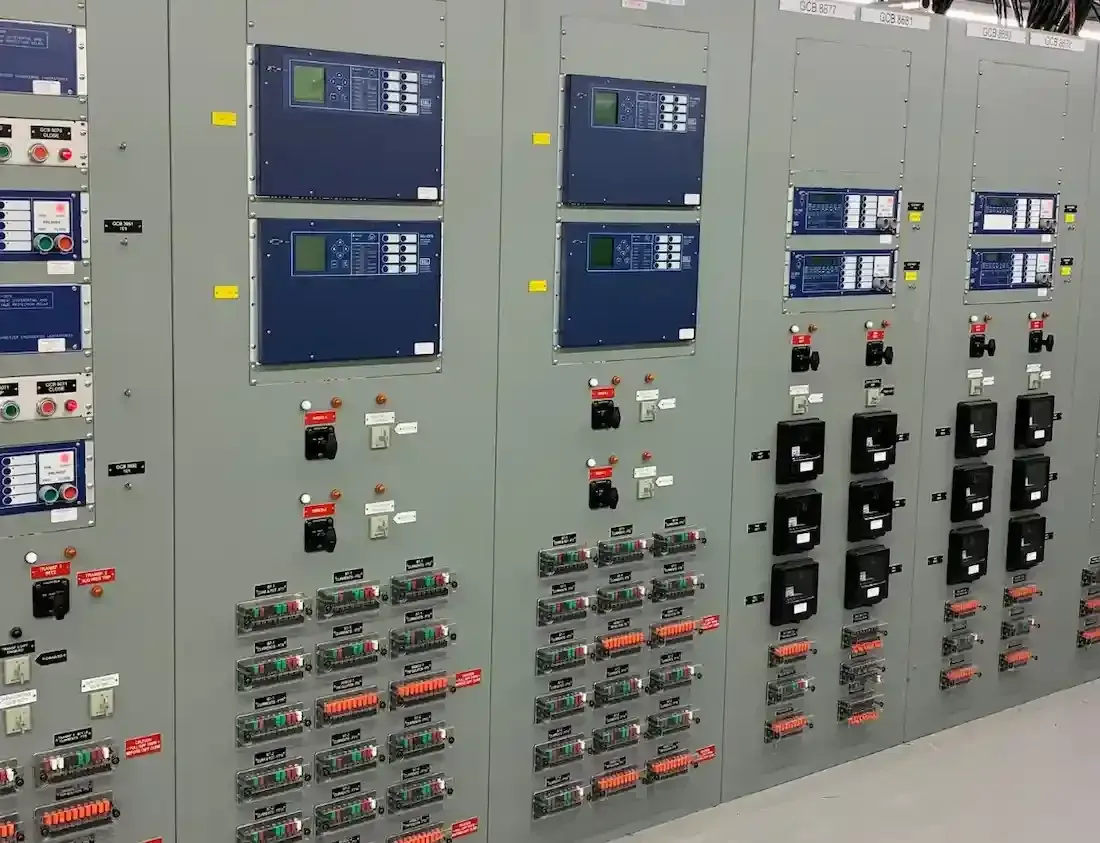
Protection and control engineering equipment supporting RTAC, DFR, SCADA and disturbance monitoring systems

Our PRC-002 and PRC-028 Process

01

Confirm applicability

Identify registered functions, applicable versions, facilities in scope and, for IBRs, where each plant sits in the phased implementation.

02

Establish required locations

Run or review the bus-selection methodology, confirm DDR Elements identified by the Responsible Entity and gather owner notifications.

03

Inventory existing capability

Document every recorder, relay, PMU and clock — model, firmware, channels, triggers, sample rate and time source — against the requirements.

04

Design the gaps closed

Specify new devices, channel additions, trigger settings, time-source upgrades and retrieval architecture, with drawings and settings.

05

Commission and verify

Test triggers, confirm channel scaling and polarity, verify time synchronization and retrieve sample records end to end.

06

Maintain readiness

Set up periodic verification, failure alarms, restoration tracking and data-request procedures so evidence stays current.

Deliverables and the Evidence They Provide

Deliverable Evidence it supports
Bus-selection calculation and results Application of the attachment methodology from a current short-circuit model, with the basis for each identified bus
Owner notification records Dated notifications to owners of Elements at identified buses and DDR Elements
Monitored-Element and channel matrix Which device records which quantity for which Element, mapped to each recording requirement
Recorder configuration and settings records Triggers, sample rates, record lengths and as-left settings for each device
Time-synchronization design and verification Clock architecture, synchronization method, offset documentation and test results
Data retention and retrieval architecture Storage design, retrieval automation and retention confirmation
PRC-028 gap assessment and upgrade plan IBR plant and inverter-level recording status against the standard and phased dates
Data-request and restoration procedures Response workflow for requests and tracking for restoring failed recording capability

Recording Systems Designed by Engineers Who Use the Data

Protection and control engineering equipment supporting RTAC, DFR, SCADA and disturbance monitoring systems

Substation and SCADA design depth

We design RTAC-based SCADA, DFR integration and time distribution as part of substation projects, so recording is engineered into the station, not added later.

Event analysis experience

Our protection engineers analyze relay and DFR records for PRC-004 and PRC-030, so we design recording around the questions event analysts actually ask.

IBR plant knowledge

We work with solar, wind and BESS plants on interconnection, EMT modeling and ride-through, which is where PRC-028 recording gaps usually sit.

Audit-team perspective

Former NERC audit-team leadership and SMEs know how bus lists, notifications, time sync and data provision are examined.

PRC-002 & PRC-028 Disturbance Monitoring Compliance — FAQs

Often, yes. PRC-002 sets recording requirements, not a device type. If a relay captures the required quantities with adequate sample rate, record length, triggers and time stamping, it can be the source. The decision should be documented device by device, and many owners still choose a DFR where channel count, continuous recording or retrieval makes relays impractical.
The TO identifies BES buses where SER and FR data is required and notifies the owners of BES Elements connected to those buses. If your GSU or interconnection Elements connect to an identified bus, you are responsible for recording for those Elements as the notification describes.
The standard requires the Transmission Owner to re-evaluate the identified buses on a defined cycle and notify owners of changes. Short-circuit levels change as generation, lines and transformers are added or retired, so the underlying calculation should be refreshed with a current model each cycle.
The Responsible Entity named in PRC-002 — the Planning Coordinator or Reliability Coordinator — identifies the BES Elements for which DDR data is required and notifies the owners. Owners then provide and maintain DDR capability for those Elements.
A GPS-disciplined substation clock is the usual reference, distributed by IRIG-B or IEEE 1588 PTP depending on the devices. What matters for compliance is meeting the standard’s synchronization tolerance, documenting the time offset and detecting loss of synchronization so it can be corrected.
PRC-002 requires the owner to restore recording capability within the time frame the standard specifies or submit and implement a Corrective Action Plan. A failure alarm, a tracking log and a record of the restoration date are the evidence that the requirement was met.
PRC-028 establishes disturbance-monitoring requirements specific to inverter-based resources. How it interacts with PRC-002 for a given plant depends on the versions in effect and their applicability sections, so confirm both for each facility rather than assuming one replaces the other.
High-side records show what the plant did as a whole. They rarely show why. Inverter fault codes, operating state and event logs identify which inverters tripped or ceased current and the protective function responsible — the information a PRC-030 analysis and corrective action depend on.
Usually not by itself. SCADA historians typically store data at intervals far too slow to capture fault or ride-through behavior. They are useful for context and inverter status, but plant-level fault and disturbance recording normally needs a DFR, suitable relays or a recording meter with the characteristics the standard requires.
No. This service covers Operations & Planning disturbance-monitoring standards. We design secure retrieval paths as good engineering practice, but CIP cybersecurity compliance is a separate discipline that Keentel does not offer.

Make Sure the Recorders Capture the Next Event

Send us your bus list, recorder inventory and one-line diagrams. Keentel will check them against PRC-002 and PRC-028, design what is missing and document a recording system you can produce data from on request.

Call 813-389-7871 · contact@keentelengineering.com

Who We've Served

Serving utilities, EPCs, developers, and infrastructure organizations supporting critical power systems nationwide.

 Blogs

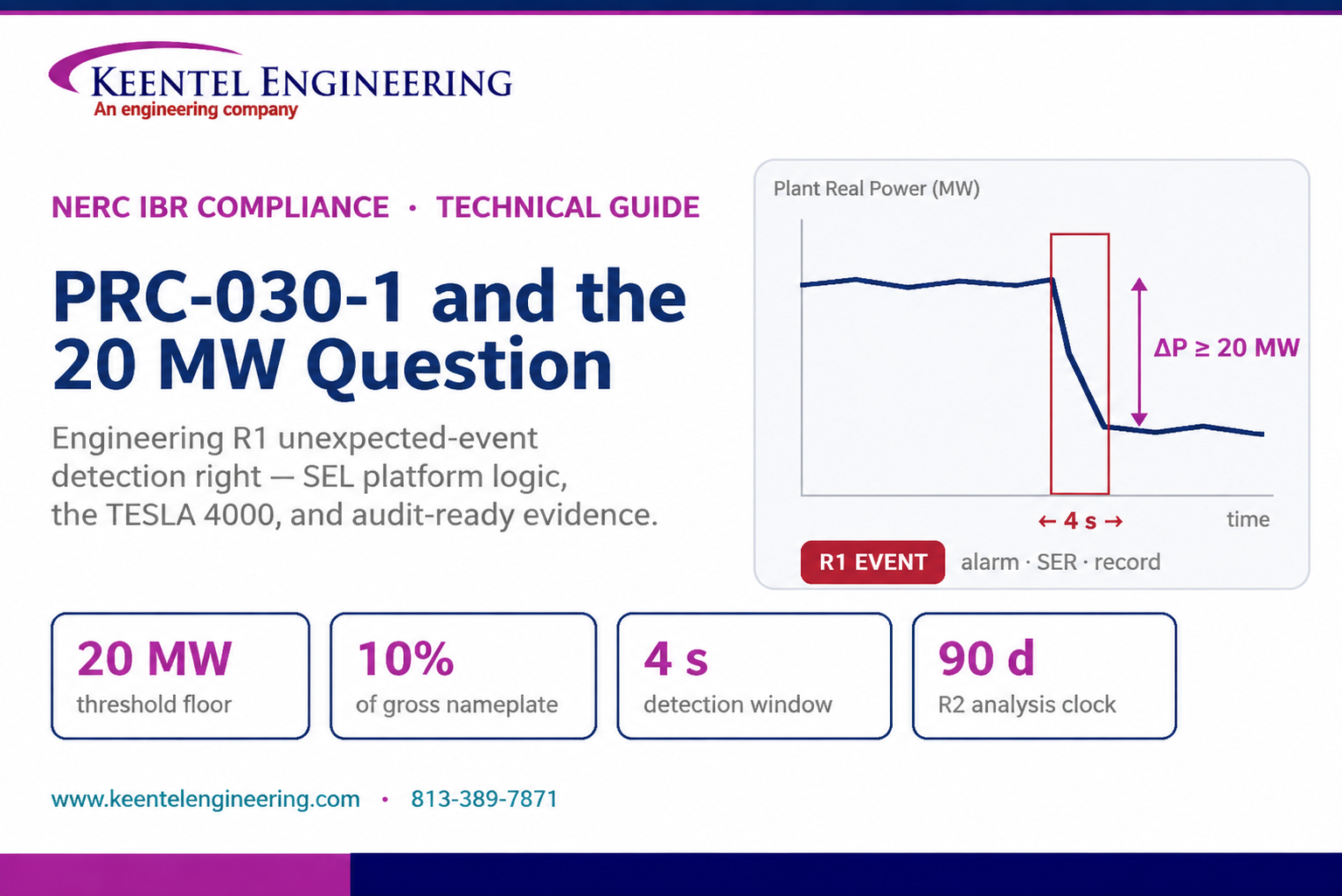
PRC-030-1 R1 Event Detection Guide for IBR Owners
By SANDIP R PATEL • September 22, 2026
Learn PRC-030-1 R1 event detection requirements for inverter-based resources, SEL platforms, disturbance monitoring, and audit-ready compliance.
Read More →
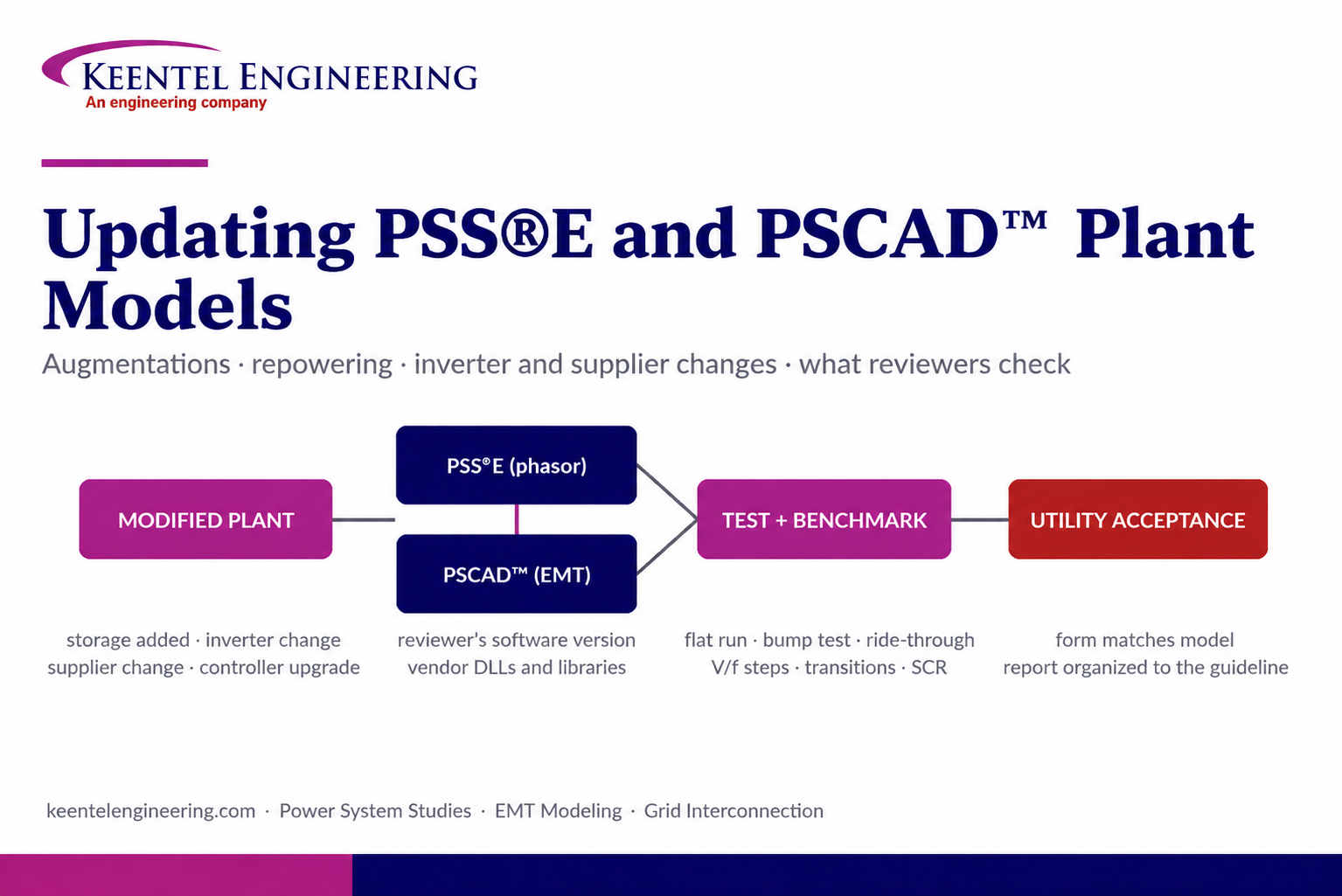
PSS®E and PSCAD™ Model Updates for Power Plants
By SANDIP R PATEL • September 22, 2026
Learn how PSS®E and PSCAD™ model updates support plant augmentations, repowering, equipment changes, testing, benchmarking, and grid compliance.
Read More →
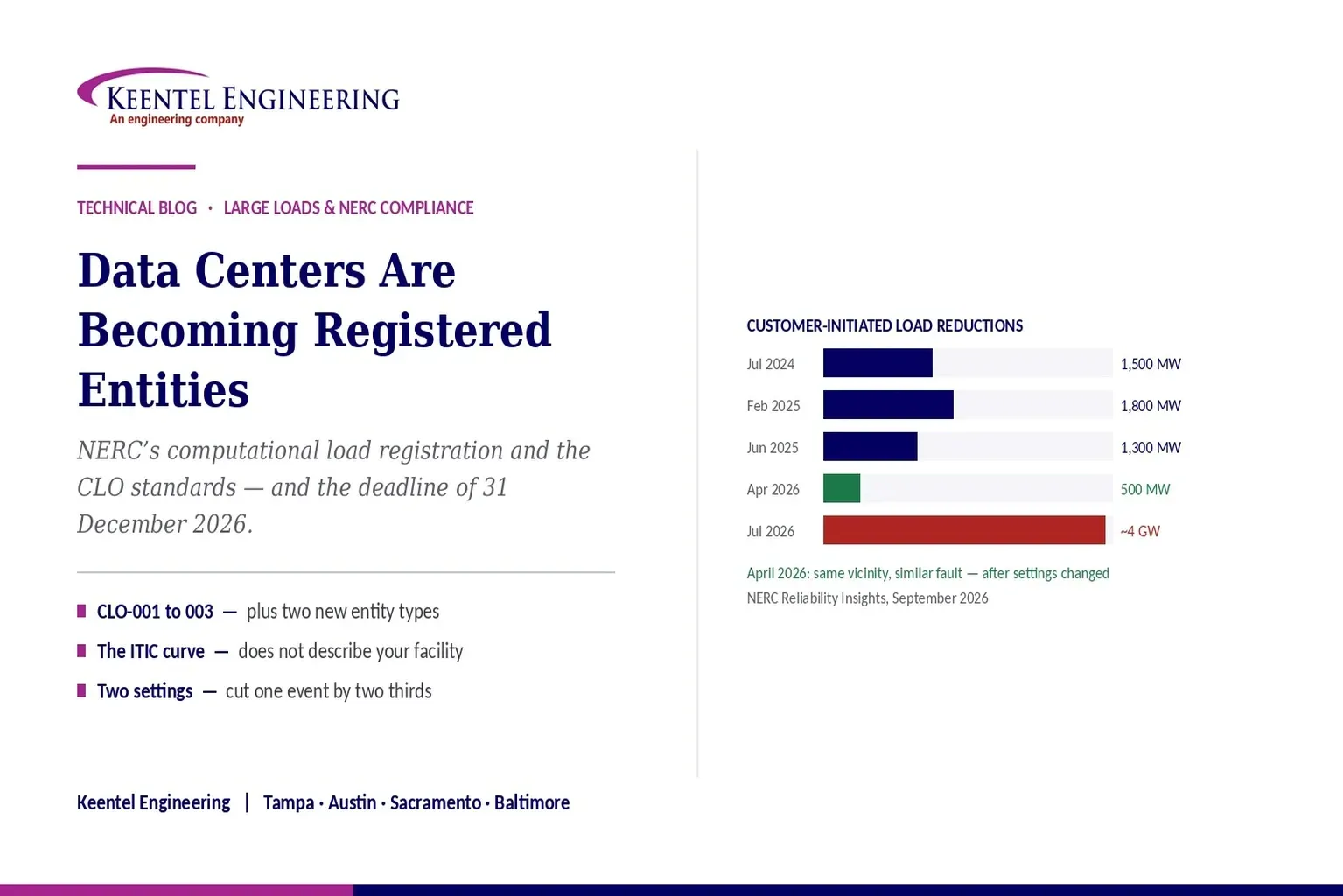
NERC Large Load Registration: Data Center CLO Standards Guide
By SANDIP R PATEL • September 9, 2026
Learn how NERC computational load registration impacts data centers, CLO standards, ride-through requirements, modeling, and grid reliability compliance.
Read More →
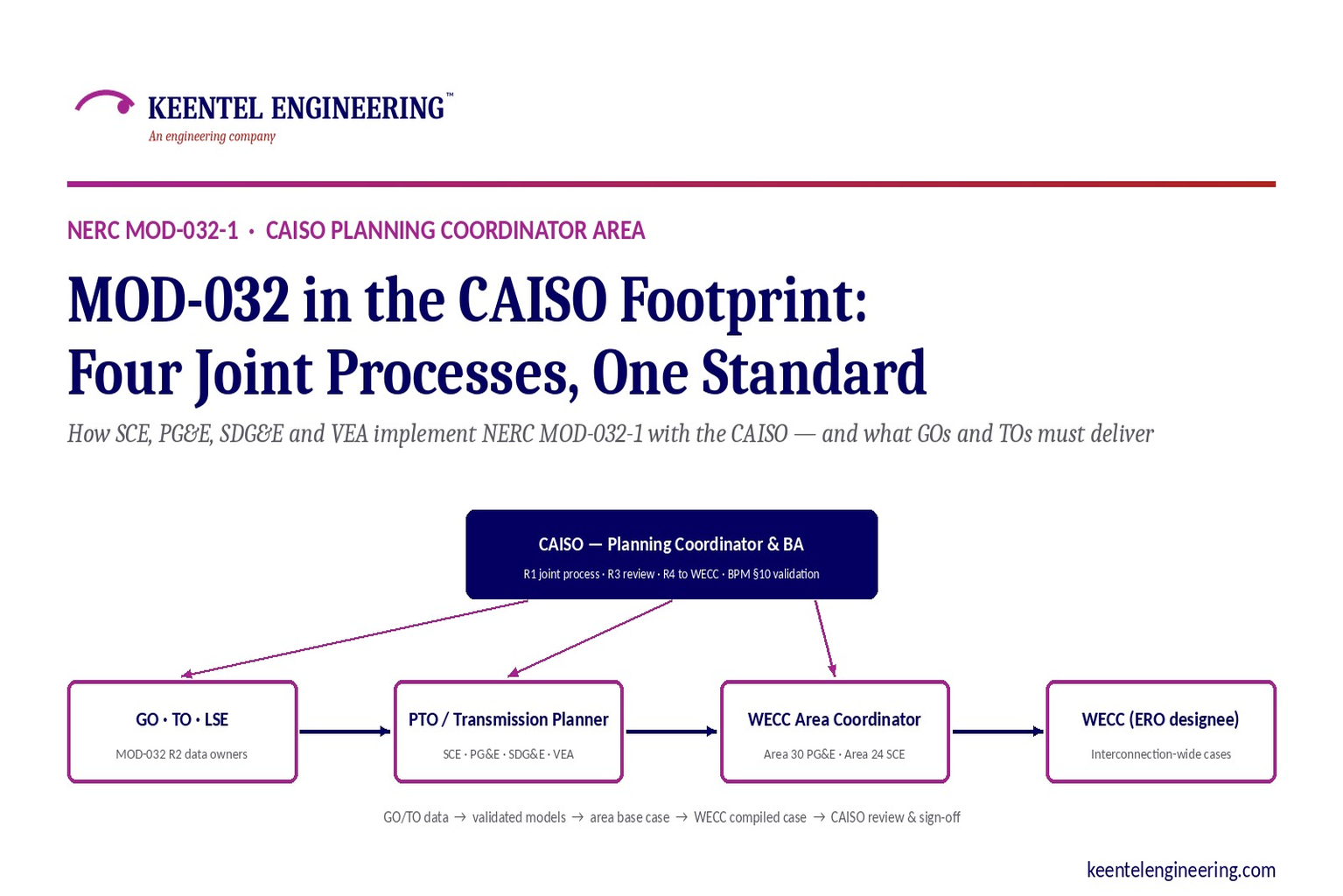
NERC MOD-032-1 Compliance: CAISO Generator Data Guide
By SANDIP R PATEL • September 6, 2026
Learn how NERC MOD-032-1 applies across CAISO, SCE, PG&E, VEA and SDG&E, including generator data, PSLF models, EMT requirements and WECC submissions.
Read More →
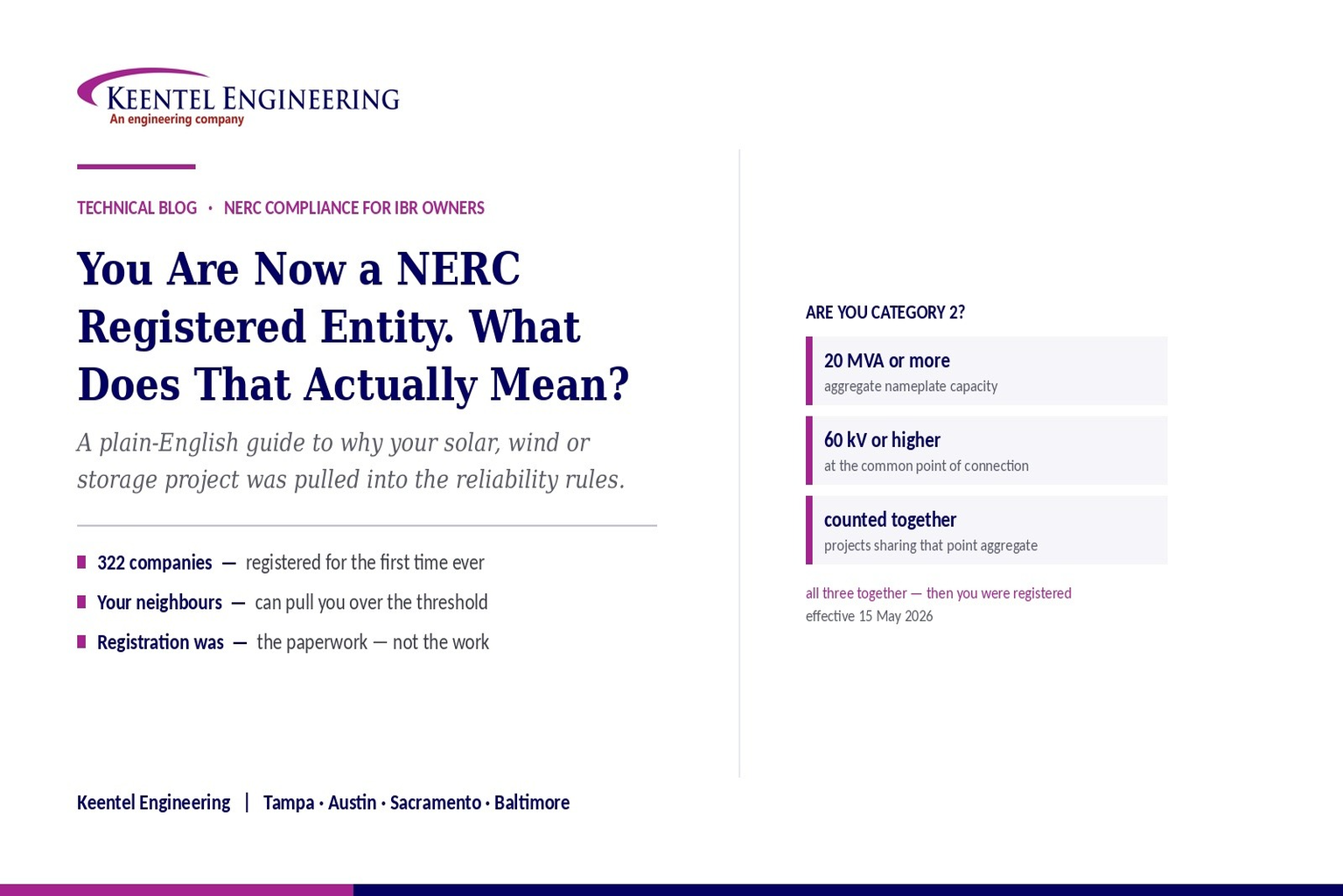
NERC IBR Registration: Compliance Guide for Generator Owners
By SANDIP R PATEL • September 5, 2026
Understand NERC IBR registration requirements, Category 2 obligations, compliance programmes, modelling, verification, ride-through, and owner responsibilities.
Read More →
NERC Data Center Rules
By SANDIP R PATEL • August 22, 2026
Learn how NERC's new data center rules affect registration, modeling, protection, compliance, and what computational load operators should do now.
Read More →
POI Interconnection for Data Centers & Large Loads | 2026 Guide
By SANDIP R PATEL • August 20, 2026
2026 guide to POI interconnection for data centers and large loads. Explore ISO/RTO requirements, grid studies, PSCAD modeling, costs, timelines and NERC rules.
Read More →
MOD-025 & MOD-026 After COD: Verification & Model Validation Guide
By SANDIP R PATEL • August 15, 2026
Learn MOD-025 and MOD-026 post-COD requirements for generator capability verification, PSS®E and PSCAD model validation, IBR testing, and NERC compliance.
Read More →
PRC-005-6 NERC Compliance Guide | Protection System Maintenance
By SANDIP R PATEL • August 12, 2026
Learn PRC-005-6 NERC compliance requirements for Protection System maintenance, Automatic Reclosing, Sudden Pressure Relaying, PBM, audit readiness, and compliance software.
Read More →
PRC-019-2 Compliance Guide | Keentel Engineering
By SANDIP R PATEL • August 12, 2026
Learn how to manage NERC PRC-019-2 generator voltage control coordination, R1 and R2 evidence, audit readiness, inverter-based resources, and compliance software workflows.
Read More →
PRC-006-5 NERC Compliance & UFLS Guide | Keentel Engineering
By SANDIP R PATEL • August 11, 2026
Complete PRC-006-5 NERC compliance guide covering UFLS requirements, dynamic studies, audit readiness, evidence management, event assessment, and CAPs.
Read More →
PRC-029-1 CAISO Compliance Guide
By SANDIP R PATEL • August 7, 2026
Understand NERC PRC-029-1 ride-through requirements for IBRs in the CAISO region — voltage/frequency curves, key dates, EMT modeling, and compliance steps.
Read More →
SEL RTAC Protection Monitoring for NERC PRC-005
By SANDIP R PATEL • July 18, 2026
Learn how SEL RTAC protection monitoring supports NERC PRC-005 compliance, predictive maintenance alarms, automated reporting, and relay verification.
Read More →
NERC Large Loads Action Plan (LLAP) Guide for AI Data Centers
By SANDIP R PATEL • July 8, 2026
Learn how NERC's Large Loads Action Plan impacts AI data centers, grid interconnection, compliance, modeling, and power system reliability in 2026.
Read More →
CCPP Electrical Design Engineering | 30%, 60%, 90% & IFC
By SANDIP R PATEL • July 7, 2026
Learn the complete CCPP electrical design process, from 30% through IFC, including interconnection, power system studies, protection, grounding, and NERC compliance.
Read More →
Synchronous Condenser Protection: Complete Guide 2026
By SANDIP R PATEL • June 20, 2026
Learn synchronous condenser protection, loss of field settings, NERC PRC compliance, and protection philosophy. Discover expert engineering guidance.
Read More →
NERC Compliance for Generator Owners | Audit-Ready Guide
By SANDIP R PATEL • June 11, 2026
NERC compliance guide for Generator Owners and Operators covering audits, CIP cybersecurity, IBR standards, and managed compliance. Learn more.
Read More →
NERC Large Loads: Grid Reliability Risks Explained
By SANDIP R PATEL • June 7, 2026
Learn how NERC large loads affect grid reliability, data centers, power electronic loads, and interconnection planning. Discover key risks now.
Read More →
NERC Large Loads: 2026 Interconnection Guide
By SANDIP R PATEL • May 25, 2026
Explore NERC 2026 large load guidelines, interconnection requirements, and grid reliability insights. Learn how to comply and optimize large industrial loads.
Read More →
Category 2 IBR Compliance Services for Solar, Wind & BESS
By SANDIP R PATEL • May 16, 2026
Category 2 IBR compliance services for solar, wind, and BESS projects. Learn NERC registration, EMT modeling, and PRC readiness today.
Read More →
NERC Draws the Line on Computational Load Risk: What You Need to Do Now
By SANDIP R PATEL • May 8, 2026
Understand NERC large load compliance, EMT studies, and computational load modeling for AI data center reliability.
Read More →
The Complete Lifecycle of a Power Substation Project: From Design to Commissioning (A Keentel Engineering Technical Guide) Source Reference
By SANDIP R PATEL • April 19, 2026
Explore the full lifecycle of a power substation project with Keentel Engineering, covering design, construction, and commissioning. Learn more about AIS, GIS, and NERC compliance.
Read More →
NERC MOD-032-2, IBR & DER Modeling: What It Means for Grid Reliability—and How Keentel Engineering Leads Compliance
By SANDIP R PATEL • April 18, 2026
Discover Keentel Engineering's expert solutions for NERC MOD-032-2 compliance, IBR & DER modeling. Get your power systems future-ready with our engineering excellence.
Read More →
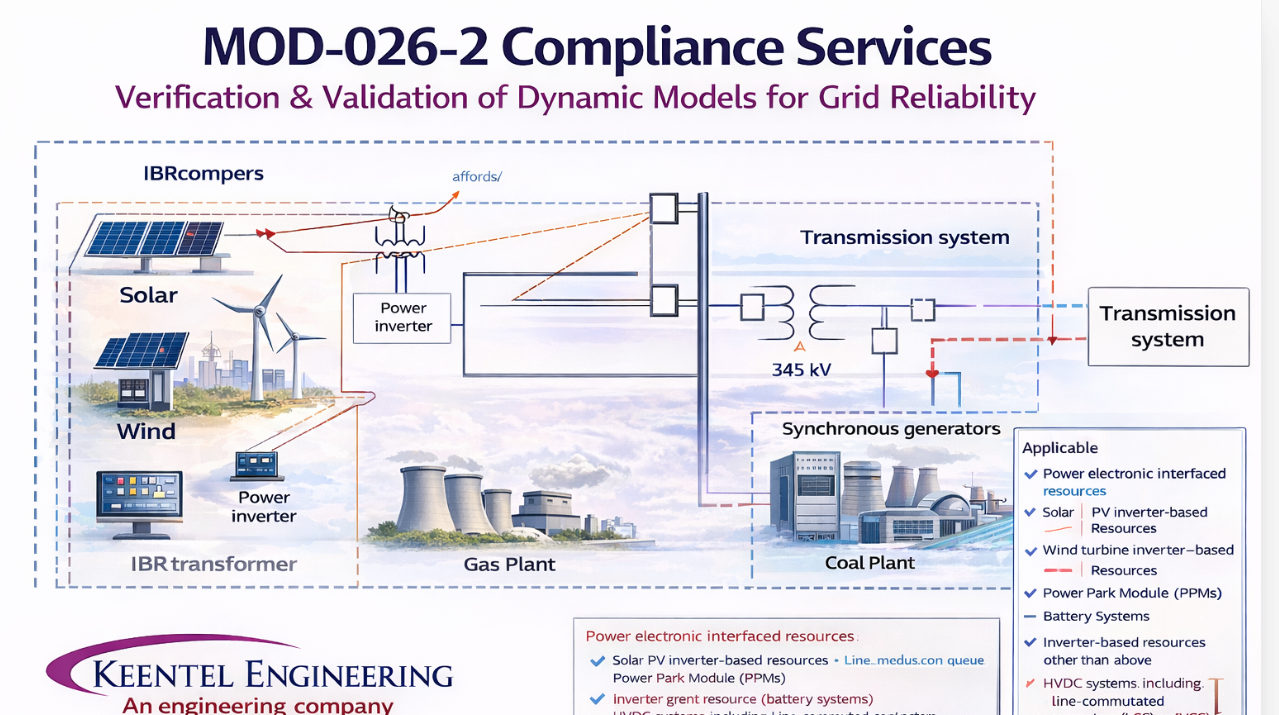
MOD-026-2 Compliance Services: Verification & Validation of Dynamic Models for Grid Reliability
By SANDIP R PATEL • April 7, 2026
Learn MOD-026-2 compliance requirements for dynamic model verification and validation of inverter-based resources, ensuring power system reliability and NERC compliance.
Read More →
NERC BAL-007-1 Explained: Near-Term Energy Reliability Assessments (ERA) and What It Means for Grid Operators & Developers
By SANDIP R PATEL • April 3, 2026
Learn how NERC BAL-007-1 ensures energy adequacy, ERA methods, and proactive grid reliability strategies for utilities, developers & BAs.
Read More →
NERC Standards 2026–2029: BAL-007 IBR & CIP Compliance
By SANDIP R PATEL • April 1, 2026
Explore upcoming NERC Reliability Standards (2026–2029), including BAL-007 energy assessments, IBR ride-through rules, cybersecurity (CIP-003-9), and extreme weather planning. Learn compliance strategies, risks, and real-world case studies.
Read More →
End-to-End Substation Equipment Validation: From Design Verification to Field Commissioning (FAT to SAT) | Keentel Engineering
By SANDIP R PATEL • March 31, 2026
Learn the complete substation testing lifecycle including Type Testing, FAT, and SAT. Discover how to reduce risks, improve reliability, and ensure NERC compliance.
Read More →
NERC PRC-012-2 Compliance for Solar, Wind, and Battery Energy Storage Systems (BESS): What Generator Owners Must Know
By SANDIP R PATEL • March 7, 2026
Guide to NERC PRC-012-2 compliance for solar plants, wind farms, and BESS. Understand RAS requirements, generator owner obligations, and testing rules.
Read More →
FAC-008-5 Facility Ratings: NERC Compliance Services – Engineering Support for Reliable Bulk Power Systems | Keentel Engineering
By SANDIP R PATEL • March 5, 2026
Learn how FAC-008-5 defines Facility Ratings for BES equipment. Discover rating methodologies, compliance requirements, and engineering practices for NERC reliability standards.
Read More →
NERC Compliance Service for Substations
By SANDIP R PATEL • February 26, 2026
Ensure NERC compliance with proper programming of RTACs, DFRs, clocks, and protection devices. Learn how Keentel Engineering can help you meet PRC-028-1 standards for disturbance monitoring and reporting
Read More →
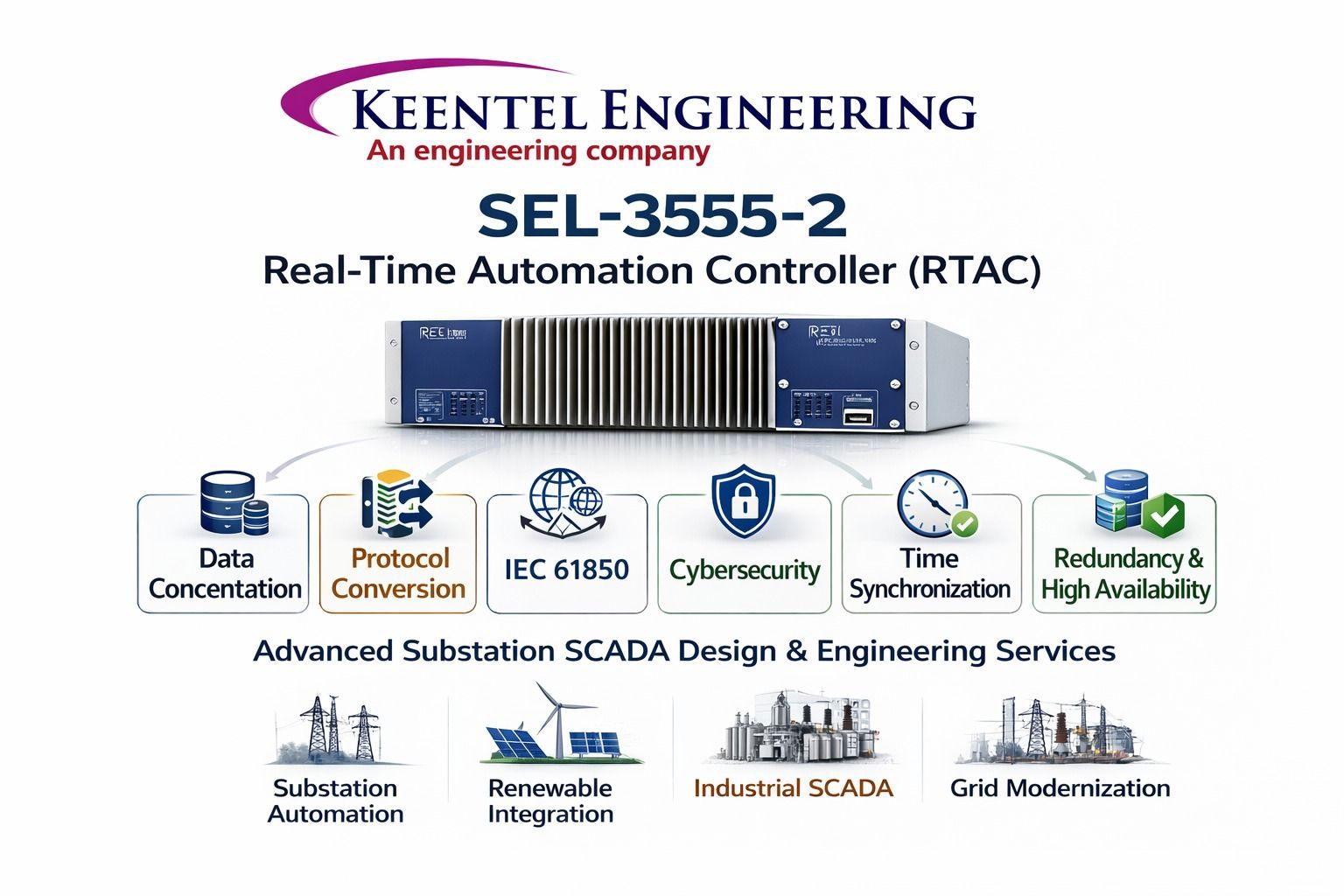
Advanced Substation SCADA Design Using the SEL-3555-2 RTAC How Keentel Engineering Delivers Secure, High-Performance, Standards-Compliant Automation Architectures
By SANDIP R PATEL • February 23, 2026
Explore advanced substation SCADA design using the SEL-3555-2 RTAC. Secure, IEC 61850-compliant, NERC-ready automation by Keentel Engineering.
Read More →
NERC Compliance and PRC Alignment with SEL-351S Feeder Protection Applications
By SANDIP R PATEL • February 20, 2026
Learn how SEL-351S feeder protection relays support NERC PRC compliance including PRC-005, PRC-023, PRC-024, PRC-027, and PRC-029. Discover protection coordination, ride-through validation, maintenance programs, and audit-ready documentation for reliable power system protection.
Read More →
February 2026 NERC Event Calendar: Statistical & Strategic Breakdown
By SANDIP R PATEL • February 11, 2026
Explore the February 2026 NERC event calendar with insights on CIP cybersecurity, IBR reliability, Order 901 studies, cloud risk, and large load integration.
Read More →
FERC RM22-12-000; ORDER NO. 901 Explained: Engineering, Modeling, and Compliance Implications for the Bulk Power System
By SANDIP R PATEL • February 1, 2026
Understand FERC RM22-12-000 Order 901 and its impact on power system modeling, NERC compliance, generator data, and protection standards.
Read More →
Inverter-Based Resource (IBR) Registration Initiative
By SANDIP R PATEL • January 31, 2026
Learn what the IBR Registration Initiative means for Category 2 Generator Owners and Operators, key deadlines through May 2026, required documentation, and how Keentel Engineering supports NERC compliance readiness.
Read More →
PRC-029-1 Explained: Applicability, Key Dates, and What Generator Owners Must Do Now
By SANDIP R PATEL • January 31, 2026
Understand NERC PRC-029-1 ride-through requirements for IBRs, key compliance dates through 2026, applicability to BES and non-BES assets, and what Generator Owners must do now.
Read More →
Category 2 Inverter-Based Resource (IBR) Registration & Compliance
By SANDIP R PATEL • January 31, 2026
Complete guide to Category 2 IBR registration and compliance, including NERC requirements, FERC Order 901, CMEP enforcement, applicable standards, and preparation steps.
Read More →
2025–2026 Winter Reliability Assessment: What It Means for Grid Reliability, Compliance, and Engineering Strategy
By SANDIP R PATEL • January 29, 2026
The 2025–2026 Winter Reliability Assessment highlights rising winter demand, resource mix shifts, and NERC compliance changes, impacting grid reliability and engineering.
Read More →
Upcoming NERC Reliability Standards (2026–2028) | IBR Compliance Guide
By SANDIP R PATEL • December 29, 2025
A practical guide to upcoming NERC Reliability Standards (2026–2028), key effective dates, and compliance readiness for inverter-based resource owners.
Read More →
Navigating NERC PRC-029-1: A Practical Guide for Inverter-Based Resource Owners
December 19, 2025
A practical guide to NERC PRC-029-1 for inverter-based resource owners. Learn ride-through requirements, compliance timelines, exemptions, and how Keentel Engineering supports PRC-029-1 readiness.
Read More →
NERC Compliance Services: The Complete Guide to PRC-004-6 Misoperations & MIDAS Reporting
By SANDIP R PATEL • November 26, 2025
Learn how to stay compliant with NERC PRC-004-6 and MIDAS reporting. Keentel Engineering provides misoperation analysis, CAP support, and audit-ready documentation.
Read More →
NERC Compliance Services: The Complete Guide to PRC-004-6 Misoperations & MIDAS Reporting (Keentel Engineering)
By SANDIP R PATEL • November 15, 2025
Learn how PRC-004-6 misoperations and MIDAS reporting work. A complete NERC compliance guide from Keentel Engineering for utilities and power entities.
Read More →
PJM MOD-032 Data Submission Process for Generator and Transmission Owners | Keentel Engineering
By SANDIP R PATEL • October 30, 2025
Learn how Generator and Transmission Owners meet PJM MOD-032 data submission requirements using Gen Model, Model on Demand, and ASPEN tools for NERC compliance.
Read More →
Understanding Simultaneous Voltage-Sensitive Load Reductions Amid Industrial Electrification, Data Center Expansion, and the Rise of Cryptocurrency Mining Facilities
By SANDIP R PATEL • October 19, 2025
Explore NERC’s 2025 review on simultaneous voltage-sensitive load reductions amid industrial electrification, data center growth, and crypto mining.
Read More →
Advancing Power System Design Practices with IEEE PES TR 126
By SANDIP R PATEL • September 25, 2025
Discover how IEEE PES TR 126 modernizes power system design practices. Keentel Engineering explains reliability, resilience, and NERC compliance for future-ready grids.
Read More →
NERC MOD-033-1 Steady-State & Dynamic Model Validation
By SANDIP R PATEL • September 13, 2025
Validate power-flow & dynamic models per MOD-033-1 using real-world data. Improve study accuracy, reliability, and compliance. Partner with Keentel.
Read More →
Excited to Connect at RE+ Las Vegas – Booth #1423- Keentel Engineering
By SANDIP R PATEL • August 30, 2025
Join Keentel Engineering at RE+ 2025 in Las Vegas (Booth #1423), Sept 8–11. Explore renewable energy, BESS, substation design, NERC compliance, and advanced power system studies.
Read More →
Verification of Generator Models: NERC MOD-026-2 & MOD-027 Reliability Standards
By SANDIP R PATEL • August 25, 2025
Explore NERC MOD-026-2 & MOD-027 requirements for generator model verification, EMT simulations, and compliance. Insights from Keentel Engineering.
Read More →
Mastering Synchronous Generator Modeling for Grid Stability: Insights from IEEE 1110-2019 and Keentel Engineering
By SANDIP R PATEL • August 22, 2025
Learn how IEEE 1110-2019 improves synchronous generator modeling for power system stability, validation, and NERC compliance in modern grids.
Read More →
Data Center Grid Readiness & Engineering Solutions
By SANDIP R PATEL • August 15, 2025
Discover how Keentel Engineering tackles data center growth challenges with advanced grid readiness solutions—covering load forecasting, interconnection, NERC compliance, and AI-driven demand response.
Read More →
Navigating PRC-029-1- Enhancing Grid Reliability Through Inverter-Based Ride-Through Requirements
By SANDIP R PATEL • July 31, 2025
Understand PRC-029-1 ride-through rules for IBRs. Stay NERC-compliant with this expert guide on voltage, frequency, ROCOF, and protection updates.
Read More →
NERC PRC-019 Compliance Guide
By SANDIP R PATEL • July 28, 2025
Ensure grid reliability and avoid unnecessary trips with Keentel’s complete PRC-019 compliance services. Engineering support for synchronous and DER systems.
Read More →
NERC Alert 3: IBR Performance & Modeling Requirements
By SANDIP R PATEL • July 4, 2025
Explore essential NERC Alert 3 actions for IBRs. Learn how TOs, TPs, PCs & GOs must respond with updated models, criteria, and compliance strategies.
Read More →
Keentel Engineering – July 2025 Newsletter
By SANDIP R PATEL • July 1, 2025
Explore July 2025 grid reliability trends, IBR registration mandates, and NERC compliance updates. Stay ahead with Keentel’s future-ready engineering insights.
Read More →
PLX82-MNET-61850 Gateway for NERC-Compliant Substations
By SANDIP R PATEL • June 26, 2025
Enable seamless Modbus to IEC 61850 integration with the PLX82-MNET-61850 gateway. Achieve NERC compliance with audit-ready substation communication.
Read More →
Enhancing Grid Resilience: NERC PRC-029-1 Ride-Through Requirements for Inverter-Based Resources
By SANDIP R PATEL • June 20, 2025
Explore NERC PRC-029-1 ride-through requirements for inverter-based resources (IBRs). Learn how it enhances grid reliability with FERC Order No. 901 support.
Read More →
Empowering NERC PRC-028 Compliance with TESLA 4000: A Keentel Engineering Perspective
By SANDIP R PATEL • June 19, 2025
Ensure NERC PRC-028 compliance with TESLA 4000 and Keentel Engineering’s expert integration, monitoring, and audit support services for utilities and GOs.
Read More →
PRC-026 Compliance Guide for Transmission Relay Performance During Stable Power Swings
By SANDIP R PATEL • June 13, 2025
Ensure your relays don’t trip during stable power swings. Learn how PRC-026 compliance works, what relays it applies to, and how to automate your evaluations.
Read More →
NERC.com Modernization: What Engineers and Grid Operators Need to Know
By SANDIP R PATEL • May 30, 2025
Explore the latest updates from NERC.com and what modernization means for power engineers and grid operators across the U.S.
Read More →
Design Stability & NERC Deadlines in Power Projects | Keentel
By SANDIP R PATEL • May 30, 2025
Explore best practices to ensure design stability in power systems and stay ahead of NERC reporting requirements in upcoming compliance cycles.
Read More →
NERC Level 3 Alert Compliance Checklist for IBRs
By SANDIP R PATEL • May 23, 2025
Get your compliance checklist for NERC Level 3 alerts. Essential reading for IBR generator owners navigating updated NERC requirements.
Read More →
System Impact Study for Confidential 230 kV Transmission Interconnection
By SANDIP R PATEL • May 21, 2025
Explore a detailed System Impact Study for a 230 kV interconnection project, ensuring NERC compliance and reliable grid integration.
Read More →
Industry NERC News – May 2025 Update
By SANDIP R PATEL • May 19, 2025
Stay ahead of critical NERC compliance updates for May 2025, including cold weather reporting, IBR modeling deficiencies, active standards ballots, and upcoming reliability standards affecting the Bulk Power System.
Read More →
GIC Mitigation and Transformer Thermal Assessment Services by Keentel Engineering
By SANDIP R PATEL • May 15, 2025
Protect your grid from GMD threats with expert GIC modeling & transformer thermal assessments by Keentel. Ensure NERC TPL-007-1 compliance today.
Read More →
NERC Alert: Ensuring Reliability in Inverter-Based Resource (IBR) Model Quality
By SANDIP R PATEL • May 14, 2025
Learn how to respond to NERC’s IBR model alert. Discover key steps for PSPD, EMT validation, deadlines, and Keentel’s role in grid reliability compliance support.
Read More →
Navigating TPL-008-1: A Strategic Transmission Planning Guide for Extreme Temperatures
By SANDIP R PATEL • May 14, 2025
Understand TPL-008-1 transmission planning for heat & cold events. Keentel helps utilities ensure NERC compliance with benchmark studies & CAP support.
Read More →
Navigating the IBR Transformation: Our Perspective on NERC’s IBR Activities
By SANDIP R PATEL • May 12, 2025
Explore Keentel Engineering’s in-depth take on NERC’s IBR transformation guide, disturbance reports, compliance standards, and integration strategies to ensure bulk power system reliability.
Read More →
Generating Unit Winter Weather Readiness: Ensuring Resilience Through Cold Fronts
By SANDIP R PATEL • May 10, 2025
Ensure cold-weather resilience with Keentel’s NERC-aligned winter readiness programs for generators and IBRs. Prevent outages, improve grid reliability.
Read More →
White Paper: Enhancing Power System Design & Analysis with PSCAD & Keentel Engineering
By SANDIP R PATEL • May 9, 2025
Learn what PSCAD is, how it’s used for EMT simulation, and how Keentel provides PSCAD modeling, consultancy, and NERC-compliant engineering services.
Read More →
Keentel Engineering Insights: NERC Identifies New Grid Vulnerabilities – May 2025 Newsletter
By SANDIP R PATEL • May 9, 2025
Stay informed on NERC’s ITCS Canadian Analysis, key grid vulnerabilities, and May 2025 standards activities (PRC, MOD, CIP). Learn how Keentel Engineering’s planning and compliance services support resilient, interregional grid strategies.
Read More →
Difference Between OSHA, NEC, NFPA, and NERC Compliance in Electrical Engineering
By SANDIP R PATEL • May 9, 2025
Discover the key differences between OSHA, NEC (NFPA 70), NFPA, and NERC standards—and learn how Keentel Engineering ensures full regulatory compliance across your electrical engineering projects.
Read More →
What Do PRC-002-5 and PRC-028-1 Mean for Generator Owners & Transmission Owners?
By SANDIP R PATEL • May 9, 2025
Discover how NERC PRC-002-5 & PRC-028-1 impact Generator Owners and Transmission Owners. Keentel Engineering delivers turnkey disturbance monitoring, DME design, and audit-ready compliance support.
Read More →
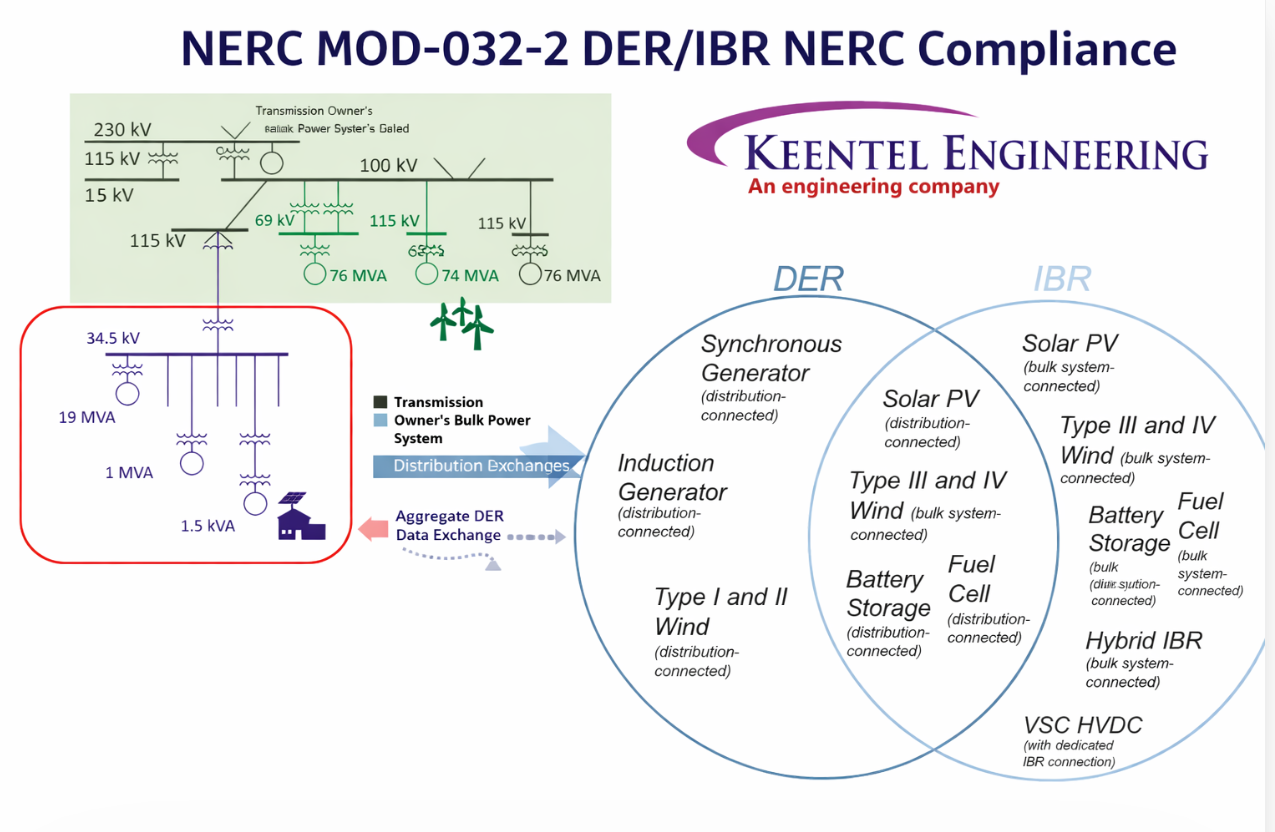
NERC Compliance Service – Empowering Grid Reliability with FERC Order 901 & Latest NERC Standards
By SANDIP R PATEL • May 9, 2025
Stay ahead with Keentel's NERC compliance modeling, FERC Order 901 support, MOD-032-2 validation, and MOD-026-2 compliance services for IBRs and transmission owners.
Read More →
ERCOT NERC Compliance Services: Ensuring Grid Reliability Through Expert Compliance Management
By SANDIP R PATEL • May 8, 2025
Master ERCOT’s unique NERC reliability requirements with Keentel Engineering’s tailored CIP, O&P, and RSAW support—risk assessments, mock audits, training, and real-time monitoring.
Read More →
NERC PRC-029-1 Compliance for Inverter-Based Resources
By SANDIP R PATEL • May 8, 2025
Ensure your solar, wind & BESS projects meet NERC PRC-029-1 ride-through standards with model tuning, relay coordination, disturbance analysis & audit-ready documentation.
Read More →
Distribution vs Sub-Transmission vs Bulk Electric System: An Interconnection Guide
By SANDIP R PATEL • May 1, 2025
Learn how IEEE 1547/2800, NERC “bright-line” rules, and the DOE i2X initiative shape distribution, sub-transmission, and Bulk Electric System classification—plus practical case studies from Keentel Engineering.
Read More →
NERC PRC-029-1 & PRC-024-4 Compliance for Inverter-Based & Synchronous Resources
By SANDIP R PATEL • May 1, 2025
Ensure NERC PRC-029-1 and PRC-024-4 compliance with Keentel Engineering's relay tuning, modeling support, and ride-through requirements for IBRs and synchronous generators.
Read More →
Power-System Modeling Services at Keentel Engineering
By SANDIP R PATEL • April 28, 2025
Expert power system modeling services using PSCAD, PSSE, and ETAP. Get accurate simulations, dynamic studies, and NERC-compliant engineering solutions.
Read More →
GIC Mitigation and Transformer Thermal Assessment Expertise at Keentel Engineering
By SANDIP R PATEL • April 26, 2025
Protect your grid assets with Keentel Engineering’s expert GIC mitigation and transformer thermal assessment services. Ensure NERC TPL-007-1 compliance today.
Read More →
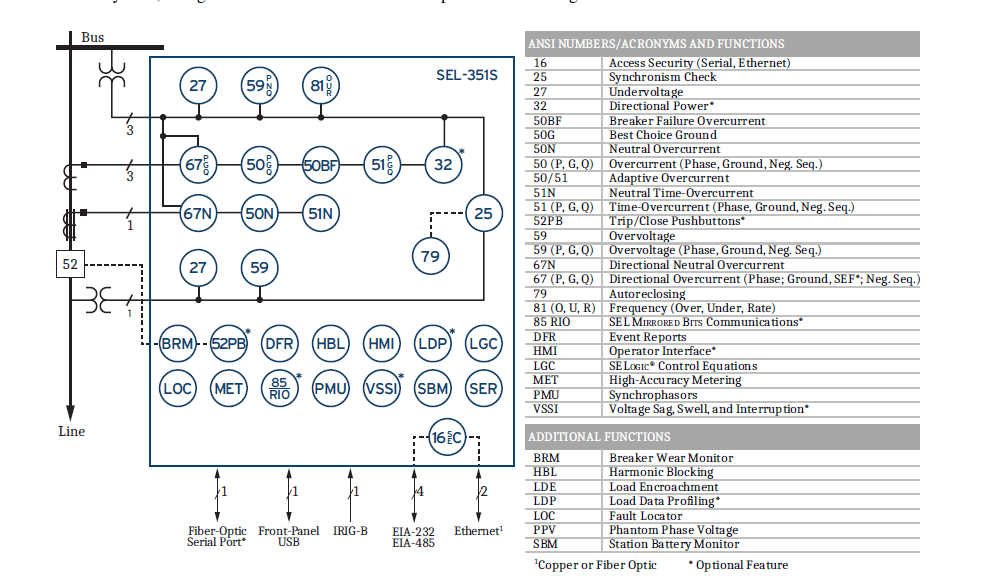
PSCAD Modeling Services for Grid & Substations
By SANDIP R PATEL • April 25, 2025
Explore how Keentel Engineering uses PSCAD™ to model substations, inverters, protection schemes, and BESS systems. Ensure NERC & IEEE compliance today.
Read More →

Ensuring Grid Reliability with EMT Modeling Compliance – CAISO Requirements
By SANDIP R PATEL • April 23, 2025
Discover how Keentel Engineering helps energy developers meet CAISO EMT modeling compliance for inverter-based resources, BESS, and synchronous generators. PSCAD-based, NERC-aligned, and ready for submission.
Read More →
Ensuring NERC PRC-029-1 Compliance for Inverter-Based Resources (IBRs)
By SANDIP R PATEL • April 15, 2025
Ensure PRC-029-1 compliance for inverter-based resources. Keentel provides ride-through studies, system modeling, and NERC audit support. Contact Us!
Read More →
Why NERC Compliance Consultants Are Critical for Safety
By SANDIP R PATEL • January 30, 2025
Discover why NERC compliance consultants are essential for safety. Learn how they help ensure regulatory adherence and protect power system reliability
Read More →
How to Ensure Compliance with NERC O&P Standards
By SANDIP R PATEL • January 29, 2025
Learn how to ensure compliance with NERC O&P standards. Discover key requirements and best practices to maintain reliability in power system operations
Read More →
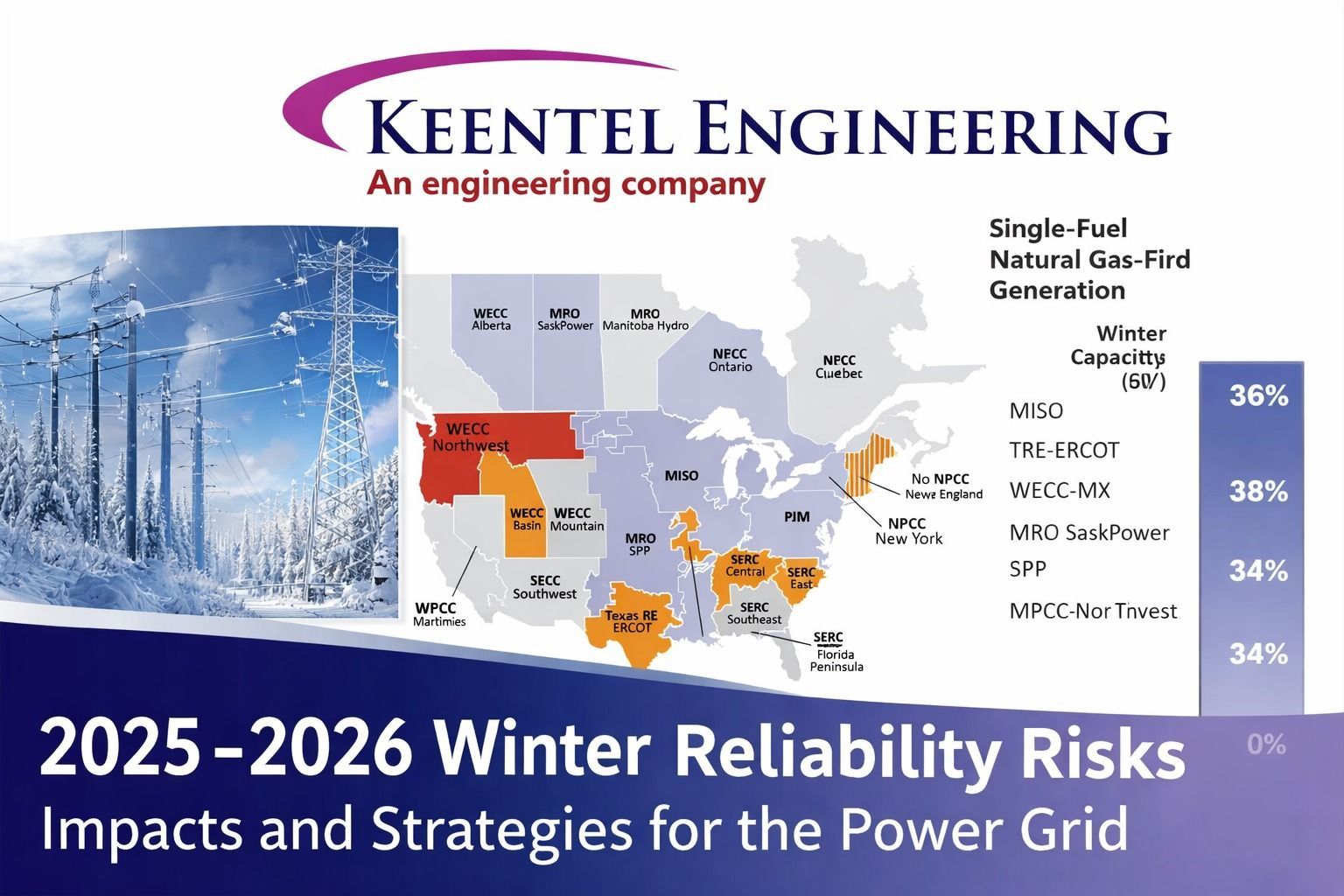
What Is the Difference Between FERC and NERC?
By SANDIP R PATEL • November 23, 2024
Learn the key differences between FERC and NERC: FERC regulates energy markets, while NERC ensures the reliability of the electric grid.
Read More →
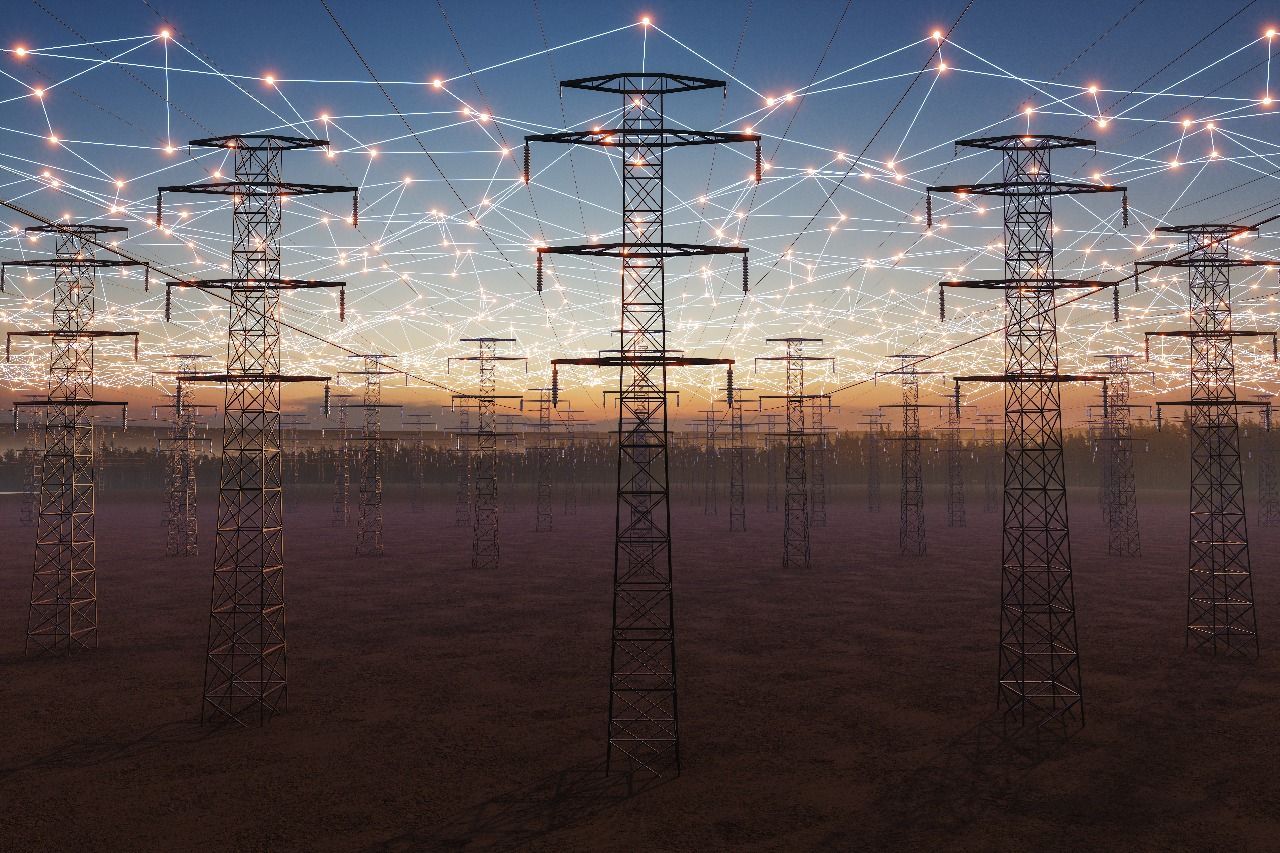
How Many NERC Standards Are There?
By SANDIP R PATEL • November 10, 2024
Discover the current number of NERC standards and their importance in ensuring electric grid reliability and security across North America
Read More →
Ensuring Grid Reliability: How NERC O&P 693 Compliance Services Benefit the Energy Sector
By SANDIP R PATEL • March 18, 2024
Ensure grid stability with Keentel's NERC compliance services. Contact us today for tailored solutions and a resilient energy future.
Read More →

Essential Steps for Commissioning Circuit Breakers
By SANDIP R PATEL • April 1, 2023
Learn the essential steps for commissioning circuit breakers, from wiring checks to high-voltage testing. Ensure safety, reliability & NERC compliance readiness.
Read More →
Gap Analysis Explained: NERC CIP Risk Assessment & Cybersecurity Compliance
By SANDIP R PATEL • January 17, 2022
Learn how NERC CIP gap analysis identifies cybersecurity risks, ensures compliance, and protects bulk power systems. Schedule your risk assessment
Read More →