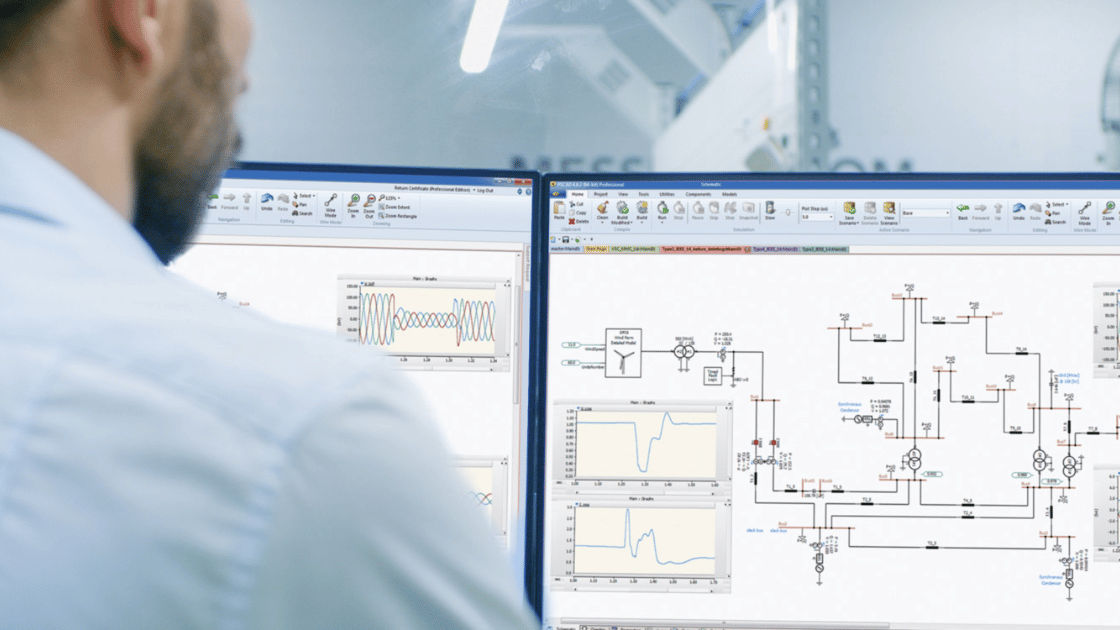
BAL performance support
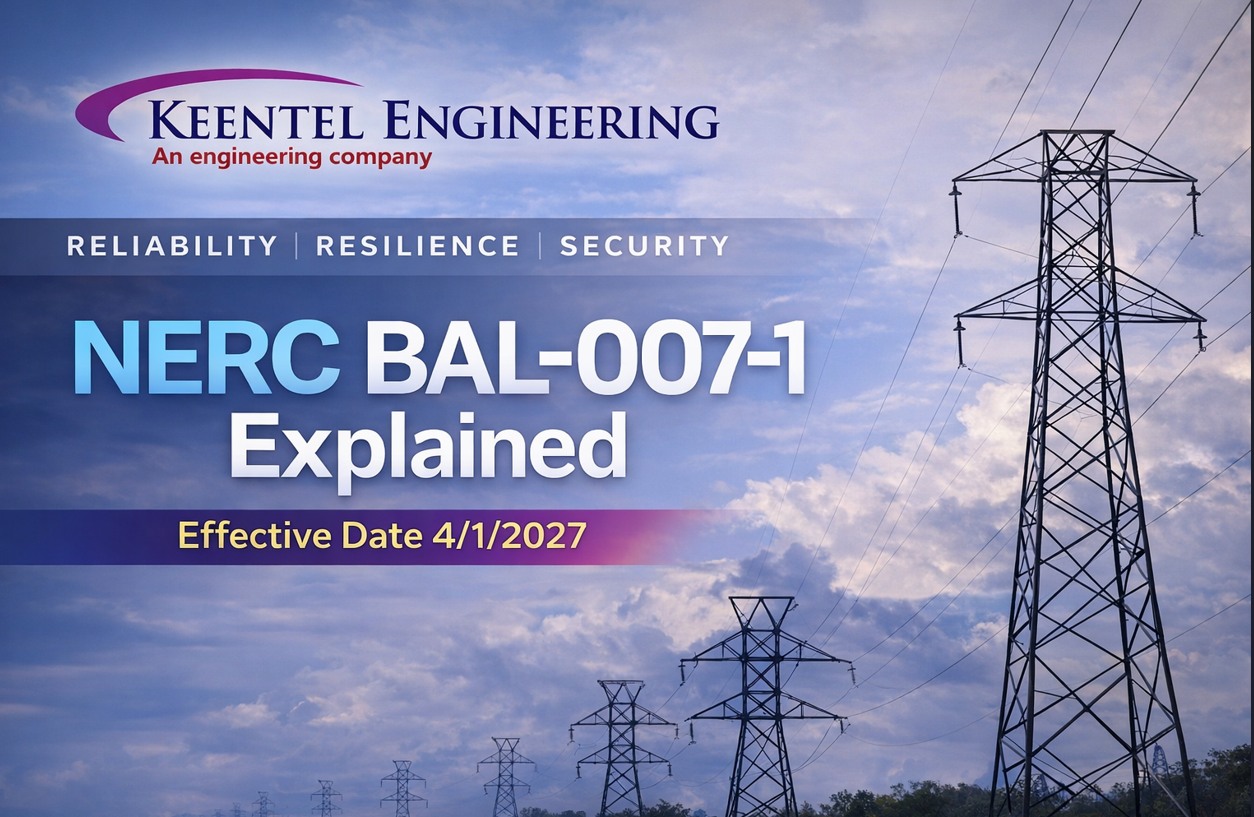
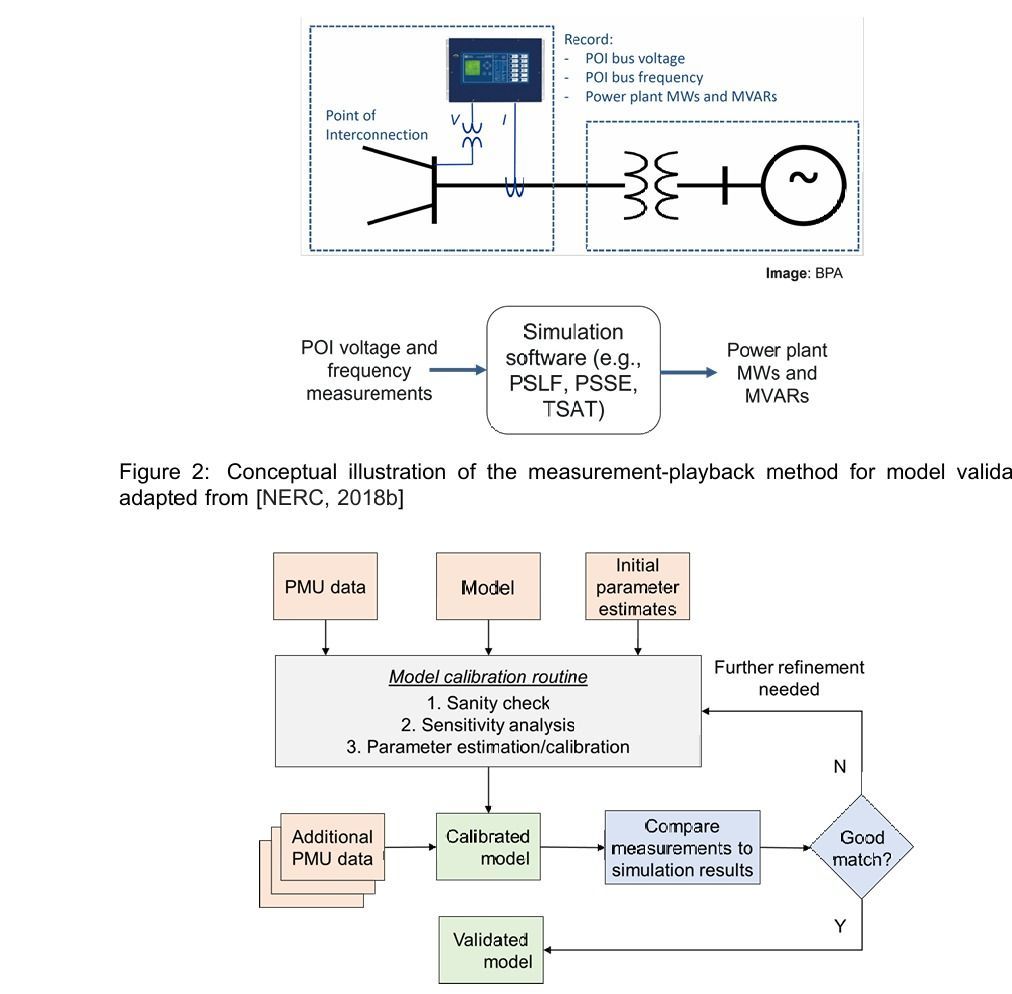
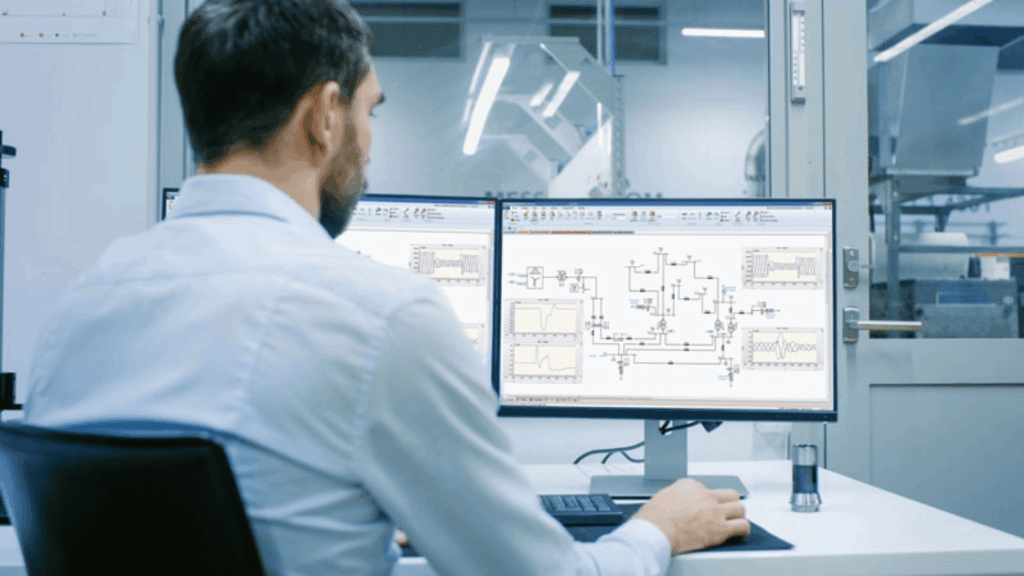
Frequency response analysis, Frequency Bias Setting support, ACE design documentation, contingency reserve reviews and BAL-007 assessment process development.

Your Trusted Partner in Electrical Engineering and Power Systems
At Keentel Engineering, we deliver electrical power engineering services built on 30 years of experience and a commitment to excellence. Our clients include utilities, developers, EPCs, and public agencies across the U.S.
Unlike firms that sacrifice technical depth to chase billable hours, we prioritize precision, compliance, and value engineering. From transmission services and relay modeling to winterization and SCADA planning, we never compromise on quality.

At Keentel Engineering, we take pride in being the go-to electrical power engineering firm for power and utility system planning, substation design, protection, control, and power system analysis. The following attributes distinguish our team in utility-grade substation engineering and compliance-driven project delivery.
With three decades of hands-on project delivery, we bring unmatched expertise in substation layout design, substation electrical and civil engineering, relay protection, and grid-tie solutions. Our experience includes projects in complex terrain, urban retrofit environments, and utility-scale renewable integrations.
Our engineering process applies AutoCAD 3D, BIM modeling, and system-level substation design practices to ensure accurate planning, reduced errors, and efficient coordination across all project stakeholders.
Our workflow includes 3D substation design, enabling clash-free coordination between structural, electrical, and civil disciplines.
From grounding grid studies to relay protection settings, we engineer every detail to improve system reliability, performance, and operational safety. Our rigorous QA/QC process ensures compliance with IEEE, NFPA, and ISO/TSO interconnection standards.
Among leading electrical substation design companies, Keentel Engineering stands out for 30+ years of proven high-voltage and utility-grade project delivery.




First name, email and what you're interested in are all we need to get moving. Everything else, including drawings or an RFP, is optional.
The Balancing Authority (BA) integrates resource plans ahead of time, maintains the balance of load, interchange and generation within its Balancing Authority Area in real time, and supports Interconnection frequency. Its obligations concentrate in the BAL, INT, COM, EOP and TOP standards, and its operators must be NERC-certified.
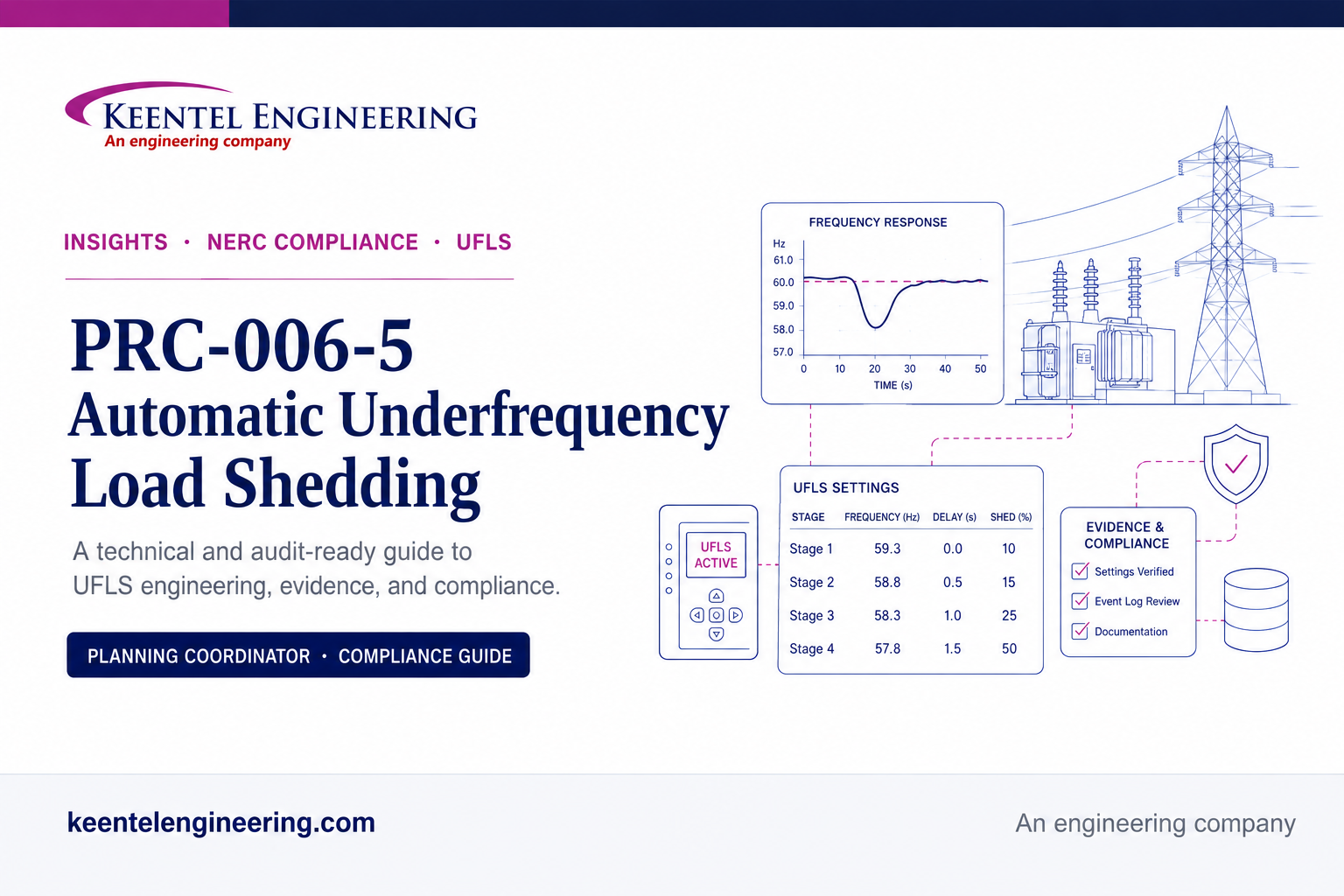
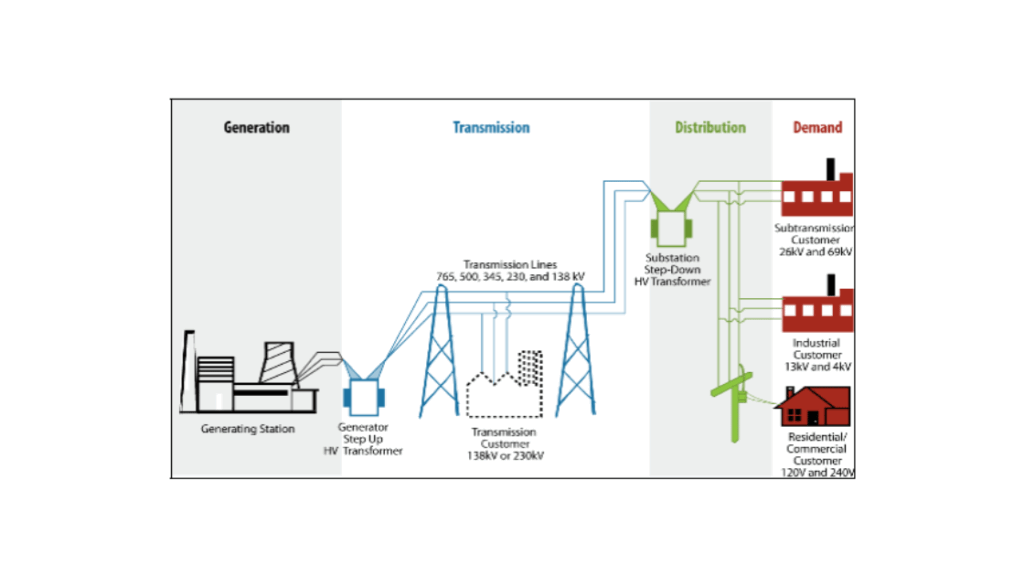
The Distribution Provider (DP) provides and operates the wires between the transmission system and end-use customers. A DP is registered under the NERC registry criteria when it meets load thresholds or owns equipment that matters to the Bulk Electric System — most commonly underfrequency or undervoltage load shedding (UFLS/UVLS) equipment, or protection systems that protect BES elements. Its obligations focus on that equipment, on receiving and acting on instructions, and on providing data.
A multi-function entity holds several registrations at once. A public power utility or cooperative may be a BA, Transmission Operator (TOP), Transmission Owner (TO), DP and Generator Owner/Operator (GO/GOP) simultaneously. Each function carries its own requirements, but the people, control center, substations and records overlap heavily.
| Function | Core responsibility | Primary standard families | Relationship to the RC |
|---|---|---|---|
| Balancing Authority | Balance load, interchange and generation; support frequency; energy and reserve planning | BAL, INT, COM, EOP, TOP, PER | Receives and complies with RC Operating Instructions; provides data |
| Distribution Provider | Deliver energy to end users; own and maintain load-shedding and applicable protection equipment | PRC, EOP, COM, TOP, MOD (data) | Receives Operating Instructions, typically through its TOP or BA |
| Transmission Operator | Operate the transmission system within limits; emergency operations and restoration | TOP, EOP, COM, IRO, PER, VAR | Operates under RC direction |
| Transmission Owner / Generator Owner | Own transmission or generation Facilities; ratings, protection and maintenance | FAC, PRC, MOD, EOP | Provides data and coordinates through operators |
| Reliability Coordinator | Wide-area reliability oversight and Operating Instructions | IRO, COM, EOP, PER | Keentel supports RCs with analysis and procedures only |
Standard IDs are shown without version suffixes. Applicability differs by requirement, and regional standards or variances — such as BAL-001-TRE in Texas RE — may apply. Confirm the version in effect and Section 4 (Applicability) for your registration and audit period.
| Standard | What it addresses for the BA | Typical evidence |
|---|---|---|
| BAL-001 | Real power balancing control performance | CPS1 and BAAL calculations and supporting data |
| BAL-002 | Recovery from reportable balancing contingency events and contingency reserve | Event records, ACE recovery analysis, reserve policy and reserve-sharing documentation |
| BAL-003 | Frequency response measurement and Frequency Bias Setting | Event selection and frequency response calculations, FRS Form submissions, bias implementation records |
| BAL-005 | ACE calculation, data availability and alarming | ACE design documentation, metering and time-error data, alarm records, Pseudo-Tie and dynamic schedule treatment |
| BAL-007 | Near-term energy reliability assessments (phasing in under its implementation plan) | Documented assessment process, scenarios, operating plans for forecast energy emergencies and assessment records |
| COM-001 / COM-002 | Interpersonal and alternative communication capability; Operating Instruction protocols | Communication capability tests, documented protocols, voice recordings and annual protocol assessments |
| EOP-004 / EOP-008 / EOP-011 | Event reporting; loss of control center functionality; emergency Operating Plans | Event reporting plan and tests, backup control center plan and tests, Emergency Operating Plan and RC review |
| INT-006 / INT-009 | Evaluation and implementation of Interchange | e-Tag evaluation records and implemented Interchange reconciliation |
| IRO-001 / IRO-010 | Compliance with RC Operating Instructions; data specification responses | Operator logs and recordings, documented reasons where an instruction could not be followed, data submission records |
| TOP-001 / TOP-002 / TOP-003 | Operating actions and instructions; next-day Operating Plans; data specification (per requirement) | Next-day plans, operator logs, data specifications and provider responses |
| PER-003 / PER-005 | Operator certification and systematic training | Certification records, training needs analysis, task list and training records |
| MOD-031 | Demand and energy data (as requester or provider, per requirement) | Data requests, compiled data and dated submissions |
DP applicability depends heavily on what the DP owns. Many requirements apply only to a DP that owns UFLS or UVLS equipment, BES protection systems, or is identified in a Transmission Operator’s plan. Confirm applicability requirement by requirement.
| Standard | Typical DP role (where applicable) | Typical evidence |
|---|---|---|
| PRC-006 | Implement the Planning Coordinator’s UFLS program; provide load and settings data | UFLS relay settings, load-block data, implementation records and data provided to the PC |
| PRC-005 | Maintain protection systems, including UFLS and UVLS relays, within defined intervals | Component inventory, maintenance intervals, test records and Unresolved Maintenance Issue tracking |
| PRC-010 | Participate in a UVLS program where one exists | UVLS settings and data exchange records |
| PRC-004 / PRC-023 / PRC-027 | Where the DP owns protection for BES elements | Misoperation reviews and CAPs, loadability evaluations, coordination studies |
| EOP-011 | Load-shed roles where the DP is identified in the TOP’s Operating Plan | Load-shed procedures, feeder lists, critical-load identification and response records |
| EOP-005 | Restoration roles where the DP is identified in the TOP’s restoration plan | Restoration procedure excerpts, training and drill participation records |
| EOP-004 | Event reporting per the standard’s criteria | Event reporting operating plan, annual test and submitted reports |
| COM-001 / COM-002 | Communication capability; receiving Operating Instructions and using protocols | Capability records, training on protocols and voice recordings showing repeat-backs during Emergencies |
| IRO-001 / TOP-001 | Comply with RC and TOP Operating Instructions (per requirement) | Operator logs and recordings of instructions received and actions taken |
| FAC-002 | Coordinate with the PC and TP on new or materially modified Facilities (per requirement) | Coordination correspondence and study inputs |
| MOD-031 / TOP-003 / IRO-010 | Provide demand, energy and operating data when requested | Data request responses and dated submissions |
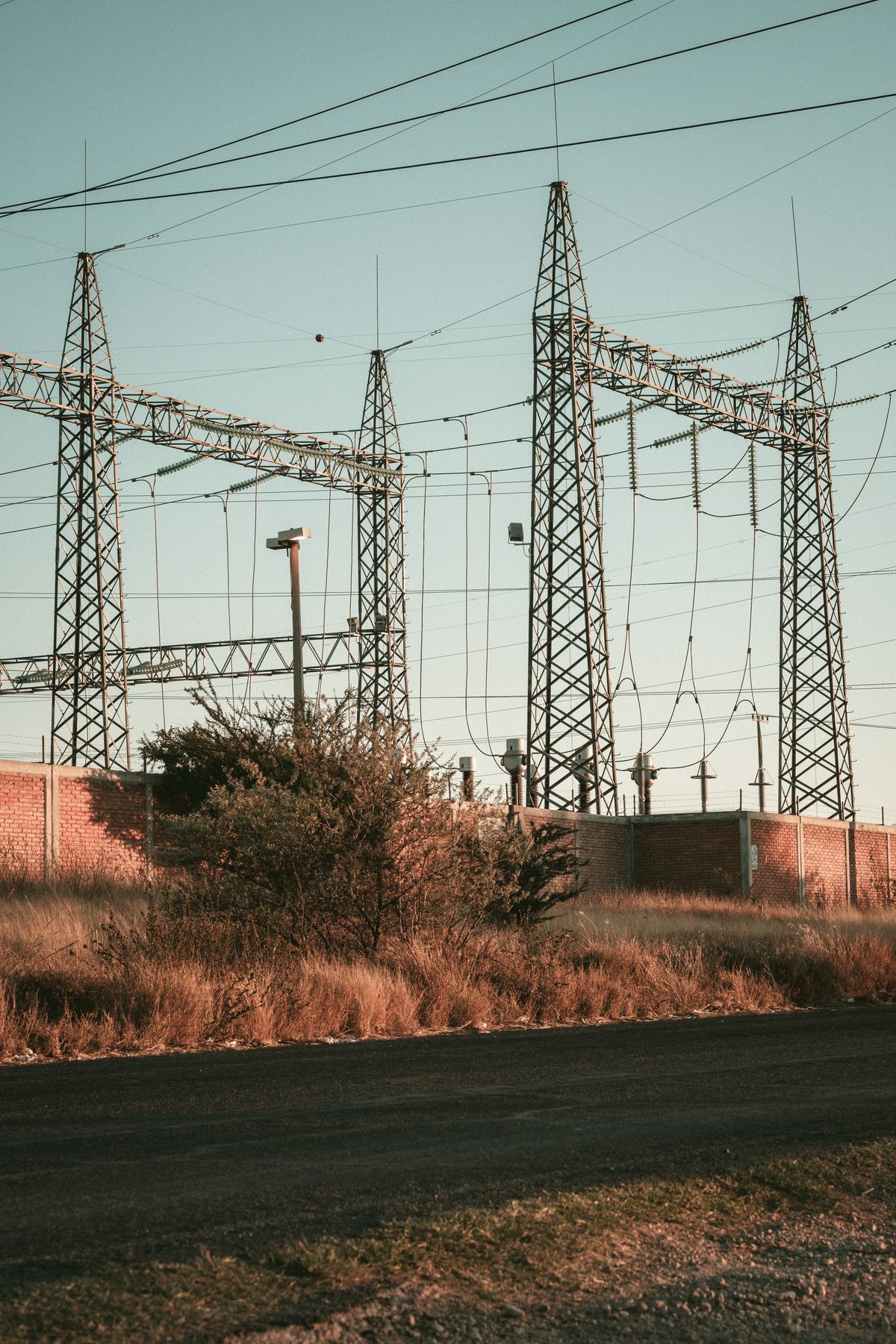
Municipal utilities, joint action agencies and cooperatives often hold four or five registrations. Running a separate compliance effort for each function duplicates procedures, splits evidence across departments and leaves gaps where functions meet — for example, where the TOP’s load-shed plan relies on the DP’s feeder list, or where the BA and TOP share a control room and a set of recordings.
Where functions are shared with a joint action agency, generation and transmission cooperative or neighboring utility, a Joint Registration Organization (JRO) or Coordinated Functional Registration (CFR) can formally divide responsibility. We help document which party owns each requirement and what evidence each party must retain, so nothing falls between organizations.
Keentel does not act as a Balancing Authority, Reliability Coordinator, Planning Coordinator or Transmission Planner. For RCs, we provide engineering analysis, procedure development and evidence organization under the IRO standards — for example, supporting studies behind operating limits or documentation of Operating Instruction processes.
Frequency response analysis, Frequency Bias Setting support, ACE design documentation, contingency reserve reviews and BAL-007 assessment process development.
COM-002 protocol documents, recording reviews against three-part communication, annual protocol assessments and training content for operators and DP field personnel.
EOP-011 Emergency Operating Plans, load-shed procedures and feeder lists, EOP-008 backup control center plans and EOP-004 reporting plans.
UFLS load-block verification against the PC’s program, relay setting reviews and data preparation for PC databases.
PRC-005 component inventories, interval programs, test-record reviews and Unresolved Maintenance Issue tracking.
INT evaluation procedures and e-Tag evidence organization; MOD-031, TOP-003 and IRO-010 data request responses.
One applicability matrix, shared-evidence map, calendar and internal controls across every registered function.
RSAW narratives, evidence indexes and mock interviews for BA, TOP and DP personnel.
Map each registered function, facility and requirement, including conditional DP obligations and any JRO or CFR arrangements.
Review how instructions are issued and received, how load is shed, and how UFLS and protection equipment is maintained in practice.
Sample recordings, logs, relay test records, event reports and data submissions against each requirement.
Update settings reviews, load-shed lists, operating plans, protocols and maintenance programs where they fall short.
Build shared-evidence mapping, a unified calendar and requirement owners across all functions.
Package evidence by requirement with RSAW narratives and prepare operators and field staff for interviews.
| Deliverable | What it contains | Requirement it supports |
|---|---|---|
| Multi-function applicability matrix | Every applicable O&P requirement by function and facility, with basis and owner | All registered functions |
| Shared-evidence map | Each evidence item linked to every requirement it supports | Program efficiency and audit retrieval |
| Operating communications package | COM-002 protocols, recording review results and annual assessment records | COM-001, COM-002, IRO-001 |
| Emergency and load-shed documents | Emergency Operating Plan, load-shed procedures, feeder and critical-load lists | EOP-011, EOP-005, EOP-004 |
| UFLS / UVLS implementation record | Load-block verification, settings review and data provided to the PC | PRC-006, PRC-010 |
| Protection maintenance program review | Inventory, intervals, test-record findings and corrective actions | PRC-005 |
| BAL performance documentation | Frequency response analysis, bias calculations, ACE design and reserve reviews | BAL-001, BAL-002, BAL-003, BAL-005, BAL-007 |
| Audit-ready evidence binder | Requirement-by-requirement index and narratives for each function | Audits, spot checks and self-certifications |
| Gap | Why it matters |
|---|---|
| Recordings that do not show three-part communication | COM-002 evidence depends on what is actually said. Protocols on paper do not help if Emergency instructions lack repeat-backs and confirmation. |
| UFLS load blocks that no longer match the PC’s program | Load growth, feeder reconfiguration and new large loads change the load armed on each relay; data provided to the PC goes stale. |
| Load-shed lists without current critical-load treatment | Operating plans must reflect how critical loads and natural gas infrastructure are handled; outdated feeder lists undermine the plan. |
| UFLS relays missing from the PRC-005 inventory | DP-owned UFLS relays are sometimes maintained by distribution crews outside the compliance program, leaving intervals untracked. |
| Duplicated or conflicting procedures across functions | Separate BA, TOP and DP procedures for the same event create contradictions an auditor will find. |
| Unclear division of responsibility with partners | Without a formal JRO or CFR, responsibility for shared functions defaults to the registered entity, whatever the operating agreement says. |
| BAL-007 treated as a future problem | Energy assessments need processes, scenarios and data sources that take time to build before the effective date arrives. |
The 2026 ERO Enterprise CMEP Implementation Plan names the requirements below under its risk elements. Those most relevant to BAs, DPs and multi-function entities are listed with the version identifiers used in the plan. Confirm which requirements apply to your registrations.
| Risk element | Requirements named in the 2026 plan | What it means for operating entities |
|---|---|---|
| Communication Protocols | COM-002-4 R1, R4, R5, R7 | Protocol documentation, annual assessments and Emergency Operating Instruction communications by issuing BAs, TOPs and RCs. DPs should still expect questions about how they receive instructions. |
| Communication Protocols | IRO-001-4 R1 | An RC requirement to act through direct actions or Operating Instructions; BAs, TOPs and DPs that receive those instructions should have evidence of how they were acted on. |
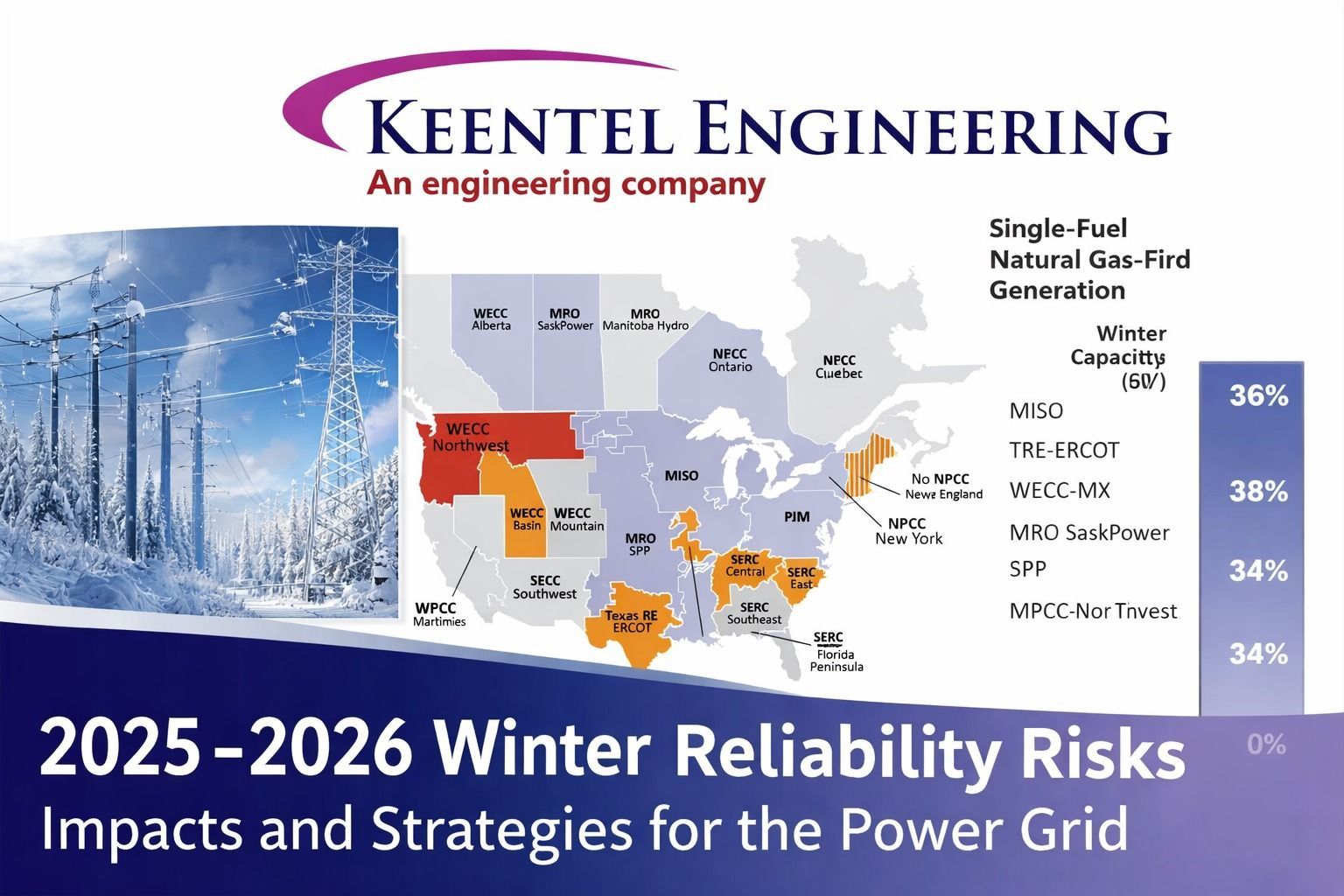
| Extreme Weather Response | EOP-011-4 R1, R2, R3, R6 | BA and TOP Operating Plans for emergencies, RC review, and obligations of TOs and DPs identified in TOP plans for load shed (per requirement). |
| Grid Transformation | MOD-031-3 R1, R2 | Demand and energy data requests and responses for BAs and DPs, where applicable. |
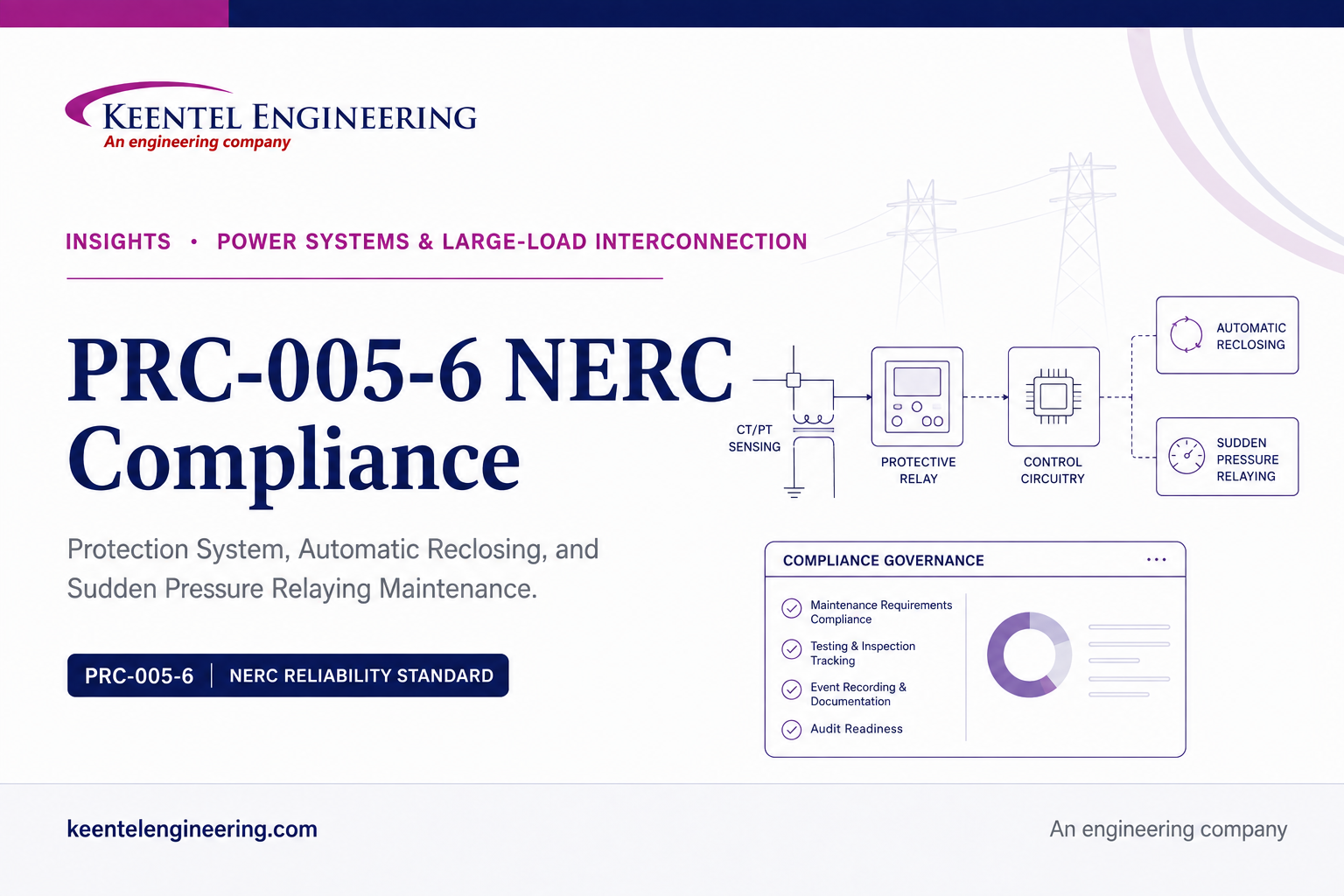
| Grid Transformation | PRC-005-6 R3, R5 | Maintenance of protection systems — including DP-owned UFLS relays — and Unresolved Maintenance Issues. |
| Multi-function entities | FAC-008-5 R6; FAC-003-5 R6; EOP-012-3 R1, R3–R7; PRC-024-3/-4 R1, R2; PRC-027-1 R1–R3 | For utilities that are also TOs or GOs: facility ratings, vegetation inspections, cold weather preparedness, generator ride-through settings and protection coordination. |
See our Grid Transformation and Extreme Weather focus area pages for the complete requirement lists.
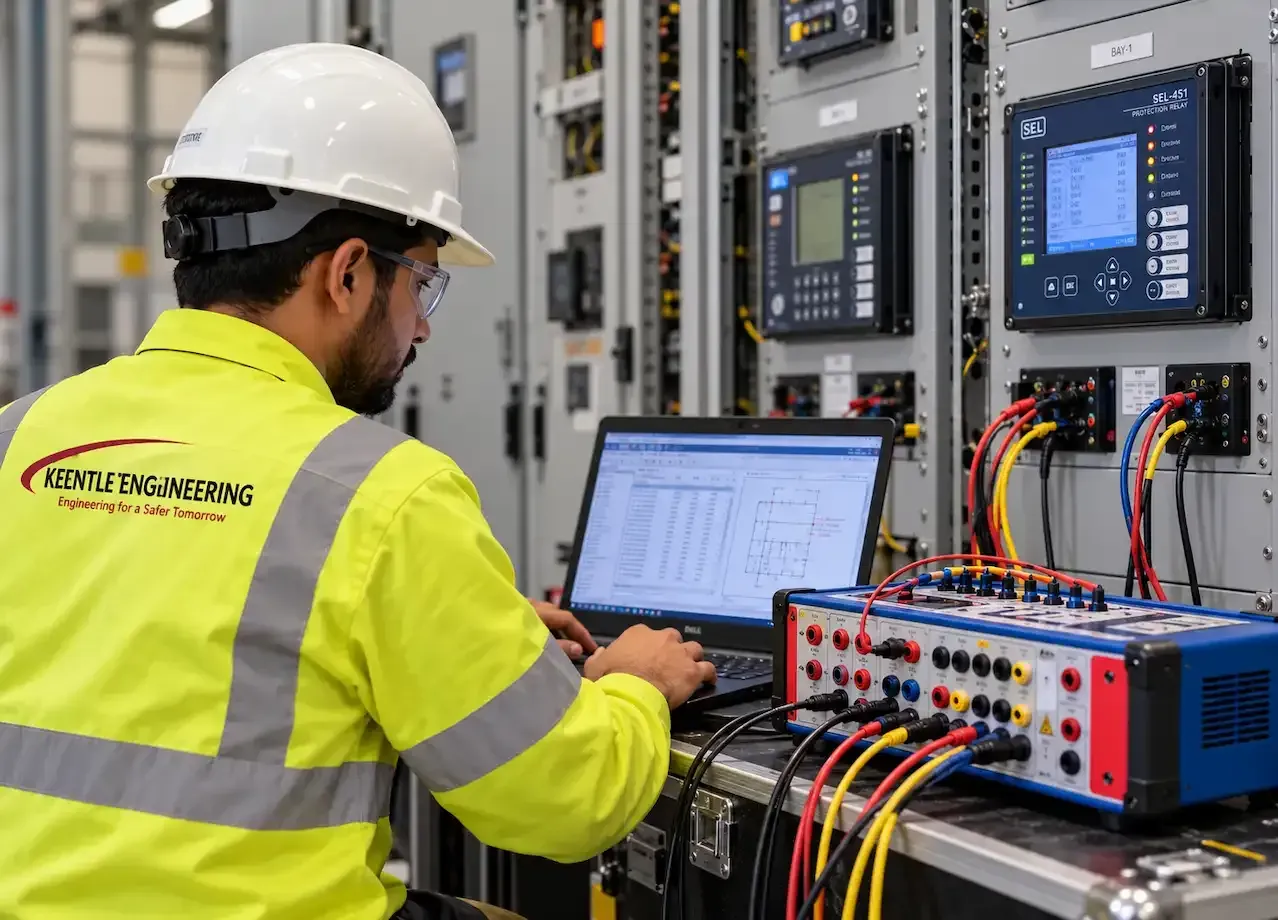 NERC Registration & Applicability Assessment
 NERC Compliance Gap Analysis & Risk Assessment
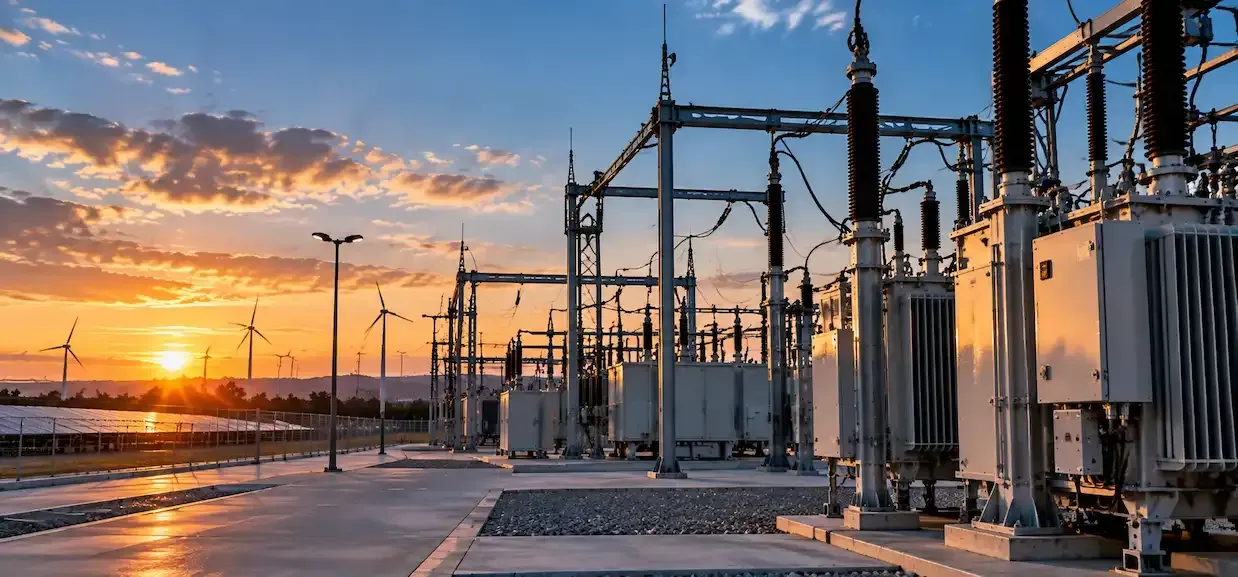 NERC Compliance Audit Support
 BAL — Resource & Demand Balancing Standards
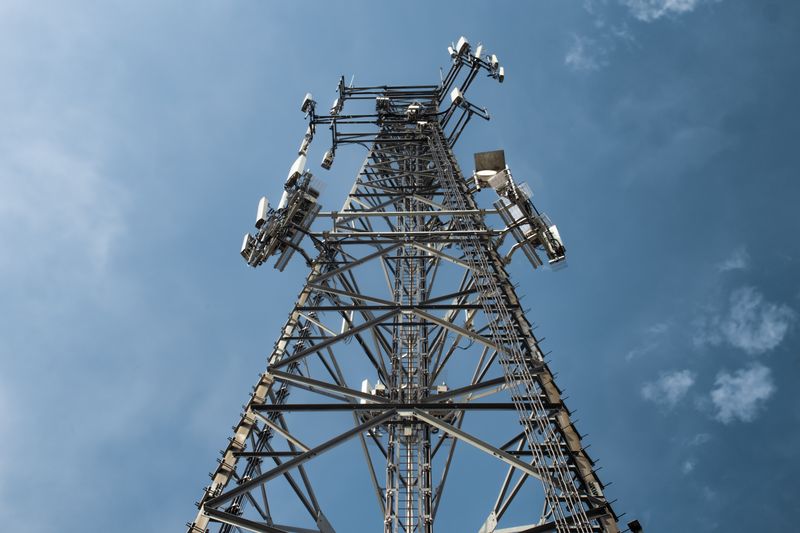 COM — Communications Standards
 EOP — Emergency Preparedness & Operations Standards
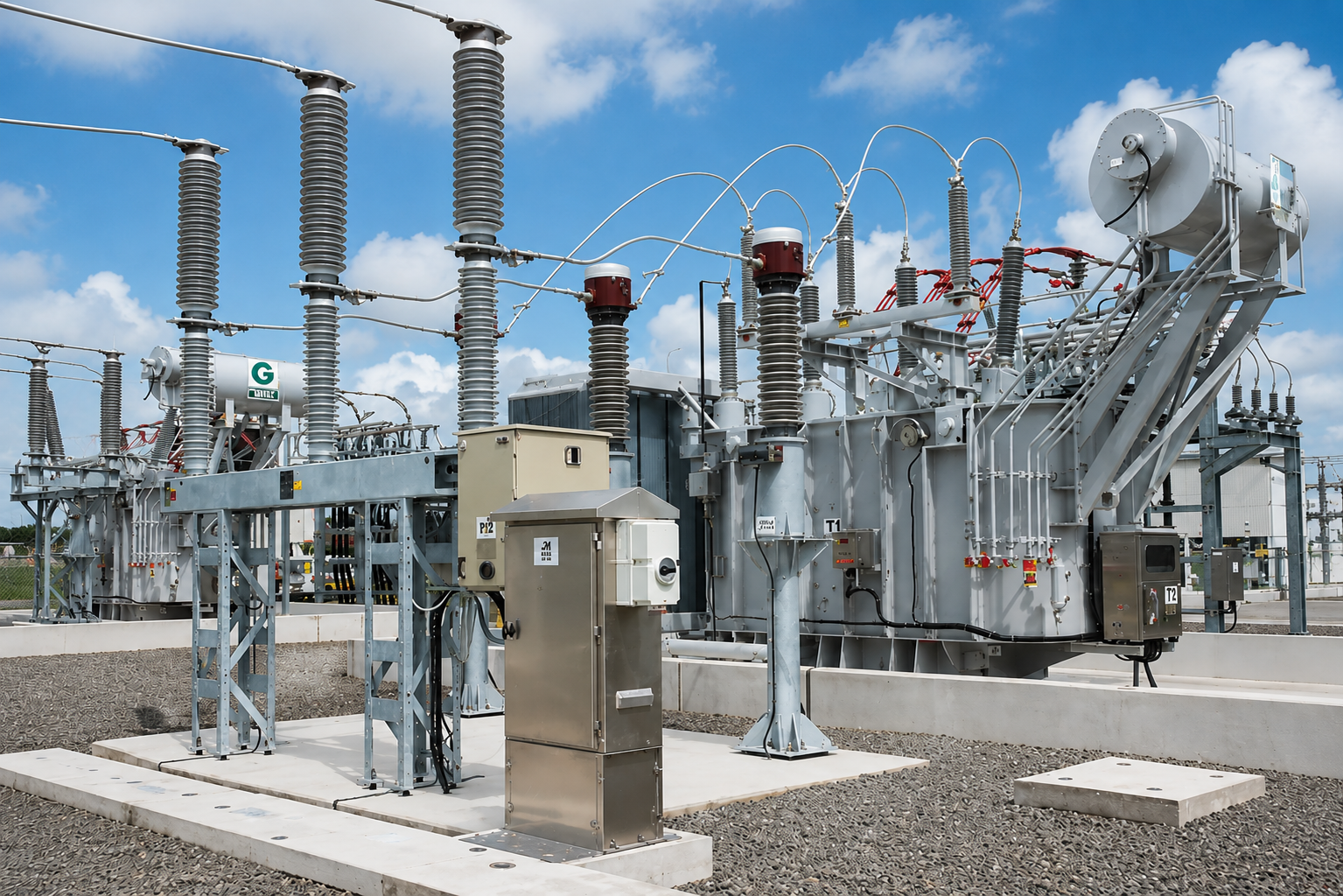 PRC — Protection & Control Standards
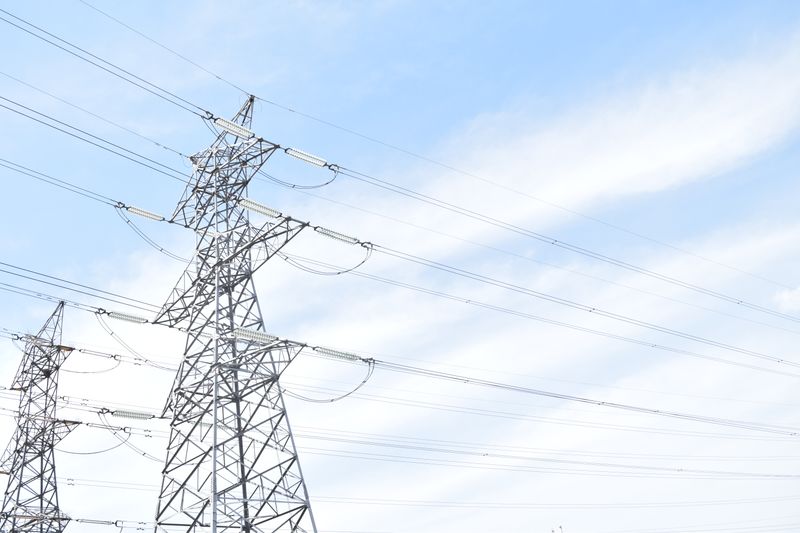 Transmission Owner, Transmission Operator & TSP Compliance
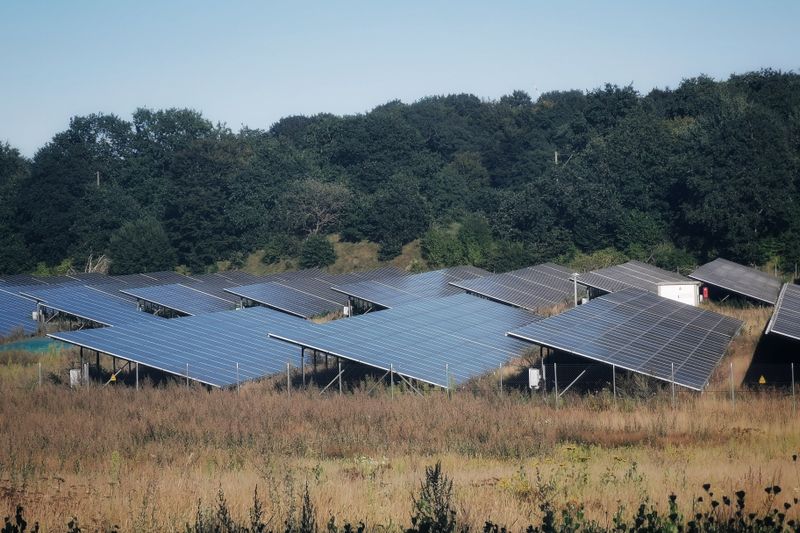 Generator Owner & Generator Operator Compliance
 NERC O&P Compliance Services
Send us your registrations and your most recent audit report. Keentel will map every applicable requirement across your BA, DP, TOP, TO and GO functions and show where one piece of evidence can do the work of several.
Serving utilities, EPCs, developers, and infrastructure organizations supporting critical power systems nationwide.